

Aldous Huxley Books
Aldous Huxley (1894–1963) was an English writer and philosopher known for his novels, essays, and works on social and philosophical issues. His best-known novel, Brave New World, established him as a major critic of modern society and technology.
Known for: Brave New World, The Doors Of Perception, The Human Situation, After Many a Summer Dies the Swan, Antic Hay, Ape and Essence, Crome Yellow, Eyeless In Gaza, Grey Eminence: A Study in Religion and Politics, Heaven and Hell, Island, Moksha: Writings on Psychedelics and the Visionary Experience, 1931–1963, Point Counter Point, The Art of Seeing, The Devils of Loudun, The Doors of Perception and Heaven and Hell, The Genius and the Goddess: A Novel, The Perennial Philosophy: An Interpretation of the Great Mystics, East and West, Those Barren Leaves, Time Must Have a Stop
Books by Aldous Huxley
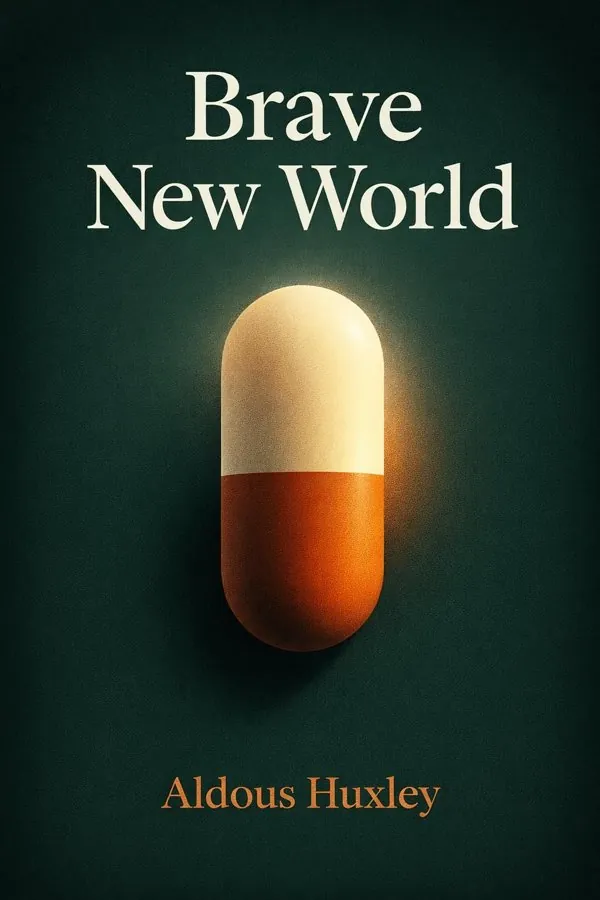
Brave New World
What if the greatest threat to freedom were not violence or tyranny, but comfort? In Brave New World, Aldous Huxley imagines a future society that has solved many of humanity’s oldest problems: war is...
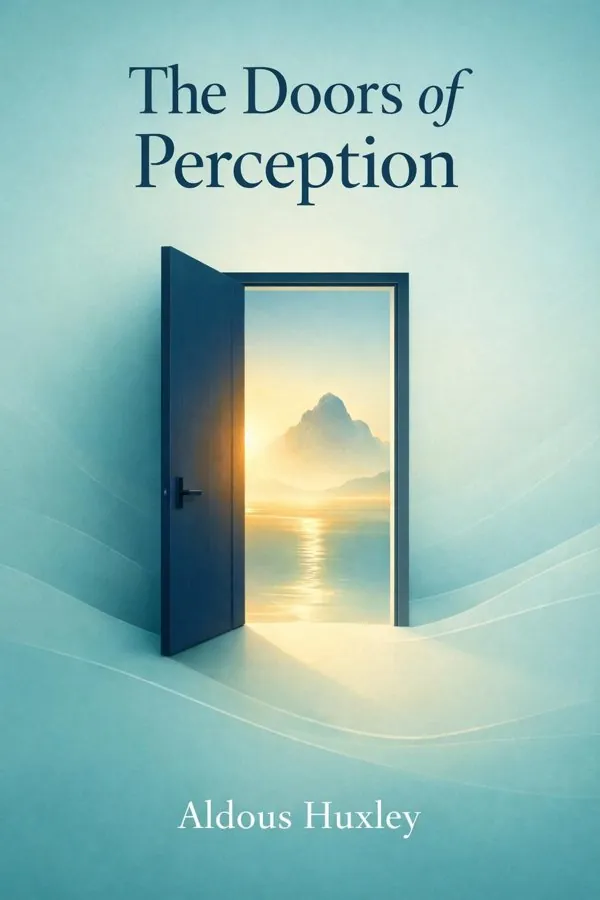
The Doors Of Perception
What happens when ordinary perception loosens its grip and the world appears newly radiant, strange, and profoundly meaningful? In The Doors Of Perception, Aldous Huxley offers a vivid account of his ...
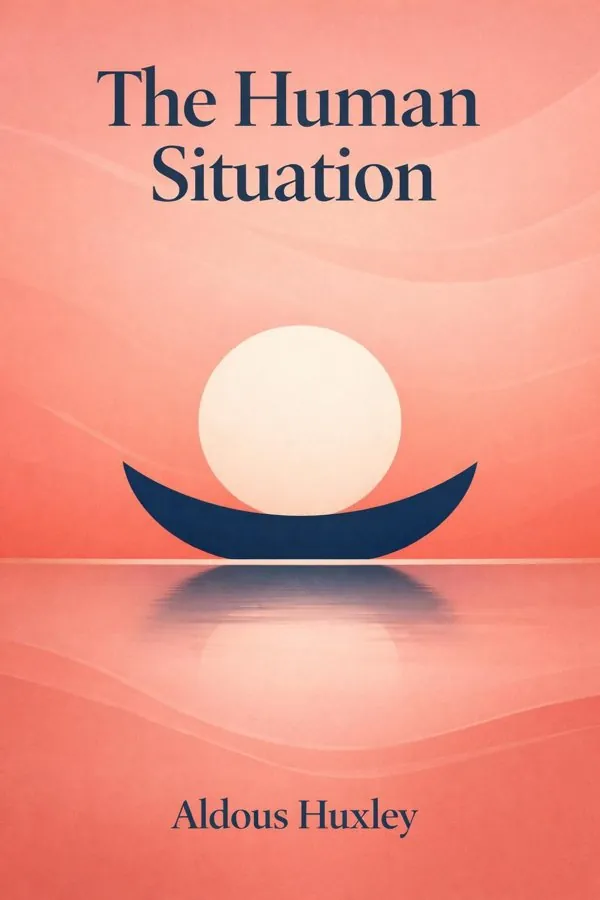
The Human Situation
What does it mean to be human in an age of accelerating science, mass persuasion, and spiritual confusion? In The Human Situation, Aldous Huxley confronts that question with unusual breadth and urgenc...
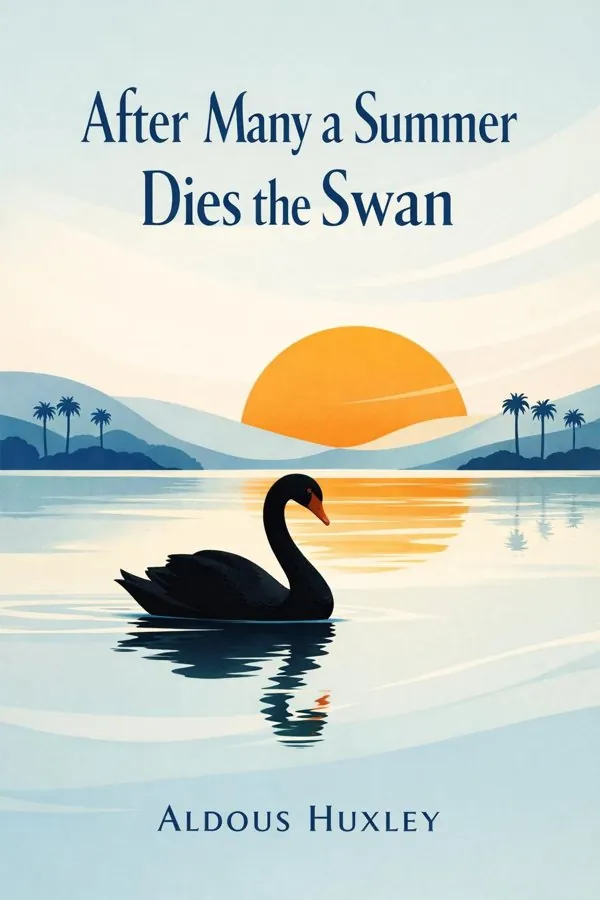
After Many a Summer Dies the Swan
Aldous Huxley’s After Many a Summer Dies the Swan is a brilliant satirical novel about what happens when a culture becomes terrified of aging, mortality, and spiritual depth. Set in the glittering art...
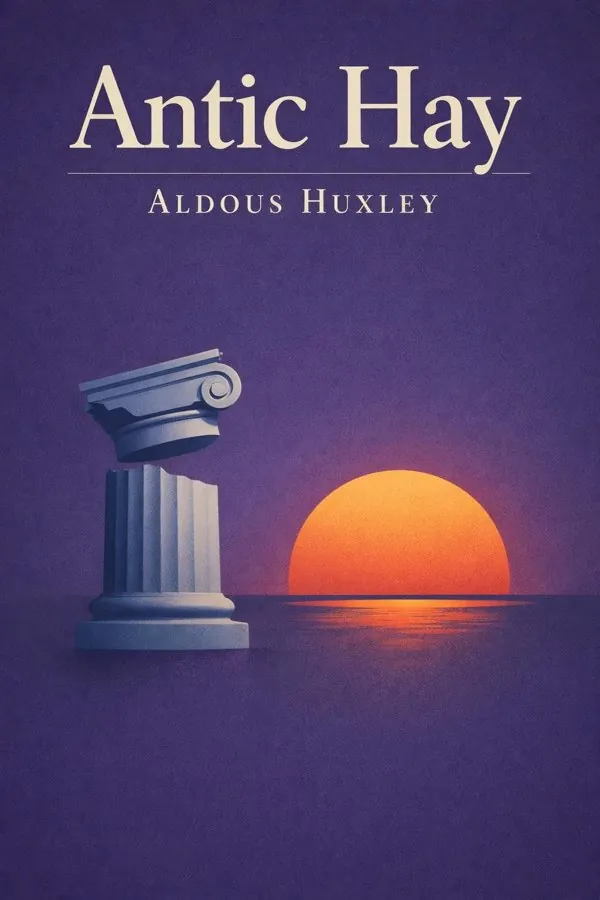
Antic Hay
Aldous Huxley’s Antic Hay is a brilliant, restless satire of postwar London, a novel in which clever people talk endlessly, desire impulsively, and drift through modern life with very little faith in ...
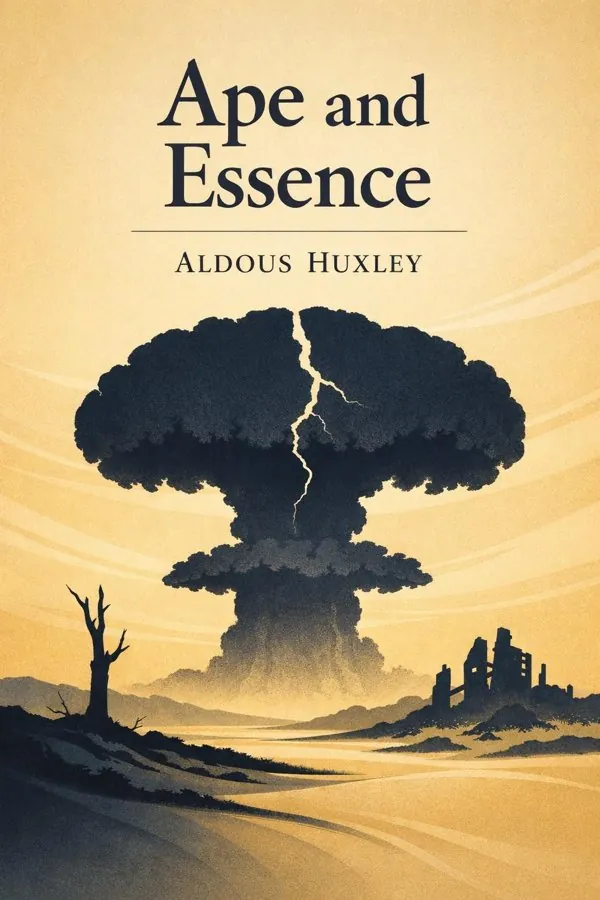
Ape and Essence
Ape and Essence is Aldous Huxley’s fierce, unsettling vision of what remains when civilization destroys itself and then tries to call the wreckage “normal.” Set in a world devastated by nuclear war, t...

Crome Yellow
Crome Yellow is Aldous Huxley’s first novel, published in 1921. The story is a satirical portrayal of a group of upper-class intellectuals gathered at an English country house named Crome. Through wit...
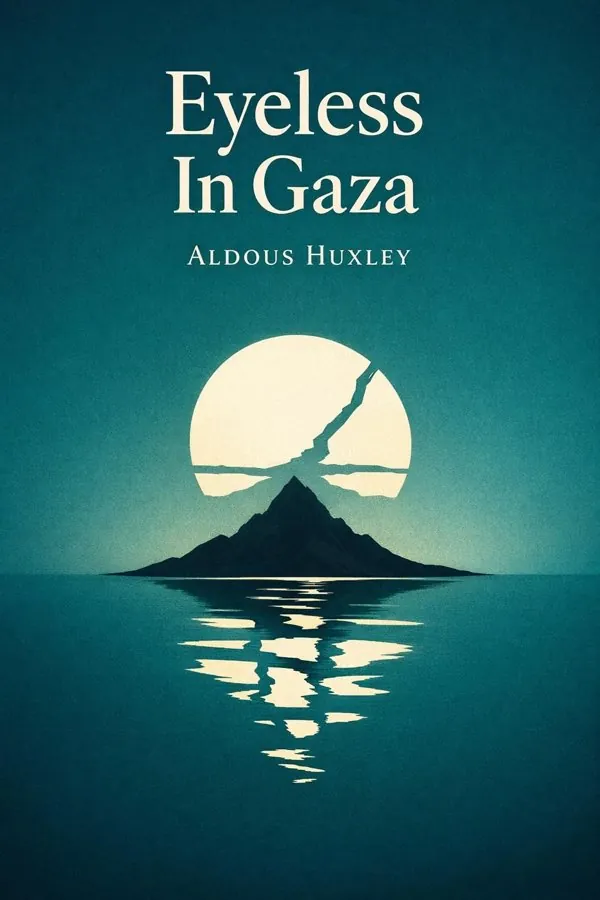
Eyeless In Gaza
Aldous Huxley’s Eyeless In Gaza is not simply a novel about one man’s life; it is a searching inquiry into how a human being learns to see clearly after years of moral and emotional blindness. First p...
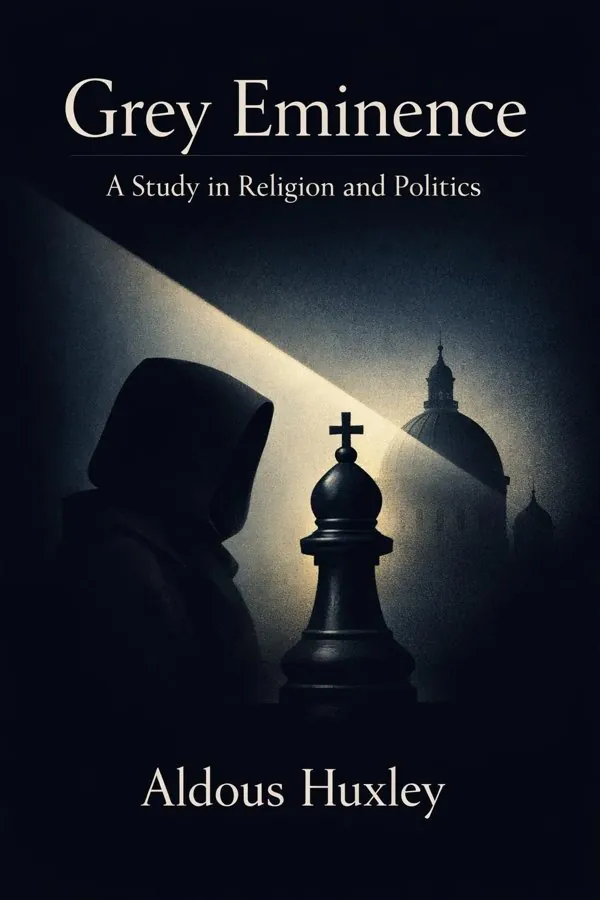
Grey Eminence: A Study in Religion and Politics
Grey Eminence: A Study in Religion and Politics is Aldous Huxley’s penetrating portrait of François Leclerc du Tremblay, better known as Father Joseph, the Capuchin friar who became the indispensable ...
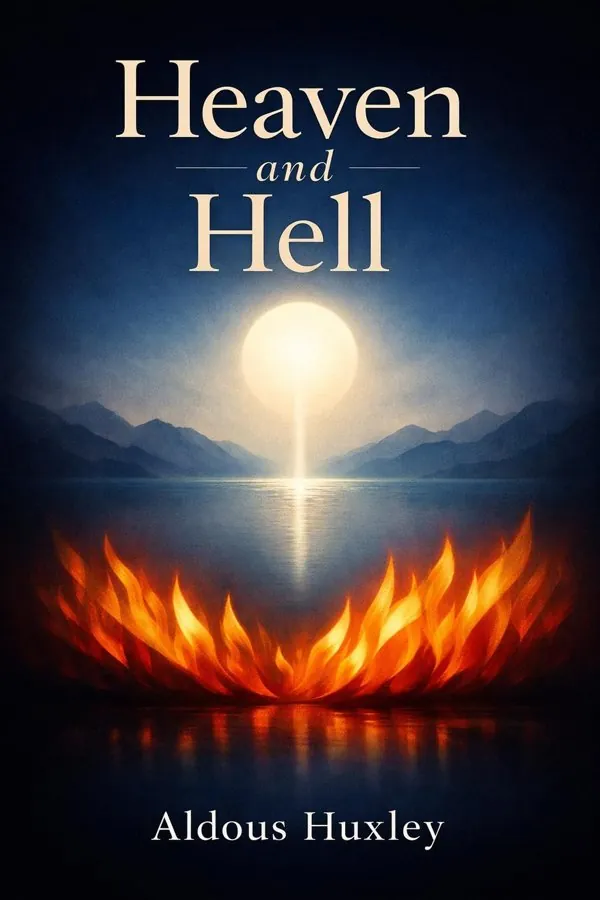
Heaven and Hell
Heaven and Hell is Aldous Huxley’s compact but provocative inquiry into visionary experience: the states of consciousness in which ordinary reality seems to dissolve and a more intense, symbolic, beau...
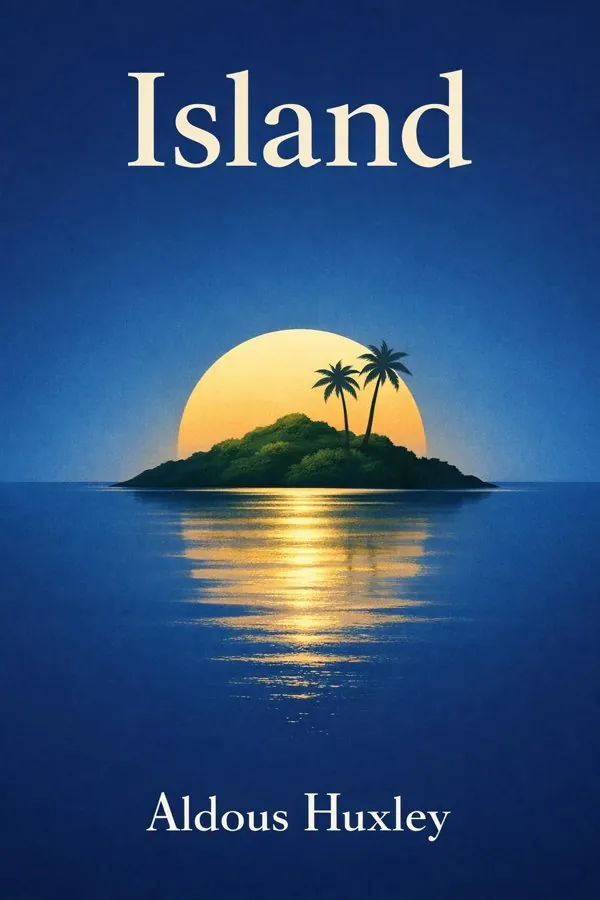
Island
Aldous Huxley’s Island, published in 1962, is both a novel and a philosophical thought experiment: a vision of what a humane society might look like if it were built on awareness rather than fear, coo...
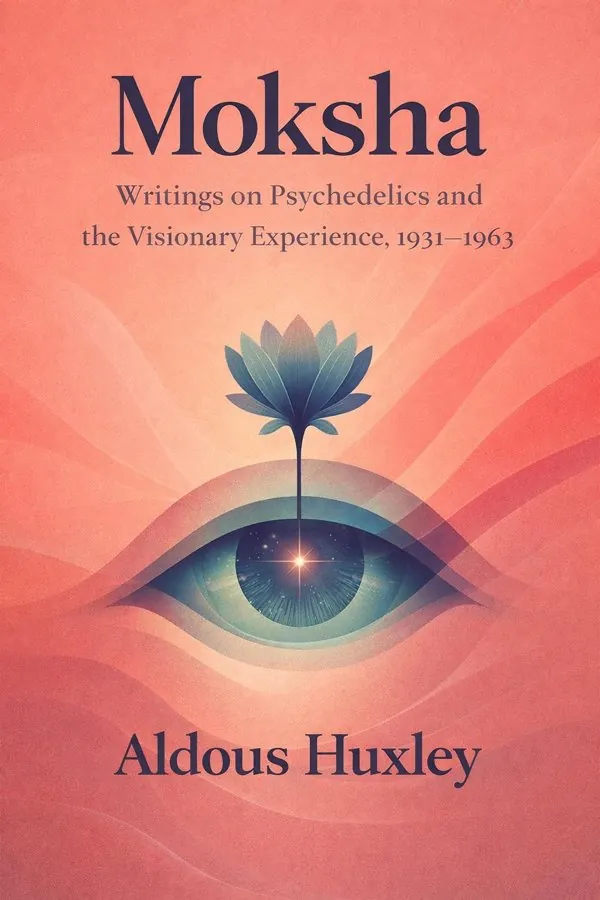
Moksha: Writings on Psychedelics and the Visionary Experience, 1931–1963
Moksha is not a single argument so much as a lifelong record of Aldous Huxley’s attempt to understand what human consciousness is capable of becoming. Gathered from essays, letters, lectures, and prev...
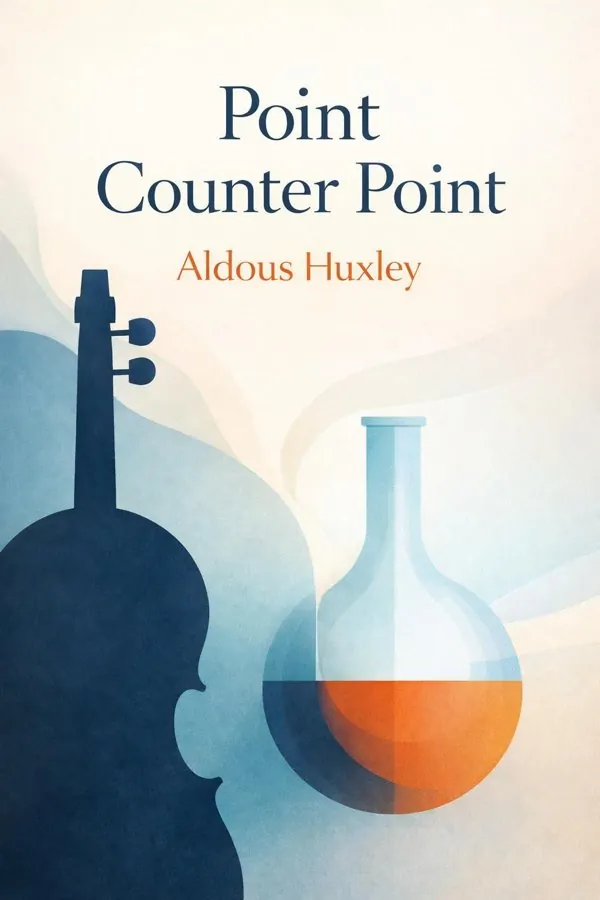
Point Counter Point
Aldous Huxley’s Point Counter Point is not a conventional novel so much as a social symphony: a many-voiced portrait of postwar England in which love affairs, intellectual debates, moral failures, and...
The Art of Seeing
The Art of Seeing is Aldous Huxley’s deeply personal and provocative exploration of vision, perception, and the possibility of improving eyesight through habit, attention, and relaxation. Written afte...
The Devils of Loudun
What happens when private desire, public fear, and political ambition converge under the authority of religion? In The Devils of Loudun, Aldous Huxley reconstructs one of the most disturbing and revea...
The Doors of Perception and Heaven and Hell
In The Doors of Perception and Heaven and Hell, Aldous Huxley investigates one of the oldest and most unsettling questions in philosophy: do we perceive reality as it truly is, or only in the narrow f...
The Genius and the Goddess: A Novel
Aldous Huxley's unforgettable tale of a brilliant physicist, his beautiful wife, and the young man who tears their world apart. Set in postwar England, the novel explores the complex interplay between...
The Perennial Philosophy: An Interpretation of the Great Mystics, East and West
Aldous Huxley’s The Perennial Philosophy is a bold and wide-ranging attempt to uncover the shared spiritual core beneath the world’s major religions. Drawing on Christian mystics, the Upanishads, Budd...
Those Barren Leaves
Aldous Huxley’s Those Barren Leaves is a sharp, elegant satire about people who have filled their lives with culture, conversation, and cultivated taste, yet remain painfully empty at the center. Set ...
Time Must Have a Stop
Aldous Huxley’s Time Must Have a Stop is a novel about what happens when intelligence, aesthetic sensitivity, and youthful ambition collide with guilt, mortality, and the search for spiritual truth. A...
Key Insights from Aldous Huxley
The Hatchery and Conditioning Center
A society reveals its deepest values by the way it creates and trains its children. In Brave New World, the Hatchery and Conditioning Centre is not merely a scientific facility; it is the heart of the World State’s ideology. Human life no longer begins with intimacy, family, or chance. Instead, it i...
From Brave New World
Social Hierarchies and Engineered Happiness
Inequality becomes hardest to challenge when people are trained to love the place assigned to them. The World State is built on a rigid caste system: Alphas lead, Betas support, and Gammas, Deltas, and Epsilons perform increasingly limited forms of labor. What makes this hierarchy especially disturb...
From Brave New World
Soma and the Sedation of Pain
A society does not need to silence dissent by force if it can teach people to medicate every uncomfortable feeling away. In Brave New World, soma is the state-sanctioned drug that keeps citizens calm, cheerful, and detached from pain. Whenever sadness, anxiety, frustration, or existential doubt appe...
From Brave New World
Pleasure Without Love or Commitment
When intimacy is stripped of vulnerability, it becomes easier to manage but harder to make meaningful. One of the most provocative features of Brave New World is its treatment of sex and relationships. The World State encourages constant sexual activity while rejecting exclusivity, deep attachment, ...
From Brave New World
Bernard Marx and Lenina’s Uneasy Awakening
The first cracks in a controlled society often appear not through revolution, but through private discomfort. Bernard Marx and Lenina Crowne embody two different ways of responding to the World State’s values. Bernard, an Alpha who feels physically and socially out of step with his peers, experience...
From Brave New World
John the Savage as Moral Mirror
Sometimes an outsider sees a civilization more clearly than those who live comfortably inside it. John, often called “the Savage,” is one of the novel’s most important figures because he stands between worlds. Raised on a reservation outside the World State, he has experienced birth, motherhood, rel...
From Brave New World
About Aldous Huxley
Aldous Huxley (1894–1963) was an English writer and philosopher known for his novels, essays, and works on social and philosophical issues. His best-known novel, Brave New World, established him as a major critic of modern society and technology. He also wrote The Doors of Perception and Island, exp...
Read more
Aldous Huxley (1894–1963) was an English writer and philosopher known for his novels, essays, and works on social and philosophical issues. His best-known novel, Brave New World, established him as a major critic of modern society and technology. He also wrote The Doors of Perception and Island, exp...
Aldous Huxley (1894–1963) was an English writer and philosopher known for his novels, essays, and works on social and philosophical issues. His best-known novel, Brave New World, established him as a major critic of modern society and technology. He also wrote The Doors of Perception and Island, exploring consciousness and spirituality.



Frequently Asked Questions
Aldous Huxley (1894–1963) was an English writer and philosopher known for his novels, essays, and works on social and philosophical issues. His best-known novel, Brave New World, established him as a major critic of modern society and technology.
Read Aldous Huxley's books in 15 minutes
Get AI-powered summaries with key insights from 20 books by Aldous Huxley.