

Richard Dawkins Books
Richard Dawkins is a British evolutionary biologist, ethologist, and author. He gained prominence with The Selfish Gene (1976), which introduced the concept of the meme and advanced the gene-centered view of evolution.
Known for: The Selfish Gene, Climbing Mount Improbable, Outgrowing God: A Beginner’s Guide, River Out Of Eden: A Darwinian View Of Life, Science in the Soul: Selected Writings of a Passionate Rationalist, The Ancestor’s Tale: A Pilgrimage to the Dawn of Evolution, The Blind Watchmaker: Why the Evidence of Evolution Reveals a Universe Without Design, The Extended Phenotype: The Gene as the Unit of Selection, The Extended Phenotype: The Long Reach of the Gene, The God Delusion, The Greatest Show on Earth: The Evidence for Evolution, The Magic of Reality: How We Know What's Really True, Unweaving the Rainbow: Science, Delusion and the Appetite for Wonder
Books by Richard Dawkins

The Selfish Gene
Richard Dawkins’s The Selfish Gene is one of the most influential science books of the twentieth century because it changes the angle from which evolution is viewed. Instead of treating organisms, spe...

Climbing Mount Improbable
Climbing Mount Improbable is Richard Dawkins’s vivid defense of evolution by natural selection, written to answer a question that has troubled many people for generations: how can extraordinarily comp...
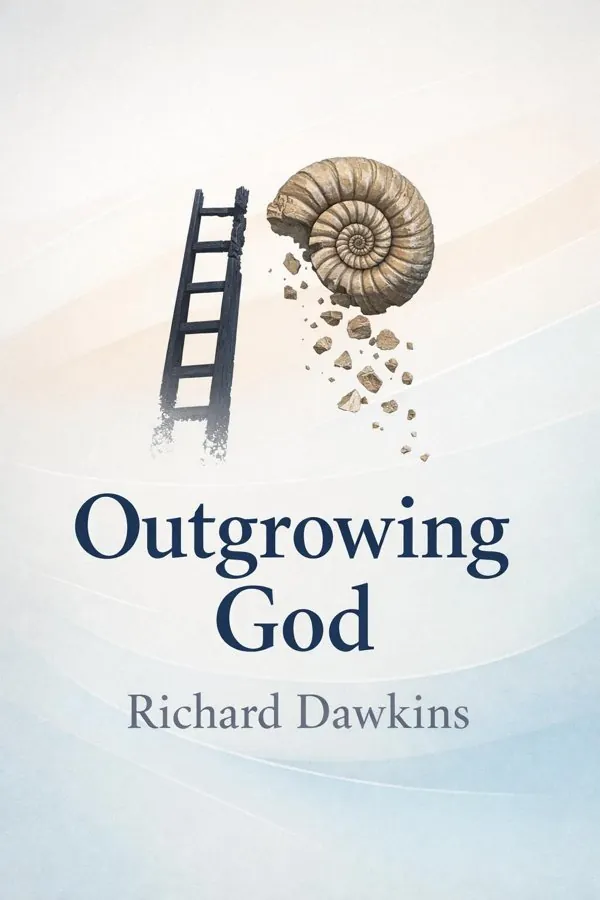
Outgrowing God: A Beginner’s Guide
Outgrowing God: A Beginner’s Guide is a 2019 book by evolutionary biologist Richard Dawkins. Written in accessible language, it explores questions about religion, morality, and science, aiming to help...
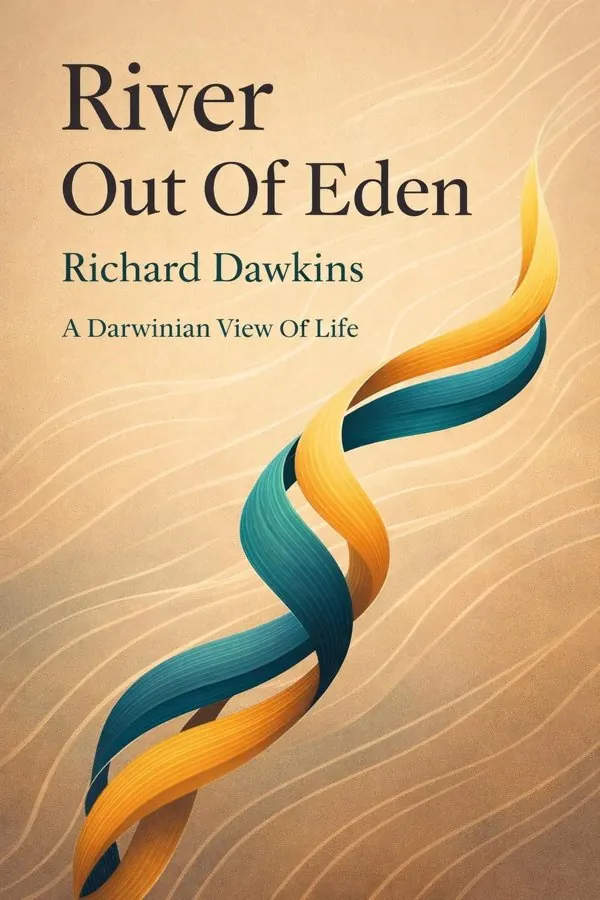
River Out Of Eden: A Darwinian View Of Life
River Out Of Eden is Richard Dawkins’s elegant, compact meditation on what life looks like when seen through Darwin’s lens. First published in 1995, the book argues that the living world is best under...
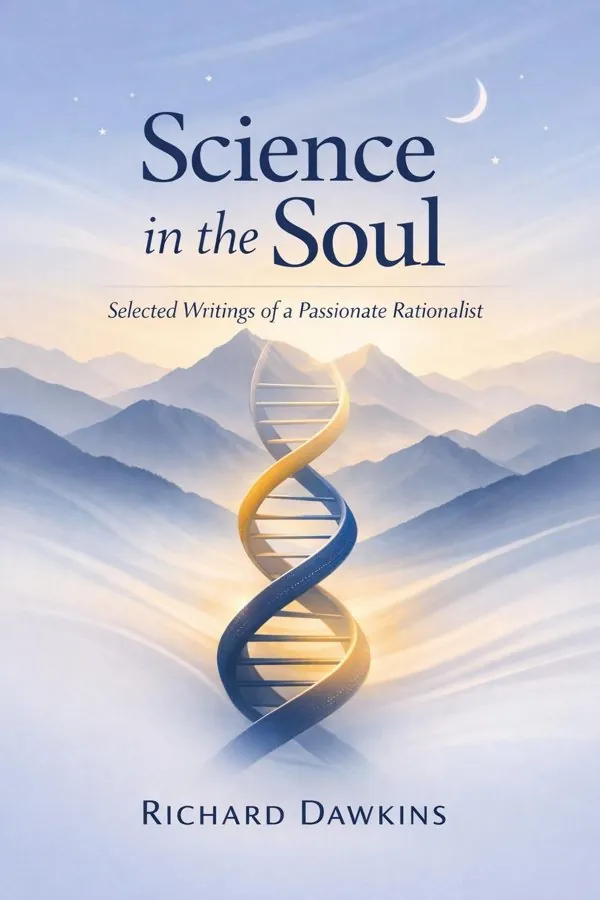
Science in the Soul: Selected Writings of a Passionate Rationalist
Science in the Soul es una colección de cuarenta y dos ensayos, discursos y artículos del biólogo evolutivo Richard Dawkins. En ellos, Dawkins defiende la racionalidad científica, la evidencia empíric...
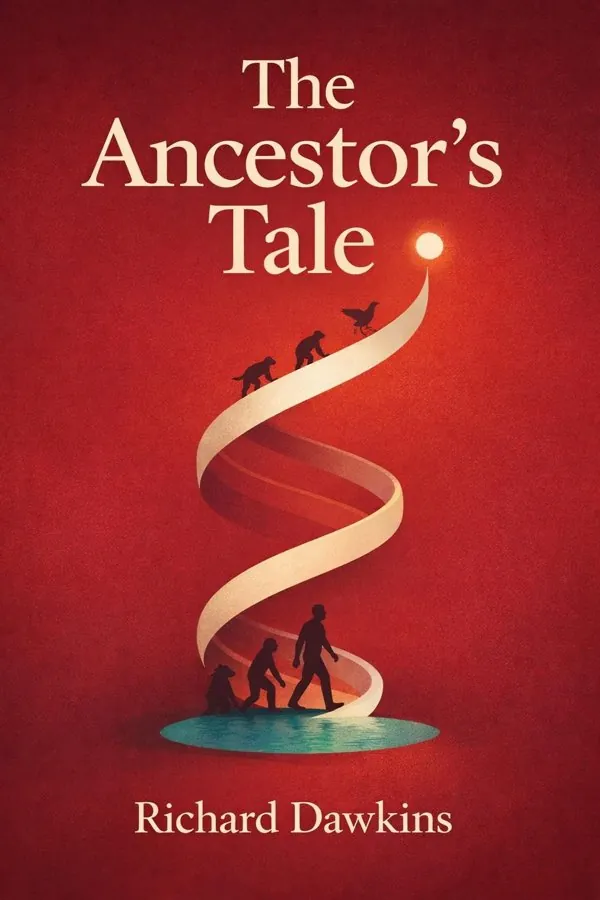
The Ancestor’s Tale: A Pilgrimage to the Dawn of Evolution
The Ancestor’s Tale is Richard Dawkins’s grand tour of evolution told in reverse: instead of beginning with the first life and moving forward, he starts with modern humans and travels backward through...

The Blind Watchmaker: Why the Evidence of Evolution Reveals a Universe Without Design
Richard Dawkins’s The Blind Watchmaker is one of the clearest and most forceful defenses of evolution by natural selection ever written for a general audience. Taking aim at the old claim that biologi...
The Extended Phenotype: The Gene as the Unit of Selection
What if an animal’s body is only the beginning of what its genes can build? In The Extended Phenotype, Richard Dawkins pushes evolutionary thinking beyond skin, feathers, fur, and bone. Expanding the ...
The Extended Phenotype: The Long Reach of the Gene
In this influential work, Richard Dawkins extends the concept of the gene-centered view of evolution introduced in his earlier book, The Selfish Gene. He argues that the effects of a gene are not conf...

The God Delusion
The God Delusion is a 2006 book by British evolutionary biologist Richard Dawkins, in which he argues that belief in a supernatural creator is an illusion. Dawkins examines the psychological and cultu...
The Greatest Show on Earth: The Evidence for Evolution
Richard Dawkins wrote The Greatest Show on Earth to answer a surprisingly persistent problem: many people have heard of evolution, but far fewer understand the sheer weight of evidence behind it. This...

The Magic of Reality: How We Know What's Really True
The Magic of Reality: How We Know What's Really True is a popular science book by British biologist Richard Dawkins, illustrated by Dave McKean. Originally published in 2011 by Bantam Press, the book ...
Unweaving the Rainbow: Science, Delusion and the Appetite for Wonder
Can scientific explanation deepen wonder rather than destroy it? In Unweaving the Rainbow, Richard Dawkins answers with a forceful yes. Taking aim at the old complaint that science drains mystery from...
Key Insights from Richard Dawkins
Genes Are Evolution’s Real Units
The most unsettling idea in the book is also the most clarifying: evolution does not primarily reward species, groups, or even individual organisms—it rewards whatever gets copied. Dawkins argues that genes are the most important units of selection because they persist across generations while bodie...
From The Selfish Gene
Replicators Build Bodies as Vehicles
Life becomes easier to understand once we separate two roles that are often confused: replicators and vehicles. Dawkins defines replicators as entities that make copies of themselves with enough fidelity, longevity, and fecundity to participate in natural selection. Genes are the central biological ...
From The Selfish Gene
Altruism Can Serve Selfish Genes
At first glance, altruism seems to contradict evolution. Why would natural selection favor behavior that helps others at a cost to oneself? Dawkins’s answer is one of the book’s most powerful contributions: genes can promote altruism when helping another organism indirectly helps copies of the same ...
From The Selfish Gene
Cooperation Evolves Through Repeated Exchange
Not all helpful behavior is directed toward relatives. One of the book’s most important insights is that cooperation can also emerge among non-kin when individuals interact repeatedly and can benefit from mutual exchange. This is the logic of reciprocal altruism: I help you now, and you help me late...
From The Selfish Gene
Parents and Offspring Have Conflicting Interests
Family life may look harmonious, but evolution predicts hidden tension inside it. Dawkins highlights a striking point: parents and offspring are genetically aligned, but not perfectly. A parent is equally related to all current and future children, while each individual offspring is most invested in...
From The Selfish Gene
Sexual Selection Favors Strategic Competition
Survival alone does not explain the shape of life; reproduction adds another layer of strategy. Dawkins shows that sexual selection can produce extravagant traits and complex behaviors because mating success is itself a target of evolution. Traits that improve reproductive opportunities may spread e...
From The Selfish Gene
About Richard Dawkins
Richard Dawkins is a British evolutionary biologist, ethologist, and author. He gained prominence with The Selfish Gene (1976), which introduced the concept of the meme and advanced the gene-centered view of evolution. Dawkins has written numerous influential books on science and atheism, including ...
Read more
Richard Dawkins is a British evolutionary biologist, ethologist, and author. He gained prominence with The Selfish Gene (1976), which introduced the concept of the meme and advanced the gene-centered view of evolution. Dawkins has written numerous influential books on science and atheism, including ...
Richard Dawkins is a British evolutionary biologist, ethologist, and author. He gained prominence with The Selfish Gene (1976), which introduced the concept of the meme and advanced the gene-centered view of evolution. Dawkins has written numerous influential books on science and atheism, including The Extended Phenotype and The God Delusion. He is a Fellow of the Royal Society and a prominent advocate for scientific literacy and secularism.


Frequently Asked Questions
Richard Dawkins is a British evolutionary biologist, ethologist, and author. He gained prominence with The Selfish Gene (1976), which introduced the concept of the meme and advanced the gene-centered view of evolution.
Read Richard Dawkins's books in 15 minutes
Get AI-powered summaries with key insights from 13 books by Richard Dawkins.