

Steven Pinker Books
Christopher Alexander (1936–2022) was a British-American architect and design theorist known for his influential works on architecture and urban design. He taught at the University of California, Berkeley, and authored seminal books such as A Pattern Language and The Timeless Way of Building, which have profoundly impacted architecture, software design, and systems thinking.
Known for: The Better Angels of Our Nature, Rationality: What It Is, Why It Seems Scarce, Why It Matters, Enlightenment Now, Enlightenment Now: The Case for Reason, Science, Humanism, and Progress, How the Mind Works, The Better Angels of Our Nature: Why Violence Has Declined, The Blank Slate: The Modern Denial of Human Nature, The Language Instinct: How the Mind Creates Language, The Sense of Style: The Thinking Person’s Guide to Writing in the 21st Century, The Stuff of Thought: Language as a Window into Human Nature, When Everyone Knows That Everyone Knows: Honest Signaling and the Foundations of Social Life, When Everyone Knows That Everyone Knows…
Books by Steven Pinker

The Better Angels of Our Nature
Violence feels omnipresent when it fills headlines, political speeches, and our social feeds. Yet Steven Pinker’s The Better Angels of Our Nature argues something startling: despite wars, crime, and c...

Rationality: What It Is, Why It Seems Scarce, Why It Matters
Why do smart people believe false things, make bad decisions, and fall for arguments that collapse under scrutiny? In Rationality, Steven Pinker tackles one of the most urgent questions of modern life...

Enlightenment Now
The Power of Now es una guía espiritual que invita al lector a descubrir la importancia de vivir plenamente en el momento presente. Eckhart Tolle explora cómo la mente y el ego crean sufrimiento y cóm...

Enlightenment Now: The Case for Reason, Science, Humanism, and Progress
Enlightenment Now is Steven Pinker’s ambitious defense of one of the most important ideas in modern history: that human life improves when societies are guided by reason, science, humanism, and open i...
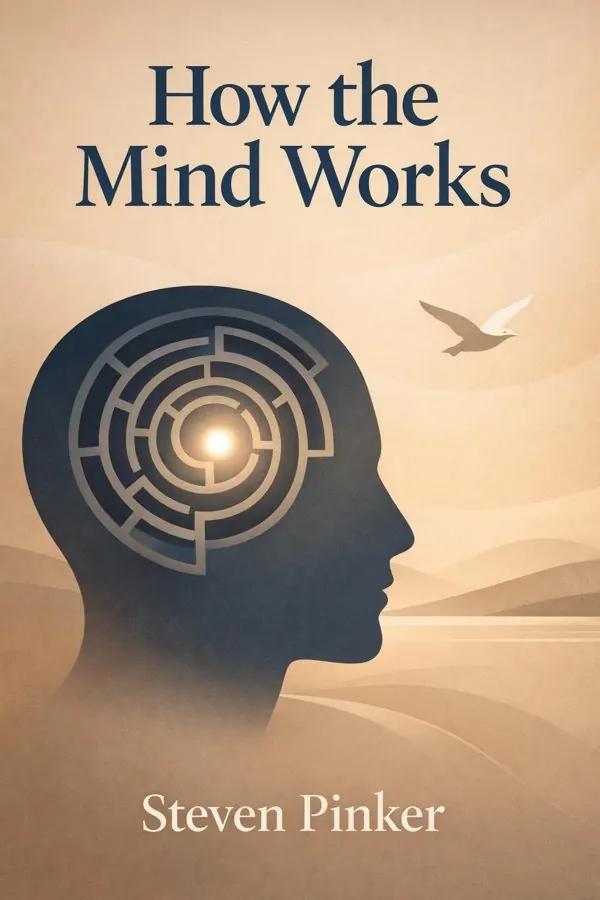
How the Mind Works
In this landmark work, cognitive scientist Steven Pinker explores the nature of human thought and behavior through the lens of evolutionary psychology and cognitive science. He examines how the mind e...

The Better Angels of Our Nature: Why Violence Has Declined
In this landmark work, cognitive scientist Steven Pinker argues that violence has been in decline over long stretches of history and that we are living in the most peaceful era of our species' existen...

The Blank Slate: The Modern Denial of Human Nature
What if some of our most cherished beliefs about equality, morality, education, and politics rest on a false idea about what human beings are? In The Blank Slate, Steven Pinker takes aim at the influe...
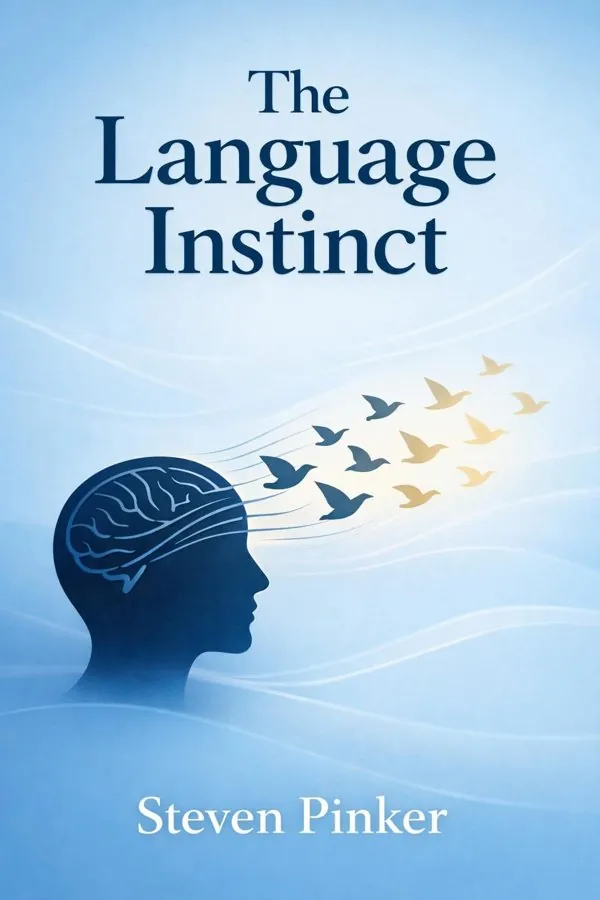
The Language Instinct: How the Mind Creates Language
In this groundbreaking work, cognitive scientist Steven Pinker argues that humans are born with an innate capacity for language. Drawing on research from linguistics, psychology, and evolutionary biol...
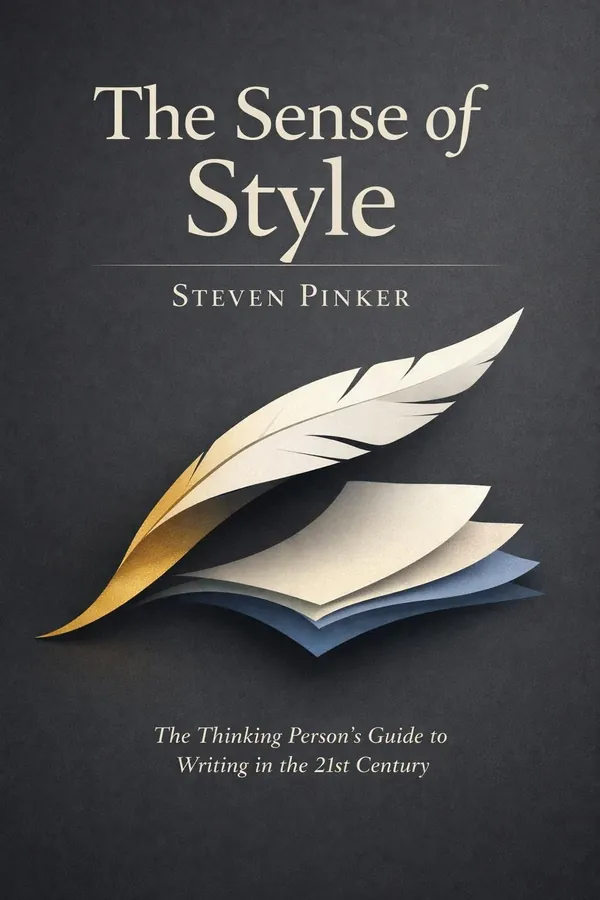
The Sense of Style: The Thinking Person’s Guide to Writing in the 21st Century
In this guide, renowned cognitive scientist and linguist Steven Pinker explores how good writing works and why it matters. Blending insights from grammar, clarity, and human psychology, Pinker demysti...

The Stuff of Thought: Language as a Window into Human Nature
What if ordinary conversation could reveal how the human mind is built? In The Stuff of Thought, Steven Pinker argues that language is not just a social tool for exchanging information. It is also a r...

When Everyone Knows That Everyone Knows: Honest Signaling and the Foundations of Social Life
This essay by cognitive scientist Steven Pinker explores the concept of common knowledge—situations in which everyone knows that everyone knows something—and its profound implications for human cooper...

When Everyone Knows That Everyone Knows…
A cognitive scientist explores the concept of "common knowledge"—the recursive awareness that everyone knows that everyone else knows—and its profound impact on human social life. The book applies gam...
Key Insights from Steven Pinker
Violence Has Declined Across History
One of the book’s most provocative insights is that our perception of violence is often shaped more by vivid images than by long-term reality. Pinker argues that if we step back from the emotional immediacy of the news and examine historical evidence, we find a broad and measurable decline in violen...
From The Better Angels of Our Nature
The Civilizing Process Tamed Impulses
A society becomes safer not only when laws punish violence, but when people internalize restraint. Pinker draws heavily on the idea of the “civilizing process,” first associated with Norbert Elias, to explain how centralized states and functioning institutions reduced everyday brutality. As kingdoms...
From The Better Angels of Our Nature
Human Nature Contains Better Angels
The book refuses a simple view of human beings as either innately savage or naturally peaceful. Pinker argues instead that human nature contains multiple psychological systems, some that can lead to violence and others that inhibit it. He describes inner “demons” such as predation, dominance, reveng...
From The Better Angels of Our Nature
The Humanitarian Revolution Expanded Compassion
Cruel practices often survive not because people fail to see suffering, but because they define some groups as outside the circle of concern. Pinker argues that one major decline in violence came through a “humanitarian revolution” in the Enlightenment era, when societies increasingly rejected tortu...
From The Better Angels of Our Nature
Rights Revolutions Reduced Everyday Brutality
Progress against violence is not limited to war and homicide; it also includes the shrinking acceptability of domination in daily life. Pinker highlights a series of “rights revolutions” that challenged the routine abuse of marginalized groups—women, children, racial minorities, sexual minorities, a...
From The Better Angels of Our Nature
Reason and Literacy Encourage Peace
Violence often thrives in narrow identities, short time horizons, and simplistic narratives. Pinker suggests that the spread of reason, education, and literacy has helped reduce violence by making people better able to imagine alternatives, calculate long-term interests, and understand the inner liv...
From The Better Angels of Our Nature
About Steven Pinker
Christopher Alexander (1936–2022) was a British-American architect and design theorist known for his influential works on architecture and urban design. He taught at the University of California, Berkeley, and authored seminal books such as A Pattern Language and The Timeless Way of Building, which ...
Read more
Christopher Alexander (1936–2022) was a British-American architect and design theorist known for his influential works on architecture and urban design. He taught at the University of California, Berkeley, and authored seminal books such as A Pattern Language and The Timeless Way of Building, which ...
Christopher Alexander (1936–2022) was a British-American architect and design theorist known for his influential works on architecture and urban design. He taught at the University of California, Berkeley, and authored seminal books such as A Pattern Language and The Timeless Way of Building, which have profoundly impacted architecture, software design, and systems thinking.


Frequently Asked Questions
Christopher Alexander (1936–2022) was a British-American architect and design theorist known for his influential works on architecture and urban design. He taught at the University of California, Berkeley, and authored seminal books such as A Pattern Language and The Timeless Way of Building, which have profoundly impacted architecture, software design, and systems thinking.
Read Steven Pinker's books in 15 minutes
Get AI-powered summaries with key insights from 12 books by Steven Pinker.