
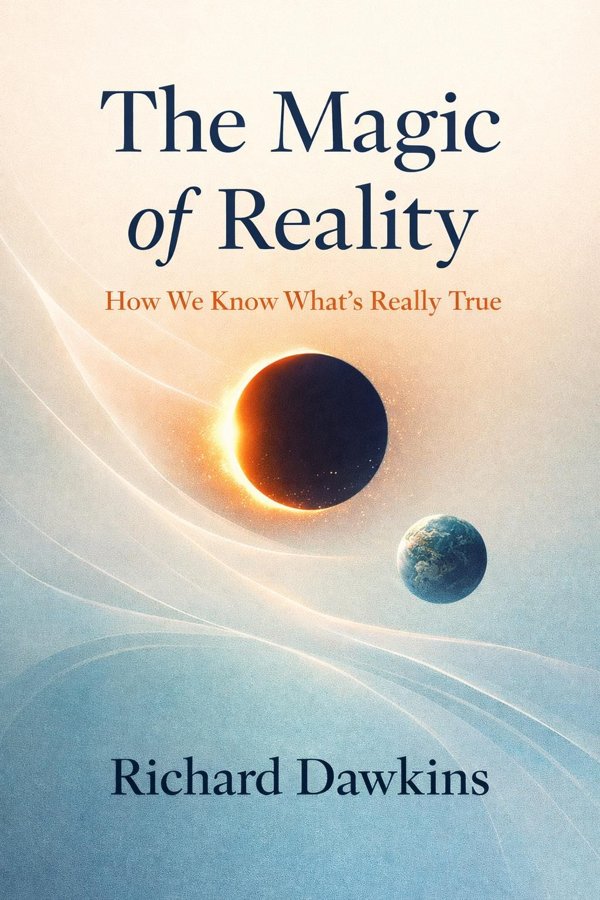
The Magic of Reality: How We Know What's Really True: Summary & Key Insights
 10 min6 chaptersAudio available
What Is The Magic of Reality: How We Know What's Really True About?
The Magic of Reality: How We Know What's Really True by Richard Dawkins is a popular_sci book spanning 6 pages. The Magic of Reality: How We Know What's Really True is a popular science book by British biologist Richard Dawkins, illustrated by Dave McKean. Originally published in 2011 by Bantam Press, the book explores natural phenomena and the scientific explanations behind what has traditionally been considered magical or mysterious. Dawkins presents complex scientific concepts in an accessible way, using examples from myths and legends to contrast scientific reality with supernatural beliefs.
This FizzRead summary covers all 6 key chapters of The Magic of Reality: How We Know What's Really True in approximately 10 minutes, distilling the most important ideas, arguments, and takeaways from Richard Dawkins's work. Also available as an audio summary and Key Quotes Podcast.
The Magic of Reality: How We Know What's Really True
The Magic of Reality: How We Know What's Really True is a popular science book by British biologist Richard Dawkins, illustrated by Dave McKean. Originally published in 2011 by Bantam Press, the book explores natural phenomena and the scientific explanations behind what has traditionally been considered magical or mysterious. Dawkins presents complex scientific concepts in an accessible way, using examples from myths and legends to contrast scientific reality with supernatural beliefs.
Who Should Read The Magic of Reality: How We Know What's Really True?
This book is perfect for anyone interested in popular_sci and looking to gain actionable insights in a short read. Whether you're a student, professional, or lifelong learner, the key ideas from The Magic of Reality: How We Know What's Really True by Richard Dawkins will help you think differently.
- ✓Readers who enjoy popular_sci and want practical takeaways
- ✓Professionals looking to apply new ideas to their work and life
- ✓Anyone who wants the core insights of The Magic of Reality: How We Know What's Really True in just 10 minutes
Want the full summary?
Get instant access to this book summary and 100K+ more with Fizz Moment.
Get Free SummaryAvailable on App Store • Free to download
Key Chapters
Every society has myths. They are our species’ earliest attempts to explain the mysteries of existence. The Aztecs saw the sun as a god reborn every morning; the Norse pictured thunder as the hammering of Thor; the Greeks told of Prometheus stealing fire from Olympus. Myths are poetic, and they embody our ancestors’ need to find meaning in the patterns of the world.
But once we move beyond myth, we find that science offers not just stories, but explanations that can be tested and verified. Science begins where myth leaves off—with the questions that can be asked again and again, yielding the same answers no matter who does the asking. It relies on evidence, not authority; on discovery, not dogma. That, to me, is where its true magic lies.
When we use scientific reasoning, we recognize our place in a continuum of thinkers who have gradually peeled back the layers of mystery. The myths were a start; science picked up the thread and wove something greater. The wonder that inspired those first stories still lives on—only now, it is enlightened by understanding.
Across the world, people once imagined creation in vivid stories—the Hindu god Vishnu dreaming the universe, the Bible’s God speaking light into existence, the Maori gods separating earth and sky with their hands. These tales capture humanity’s first philosophical courage: daring to ask where everything came from.
Science picks up this question and answers it with one of the most astonishing facts we know: the universe began roughly 13.8 billion years ago in what we call the Big Bang. In that initial moment, all the matter and energy that would ever exist were compressed into a minuscule point. There was no ‘before’—time itself began then. As space expanded, the universe cooled, and the first atoms formed. Over billions of years, gravity sculpted clouds of hydrogen and helium into stars and galaxies. Every atom in our bodies was once forged in such a star.
There is profound poetry in this scientific vision. It is not the poetry of myth, but of truth: we are literally made of stardust. The scientific explanation does not reduce the grandeur of creation—it magnifies it, revealing the universe not as the product of magic words, but as the self-unfolding story of matter becoming aware of itself.
+ 4 more chapters — available in the FizzRead app
All Chapters in The Magic of Reality: How We Know What's Really True
About the Author
Richard Dawkins is a British evolutionary biologist known for his work in science communication and for authoring influential books such as 'The Selfish Gene' and 'The God Delusion'. He has served as a professor at the University of Oxford and is recognized for his advocacy of rational thought and scientific skepticism.
Get This Summary in Your Preferred Format
Read or listen to the The Magic of Reality: How We Know What's Really True summary by Richard Dawkins anytime, anywhere. FizzRead offers multiple formats so you can learn on your terms — all free.
Available formats: App · Audio · PDF · EPUB — All included free with FizzRead
Download The Magic of Reality: How We Know What's Really True PDF and EPUB Summary
Key Quotes from The Magic of Reality: How We Know What's Really True
“They are our species’ earliest attempts to explain the mysteries of existence.”
“These tales capture humanity’s first philosophical courage: daring to ask where everything came from.”
Frequently Asked Questions about The Magic of Reality: How We Know What's Really True
The Magic of Reality: How We Know What's Really True by Richard Dawkins is a popular_sci book that explores key ideas across 6 chapters. The Magic of Reality: How We Know What's Really True is a popular science book by British biologist Richard Dawkins, illustrated by Dave McKean. Originally published in 2011 by Bantam Press, the book explores natural phenomena and the scientific explanations behind what has traditionally been considered magical or mysterious. Dawkins presents complex scientific concepts in an accessible way, using examples from myths and legends to contrast scientific reality with supernatural beliefs.
More by Richard Dawkins
You Might Also Like

Structures: Or Why Things Don"t Fall Down
J.E. Gordon
10 min
The Road to Wigan Pier
George Orwell
10 min
Bonk: The Curious Coupling of Science and Sex
Mary Roach
10 min
First Bite: How We Learn to Eat
Bee Wilson
10 min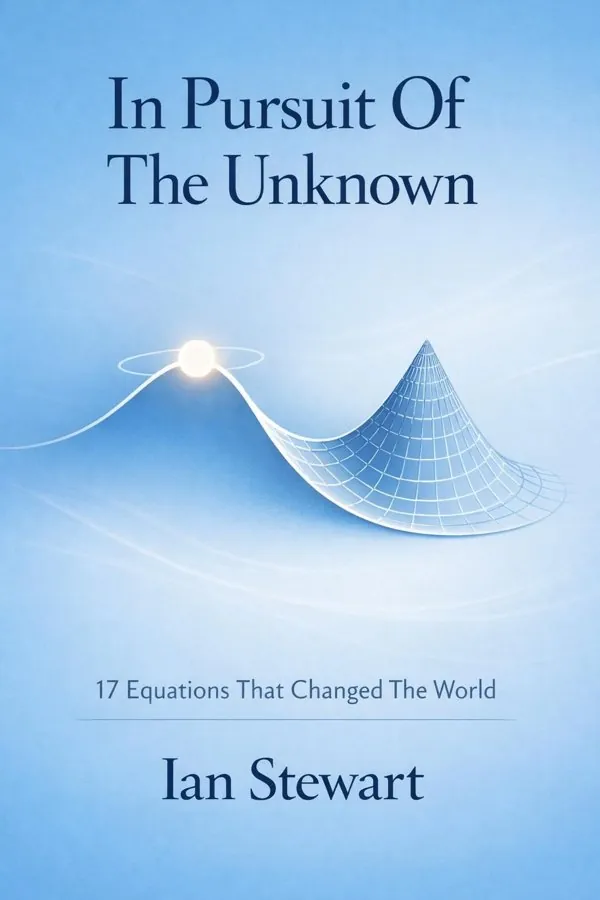
In Pursuit Of The Unknown: 17 Equations That Changed The World
Ian Stewart
10 min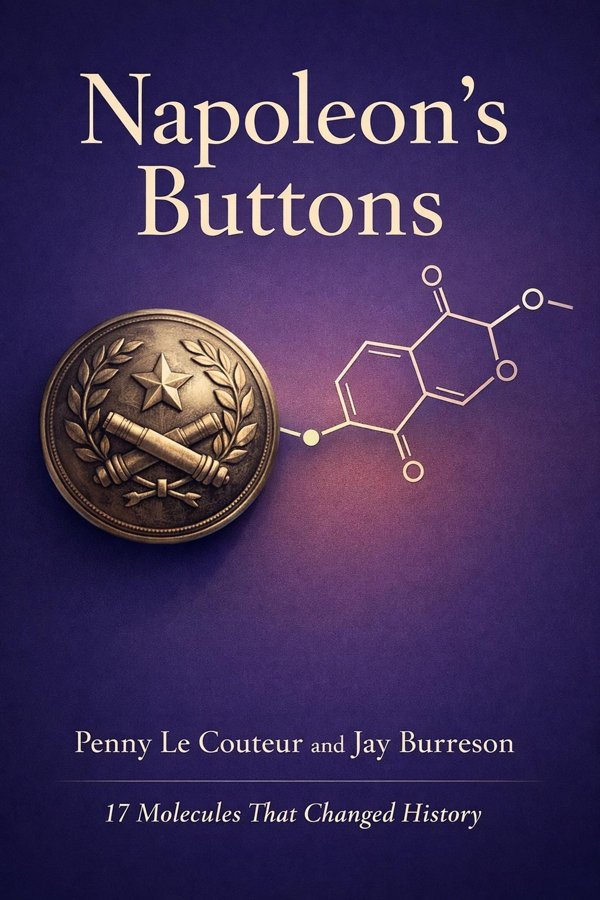
Napoleon's Buttons: 17 Molecules That Changed History
Penny Le Couteur and Jay Burreson
10 minBrowse by Category
Ready to read The Magic of Reality: How We Know What's Really True?
Get the full summary and 100K+ more books with Fizz Moment.