
Best History Books — Understanding Our Past to Shape the Future
History is about people, ideas, and decisions that shaped our world. These books make history vivid, relevant, and impossible to put down.
 10 min read
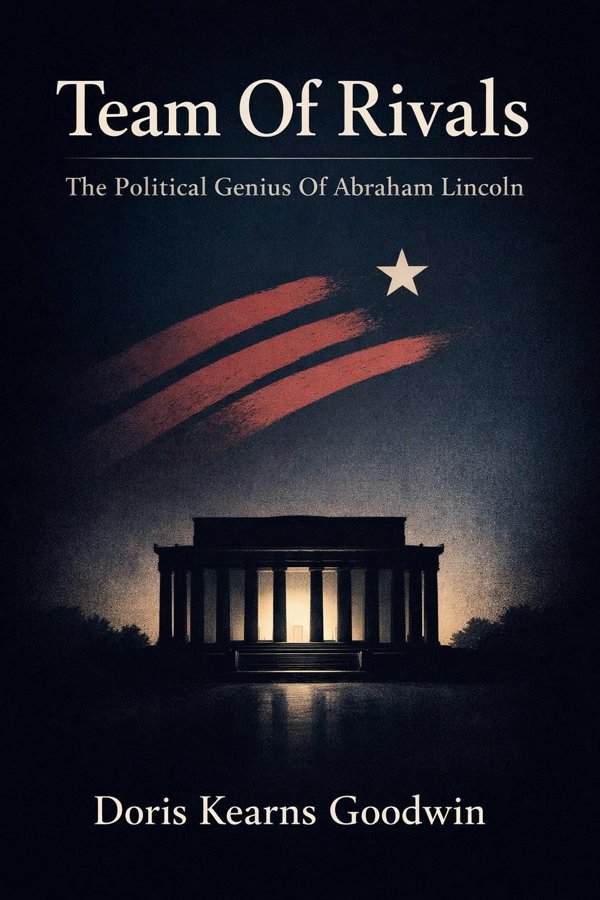
Team of Rivals
by Doris Kearns Goodwin
Team of Rivals by Doris Kearns Goodwin is a sweeping historical biography that examines how Abraham Lincoln rose from relative obscurity to become one of America’s greatest presidents by surrounding himself with strong-willed political opponents. Rather than choosing comfort, loyalty, or flattery, Lincoln built a cabinet that included the very men he had defeated for the Republican nomination in 1860. Goodwin shows how this unusual decision became one of his greatest strengths during the nation’s darkest crisis: the Civil War. The book is not only a portrait of Lincoln’s leadership, but also an exploration of ambition, ego, conflict, persuasion, and moral growth in public life. It matters because it reveals that effective leadership is rarely about dominating others; it is often about understanding them, channeling their talents, and holding a fractured coalition together under extreme pressure. Goodwin brings exceptional authority to the subject as a Pulitzer Prize-winning historian known for making complex political history vivid, human, and deeply relevant. Her account turns a familiar president into a living example of emotional intelligence, humility, and strategic courage.
Key Takeaways
- 1Great leaders welcome powerful rivals — A weak leader collects admirers; a strong leader recruits competitors. One of the most striking insights in Team of Riva…
- 2Emotional intelligence can outweigh pedigree — Brilliance opens doors, but emotional balance determines what happens after you enter. Goodwin contrasts Lincoln with ma…
- 3Ambition must be harnessed, not erased — Ambition is dangerous only when it has no worthy outlet. Team of Rivals presents a political world overflowing with ego,…
 10 min read
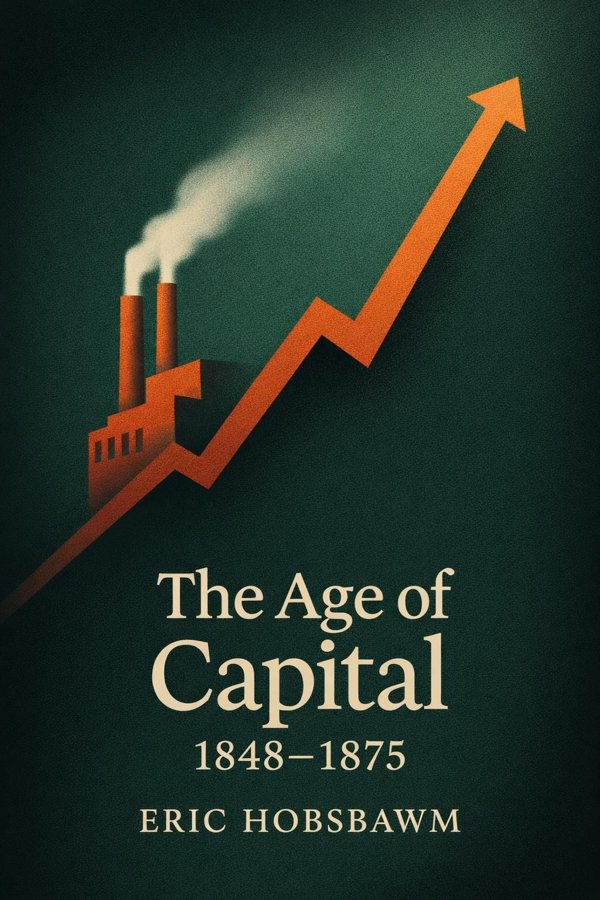
The Age of Capital
by Eric Hobsbawm
The Age of Capital: 1848–1875 is Eric Hobsbawm’s sweeping account of the decades in which capitalism moved from disruptive force to organizing principle of the modern world. Beginning in the aftermath of the failed revolutions of 1848, Hobsbawm shows how political instability gave way to a new kind of order—one shaped by industrial growth, bourgeois confidence, expanding markets, and the belief that progress was both inevitable and desirable. This was the era of railways, free trade, finance, urbanization, scientific optimism, and middle-class ascendancy, but it was also a period marked by class conflict, inequality, colonial expansion, and the sharpening contradictions of liberal society. What makes the book so powerful is that Hobsbawm never treats economics, politics, and culture as separate stories. He reveals how they formed a single historical system. As one of the twentieth century’s most influential historians, Hobsbawm brings extraordinary range and clarity to this period, making the book essential for anyone who wants to understand how the modern capitalist world was built—and why its promises were always entangled with tension and crisis.
Key Takeaways
- 1Order Replaced the Spirit of Revolution — History often advances not only through victories, but through the consequences of defeat. Hobsbawm argues that the revo…
- 2Industrial Capitalism Entered Its Heroic Age — Prosperity can feel natural in retrospect, but Hobsbawm reminds us that the mid-nineteenth century witnessed an extraord…
- 3The Bourgeoisie Became Society’s Ruling Class — A class truly rules when its values become common sense. One of Hobsbawm’s central insights is that the age was not defi…
 10 min read
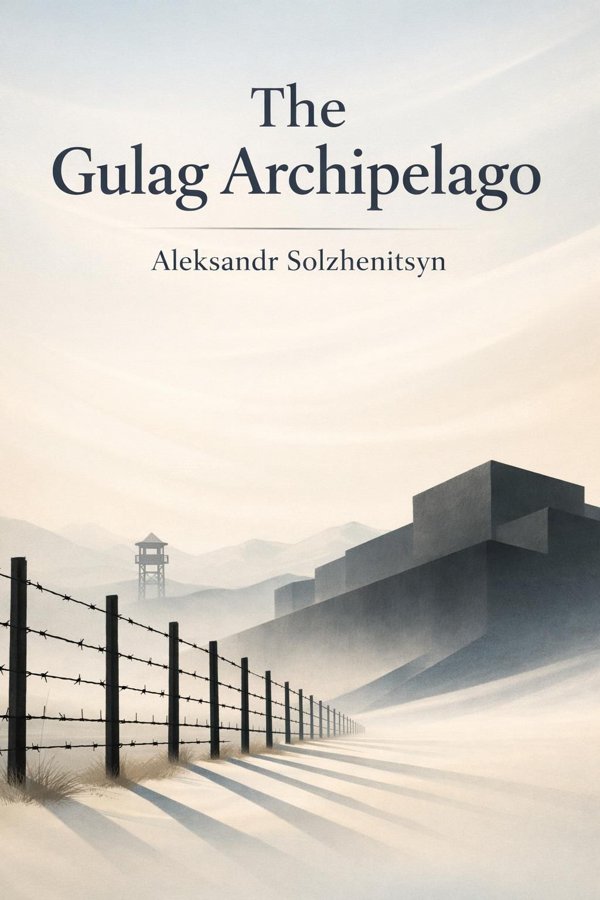
The Gulag Archipelago
by Aleksandr Solzhenitsyn
The Gulag Archipelago is one of the most powerful works ever written about state violence, ideological fanaticism, and the destruction of human dignity. In this vast literary investigation, Aleksandr Solzhenitsyn maps the hidden world of the Soviet prison and labor camp system: the arrests in the middle of the night, the fabricated charges, the interrogations, the transport convoys, the slave labor, and the moral corrosion that spread far beyond the camps themselves. The “archipelago” of the title refers to a chain of prisons, transit points, and camps scattered across the Soviet Union, linked not by geography but by terror. What makes the book extraordinary is the authority behind it. Solzhenitsyn writes not as an outside commentator, but as a former prisoner who endured the system himself and gathered testimony from hundreds of other survivors. He combines memoir, history, moral reflection, and documentary evidence to show how an entire political order normalized lies and cruelty. First published in the West in 1973, The Gulag Archipelago changed how the world understood the Soviet regime. It remains essential not only as a record of suffering, but as a warning about what happens when power escapes moral limits.
Key Takeaways
- 1Arrest Begins the Descent — A totalitarian system often reveals itself in a single knock at the door. Solzhenitsyn begins with arrest because this i…
- 2Interrogation Turns Truth Into Theater — When a regime no longer seeks truth, confession becomes a political performance. Solzhenitsyn describes interrogation as…
- 3The Journey Dehumanizes Before Arrival — Long before prisoners reached the camps, the system had already begun reducing them to cargo. Solzhenitsyn’s description…
 10 min read
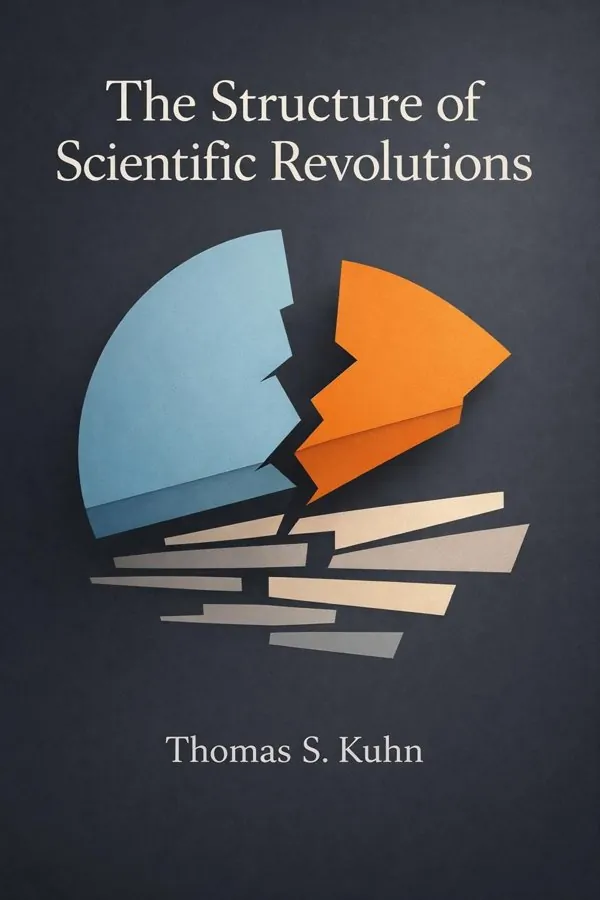
The Structure of Scientific Revolutions
by Thomas S. Kuhn
What if science does not advance mainly by steadily piling up facts, but by periodically overturning its own deepest assumptions? In The Structure of Scientific Revolutions, Thomas S. Kuhn challenged the traditional picture of science as a linear march toward truth and replaced it with a far more dynamic account. He argues that scientific fields are organized around paradigms: shared frameworks that shape what researchers study, how they interpret evidence, and what counts as a legitimate solution. Most of the time, scientists work within these frameworks in periods of “normal science.” But when persistent anomalies accumulate, confidence weakens, crises emerge, and eventually a scientific revolution may install a new paradigm. First published in 1962, Kuhn’s book transformed the philosophy and history of science. Its language, especially the phrase “paradigm shift,” entered culture far beyond academia because it captures a universal pattern of change in ideas, institutions, and worldviews. Kuhn wrote with rare authority, drawing on both scientific training and historical scholarship. The result is a landmark work that helps readers understand not only how science changes, but how human communities decide what counts as reality, reason, and progress.
Key Takeaways
- 1Normal Science Solves Approved Puzzles — Scientific work is often less about wild originality than disciplined problem-solving inside an accepted framework. Kuhn…
- 2Paradigms Shape What Scientists Can See — We do not simply observe the world; we observe it through concepts we have learned. Kuhn’s idea of a paradigm is therefo…
- 3Anomalies Begin Where Confidence Weakens — Breakthroughs often begin as irritations. During normal science, not every mismatch between theory and reality causes al…
 10 min read
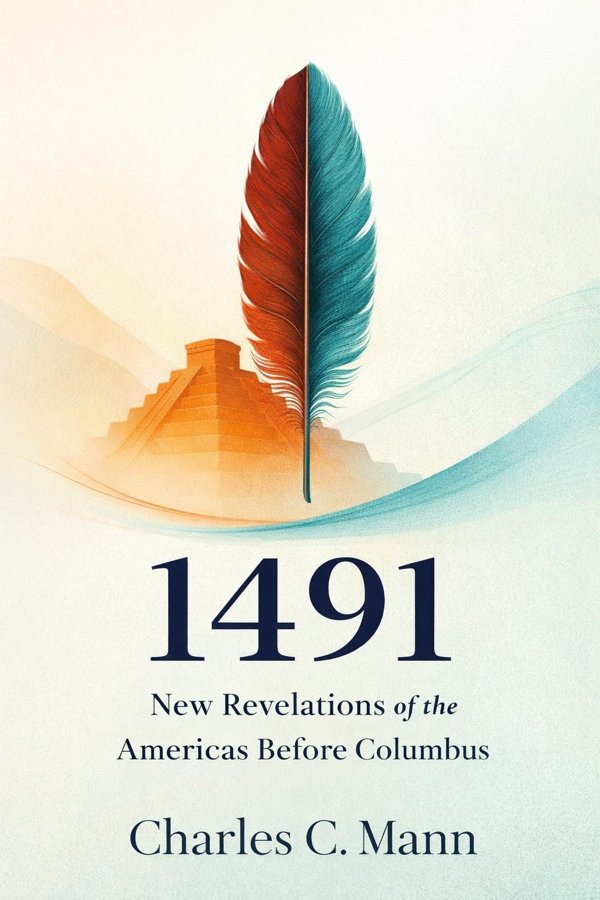
1491: New Revelations of the Americas Before Columbus
by Charles C. Mann
Charles C. Mann’s 1491 is a powerful rethinking of the pre-Columbian Americas. Drawing on archaeology, anthropology, ecology, genetics, and early colonial accounts, Mann challenges the old idea that the Western Hemisphere in 1492 was a sparsely populated, largely untouched wilderness inhabited by small, isolated groups. Instead, he presents a continent shaped by millions of people, complex societies, long-distance trade, political innovation, and deliberate environmental management. From the cities of Mesoamerica to the engineered landscapes of Amazonia and the agricultural achievements of North America, Mann reveals a world far richer and more dynamic than conventional history once allowed. What makes the book so important is not just its revision of the past, but its lesson about how history gets made. Much of what later Europeans described as “empty land” had been emptied by disease, warfare, and social collapse that followed contact. Mann, an accomplished journalist with a talent for translating scientific debate into vivid narrative, guides readers through competing theories with clarity and intellectual honesty. The result is a deeply engaging book that changes how we see indigenous history, colonialism, and the human relationship with the environment.
Key Takeaways
- 1A New World Was Never Empty — The most dangerous historical myths are often the ones that feel obvious. For centuries, many readers were taught to ima…
- 2Numbers from Nowhere Changed Everything — Population estimates are not dry statistics; they determine the scale of history. One of Mann’s most consequential argum…
- 3Very Old Bones, New Origin Stories — A single skeleton can overturn an entire worldview. In examining the first peopling of the Americas, Mann enters one of …
 10 min read
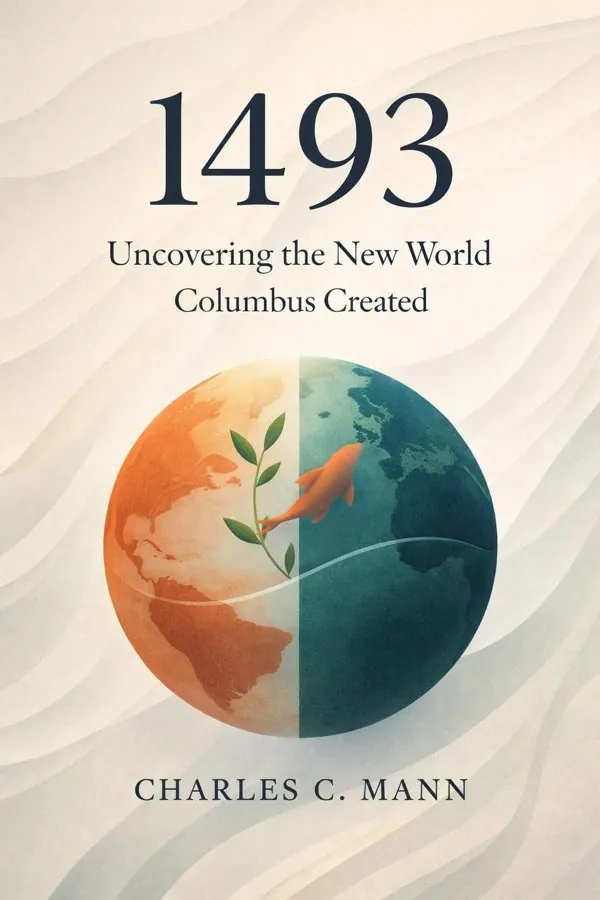
1493: Uncovering the New World Columbus Created
by Charles C. Mann
Charles C. Mann’s 1493 is not simply a book about Christopher Columbus or the age of exploration. It is a sweeping account of how the meeting of the Old World and the New World triggered one of the greatest transformations in human history. Mann argues that after 1492, plants, animals, microbes, people, commodities, and ideas began moving across oceans at a scale never seen before, creating the foundations of the modern globalized world. The result was not just conquest or trade, but a deep reshaping of ecosystems, economies, diets, labor systems, and empires on every continent. What makes this book so powerful is Mann’s ability to connect large historical forces with vivid, concrete stories: silver from the Americas flowing into China, African slavery powering plantation economies, tobacco and sugar changing land use, and invasive species remaking entire landscapes. A seasoned journalist and the acclaimed author of 1491, Mann brings together environmental history, economics, epidemiology, and political history with rare clarity. 1493 matters because it shows that globalization did not begin in the internet age. It began when previously isolated worlds collided, and we are still living with the consequences.
Key Takeaways
- 1The Atlantic Became History’s First Global Hub — A coastline can become a turning point in human history. Mann begins by showing that Columbus’s voyage did more than con…
- 2Ecological Exchange Remade Entire Continents — History is often told through kings, battles, and treaties, but Mann insists that seeds, pigs, weeds, and microbes can b…
- 3American Crops Fed the Rise of Empires — A humble tuber can change the fate of nations. Mann shows that crops from the Americas did not merely enrich global cuis…
 10 min read
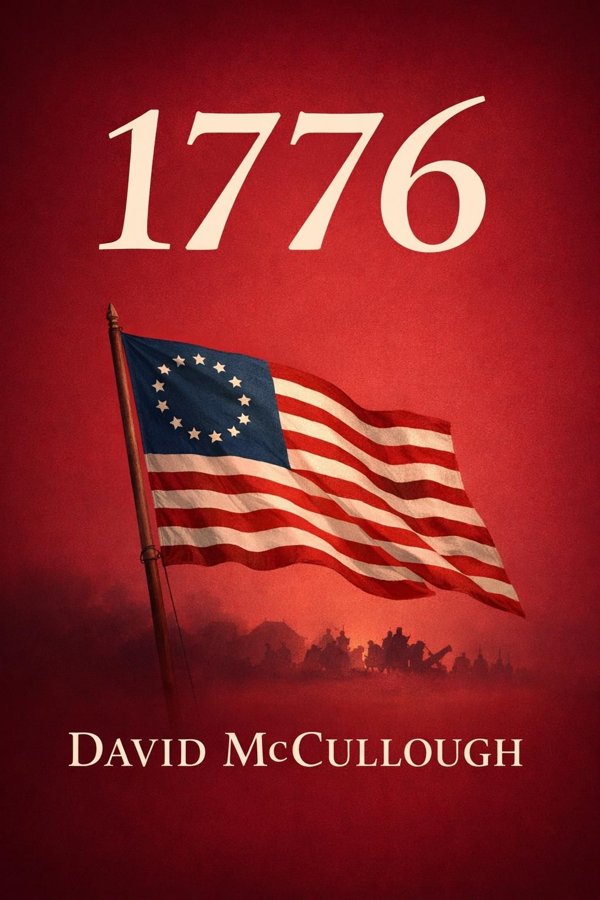
1776
by David McCullough
David McCullough��s 1776 is a vivid, fast-moving history of the year in which the American Revolution nearly failed before it found its footing. Rather than treating independence as an inevitable triumph, McCullough restores the uncertainty, fear, confusion, and sheer contingency of events. He follows George Washington, the Continental Army, the British high command, Congress, and ordinary soldiers through a year marked by desperation as much as hope. The result is not simply a military chronicle, but a human story about leadership under pressure, endurance in defeat, and the fragile beginnings of a nation. What makes the book so powerful is its insistence that history is made by flawed people operating with incomplete information. Washington appears not as a marble hero, but as a determined commander learning under fire. The soldiers are shown as exhausted, hungry, often frightened men whose perseverance mattered as much as grand political ideals. McCullough, one of America’s most respected historians and a two-time Pulitzer Prize winner, grounds the narrative in letters, diaries, and official records, giving the year extraordinary immediacy. 1776 matters because it reminds us that great turning points are rarely secure while they are happening.
Key Takeaways
- 1Boston Revealed War’s True Stakes — Revolutions often begin in rhetoric but are decided in grim reality. McCullough opens 1776 with Boston under siege, wher…
- 2Washington Had to Learn Fast — Great leaders are not always fully formed when history calls on them. One of McCullough’s central achievements is to por…
- 3Independence Required More Than Declaration — A declaration can announce a cause, but it cannot defend it. In 1776, the Continental Congress adopted the Declaration o…
 10 min read
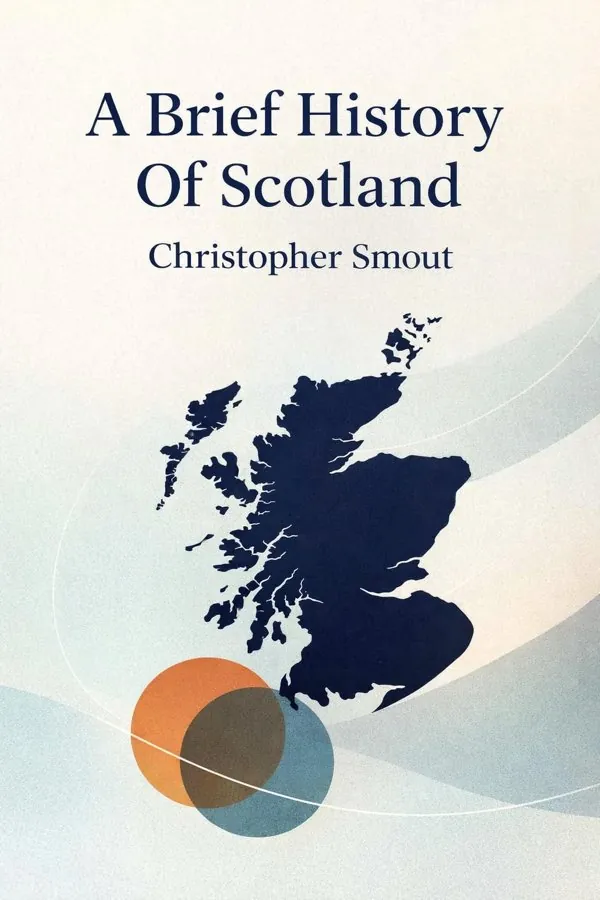
A Brief History Of Scotland
by Christopher Smout
A Brief History Of Scotland is a compact but richly illuminating account of how a small northern nation developed a remarkably durable identity across centuries of political upheaval, economic reinvention, religious conflict, and cultural change. In this accessible survey, Christopher Smout traces Scotland from its prehistoric settlements and early kingdoms to the medieval wars of independence, the Reformation, the Union with England, industrial expansion, imperial involvement, and the complex realities of modern devolution. What makes the book especially valuable is that it does not treat Scotland as a side note to British history. Instead, it shows Scotland as a historical actor in its own right, shaped by geography, local institutions, global trade, faith, war, and the choices of ordinary people as much as kings and ministers. Smout writes with the authority of one of Scotland’s most respected historians, widely known for his work on economic, social, and environmental history. The result is a concise narrative that helps readers understand not only what happened in Scotland, but why those developments still matter for questions of identity, statehood, class, memory, and nationhood today.
Key Takeaways
- 1Landscape Shaped the First Scots — A nation often begins as an environment before it becomes an idea. Smout starts with the physical world of Scotland: mou…
- 2Alba Emerged From Many Peoples — National origins are usually messier than patriotic myths suggest. Smout treats the formation of the Scottish kingdom no…
- 3Medieval Kingship Was Never Fully Secure — Power in medieval Scotland was less a possession than a continuous negotiation. As the kingdom matured, its rulers tried…
 10 min read
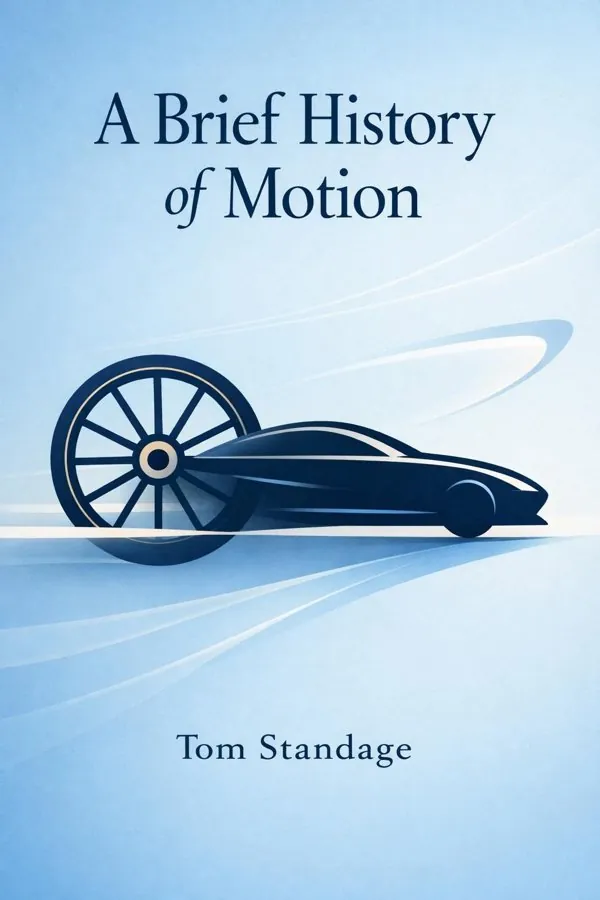
A Brief History of Motion: From the Wheel, to the Car, to What Comes Next
by Tom Standage
A Brief History of Motion explores 5,500 years of human transportation, from the invention of the wheel to the rise of the automobile and the uncertain future of mobility. Tom Standage examines how innovations in motion have shaped societies, economies, and the environment, offering a sweeping narrative that connects ancient technologies to modern challenges such as urban congestion and climate change.
Key Takeaways
- 1The Invention of the Wheel — The story begins in Mesopotamia around 3500 BCE, where the simple, circular disk became one of humankind’s greatest inve…
- 2Animal Power and Ancient Mobility — After wheels came another leap: the domestication of animals that multiplied human range and speed. Horses, camels, and …
- 3The Age of Roads and Carriages
 10 min read
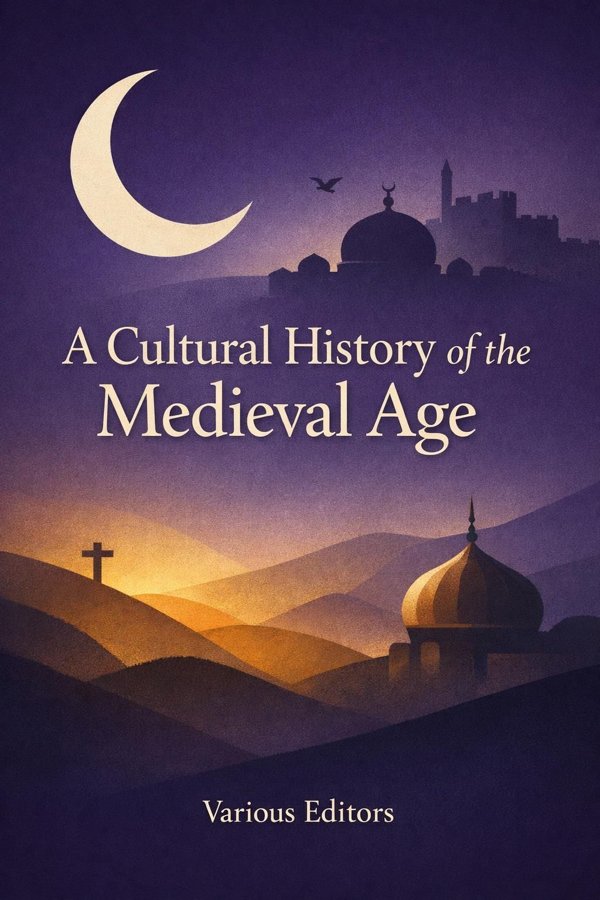
A Cultural History of the Medieval Age
by Various Editors
This volume explores the cultural, intellectual, and social developments of the medieval world, spanning roughly from the 5th to the 15th century. It examines themes such as religion, art, politics, and daily life across Europe, the Middle East, and Asia, offering a comparative perspective on how medieval societies understood and expressed their worldviews.
Key Takeaways
- 1The Structure of Power — In the medieval world, power was not an abstract concept—it was the living skeleton upon which societies organized their…
- 2Religion and Belief — Faith was the soul of the medieval world. Christianity in Europe, Islam in the Middle East, Buddhism and other tradition…
- 3The Medieval City and Rural Life
 10 min read
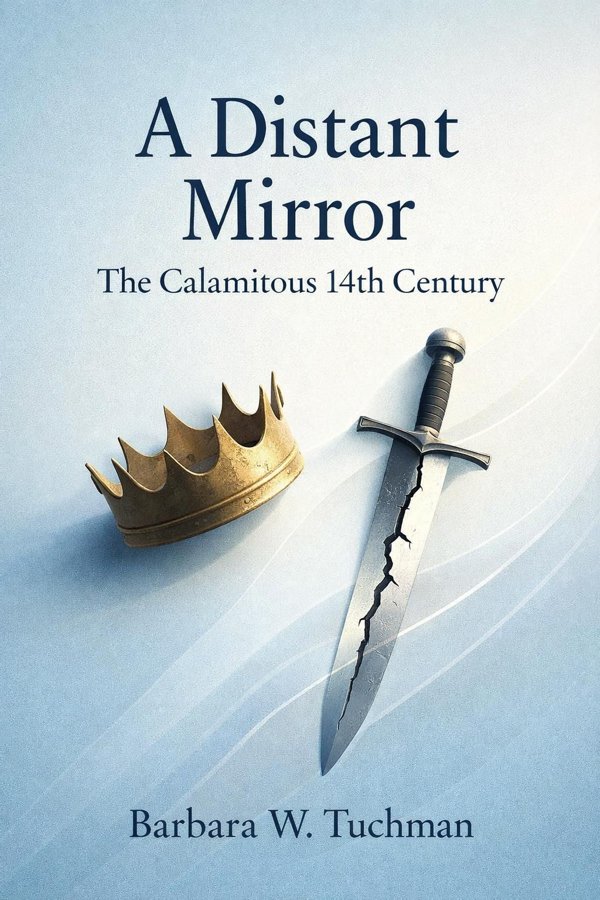
A Distant Mirror: The Calamitous 14th Century
by Barbara W. Tuchman
Barbara W. Tuchman’s A Distant Mirror: The Calamitous 14th Century is far more than a history of medieval Europe. It is a sweeping portrait of a civilization under pressure, an age marked by war, plague, religious fracture, social unrest, and political instability. Using the life of the French nobleman Enguerrand VII de Coucy as her narrative thread, Tuchman turns a remote century into a vivid human drama populated by kings, peasants, mercenaries, popes, and rebels. Through Coucy’s world, she examines the Hundred Years’ War, the Black Death, the Papal Schism, the fading ideals of chivalry, and the deep transformations that reshaped European society. What makes this book endure is its unsettling relevance. Tuchman does not treat the 14th century as a dead past; she presents it as a mirror reflecting recurring patterns of fear, violence, institutional failure, and human resilience. Her authority comes from masterful research paired with rare narrative skill: she explains complex structures without losing sight of individual lives. For readers of history, politics, or culture, this book offers both a gripping story and a sobering reminder that crisis is often the condition through which societies reveal their true character.
Key Takeaways
- 1Feudal Order Shaped Every Human Relationship — A society does not begin with ideas; it begins with the structure of obligation. Tuchman shows that to understand the 14…
- 2The Hundred Years’ War Remade Europe — Wars are often remembered as dates and battles, but Tuchman reveals them as long processes that reshape society from the…
- 3The Black Death Exposed Human Vulnerability — Nothing strips away illusions of control faster than plague. In one of the book’s most unforgettable sections, Tuchman p…
 10 min read
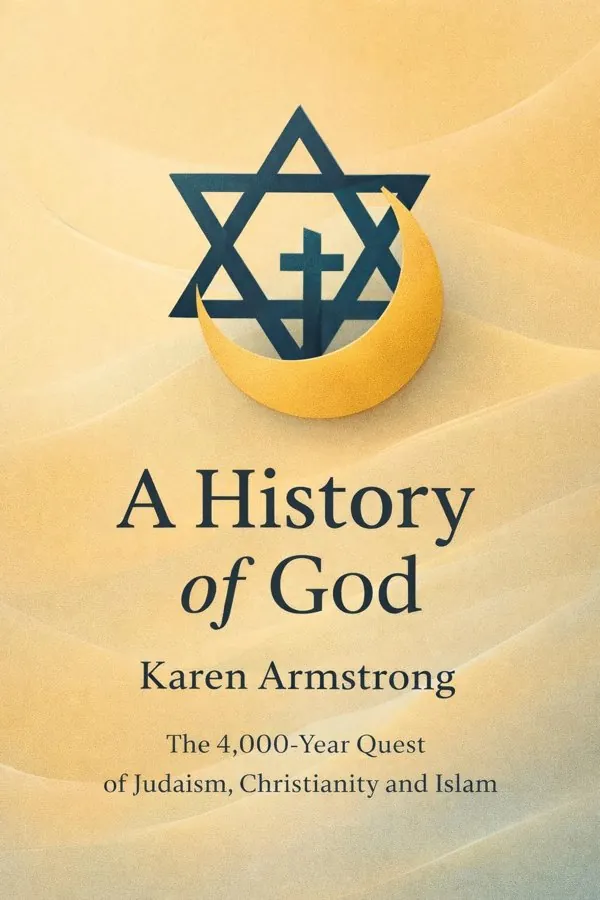
A History of God: The 4,000-Year Quest of Judaism, Christianity and Islam
by Karen Armstrong
This book explores the evolution of the concept of God in the three major monotheistic religions—Judaism, Christianity, and Islam—over a span of four millennia. Karen Armstrong traces how human understanding of the divine has changed from ancient times through modern theology, examining philosophical, mystical, and cultural influences that shaped religious thought.
Key Takeaways
- 1Early Monotheism — In the earliest records of the Middle East—among Sumerians, Babylonians, and Canaanites—the divine world was teeming wit…
- 2Prophetic Reform — The Hebrew prophets—Amos, Hosea, Isaiah, Jeremiah—were not philosophers in the Greek sense but voices of social conscien…
- 3Greek Philosophy and the Divine
 10 min read
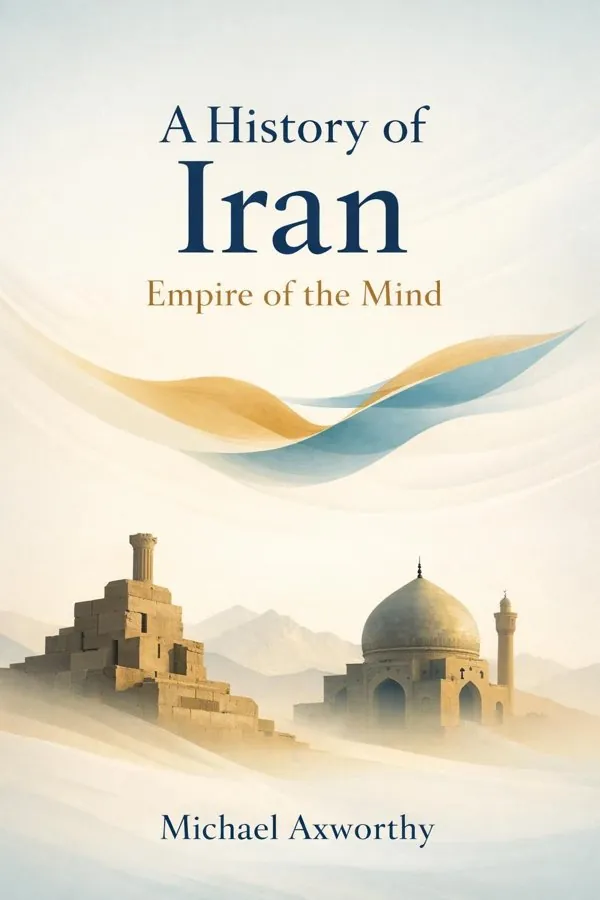
A History of Iran: Empire of the Mind
by Michael Axworthy
In this comprehensive work, historian Michael Axworthy traces the evolution of Iranian civilization from the Achaemenid Empire of the sixth century BC through the rise of Islam and into the modern era. The book explores Iran’s cultural, political, and religious transformations, offering insight into how its ancient heritage continues to shape its identity and influence in the contemporary world.
Key Takeaways
- 1The Achaemenid Empire — When we speak of Persia’s first empire under Cyrus the Great, we begin with a revolution — not just in power but in imag…
- 2The Hellenistic and Parthian Eras — Alexander’s conquest seemed, at first glance, to sever Iran from itself. The Achaemenid order collapsed; Greek rule unde…
- 3The Sasanian Empire
 10 min read
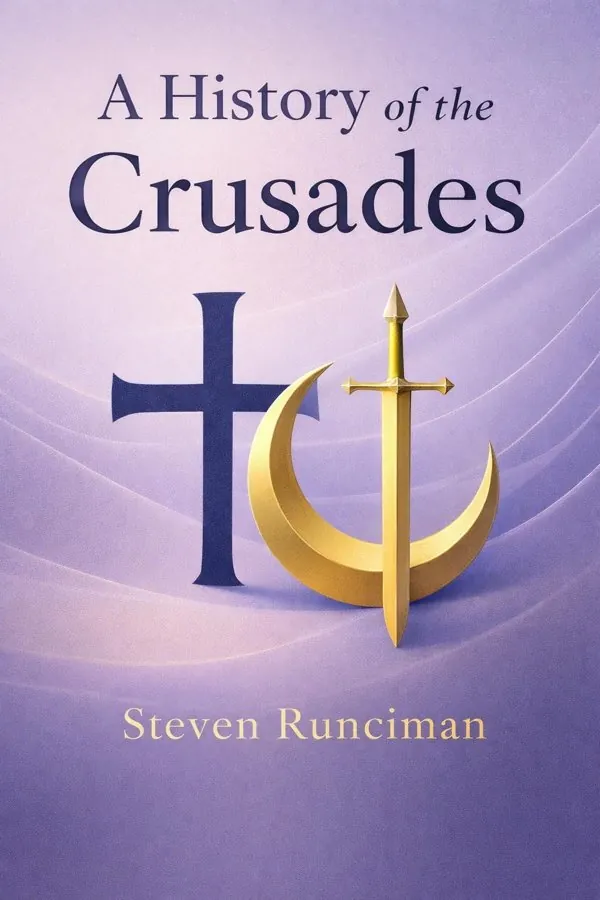
A History of the Crusades
by Steven Runciman
Sir Steven Runciman’s monumental three-volume work, first published between 1951 and 1954, offers a sweeping narrative of the Crusades from the late 11th to the 13th century. Written in elegant prose, it combines rigorous scholarship with literary grace, tracing the complex interplay of religion, politics, and culture that shaped medieval Christendom and the Islamic world. The trilogy remains one of the most influential and readable accounts of the Crusading era.
Key Takeaways
- 1The First Crusade (1096–1099) — The beginning of the Crusading era was marked by a tremendous surge of popular faith and political opportunity. When Pop…
- 2The Latin Kingdom of Jerusalem — In the aftermath of conquest, the crusaders attempted to carve permanence out of fleeting triumph. The establishment of …
- 3The Second Crusade (1147–1149)
 10 min read
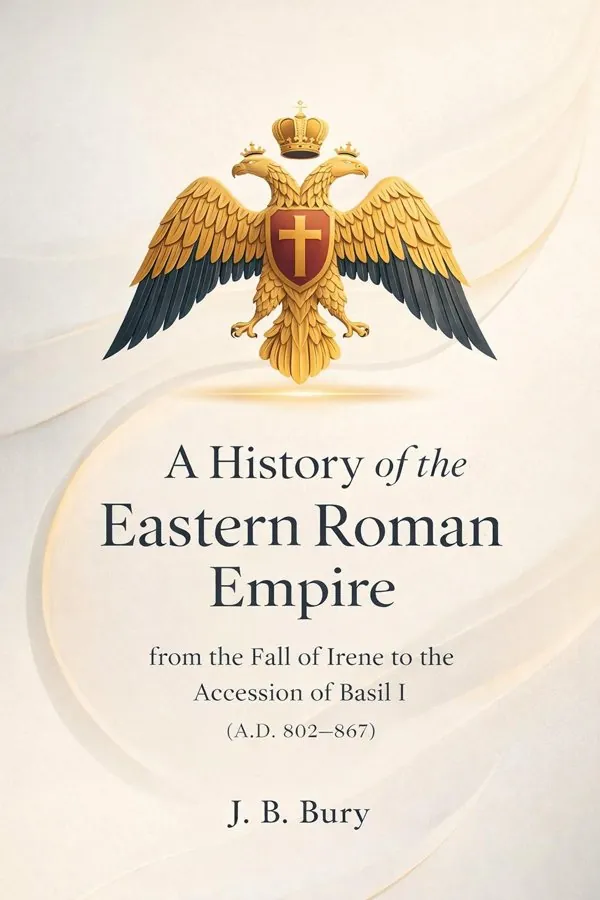
A History of the Eastern Roman Empire from the Fall of Irene to the Accession of Basil I (A.D. 802–867)
by J. B. Bury
This scholarly work by John Bagnell Bury, first published in 1912, offers a detailed account of the Byzantine Empire during the ninth century, covering the political, military, and cultural developments from the fall of Empress Irene to the rise of Basil I. Bury’s meticulous use of primary sources and his analytical approach make this one of the foundational texts in modern Byzantine studies.
Key Takeaways
- 1Nicephorus I and the Burden of Restoration — The year 802 marked the end of Irene’s singular experiment in female sovereignty and the rise of Nicephorus I, a man of …
- 2Crisis and Transition: Stauracius and Michael I — After the calamity of Pliska, the Empire entered a time of desperate uncertainty. Stauracius, son of Nicephorus, grievou…
- 3Leo V and the Revival of Iconoclasm
Want the full summary?
Get instant access to this book summary and 100K+ more with Fizz Moment.
Get Free SummaryAvailable on App Store • Free to download
About This List
History is about people, ideas, and decisions that shaped our world. These books make history vivid, relevant, and impossible to put down.
This list features 15 carefully selected books. With FizzRead, you can read AI-powered summaries of each book in just 15 minutes. Get the key takeaways and start applying the insights immediately.
Ready to start reading?
Get instant access to all 15 book summaries and 100K+ more with FizzRead.