

Friedrich Nietzsche Books
Friedrich Nietzsche (1844–1900) was a German philosopher, philologist, and writer, regarded as one of the most influential thinkers of modern times. His works, including Thus Spoke Zarathustra, Beyond Good and Evil, and On the Genealogy of Morality, profoundly shaped philosophy, literature, and psychology.
Known for: Beyond Good and Evil, Ecce Homo: How One Becomes What One Is, Human, All Too Human: A Book for Free Spirits, On the Genealogy of Morality: A Polemic, On the Genealogy of Morals, The Antichrist, The Birth of Tragedy: Out of the Spirit of Music, The Gay Science, The Will To Power, Thus Spoke Zarathustra: A Book for All and None, Twilight of the Idols and The Anti-Christ, Twilight of the Idols: Or, How to Philosophize with a Hammer
Books by Friedrich Nietzsche

Beyond Good and Evil
Beyond Good and Evil is Friedrich Nietzsche’s bold attack on the moral certainties, philosophical habits, and spiritual comforts that have shaped Western thought for centuries. First published in 1886...

Ecce Homo: How One Becomes What One Is
Ecce Homo: How One Becomes What One Is is Friedrich Nietzsche’s final completed book, written in 1888 just before his mental collapse and published after his death. Part autobiography, part philosophi...
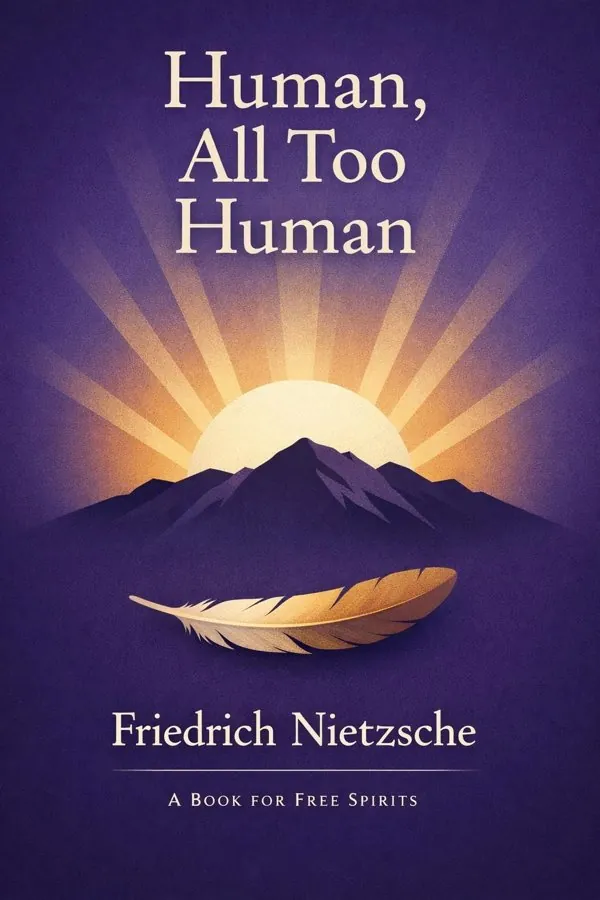
Human, All Too Human: A Book for Free Spirits
Human, All Too Human is Friedrich Nietzsche’s bold attempt to retrain the mind. First published in 1878, the book marks a decisive break from his earlier admiration for grand metaphysical systems, art...
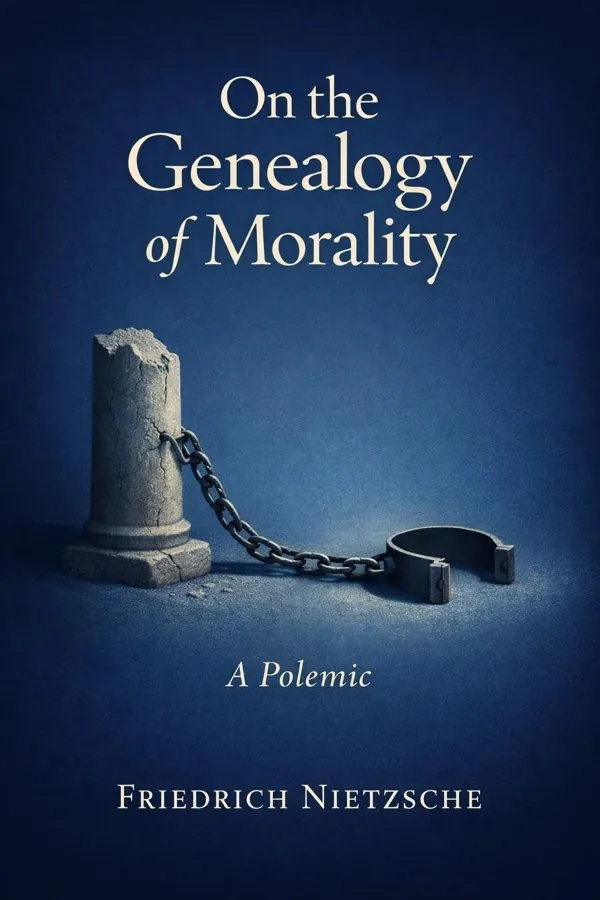
On the Genealogy of Morality: A Polemic
On the Genealogy of Morality is a philosophical work by Friedrich Nietzsche, first published in 1887. In three essays, Nietzsche explores the origins and development of moral values, focusing on conce...
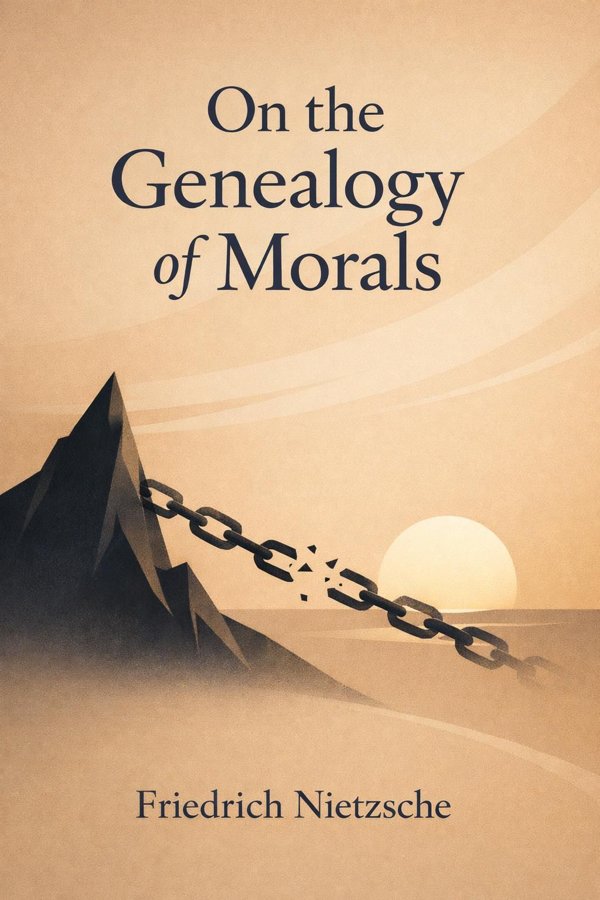
On the Genealogy of Morals
On the Genealogy of Morals is a philosophical work by Friedrich Nietzsche, first published in 1887. It explores the origins and development of moral values, challenging traditional Christian morality....
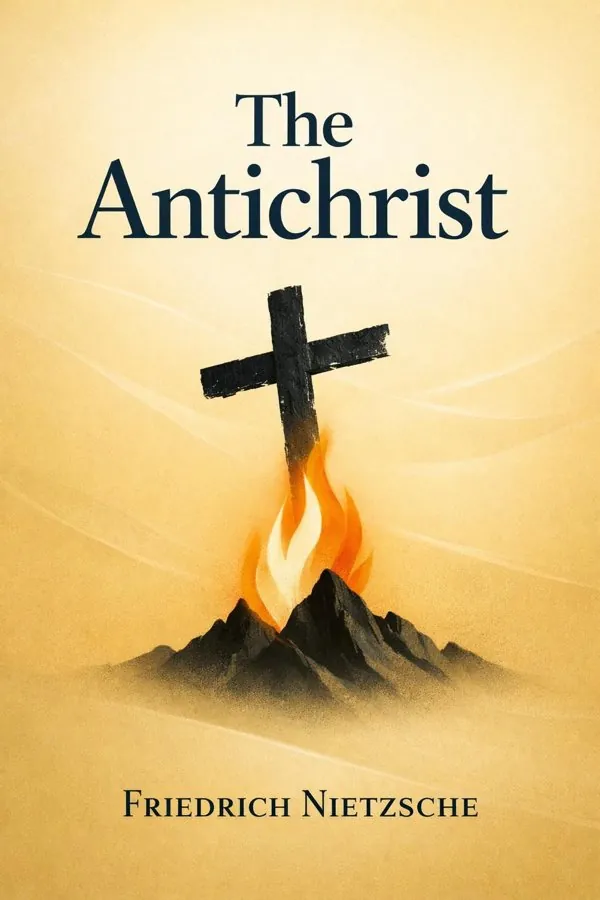
The Antichrist
The Antichrist is one of Friedrich Nietzsche’s late works, written in 1888 and first published in 1895. In this book, Nietzsche delivers a radical critique of Christianity and its moral foundations. H...
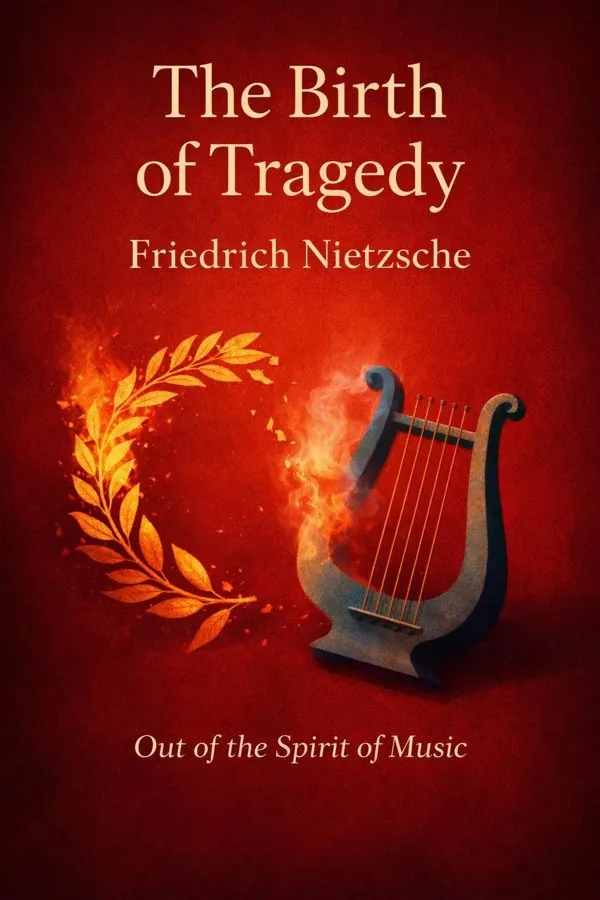
The Birth of Tragedy: Out of the Spirit of Music
First published in 1872, The Birth of Tragedy: Out of the Spirit of Music is Friedrich Nietzsche’s daring attempt to explain how great art emerges, why cultures rise and decay, and what ancient Greek ...

The Gay Science
First published in 1882 and expanded in 1887, "The Gay Science" is one of Friedrich Nietzsche’s most important works. It marks the transition from his early aphoristic philosophy to the mature ideas l...

The Will To Power
The Will to Power is a posthumous collection of Friedrich Nietzsche’s notebooks, compiled and edited by his sister Elisabeth Förster-Nietzsche and Peter Gast. It explores Nietzsche’s reflections on ni...
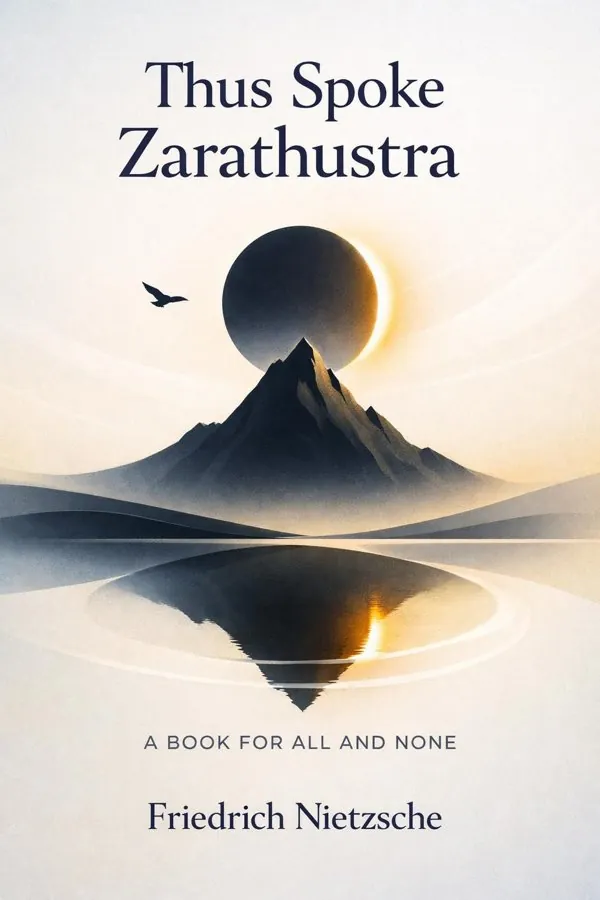
Thus Spoke Zarathustra: A Book for All and None
Thus Spoke Zarathustra is Friedrich Nietzsche’s most famous and most enigmatic work: part philosophical manifesto, part poetic scripture, part psychological drama. First published between 1883 and 188...
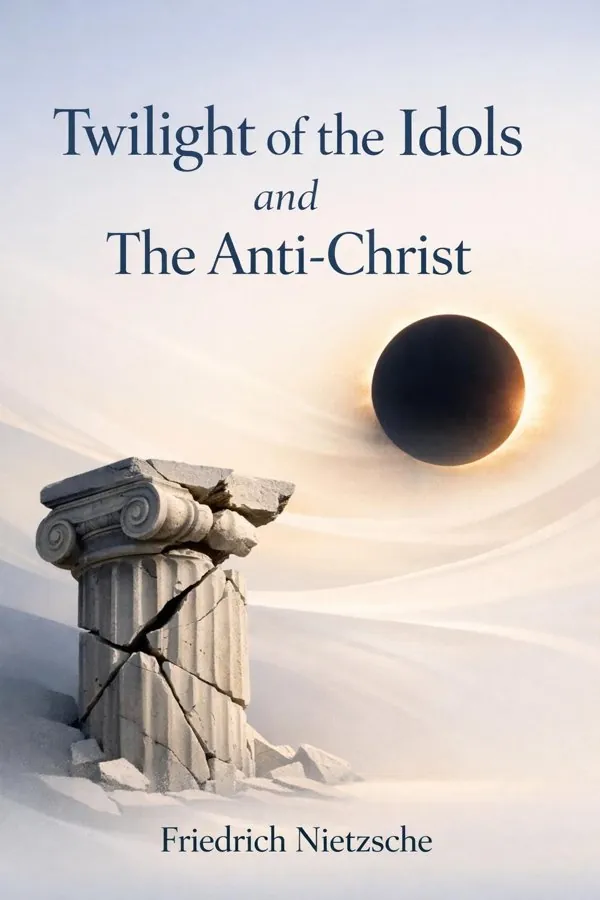
Twilight of the Idols and The Anti-Christ
This volume brings together two of Friedrich Nietzsche’s most provocative late works. In 'Twilight of the Idols' (1888), Nietzsche offers a concise and incisive summary of his philosophy, attacking tr...

Twilight of the Idols: Or, How to Philosophize with a Hammer
Twilight of the Idols is Friedrich Nietzsche’s compact, explosive attack on the intellectual and moral foundations of Western civilization. Written in 1888 near the end of his productive life, the boo...
Key Insights from Friedrich Nietzsche
The Hidden Prejudices of Philosophers
Every philosophy begins with a confession, even when it pretends to be pure reason. Nietzsche opens Beyond Good and Evil by arguing that philosophers are rarely the detached truth-seekers they claim to be. Beneath every grand system lies a temperament, a moral preference, and a set of instincts. Phi...
From Beyond Good and Evil
The Courage of the Free Spirit
Freedom begins when a person can live without the shelter of comforting illusions. Nietzsche’s “free spirit” is not simply an independent thinker or a rebel for its own sake. It is someone who has developed the strength to question inherited truths without collapsing into despair. Most people depend...
From Beyond Good and Evil
Religion as Psychology and Discipline
Religious belief is never just a doctrine; it is also a training of the human soul. In his reflections on religion, Nietzsche does not merely reject faith in a simple, dismissive way. He treats religion as a powerful historical force that shapes character, obedience, guilt, hope, and social order. C...
From Beyond Good and Evil
Sharp Sayings and Intellectual Self-Testing
Some truths cannot be delivered as a system; they must strike like lightning. In the section of aphorisms and interludes, Nietzsche uses short, cutting observations to disrupt habitual thinking. These compact statements are not decorative interruptions. They are exercises in mental agility. By refus...
From Beyond Good and Evil
Morality Has a Human History
What if morality is not eternal law but a historical product? Nietzsche’s “natural history of morals” is one of the book’s most important contributions. He argues that moral systems do not descend from heaven or arise from pure reason. They develop through social conditions, power relations, customs...
From Beyond Good and Evil
Why Scholars Are Not Enough
Knowledge alone does not create wisdom, and expertise alone does not create philosophers. Nietzsche draws a sharp distinction between scholars and genuine thinkers. Scholars collect facts, classify material, and preserve learning. Their role is valuable, but it is limited. They are often specialists...
From Beyond Good and Evil
About Friedrich Nietzsche
Friedrich Nietzsche (1844–1900) was a German philosopher, philologist, and writer, regarded as one of the most influential thinkers of modern times. His works, including Thus Spoke Zarathustra, Beyond Good and Evil, and On the Genealogy of Morality, profoundly shaped philosophy, literature, and psyc...
Read more
Friedrich Nietzsche (1844–1900) was a German philosopher, philologist, and writer, regarded as one of the most influential thinkers of modern times. His works, including Thus Spoke Zarathustra, Beyond Good and Evil, and On the Genealogy of Morality, profoundly shaped philosophy, literature, and psyc...
Friedrich Nietzsche (1844–1900) was a German philosopher, philologist, and writer, regarded as one of the most influential thinkers of modern times. His works, including Thus Spoke Zarathustra, Beyond Good and Evil, and On the Genealogy of Morality, profoundly shaped philosophy, literature, and psychology. Nietzsche’s ideas on the Übermensch, the will to power, and the eternal recurrence continue to influence contemporary thought.


Frequently Asked Questions
Friedrich Nietzsche (1844–1900) was a German philosopher, philologist, and writer, regarded as one of the most influential thinkers of modern times. His works, including Thus Spoke Zarathustra, Beyond Good and Evil, and On the Genealogy of Morality, profoundly shaped philosophy, literature, and psychology.
Read Friedrich Nietzsche's books in 15 minutes
Get AI-powered summaries with key insights from 12 books by Friedrich Nietzsche.