
Books About War — Understanding Conflict & Courage
War reveals the best and worst of humanity. These books explore military history, strategy, and the personal stories of those who lived through conflict.
 10 min read
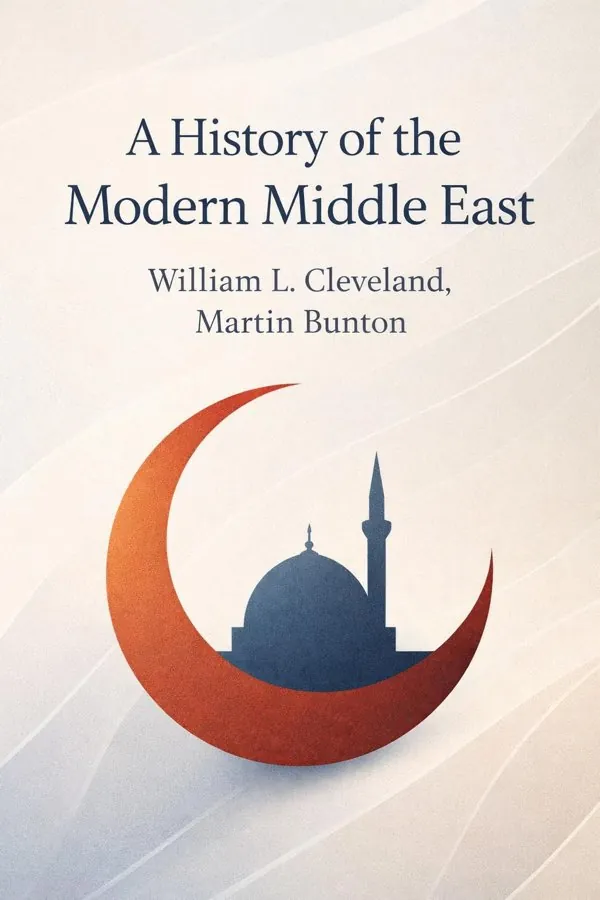
A History of the Modern Middle East
by William L. Cleveland, Martin Bunton
Few regions are discussed as often and understood as poorly as the modern Middle East. In A History of the Modern Middle East, William L. Cleveland and Martin Bunton provide a sweeping, carefully balanced account of how the region moved from imperial rule to modern statehood, from reform movements to revolutions, and from colonial domination to contemporary geopolitical struggles. Rather than reducing Middle Eastern history to endless conflict, the book shows a dynamic world shaped by institutions, ideas, social change, economic pressures, and international power politics. The book matters because it explains how present-day crises emerged from long historical processes: the decline and reform of the Ottoman Empire, European imperial expansion, the rise of nationalism, the creation of new borders, the Arab-Israeli conflict, oil politics, authoritarian rule, and popular movements for change. Cleveland, a leading historian of Arab nationalism and modern Middle Eastern history, built the text into a standard academic reference, and Bunton updated it with clarity and scholarly rigor for newer generations of readers. The result is an accessible yet authoritative guide for anyone who wants to understand how the modern Middle East was made—and why its history continues to shape global affairs.
Key Takeaways
- 1Ottoman Reform Was a Fight for Survival — A powerful way to understand the nineteenth-century Ottoman Empire is to stop thinking of it as a dying empire passively…
- 2European Imperialism Reshaped Regional Possibilities — Imperialism rarely begins with conquest alone; it often arrives through debt, trade, advisers, and strategic dependency.…
- 3Nationalism Emerged From Imperial Breakdown — Nations are not timeless inheritances; they are often forged in moments of imperial crisis. One of the book’s core insig…
 10 min read
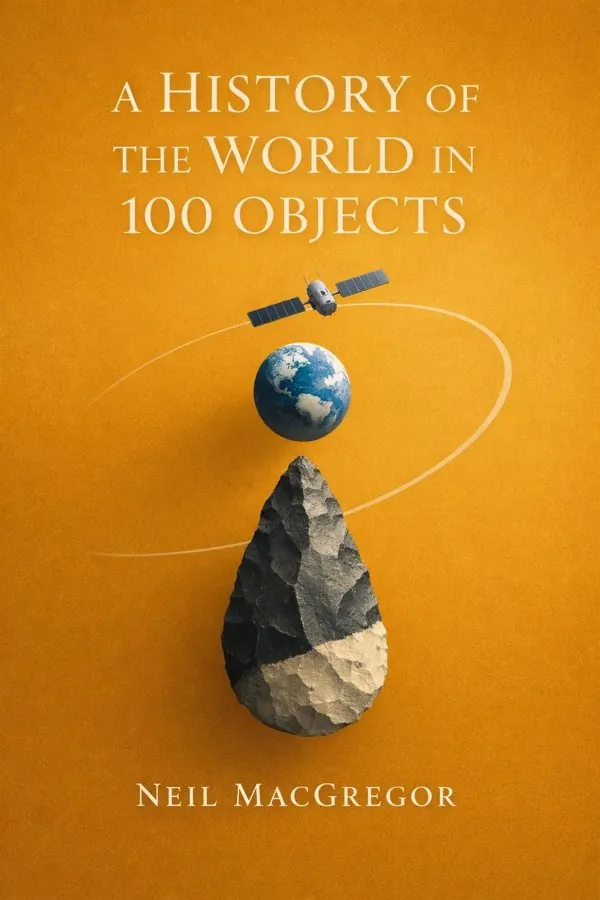
A History of the World in 100 Objects
by Neil MacGregor
Based on the acclaimed BBC Radio 4 series, this book tells the story of humanity through one hundred objects from the British Museum’s collection. From the earliest tools made by humans to modern technological artifacts, Neil MacGregor explores how these objects reveal the shared experiences, beliefs, and innovations that have shaped our world.
Key Takeaways
- 1Early Human Innovation — Our story begins not with written words, but with skillful hands chipping stone. The first object I chose for the radio …
- 2The Dawn of Agriculture — The shift from wandering to settling was perhaps the greatest revolution in human history. This transformation is chroni…
- 3Urbanization and Early States
 10 min read
A History of the World in 6 Glasses
by Tom Standage
This book explores world history through the lens of six influential beverages—beer, wine, spirits, coffee, tea, and cola—each representing a distinct era of human civilization. Standage traces how these drinks shaped trade, culture, politics, and technological progress from ancient Mesopotamia to the modern globalized world.
Key Takeaways
- 1Beer in the Agricultural Revolution — Beer is the first chapter of our story because it represents humanity’s profound leap from wandering hunter-gatherers to…
- 2Wine and the Rise of Civilization — Wine belongs to the age of refinement and intellect — to ancient Greece and Rome, where it embodied taste, hierarchy, an…
- 3Spirits and the Age of Exploration
 10 min read
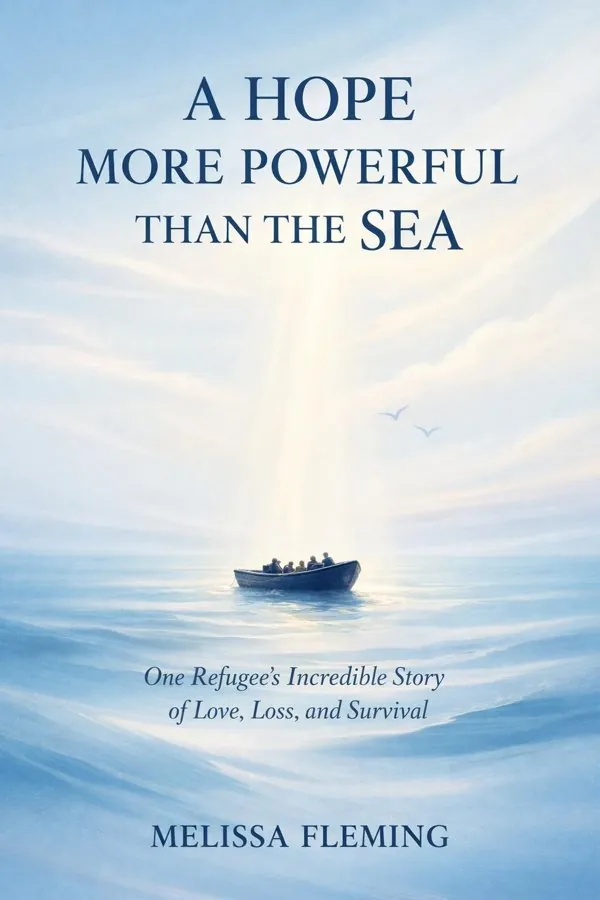
A Hope More Powerful Than the Sea: One Refugee's Incredible Story of Love, Loss, and Survival
by Melissa Fleming
A Hope More Powerful Than the Sea tells the unforgettable true story of Doaa Al Zamel, a Syrian teenager whose ordinary life was shattered by war, exile, and one of the deadliest migration routes in the world. Melissa Fleming follows Doaa from her childhood in Daraa, where family, faith, and community gave life its shape, through the violence of the Syrian uprising, the uncertainty of refugee life in Egypt, and the catastrophic Mediterranean crossing that changed everything. What makes this book so powerful is not only the scale of suffering it reveals, but the intimacy with which it restores a human face to a global crisis too often reduced to statistics. Doaa is not presented as a symbol alone, but as a daughter, fiancée, survivor, and witness. Fleming writes with unusual authority: as a senior United Nations official and longtime advocate for refugees, she has spent years listening to displaced people and bringing their stories to the world. The result is a deeply moving narrative that illuminates the refugee experience while asking readers to confront what survival, dignity, and hope really mean.
Key Takeaways
- 1A Peaceful Life Can Vanish Overnight — The most unsettling truth in Doaa Al Zamel’s story is how quickly an ordinary life can become unrecognizable. Before war…
- 2War Destroys Home Before It Destroys Buildings — One of the book’s deepest insights is that home is more than a physical place. Long before Doaa’s family left Syria, war…
- 3Exile Begins With Impossible Choices — Leaving Syria did not mean that Doaa’s family had found safety; it meant they had entered a new stage of uncertainty. In…
 10 min read
A Little History of the United States
by James West Davidson
A concise and engaging overview of American history, this book traces the story of the United States from its earliest Native American roots through European colonization, revolution, expansion, civil war, industrialization, and into the modern era. Written in an accessible narrative style, it captures the key events, ideas, and people that shaped the nation, making complex history approachable for readers of all ages.
Key Takeaways
- 1Early America — Before a single European set foot in the Americas, civilizations had already flourished for thousands of years. From the…
- 2European Exploration and Colonization — The European arrival in the New World was not a single event but a cascade of encounters. Spaniards came seeking gold an…
- 3Colonial Life and Development
 10 min read
A Little History of the World
by E. H. Gombrich
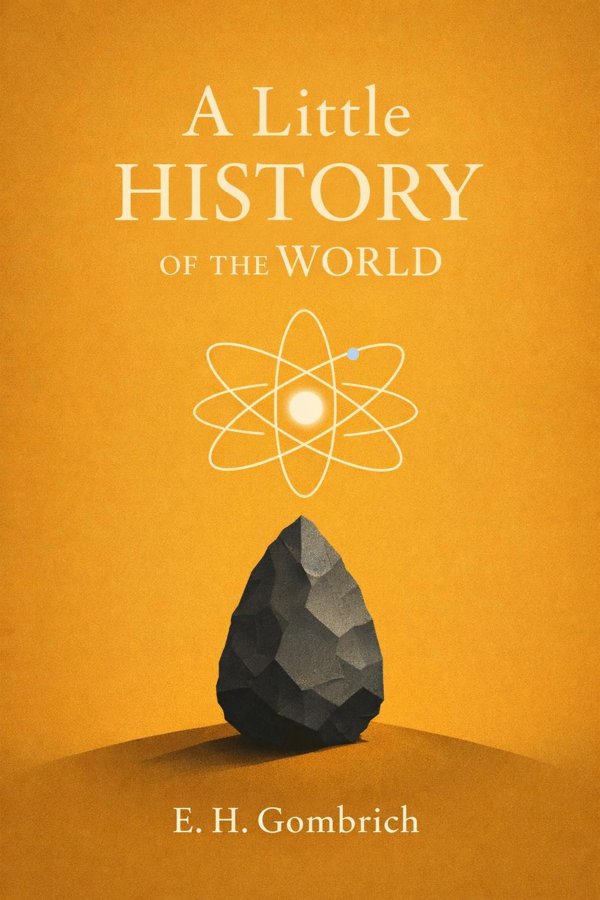
A Little History of the World is a concise and engaging account of human history, written originally in 1935 by Ernst Gombrich. In forty brief chapters, Gombrich narrates the story of humanity from the Stone Age to the atomic age, weaving together major events, cultural developments, and historical figures in a clear and accessible style. The book was translated into English and published by Yale University Press, bringing Gombrich’s vivid storytelling to a new generation of readers.
Key Takeaways
- 1The Stone Age — When I introduce the Stone Age, I begin not with tools or caves, but with imagination. Picture our distant ancestors, li…
- 2The First Civilizations — From scattered tribes arose the first organized societies. I take my readers to Mesopotamia — the land between the river…
- 3Ancient Greece and Rome
 10 min read
A Long Walk To Water
by Linda Sue Park
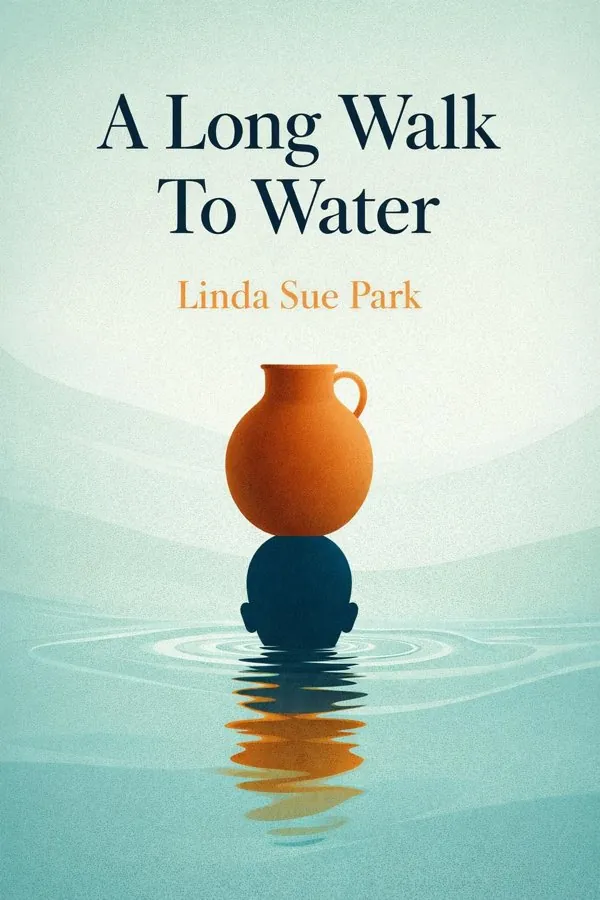
Based on a true story, this novel alternates between the lives of two Sudanese children: Nya, a girl fetching water daily from a distant pond, and Salva Dut, a boy forced to flee his village during the Sudanese civil war. Their stories intertwine to reveal the hardships of survival, the importance of clean water, and the power of hope and perseverance.
Key Takeaways
- 1Nya’s Daily Struggle (2008 Sudan) — Nya’s days begin with the same slow rhythm, from the moment the sun touches the thorn trees. She carries an empty contai…
- 2Salva Dut in a Time of War (1985 Sudan) — When Salva’s story begins, he is a boy in a stable Dinka village, his world bounded by school, family, and the rhythms o…
- 3The Long Journey of the Lost Boys
 10 min read
A Million Years In A Day: A Curious History Of Everyday Life From The Stone Age To The Phone Age
by Greg Jenner
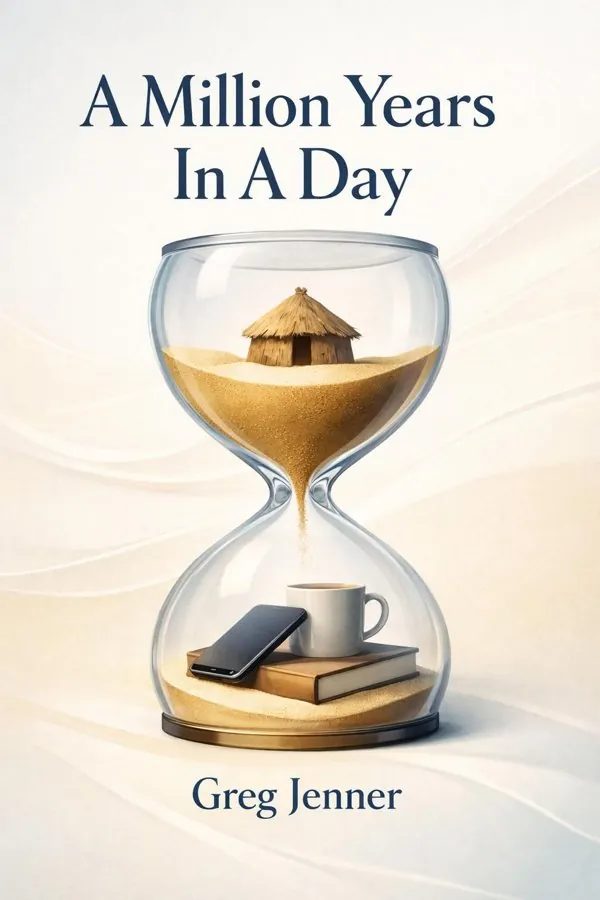
A witty and engaging exploration of how ordinary daily routines evolved through history—from waking up, eating breakfast, and brushing teeth to commuting and using technology. Greg Jenner, a public historian, traces the fascinating origins of modern habits, showing how centuries of innovation and cultural change shaped the way we live today.
Key Takeaways
- 1Waking Up — When we wake to the shrill cry of an alarm clock—or worse, a smartphone—we rarely think about what a miracle it is that …
- 2Morning Hygiene — Splashing water on your face in the morning may seem universal, but it stands on centuries of cultural evolution. The an…
- 3Breakfast and Food Preparation
 10 min read
A Peace to End All Peace: The Fall of the Ottoman Empire and the Creation of the Modern Middle East
by David Fromkin
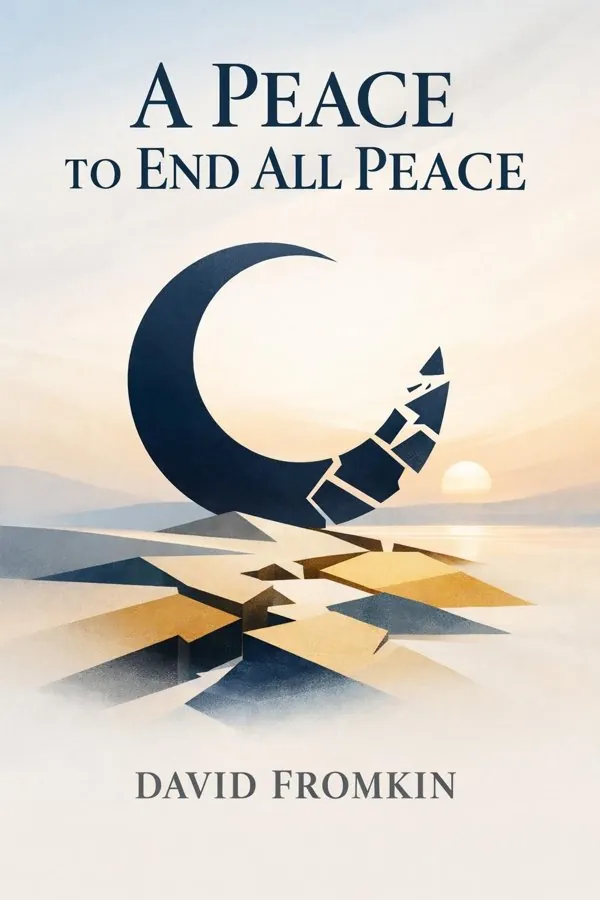
David Fromkin’s A Peace to End All Peace is a sweeping account of how the modern Middle East was made not by timeless inevitabilities, but by wartime calculations, diplomatic bargains, and imperial ambitions. Covering the years surrounding World War I and its aftermath, the book traces the collapse of the Ottoman Empire and shows how Britain, France, Russia, and other powers competed to divide its territories while promising different futures to different peoples. The result was not a stable peace, but a political settlement filled with contradictions. What makes this book so important is its insistence that many of today’s crises have roots in choices made by statesmen who often misunderstood the region they were reshaping. Fromkin reveals how strategic concerns such as access to India, oil, prestige, and wartime advantage outweighed local realities. He also shows how Arab aspirations, Turkish nationalism, Zionist hopes, and European imperial planning collided in ways that still echo today. A respected historian of international relations, Fromkin brings narrative force, archival depth, and sharp analysis to one of the most consequential geopolitical transformations of the twentieth century.
Key Takeaways
- 1The Ottoman World Was Complex, Not Empty — A useful way to begin this story is to reject a common illusion: the Middle East was not a blank map waiting for Europea…
- 2Imperial Rivalry Drove Moral Language — One of the book’s most unsettling lessons is that great powers often speak in ideals while acting through interests. Bri…
- 3War Turned Ambitions Into Irreversible Decisions — World War I did not simply accelerate the Ottoman Empire’s decline; it transformed old rivalries into binding commitment…
 10 min read
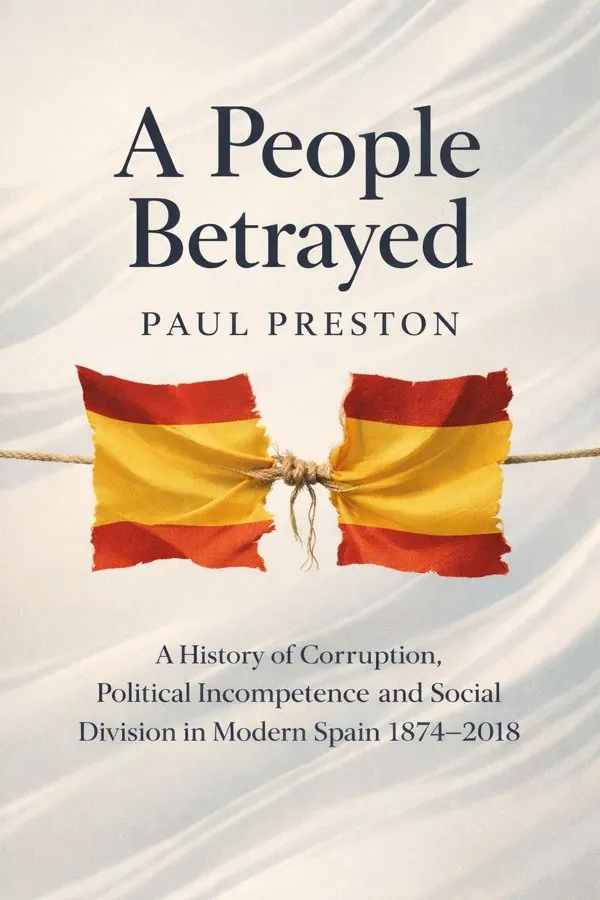
A People Betrayed: A History of Corruption, Political Incompetence and Social Division in Modern Spain 1874–2018
by Paul Preston
Paul Preston’s A People Betrayed is a sweeping, deeply researched history of modern Spain that argues one theme has linked monarchy, republic, dictatorship, and democracy alike: the repeated betrayal of ordinary citizens by corrupt elites, self-serving institutions, and chronically inadequate political leadership. Covering the period from the Bourbon Restoration in 1874 to the aftermath of the financial crisis in 2018, the book shows how graft, patronage, incompetence, and social polarization repeatedly weakened Spain’s attempts at reform and reconciliation. What makes this book so powerful is that it is not simply a catalog of scandals. Preston explains how corruption became structural, how political systems were designed to protect insiders, and how unresolved conflicts over class, region, religion, and memory kept returning in new forms. He connects palace intrigue, military intervention, business favoritism, authoritarian violence, and democratic-era scandals into one long historical pattern. Preston is one of the foremost historians of Spain, especially of the Civil War and Francoism, and his authority gives this narrative unusual depth. For readers seeking to understand Spain’s modern history—and the broader costs of elite failure in any democracy—this book is both essential and unsettling.
Key Takeaways
- 1Restoration Stability Built on Fraud — A political system can look orderly while rotting from within. Preston shows that the Bourbon Restoration, established i…
- 2Monarchical Decay Opened the Republican Moment — Regimes rarely collapse because of one mistake; they collapse when too many people stop believing they can be repaired. …
- 3Civil War Grew from Polarization — Civil wars do not begin when societies disagree; they begin when political opponents are recast as enemies who must be d…
 10 min read
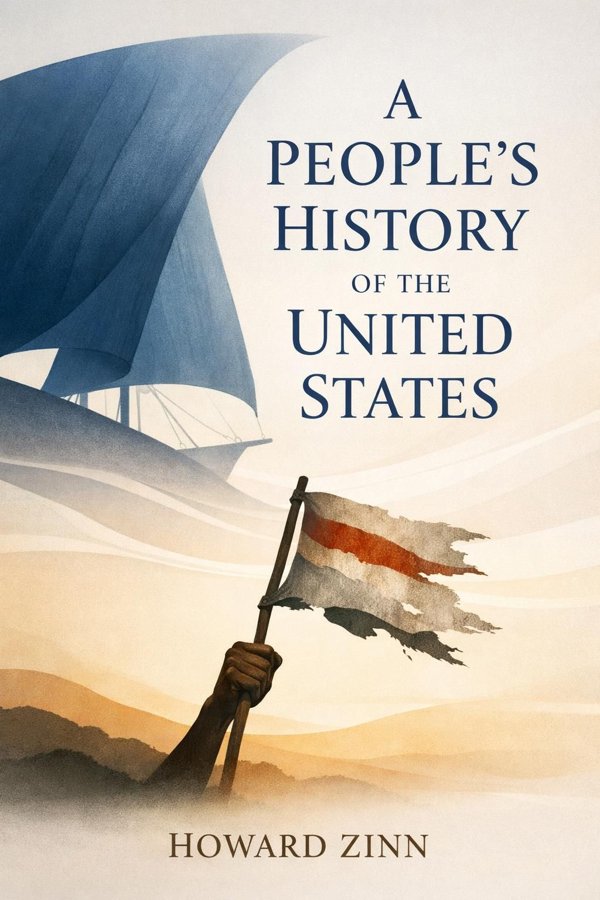
A People's History of the United States
by Howard Zinn
A groundbreaking work of historical scholarship, Howard Zinn’s *A People’s History of the United States* presents American history from the perspective of ordinary people rather than political and economic elites. Covering events from the arrival of Columbus to the late 20th century, Zinn highlights the struggles of workers, women, enslaved people, and minorities, challenging traditional narratives and emphasizing social justice and resistance.
Key Takeaways
- 1Chapter 1 – Columbus, the Indians, and Human Progress — In opening this history, I began with Christopher Columbus because his arrival marks the symbolic doorway through which …
- 2Chapter 2 – Drawing the Color Line — The establishment of slavery in colonial America did not arise inevitably from difference in skin color—it was construct…
- 3Chapter 4 – Tyranny Is Tyranny
 10 min read
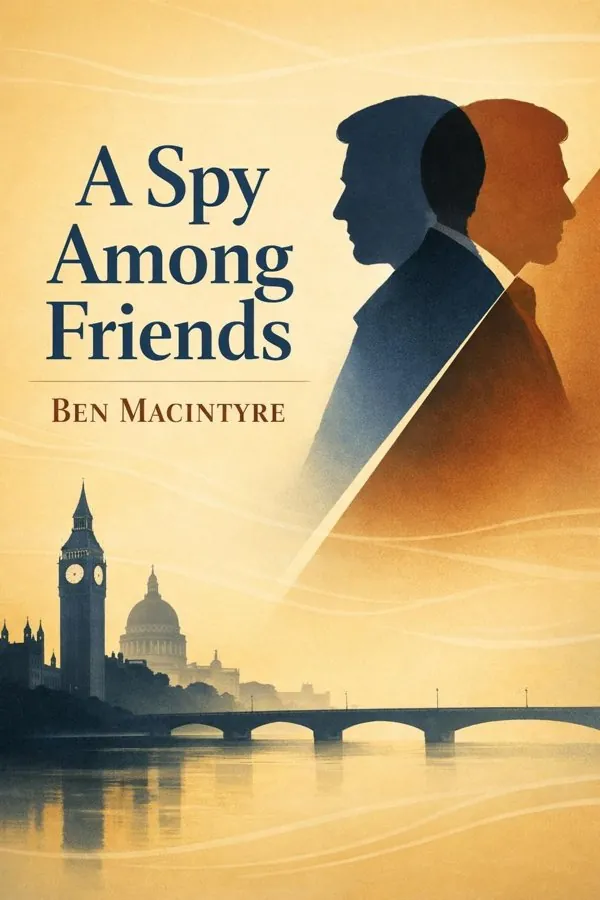
A Spy Among Friends: Kim Philby and the Great Betrayal
by Ben Macintyre
A Spy Among Friends is a nonfiction account of the real-life story of Kim Philby, the British intelligence officer who became a double agent for the Soviet Union. Ben Macintyre explores Philby’s betrayal of his friends and his country, focusing on his relationship with Nicholas Elliott and the impact of his disloyalty on the British intelligence community during the Cold War.
Key Takeaways
- 1The Making of a Spy: Philby’s Early Life, Ideology, and Recruitment — To understand Kim Philby’s betrayal, we must begin with his formation. Born into privilege, Philby was the son of St. Jo…
- 2The Cambridge Ring and Philby’s Ascent — As war loomed, Philby and his fellow Cambridge disciples—Guy Burgess, Donald Maclean, and others—entered government serv…
- 3Friendship and Manipulation: Nicholas Elliott and the Great Trust
 10 min read
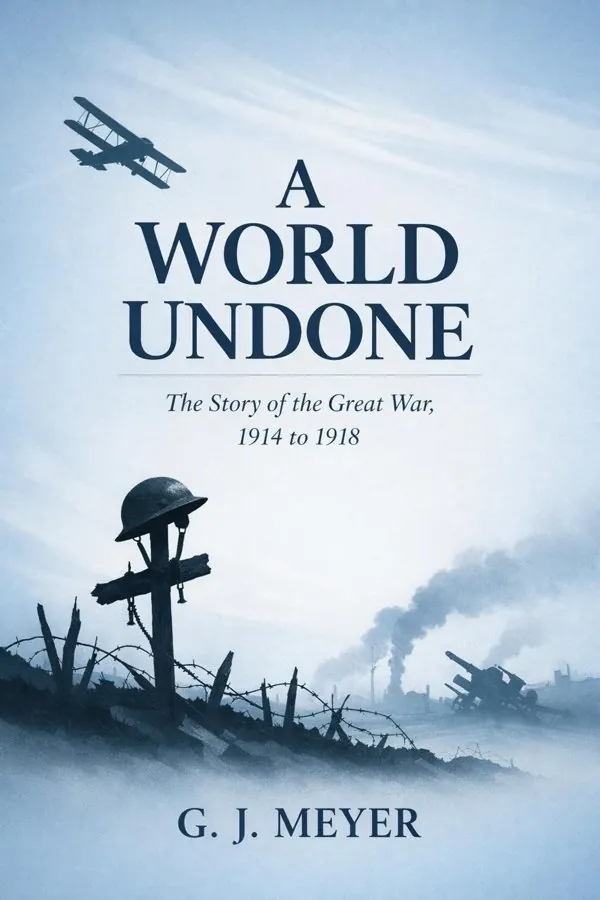
A World Undone: The Story of the Great War, 1914 to 1918
by G. J. Meyer
A comprehensive narrative history of World War I, this book explores the political, military, and human dimensions of the conflict from its origins in 1914 to its conclusion in 1918. Meyer weaves together detailed accounts of battles, leaders, and ordinary soldiers, providing a vivid and accessible overview of the Great War’s causes, course, and consequences.
Key Takeaways
- 1The Old World Order — Before Europe descended into chaos, it seemed to rest upon a sturdy foundation—the balance of power that great statesmen…
- 2The Assassination at Sarajevo — Everything changed on June 28, 1914. In the city of Sarajevo, a young Bosnian Serb named Gavrilo Princip fired two shots…
- 3The Descent into War
 10 min read
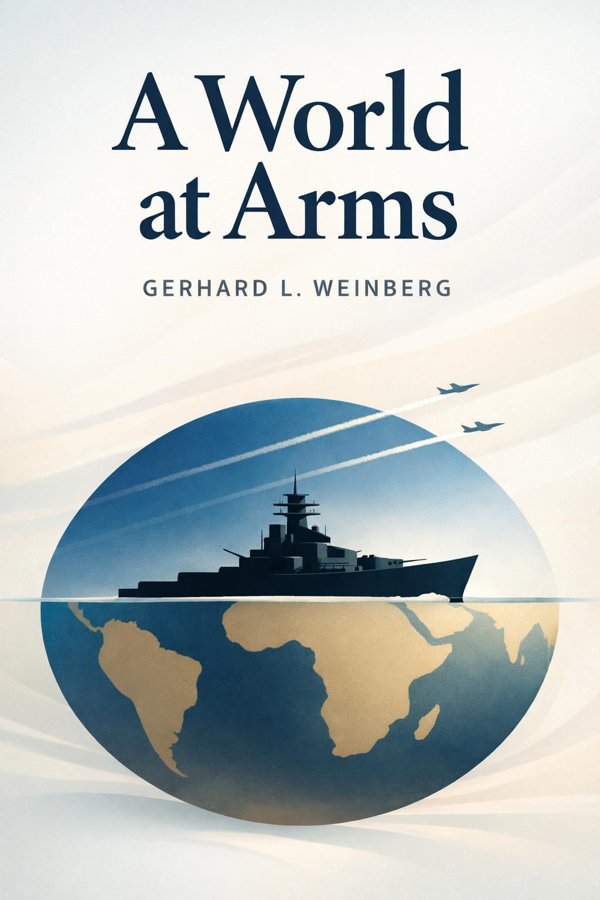
A World at Arms: A Global History of World War II
by Gerhard L. Weinberg
World War II is often told in fragments: Hitler in Europe, Pearl Harbor in the Pacific, the Holocaust, D-Day, Hiroshima. Gerhard L. Weinberg’s A World at Arms brings those fragments together into one sweeping, unified history of a truly global conflict. Rather than treating the war as separate regional struggles, Weinberg shows how events in Europe, Asia, Africa, the Atlantic, and the Pacific continuously shaped one another. Decisions made in Berlin affected Burma; battles in the Soviet Union altered strategy in North Africa; American industrial output transformed every front. What makes this book so valuable is not only its scale but its balance. Weinberg examines grand strategy, diplomacy, ideology, economics, occupation, and civilian life, while giving attention to both major powers and smaller states caught in the storm. The result is a fuller understanding of how the war was fought, why it unfolded as it did, and how it remade the modern world. As one of the most respected historians of World War II, Weinberg writes with authority, clarity, and command of global sources, making this book an essential guide to the conflict’s true scope.
Key Takeaways
- 1The Unfinished Peace After World War I — Wars rarely end when the shooting stops; they often continue as bitterness, instability, and revenge. Weinberg begins by…
- 2Aggression Triumphed While Diplomacy Hesitated — The road to war was not inevitable, but it was cleared step by step by leaders who mistook restraint for peace. Weinberg…
- 3A European War Became Global — What began as a war over Poland quickly became a struggle spanning continents because the major powers were tied togethe…
 10 min read
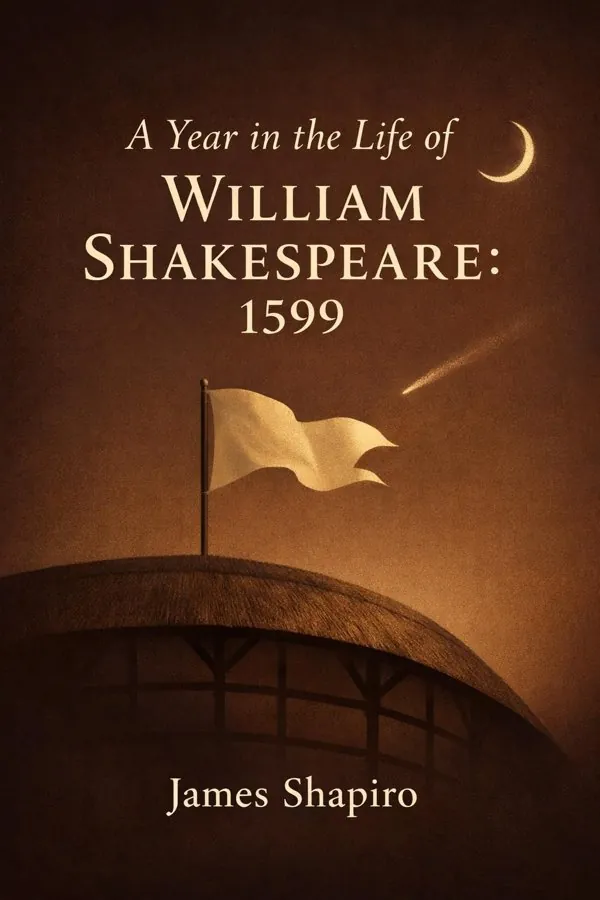
A Year in the Life of William Shakespeare: 1599
by James Shapiro
In this acclaimed work of literary history, James Shapiro reconstructs the pivotal year 1599 in the life of William Shakespeare, when the playwright wrote some of his most enduring works, including 'Henry V', 'Julius Caesar', 'As You Like It', and 'Hamlet'. Shapiro situates these plays within the political, social, and cultural upheavals of Elizabethan England, offering a vivid portrait of how the events of that year shaped Shakespeare’s imagination and artistry.
Key Takeaways
- 1The Globe Theatre: Rebuilding a World — The Globe was born not from opportunity alone, but from crisis. When the lease on the Lord Chamberlain’s Men’s previous …
- 2Henry V: War, Leadership, and Identity — In *Henry V*, Shakespeare captured a nation’s dream of unity at a moment when disunity threatened everywhere. The play’s…
- 3Julius Caesar: Republicanism and the Theater of Power
Want the full summary?
Get instant access to this book summary and 100K+ more with Fizz Moment.
Get Free SummaryAvailable on App Store • Free to download
About This List
War reveals the best and worst of humanity. These books explore military history, strategy, and the personal stories of those who lived through conflict.
This list features 15 carefully selected books. With FizzRead, you can read AI-powered summaries of each book in just 15 minutes. Get the key takeaways and start applying the insights immediately.
Ready to start reading?
Get instant access to all 15 book summaries and 100K+ more with FizzRead.