
Best Finance & Money Books — Master Your Financial Future
Whether you want to get out of debt, start investing, or understand how money really works, these finance books break down complex concepts into actionable advice.
 10 min read
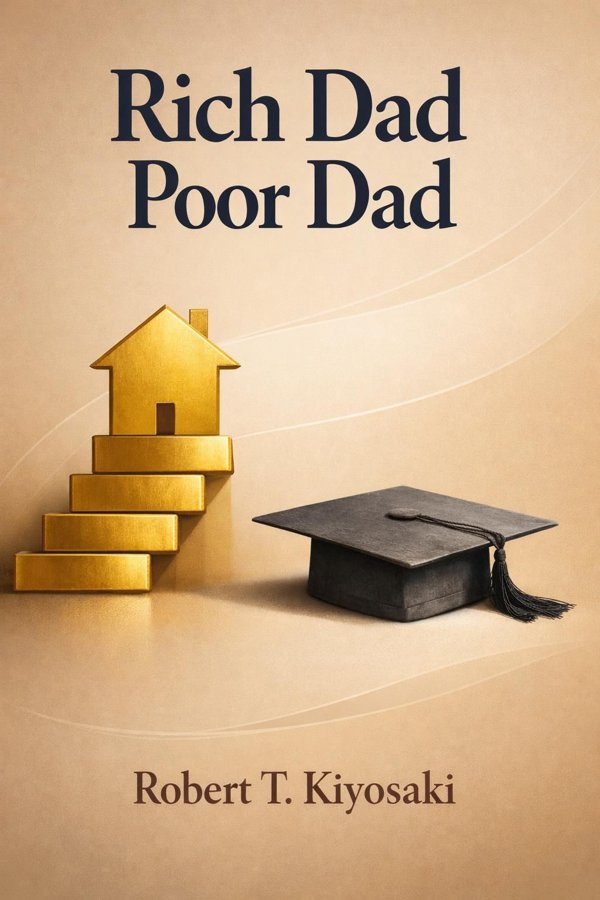
Rich Dad Poor Dad
by Robert Kiyosaki
Why do some people work hard for decades and still feel financially trapped, while others build wealth that seems to grow on its own? In Rich Dad Poor Dad, Robert T. Kiyosaki tackles that question by challenging one of the most deeply accepted beliefs in modern life: that a good education, a stable job, and years of hard work automatically lead to financial security. Through the memorable contrast between his “poor dad,” a highly educated employee, and his “rich dad,” an entrepreneur and investor, Kiyosaki argues that the real divide is not income alone, but financial mindset and financial education. This book matters because it reframes money as a skill set, not just a salary. Instead of teaching readers to chase paychecks, it encourages them to understand assets, cash flow, taxes, business structures, and the emotional habits that shape financial decisions. Kiyosaki, best known for his Rich Dad series, became a leading voice in personal finance by making wealth-building concepts accessible to everyday readers. Whether you agree with all his views or not, the book remains influential because it pushes people to think differently about work, risk, and long-term freedom.
Key Takeaways
- 1Two Fathers: A Divide in Philosophy — At the heart of Rich Dad Poor Dad is a powerful contrast: two intelligent, well-meaning father figures offered Robert Ki…
- 2Childhood Lessons: Understanding the Game of Money — One of the book’s most memorable stories begins when Kiyosaki and his friend Mike ask Rich Dad how to become rich. Inste…
- 3The Misconception of Hard Work: Effort Doesn’t Equal Wealth — Kiyosaki challenges a deeply comforting myth: that hard work alone creates wealth. He does not dismiss effort; instead, …
 10 min read
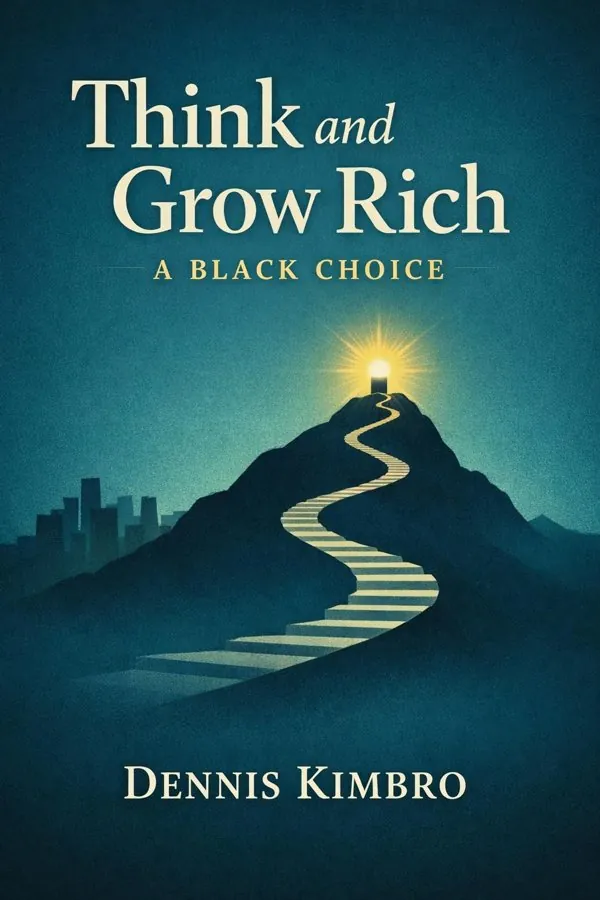
Think and Grow Rich
by Napoleon Hill
What does it really take to build wealth, confidence, and lasting success when the odds have not always been in your favor? That is the central question behind this powerful adaptation of Think and Grow Rich. In this version, the familiar success principles popularized by Napoleon Hill are explored through the lived experiences, struggles, and achievements of African Americans who turned vision into accomplishment. The result is more than a motivational book. It is a practical guide to self-mastery, disciplined thinking, and purposeful action. What makes this book matter is its insistence that success is not reserved for the privileged or the fortunate. It begins in the mind, is strengthened by faith, and is made real through persistence, learning, and community. By grounding timeless success ideas in Black history and achievement, the book gives readers examples that feel concrete, relevant, and deeply inspiring. Dennis Kimbro, an American author, educator, and motivational speaker known for his work on leadership and achievement in the African American community, brings credibility and clarity to these ideas. His message is simple but transformative: greatness is not an exception in Black life. It is a legacy to be claimed and extended.
Key Takeaways
- 1Historical Context — Before ambition can feel believable, it has to be placed inside a truthful story. This chapter shows that for African Am…
- 2The Power of Thought — One of the book’s core beliefs is that success begins in the mind. Thoughts shape identity, expectations, and behavior l…
- 3Defining Desire and Purpose — Desire is more than wishing for a better life. In this book, it is presented as a focused, emotionally charged commitmen…
 10 min read
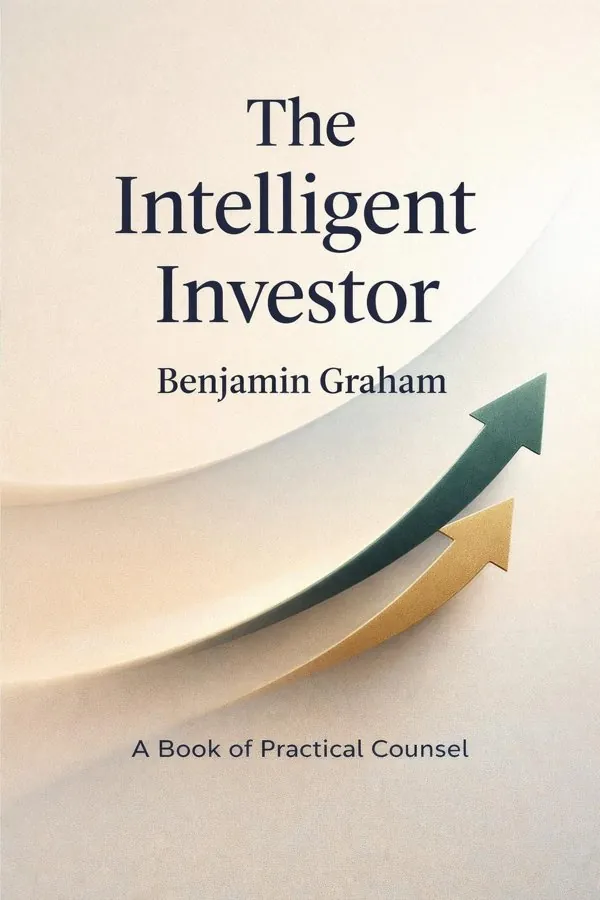
The Intelligent Investor
by Benjamin Graham
Why does one investor build durable wealth over decades while another repeatedly chases hot tips, panics in downturns, and ends up disappointed? Benjamin Graham’s The Intelligent Investor answers that question with unusual clarity. First published in 1949, this classic remains one of the most respected books on value investing because it focuses less on prediction and more on judgment, discipline, and protection against avoidable mistakes. Graham, widely regarded as the father of modern security analysis, wrote for ordinary investors who wanted a rational framework in a market often driven by noise, excitement, and fear. His advice is timeless precisely because human behavior in markets rarely changes. Instead of promising quick riches, he teaches readers how to think about risk, intrinsic value, portfolio construction, and emotional control. Concepts such as the margin of safety, the distinction between investment and speculation, and the famous allegory of Mr. Market have shaped generations of investors, including many professionals. If you want a practical philosophy for making smarter financial decisions and avoiding costly psychological traps, this book still matters enormously.
Key Takeaways
- 1The Difference Between Investment and Speculation — Graham begins with a deceptively simple but essential definition: an investment operation is one that, after thorough an…
- 2Defining the Intelligent Investor: Emotional Discipline — For Graham, intelligence in investing has little to do with IQ, advanced math, or market predictions. The intelligent in…
- 3Understanding Market Fluctuations: The Allegory of Mr. Market — One of Graham’s most memorable teaching tools is Mr. Market, an imaginary business partner who shows up every day offeri…
 10 min read
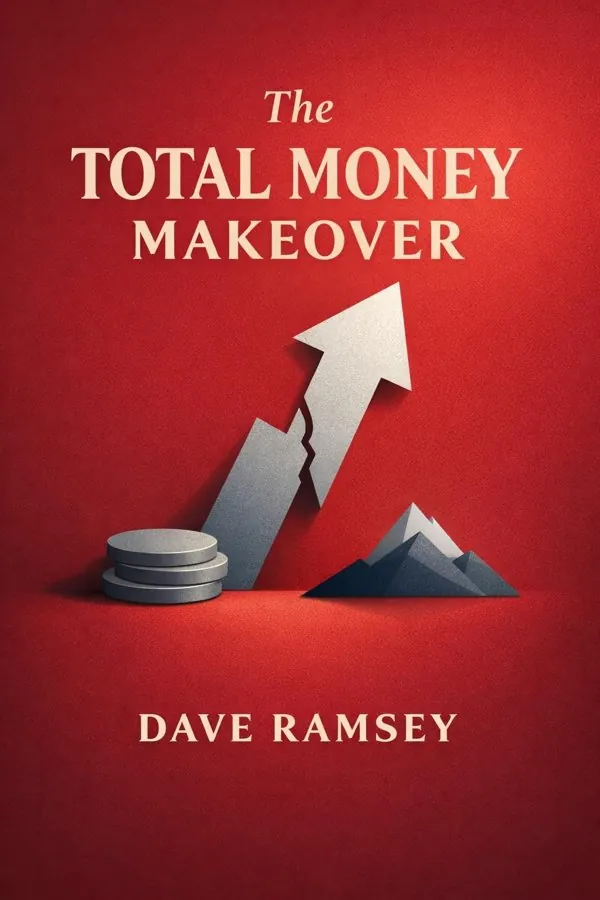
The Total Money Makeover
by Dave Ramsey
What if the biggest obstacle to building wealth isn’t your income, but the financial habits you’ve accepted as normal? In The Total Money Makeover, Dave Ramsey argues that long-term financial peace doesn’t come from clever investing, complicated budgeting apps, or chasing the perfect credit score. It comes from changing behavior, rejecting debt, and following a simple plan consistently. That message has made this book one of the most widely discussed personal finance guides for readers who feel stuck in a cycle of payments, money stress, and financial confusion. Ramsey’s approach is direct, sometimes blunt, but intentionally practical: stop borrowing, create a plan, build savings, and attack debt with intensity. The book matters because it translates personal finance into a clear sequence of steps ordinary people can follow, even if they’ve made years of money mistakes. As an author, entrepreneur, radio personality, and founder of Ramsey Solutions, Dave Ramsey is known for helping millions of people rethink how they earn, spend, save, and give. The result is a finance book built less on theory and more on behavior change that sticks.
Key Takeaways
- 1Denial and Debt Myths — Ramsey begins with a mindset shift: financial recovery starts when you stop pretending your money situation is “fine” an…
- 2The Importance of a Written Plan — A written budget is the operating system behind the entire Total Money Makeover. Ramsey insists that good intentions are…
- 3Step 1 – Save $1,000 Emergency Fund — The first Baby Step is intentionally small: save $1,000 as a starter emergency fund. Ramsey knows this amount won’t cove…
 10 min read
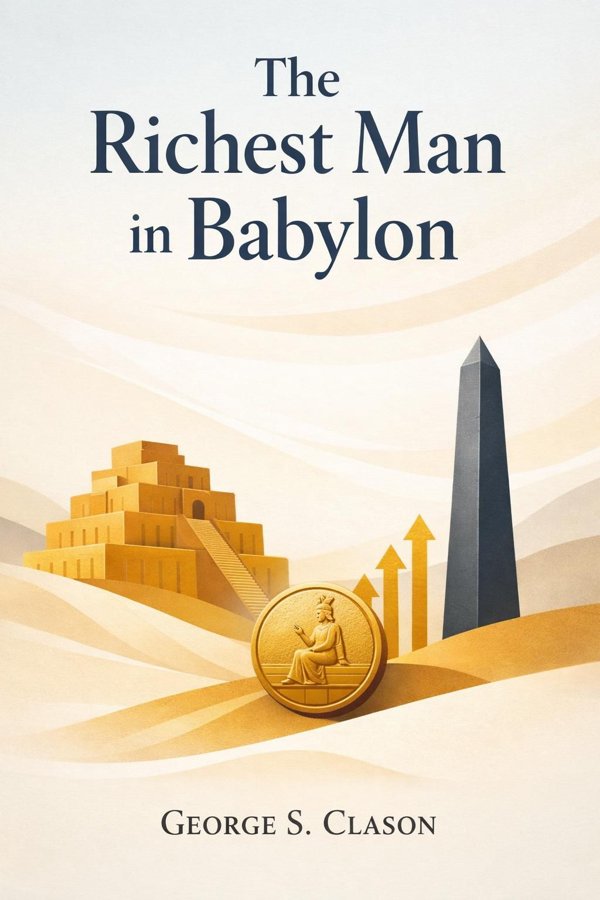
The Richest Man in Babylon
by George Clason
Why does a money book written nearly a century ago still feel surprisingly modern? Because The Richest Man in Babylon is not really about Babylon—it is about human behavior. George Clason wraps core financial principles in memorable parables about workers, merchants, lenders, and dreamers, showing that the biggest money problems people face today—overspending, debt, poor investing, and lack of planning—are the same ones people have always faced. That is exactly why this book remains a classic in personal finance. First published in 1926, the book distills wealth-building into clear, repeatable habits: save a portion of every paycheck, control expenses, invest carefully, protect your principal, and seek advice from people who understand money. Clason’s genius lies in making these lessons feel simple without making them shallow. The stories are easy to read, but the ideas are enduring. Clason, an American businessman and writer, became known for his financial parables and practical lessons on thrift and wealth-building. In The Richest Man in Babylon, he offers a timeless framework for anyone who wants more financial security, more freedom, and a healthier relationship with money—whether you are just starting out or trying to rebuild.
Key Takeaways
- 1Arkad: The Richest Man in Babylon — Arkad is the book’s central proof that wealth is usually built, not inherited. He begins as an ordinary scribe with valu…
- 2Start Thy Purse to Fattening — This chapter contains one of the most quoted ideas in personal finance: pay yourself first. Clason’s advice is to keep a…
- 3The Seven Cures for a Lean Purse — This section expands Clason’s philosophy into a step-by-step wealth plan. The seven cures are practical, memorable, and …
 10 min read
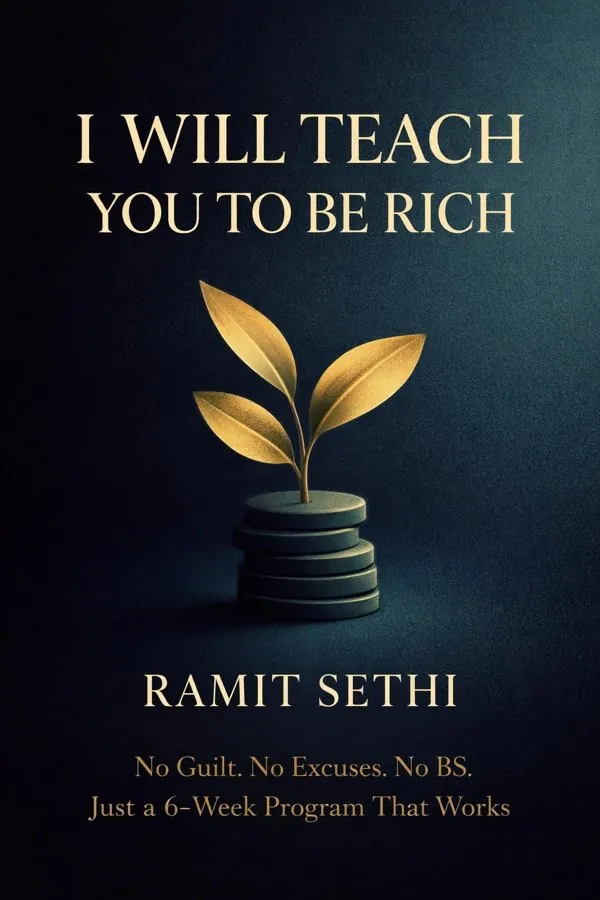
I Will Teach You to Be Rich
by Ramit Sethi
I Will Teach You to Be Rich is a practical, energetic guide to personal finance aimed especially at young professionals who want results without turning money management into a full-time job. Ramit Sethi argues that building wealth does not require extreme frugality, complex spreadsheets, or guilt-driven budgeting. Instead, it comes from setting up a simple system: optimize the big financial decisions, automate good habits, invest consistently, and spend generously on the things you love. Structured as a six-week program, the book walks readers through credit cards, banking, investing, saving, and conscious spending, while also addressing the psychology that causes people to procrastinate or avoid money altogether. What makes the book stand out is Sethi’s blend of blunt honesty, behavioral insight, and highly actionable advice. He focuses less on cutting lattes and more on negotiating fees, choosing the right accounts, and building a long-term investing plan that runs automatically. For readers overwhelmed by personal finance or tired of vague advice, this book offers a clear roadmap to creating what Sethi calls a “rich life” on your own terms.
Key Takeaways
- 1Week 1 – Optimize Credit Cards — Most people think credit cards are dangerous by default, but Sethi’s point is more provocative: the real danger is ignor…
- 2Week 2 – Beat the Banks — Banks profit most when customers stay passive. That is the uncomfortable truth behind overdraft fees, low savings rates,…
- 3Week 3 – Get Ready to Invest — One of the most expensive financial mistakes is waiting to feel ready before investing. Sethi argues that the people who…
 10 min read
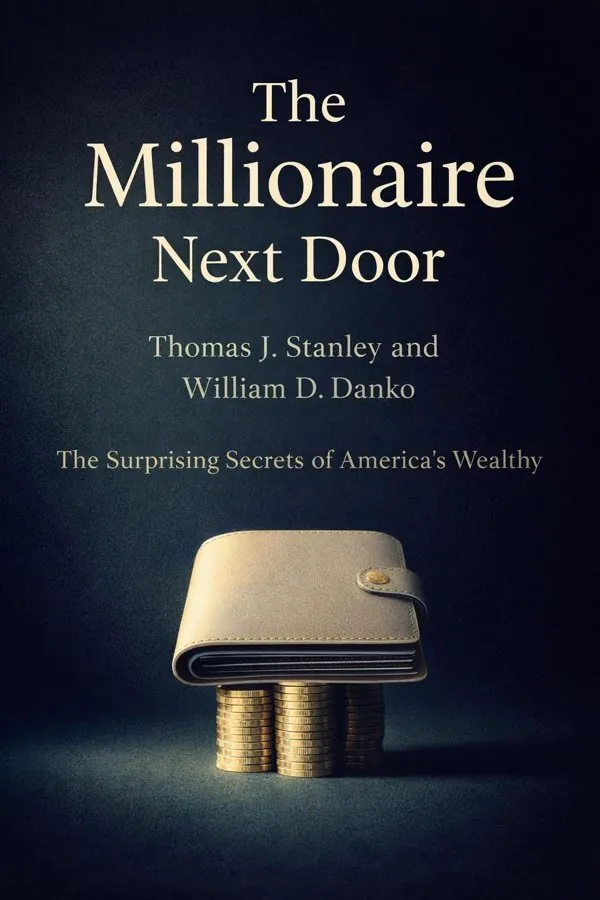
The Millionaire Next Door
by Thomas Stanley
What if most millionaires did not look rich at all? That is the surprising premise at the heart of The Millionaire Next Door, Thomas J. Stanley and William D. Danko’s landmark study of how wealth is actually built in America. Drawing on years of research, surveys, and interviews with affluent households, the authors challenge the popular image of wealth as visible luxury. Instead, they show that many truly wealthy people live in ordinary neighborhoods, drive practical cars, avoid status spending, and quietly build financial independence over decades. The book matters because it reframes wealth as a behavioral outcome rather than an income level or a lifestyle performance. It argues that financial success is usually the result of discipline, planning, self-control, and consistent investing—not luck, glamour, or a spectacular salary. Stanley’s authority comes from rigorous empirical research into the spending patterns, occupations, family habits, and values of high-net-worth individuals. His central insight is both simple and powerful: people become wealthy not by appearing affluent, but by prioritizing asset accumulation over consumption. For readers seeking a realistic path to financial independence, this book remains one of the most influential and practical guides ever written.
Key Takeaways
- 1Wealth Often Hides in Plain Sight — One of the book’s most revealing insights is that many millionaires do not fit the cultural stereotype of wealth. We are…
- 2Income Does Not Equal Net Worth — A high paycheck can create the illusion of wealth, but income alone does not make anyone financially secure. Stanley dis…
- 3Frugality Creates Freedom, Not Deprivation — Frugality is often misunderstood as penny-pinching or joyless self-denial. In The Millionaire Next Door, it appears as s…
 10 min read
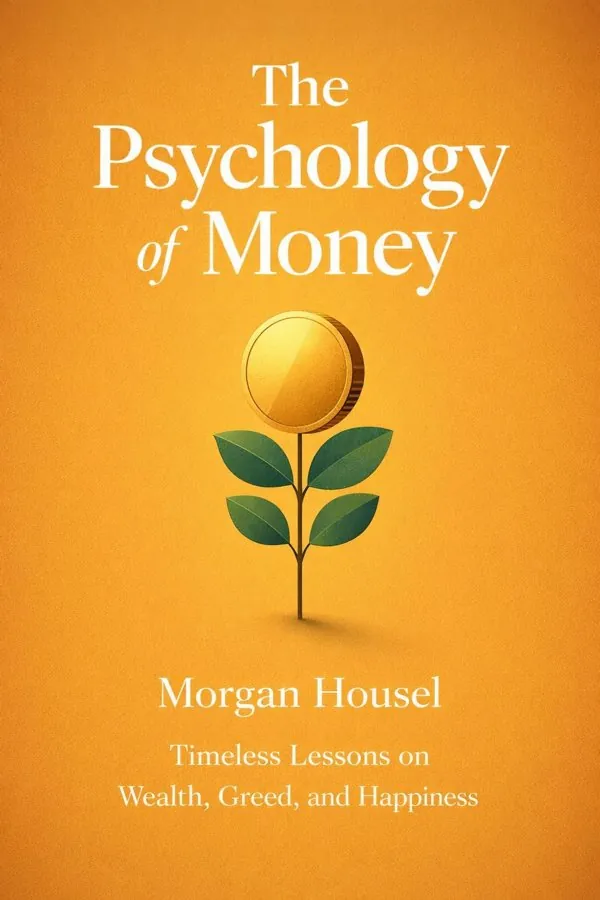
The Psychology of Money
by Morgan Housel
Money is often treated as a math problem, but Morgan Housel argues that it is really a behavior problem. In The Psychology of Money, he explores how wealth, spending, saving, risk, and happiness are shaped less by spreadsheets and more by emotion, ego, fear, luck, and personal history. The book explains why smart people can make poor financial decisions, why average people can build remarkable wealth, and why doing well with money has more to do with temperament than raw intelligence. Rather than offering complicated formulas or market predictions, Housel focuses on the habits and mindsets that drive long-term financial success. His lessons are practical, memorable, and rooted in stories from investors, business leaders, and everyday people. As a respected financial writer and former columnist for The Wall Street Journal and The Motley Fool, Housel brings both credibility and clarity to the subject. This book matters because it helps readers build a healthier relationship with money, make better decisions under uncertainty, and define success on their own terms.
Key Takeaways
- 1Money Decisions Are Driven by Behavior — One of the most important truths about money is that people do not make financial decisions on spreadsheets alone. They …
- 2Compounding Rewards Patience More Than Brilliance — The most extraordinary results in finance often come from ordinary actions repeated for a very long time. Housel emphasi…
- 3Saving Gives Power and Peace — Many people think of saving as delayed consumption, but Housel reframes it as a source of control, flexibility, and emot…
 10 min read
Your Money or Your Life
by Vicki Robin
Your Money or Your Life is one of the most influential personal finance books ever written because it asks a deeper question than most money guides: what are you trading your life for? Rather than focusing only on budgeting tricks or investment tactics, Vicki Robin and Joe Dominguez present a nine-step program for transforming your relationship with money at its roots. Their approach treats money as something earned with your finite life energy, making every financial decision a personal and ethical choice, not just a mathematical one. The book shows readers how to calculate their true earnings, track spending with honesty, reduce unnecessary expenses, save consistently, and build enough investment income to reach financial independence. What makes it powerful is that it links financial freedom with meaning, mindfulness, and deliberate living. Robin writes from decades of work in financial independence and sustainable living, while Dominguez brought the perspective of someone who retired early and taught others to do the same. Together, they created a framework that helps readers not only manage money better, but also reclaim time, purpose, and peace of mind.
Key Takeaways
- 1Make Peace With Your Financial Past — Real financial change begins not with a spreadsheet, but with honesty. Most people try to improve their money situation …
- 2Track Every Dollar In The Present — Awareness is often more powerful than willpower. One of the book’s central disciplines is tracking every cent that enter…
- 3Know Exactly Where It All Goes — Money problems often persist because spending remains blurry. After learning to track expenses, the next step is to orga…
 10 min read
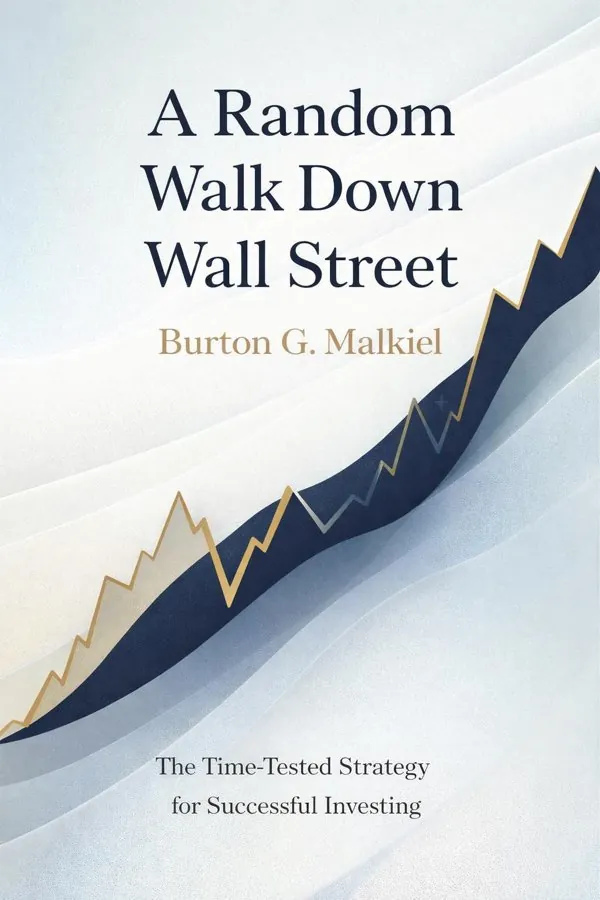
A Random Walk Down Wall Street
by Burton Malkiel
What if the biggest investing advantage is not superior intelligence, secret information, or perfect timing, but the discipline to ignore noise? In A Random Walk Down Wall Street, Burton G. Malkiel makes the provocative case that most investors, including many professionals, cannot consistently beat the market. Prices, he argues, move in ways that are largely unpredictable, making elaborate forecasting systems far less useful than they appear. Instead of chasing hot stocks, market gurus, or clever charts, Malkiel urges readers to embrace a simpler path: broad diversification, low costs, and long-term patience. First published in 1973 and repeatedly updated to address new market trends, the book has become one of the most influential works in personal finance. Malkiel writes with the authority of a Princeton economist and longtime investment thinker, but his message is strikingly practical. He combines financial history, economic theory, and behavioral psychology to show why investors so often sabotage themselves. For anyone trying to build wealth without becoming a full-time market analyst, this book remains a clear, persuasive, and deeply relevant guide to rational investing.
Key Takeaways
- 1Speculative manias never really disappear — Every generation believes its bubble is different. That is one of Burton Malkiel’s most important warnings. To understan…
- 2Charts cannot reliably predict markets — If price charts truly revealed the future, Wall Street would be full of billionaires drawing trend lines. Malkiel challe…
- 3Fundamental analysis has real limits — Careful research feels like it should guarantee better returns, but Malkiel shows why even serious fundamental analysis …
 10 min read
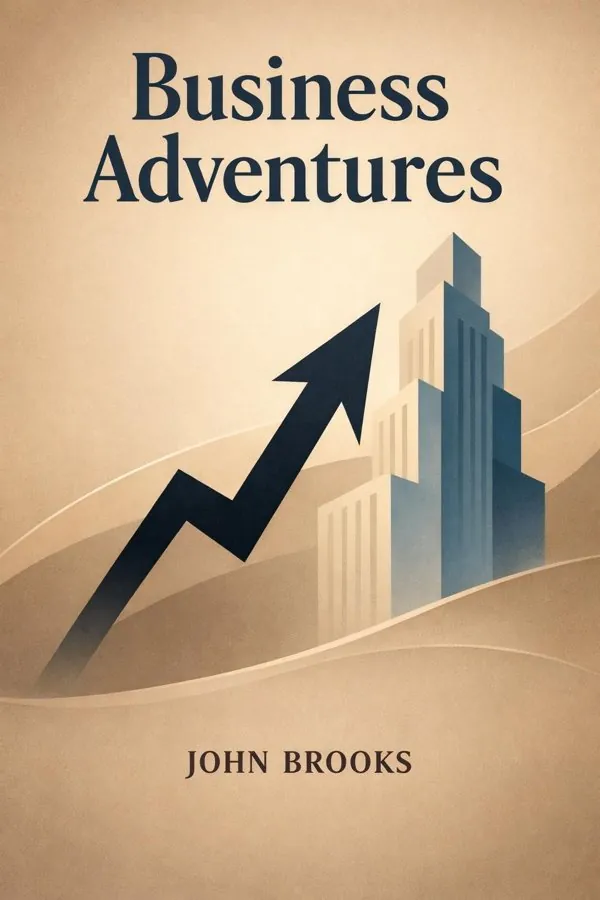
Business Adventures
by John Brooks
Business Adventures by John Brooks is a masterful collection of twelve narrative essays about some of the most revealing episodes in twentieth-century American business. First published in The New Yorker and later collected in book form, these stories move from market panics and product failures to currency crises, shareholder battles, and the hidden systems that keep modern capitalism running. Although the events took place decades ago, the book remains strikingly current because Brooks was never really writing only about stocks, cars, taxes, or corporate meetings. He was writing about people under pressure: executives defending bad decisions, investors chasing confidence, bureaucracies wrestling with complexity, and institutions trying to preserve credibility when events turn against them. That is why the book still resonates with leaders, founders, investors, and curious readers today. Brooks had a rare gift: he combined the reporting discipline of a financial journalist with the narrative grace of a novelist. The result is a business book that does not lecture in abstractions, but reveals enduring truths through vivid stories. Business Adventures matters because it shows that markets change, technologies evolve, but human nature in business barely does.
Key Takeaways
- 1Markets Run on Emotion as Much — A stock market decline is never only about numbers; it is also about the speed with which confidence can evaporate. In “…
- 2Great Products Can Still Fail Spectacularly — The Edsel is remembered as a punchline, but Brooks treats it as something more useful: a case study in how large organiz…
- 3Complex Systems Hide Everyday Fragility — One of Brooks’s most surprising achievements is making administrative machinery feel dramatic. In “The Federal Income Ta…
 10 min read
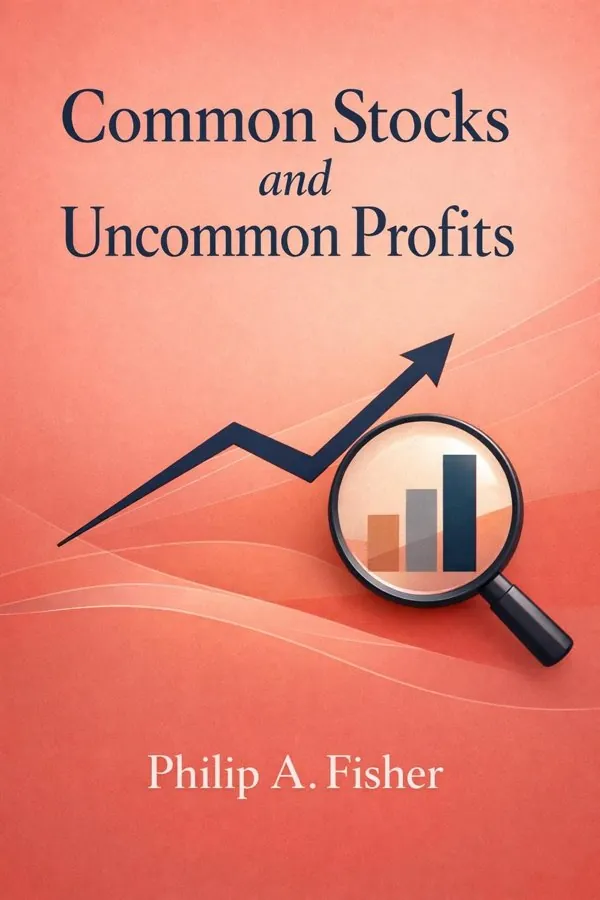
Common Stocks and Uncommon Profits
by Philip Fisher
Most investors spend too much time studying stock prices and too little time studying the businesses behind them. In Common Stocks and Uncommon Profits, Philip Fisher argues that truly exceptional investment results come not from chasing bargains or predicting short-term market swings, but from identifying rare companies with the capacity to grow for many years. First published in 1958, the book became one of the foundational texts of growth investing and remains highly relevant in today’s markets. Fisher’s central insight is simple but powerful: outstanding stocks are usually backed by outstanding management, strong products, a culture of innovation, and large opportunities for future expansion. To uncover these qualities, he recommends deep qualitative research, including his famous “scuttlebutt” method of gathering information from customers, suppliers, competitors, employees, and industry experts. This approach goes far beyond reading financial statements. Fisher wrote from authority. He was one of the earliest professional investors to focus on long-term business quality instead of short-term price action, and his ideas later influenced major investors such as Warren Buffett. This book matters because it teaches readers how to think like an owner, not a trader.
Key Takeaways
- 1Investment Is Not Mere Speculation — The stock market punishes confusion, and one of the costliest confusions is mistaking speculation for investment. Fisher…
- 2Use Scuttlebutt to See Reality — A company’s annual report tells a story, but the world around the company tells the truth. Fisher’s famous “scuttlebutt”…
- 3The Fifteen Points Define Excellence — Great investments are rarely accidents. Fisher’s famous fifteen-point checklist provides a framework for identifying the…
 10 min read
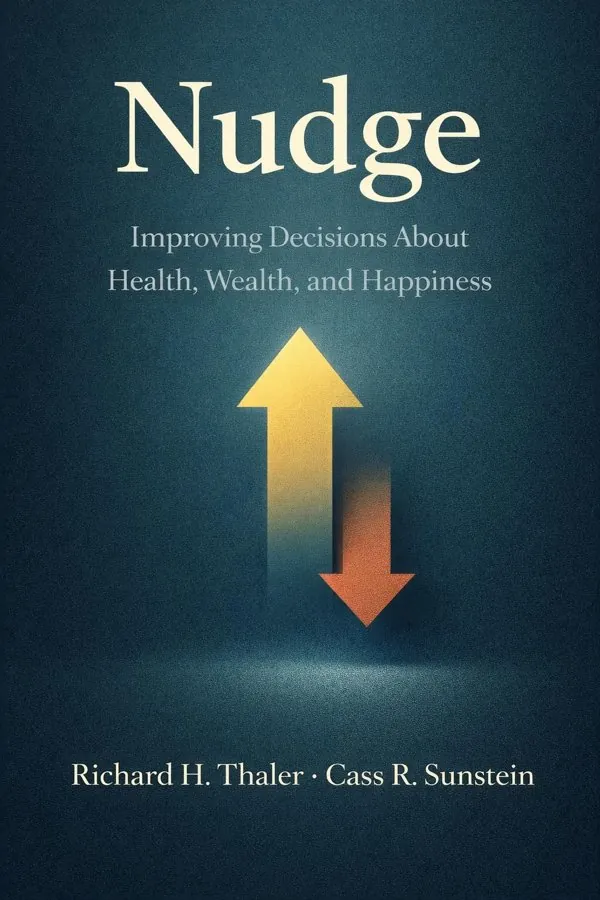
Nudge
by Richard H. Thaler, Cass R. Sunstein
Why do smart people make choices they later regret? Why do employees fail to enroll in retirement plans that clearly benefit them, patients skip life-saving medications, and consumers get overwhelmed by too many options? In Nudge, Richard H. Thaler and Cass R. Sunstein argue that these mistakes are not random flaws but predictable patterns in human behavior. Drawing on behavioral economics, psychology, and public policy, they show that the way choices are presented strongly shapes the decisions people make. This insight leads to their central concept: choice architecture, or the design of the environments in which decisions happen. What makes the book powerful is its practical ambition. Thaler and Sunstein do not call for heavy-handed control or the elimination of personal freedom. Instead, they propose “libertarian paternalism”: guiding people toward better outcomes while preserving the right to choose otherwise. Their ideas have influenced retirement savings programs, health policy, school design, and government regulation around the world. Thaler, a pioneering behavioral economist and Nobel Prize winner, and Sunstein, a leading legal scholar and policy thinker, bring unusual authority to a book that is both intellectually influential and immediately useful.
Key Takeaways
- 1Humans Are Predictably Imperfect Decision-Makers — The most important starting point in Nudge is a humbling one: people do not consistently choose what is best for themsel…
- 2Choice Architecture Shapes What People Choose — Every choice takes place somewhere, and that “somewhere” is never neutral. One of Nudge’s most influential ideas is that…
- 3Libertarian Paternalism Protects Freedom While Guiding Choices — At first glance, the phrase “libertarian paternalism” sounds contradictory. Libertarianism emphasizes freedom of choice,…
 10 min read
Poor Charlie"s Almanack
by Charles T. Munger
Poor Charlie’s Almanack is far more than a book about investing. It is a practical guide to thinking clearly, judging wisely, and living rationally in a world full of noise, ego, incentives, and error. Compiled by Peter D. Kaufman from Charles T. Munger’s speeches, essays, and public remarks, the book captures the intellectual operating system behind one of the most respected minds in business. Munger, best known as Warren Buffett’s longtime partner at Berkshire Hathaway, argues that success does not come from flashy predictions or complicated formulas. It comes from disciplined reasoning, moral clarity, patience, and a broad understanding of how the world actually works. What makes this book matter is its reach. Munger draws lessons not only from finance, but also from psychology, biology, history, economics, engineering, law, and human behavior. His famous idea of using a “latticework of mental models” offers readers a way to make better decisions in investing, business, and everyday life. Sharp, witty, and often brutally honest, Poor Charlie’s Almanack remains essential reading for anyone who wants to avoid foolish mistakes and build sound judgment over a lifetime.
Key Takeaways
- 1The Psychology of Human Misjudgment — The most dangerous enemy in decision-making is often not the market, the competition, or bad luck, but the mind itself. …
- 2The Importance of Mental Models — A single big idea is rarely enough to understand a complex world. Munger’s concept of mental models is his answer to sha…
- 3Worldly Wisdom Through Broad Learning — Real wisdom does not come from knowing more facts than everyone else; it comes from understanding the enduring patterns …
 10 min read
The Essays of Warren Buffett
by Warren Buffett
The Essays of Warren Buffett is more than a finance book. It is a masterclass in rational thinking, capital allocation, corporate stewardship, and long-term investing, drawn from Buffett’s famous shareholder letters to Berkshire Hathaway owners and organized by legal scholar Lawrence A. Cunningham. Rather than presenting theory in the abstract, the book shows how one of history’s greatest investors actually thinks about businesses, managers, markets, accounting, acquisitions, and ethics. That is what makes it so enduring: every idea comes from real decisions, real money, and real consequences. What sets this collection apart is Buffett’s rare ability to explain complex financial concepts in plain language without losing depth. He writes as an owner, not a speculator, and he treats shareholders as partners, not customers to be impressed. The result is a book that teaches not just how to invest, but how to judge character, avoid foolishness, read financial statements intelligently, and make decisions with discipline. For investors, executives, entrepreneurs, and anyone interested in how durable wealth is built, The Essays of Warren Buffett remains one of the clearest and most practical guides ever written.
Key Takeaways
- 1Corporate Governance Means True Owner Alignment — Great governance begins with a simple but demanding idea: managers should behave as if the business belongs to them and …
- 2Capital Allocation Is The CEO’s Core Job — A business can produce cash, but turning that cash into long-term value is a separate skill altogether. Buffett argues t…
- 3Treat Stocks As Pieces Of Businesses — The market invites people to think in tickers, charts, and price moves. Buffett asks readers to think in farms, shops, b…
Want the full summary?
Get instant access to this book summary and 100K+ more with Fizz Moment.
Get Free SummaryAvailable on App Store • Free to download
About This List
Whether you want to get out of debt, start investing, or understand how money really works, these finance books break down complex concepts into actionable advice.
This list features 15 carefully selected books. With FizzRead, you can read AI-powered summaries of each book in just 15 minutes. Get the key takeaways and start applying the insights immediately.
Ready to start reading?
Get instant access to all 15 book summaries and 100K+ more with FizzRead.