
Best Fiction Books — Stories That Will Stay with You
Fiction reveals truths that non-fiction cannot. These novels, short stories, and literary works will transport you to other worlds and change how you see your own.
 10 min read
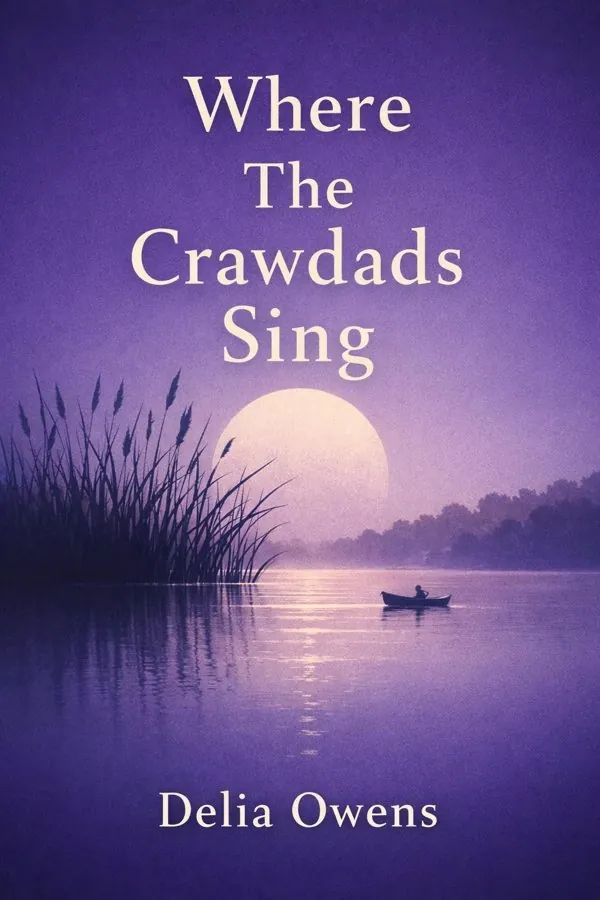
Where the Crawdads Sing
by Delia Owens
What makes a person who they are: the people who raise them, the place that shapes them, or the wounds they learn to survive? Where the Crawdads Sing answers that question through one of modern fiction’s most unforgettable heroines, Kya Clark, a girl abandoned by nearly everyone except the wild marsh she calls home. First published in 2018, Delia Owens’s bestselling novel blends coming-of-age drama, love story, courtroom suspense, and murder mystery into a deeply atmospheric reading experience. But what gives the book its lasting emotional power is its portrait of loneliness, prejudice, and the human need to belong. Set against the coastal wetlands of North Carolina, the novel asks readers to look beyond labels like “Marsh Girl” and see the full humanity of someone society has dismissed. Owens, an American author and zoologist, brings extraordinary sensory detail to the natural world, making the marsh feel as alive and important as any character in the story. That scientific eye, paired with an intimate emotional lens, gives the novel its signature strength. If you’re drawn to stories about resilience, nature, heartbreak, and hidden truths, this book offers all of that—and more.
Key Takeaways
- 1Kya’s Early Life and Family Abandonment — Kya Clark’s childhood is shaped by repeated abandonment, and the novel makes clear that this isn’t a single traumatic ev…
- 2Learning, Love, and the Pain of Absence — Tate Walker changes Kya’s life because he offers something no one else has consistently given her: patient recognition. …
- 3Chase Andrews and the Collision of Two Worlds — Chase Andrews represents a very different kind of relationship from Tate, and through him the novel explores what happen…
 10 min read
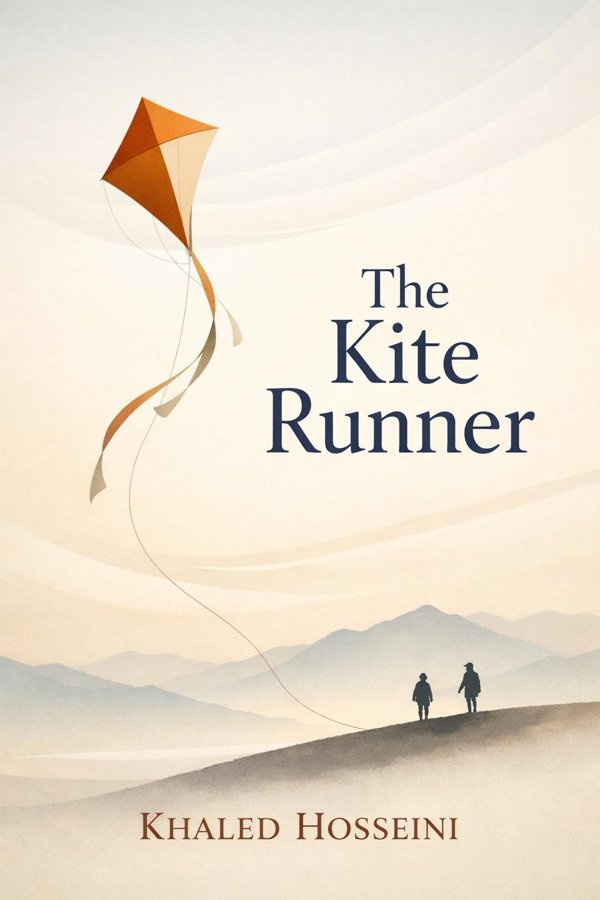
The Kite Runner
by Khaled Hosseini
What does it take to live with a betrayal you can never forget? The Kite Runner answers that question with unusual emotional force, tracing one boy’s mistake across decades of war, exile, silence, and painful self-reckoning. Set first in a peaceful 1970s Kabul and then against the upheavals that remake Afghanistan, Khaled Hosseini’s bestselling novel is both an intimate coming-of-age story and a sweeping portrait of a country in crisis. At its center is Amir, a privileged Pashtun boy, and Hassan, the loyal Hazara child raised in the same household yet never treated as an equal. Their bond is tender, complicated, and ultimately shattered by fear. What makes the novel so unforgettable is that it never reduces redemption to easy forgiveness. Instead, it shows how guilt lingers, how class and ethnicity shape lives, and how courage often arrives late. Hosseini, an Afghan-American novelist and physician born in Kabul, writes with deep feeling about displacement, memory, and family. The result is a story that stays with readers long after the final page, reminding us that the past is never truly past.
Key Takeaways
- 1Childhood in Kabul — The novel begins in a Kabul that feels vibrant, ordinary, and full of possibility before war transforms it. Hosseini tak…
- 2The Kite Tournament and Betrayal — The winter kite tournament is one of the novel’s most powerful sequences because it brings triumph and moral collapse to…
- 3Guilt and Estrangement — After the assault, Amir’s inner world begins to unravel. He cannot undo what he witnessed, and instead of confessing or …
 10 min read
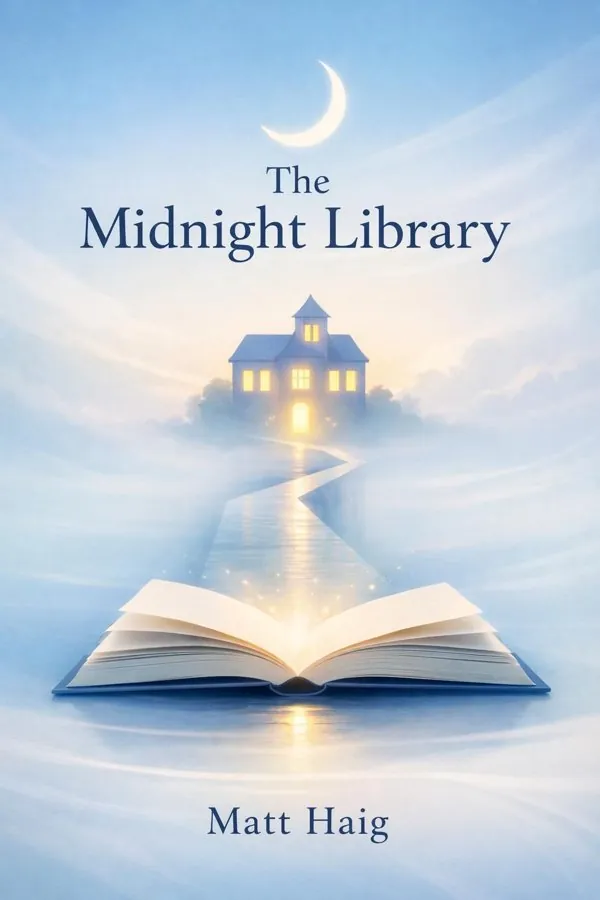
The Midnight Library
by Matt Haig
What if every regret you have ever carried could be tested, revised, and lived out in a different version of your life? Matt Haig’s The Midnight Library begins with that haunting question and turns it into a deeply moving novel about despair, possibility, and the fragile beauty of being alive. At the center of the story is Nora Seed, a woman overwhelmed by disappointment and convinced she has failed at life. But in the mysterious space between life and death, she finds herself inside a library filled with books that each contain a different life she could have lived if she had made other choices. From there, the novel becomes both a gripping story and a philosophical meditation on regret, identity, and what truly makes a life meaningful. Haig is especially suited to explore these themes. Across both fiction and nonfiction, including Reasons to Stay Alive, he has written with unusual honesty about mental health, hope, and the human condition. The Midnight Library matters because it speaks directly to modern anxieties: the fear of wasted potential, the burden of comparison, and the longing to know if a different life would have made us happier.
Key Takeaways
- 1Between Life and Death: Nora’s Awakening — Sometimes the most transformative moment in a story begins at the point where a person believes nothing can change. That…
- 2Lessons from the Infinite Lives — We often imagine that regret points toward the life we should have lived, but The Midnight Library asks a more unsettlin…
- 3Choosing Life Again — A meaningful life is not discovered by finding perfection; it is chosen by embracing imperfection. As Nora moves through…
 10 min read
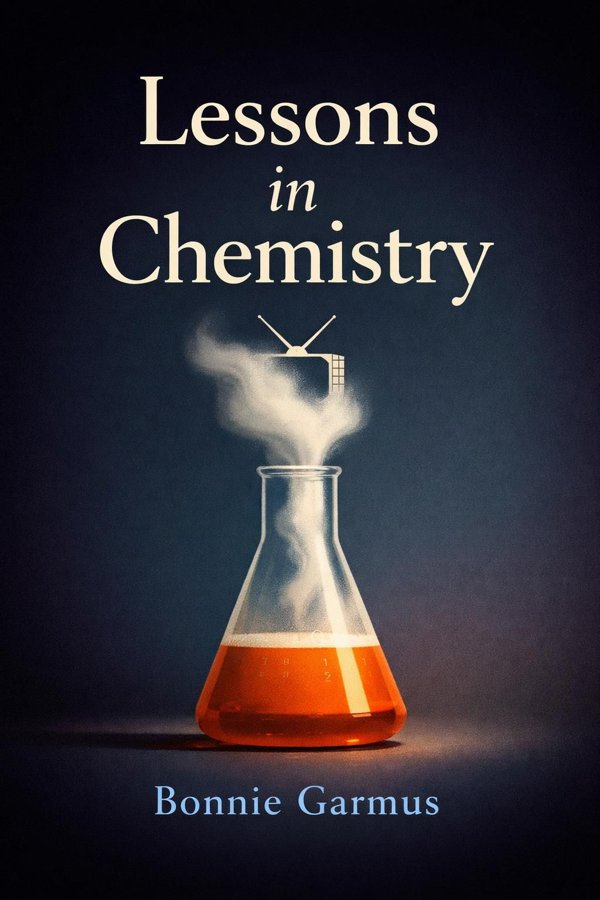
Lessons in Chemistry
by Bonnie Garmus
Set in early-1960s America, Lessons in Chemistry follows Elizabeth Zott, a fiercely intelligent chemist whose life is repeatedly derailed by sexism, grief, and institutions determined to keep women in supporting roles. When a series of personal and professional setbacks pushes her out of the lab and onto television as the host of a cooking show, Elizabeth does something radical: she treats cooking as chemistry and speaks to women as if they are capable of rigorous thought, self-respect, and ambition. The result is a novel that is funny, moving, and sharply observant about the hidden costs of a culture that underestimates women. Bonnie Garmus uses a vivid cast, emotional storytelling, and satirical bite to explore motherhood, scientific thinking, love, resilience, and identity. Although it is fiction, the novel feels grounded in historical truth, capturing how talent is often suppressed by prejudice and how ordinary acts of defiance can change lives. Lessons in Chemistry matters because it turns one woman’s struggle into a larger argument for dignity, intellectual freedom, and the right to define your own future.
Key Takeaways
- 1From the Laboratory to Love — A brilliant mind is often tested less by complexity than by the people determined to ignore it. Elizabeth Zott begins he…
- 2Transformation and the Heat of Loss — The most painful transformations are the ones we never chose. After Calvin’s sudden death, Elizabeth is forced into a li…
- 3Supper at Six as Quiet Revolution — Sometimes the most subversive act is speaking plainly to people who have been trained to underestimate themselves. When …
 10 min read
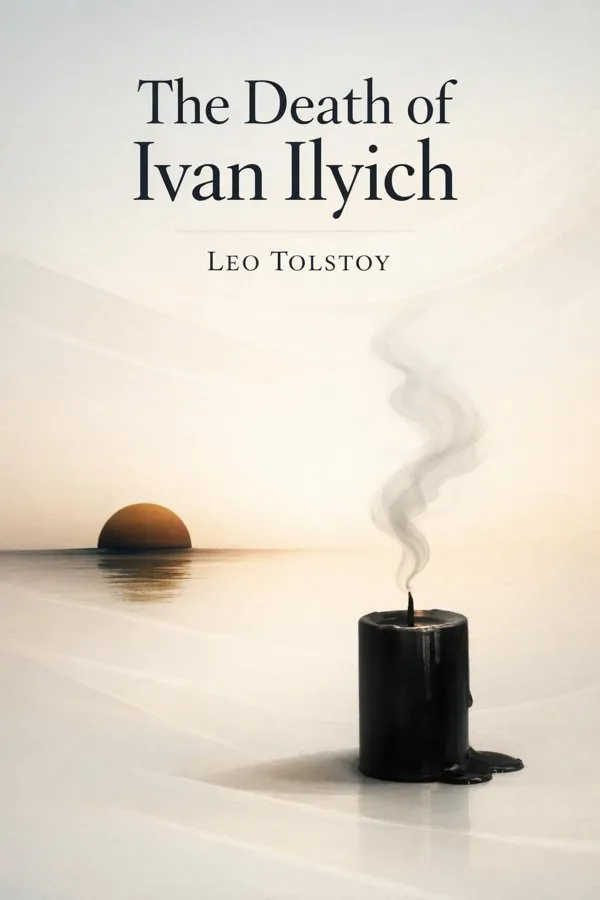
The Death of Ivan Ilyich
by Leo Tolstoy
The Death of Ivan Ilyich is Leo Tolstoy’s piercing novella about a successful judge whose ordinary, respectable life is shattered by terminal illness. At first glance, Ivan Ilyich appears to have done everything right: he has pursued a proper education, advanced in his career, married appropriately, furnished his home tastefully, and secured social approval. Yet when death approaches, he is forced to confront a devastating question: what if the life he considered proper was not truly meaningful at all? Tolstoy transforms this private crisis into a profound meditation on mortality, self-deception, suffering, and spiritual awakening. The novella matters because it strips away the comforting illusions people often build around status, routine, and external success, revealing how easily a socially admirable life can conceal emotional emptiness and moral compromise. Few writers have examined death with such psychological precision and moral seriousness. Tolstoy, one of literature’s greatest novelists and a thinker deeply preoccupied with ethics and faith, brings rare authority to this subject. The result is a short work of fiction that feels uncomfortably personal, enduringly wise, and urgently relevant to anyone who has ever wondered what it means to live well before it is too late.
Key Takeaways
- 1A Proper Life Can Still Be Hollow — One of Tolstoy’s most unsettling insights is that a life can look completely successful from the outside and still be sp…
- 2Marriage Without Love Becomes Performance — Tolstoy shows that relationships built on convenience rather than tenderness can become emotionally corrosive long befor…
- 3Career Success Can Conceal Moral Sleep — A prestigious profession can provide identity, distraction, and self-respect, but it can also become a shelter from deep…
 10 min read
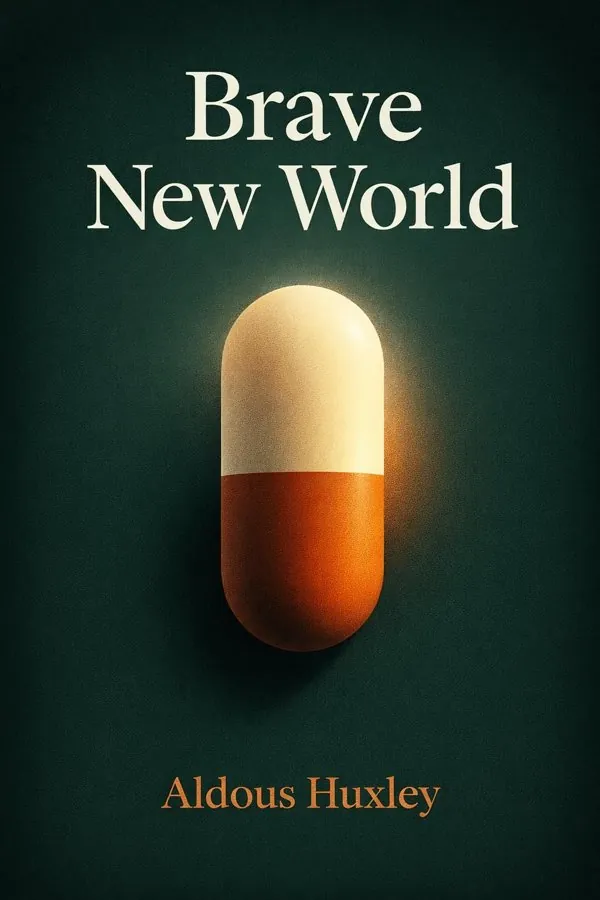
Brave New World
by Aldous Huxley
What if the greatest threat to freedom were not violence or tyranny, but comfort? In Brave New World, Aldous Huxley imagines a future society that has solved many of humanity’s oldest problems: war is minimized, suffering is medicated, desire is managed, and social conflict is engineered away before it begins. Yet beneath this polished surface lies a terrifying question: what remains of a human being when individuality, family, love, grief, ambition, and spiritual longing have all been sacrificed for stability? Set in the technologically advanced World State, the novel follows characters who begin to sense the emptiness hidden inside a perfectly organized civilization. Through genetic design, psychological conditioning, casual pleasure, and relentless consumption, Huxley presents a world in which people are kept happy precisely by being kept shallow. The book is both a gripping dystopian story and a profound philosophical warning. First published in 1932, Brave New World remains startlingly relevant in an age shaped by entertainment, pharmaceuticals, social engineering, and algorithmic influence. Huxley, one of the twentieth century’s sharpest literary and social critics, wrote a novel that still challenges readers to ask whether a painless life is worth the loss of freedom, depth, and truth.
Key Takeaways
- 1The Hatchery and Conditioning Center — A society reveals its deepest values by the way it creates and trains its children. In Brave New World, the Hatchery and…
- 2Social Hierarchies and Engineered Happiness — Inequality becomes hardest to challenge when people are trained to love the place assigned to them. The World State is b…
- 3Soma and the Sedation of Pain — A society does not need to silence dissent by force if it can teach people to medicate every uncomfortable feeling away.…
 10 min read
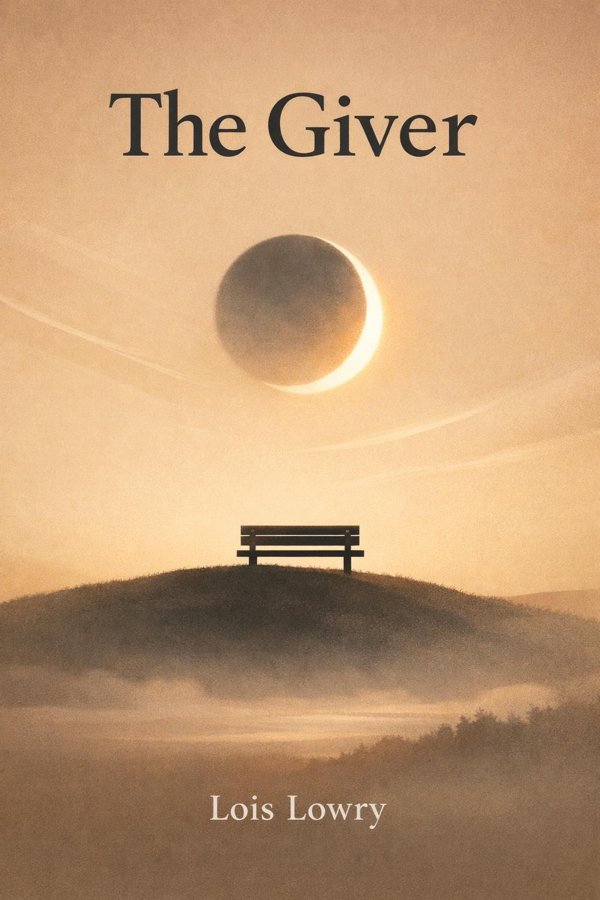
The Giver
by Lois Lowry
What if a society could remove pain, conflict, hunger, and fear—yet only by erasing choice, love, and the full depth of human life? In The Giver, Lois Lowry imagines exactly that paradox through the story of Jonas, a boy growing up in a tightly controlled community built on “Sameness.” At first, his world appears peaceful, efficient, and fair. But when Jonas is selected to become the community’s new Receiver of Memory, he begins to inherit the buried experiences of humanity: pleasure and suffering, beauty and grief, love and loss. Those memories awaken him to everything his society has sacrificed in the name of stability. Published in 1993, The Giver remains one of the most influential dystopian novels for young readers because it asks timeless moral questions in deceptively simple prose. Lowry, a two-time Newbery Medal winner, writes with remarkable clarity and emotional precision, making complex ideas about conformity, freedom, and moral responsibility accessible without ever simplifying them. The result is a novel that feels both intimate and philosophical: a story about one boy’s awakening, and a warning about what happens when comfort becomes more important than truth.
Key Takeaways
- 1The Seduction of Sameness — A world without visible suffering can be dangerously persuasive. One of the most powerful features of The Giver is that …
- 2Jonas’s Selection Changes Everything — The moment Jonas is chosen as Receiver of Memory, his life stops belonging entirely to the community and begins turning …
- 3Memory Gives Life Its Depth — A painless life may sound appealing until we realize that pain and joy are often woven together. As the Giver transmits …
 10 min read
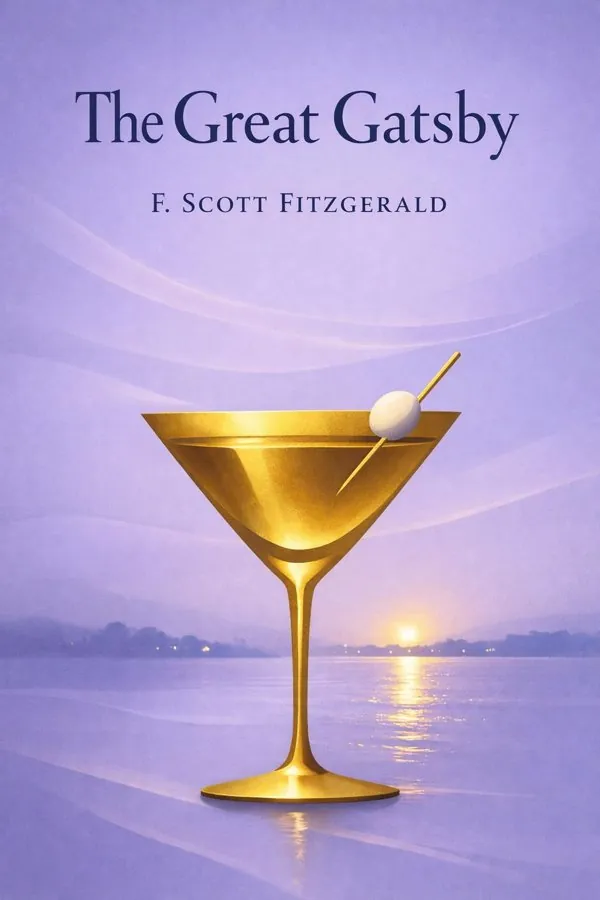
The Great Gatsby
by F. Scott Fitzgerald
The Great Gatsby is a short novel with an unusually long shadow. Set in the glittering world of Long Island and New York during the Roaring Twenties, it follows Nick Carraway as he becomes entangled with his wealthy, enigmatic neighbor Jay Gatsby—a man who has built a dazzling life around a single impossible desire: to win back Daisy Buchanan, the woman he loved before the war. What begins as a story of romance and ambition gradually reveals itself as something darker: a study of class, self-invention, moral emptiness, and the fragile promises of the American Dream. Fitzgerald’s genius lies in how he turns parties, mansions, and social rituals into symbols of a culture intoxicated by money yet hollow at its core. More than a portrait of an era, the novel remains enduring because it asks timeless questions: Can we remake ourselves? Can love survive illusion? And what happens when our dreams are built on denial? Fitzgerald, one of the defining voices of the Jazz Age, gives these questions unforgettable emotional force.
Key Takeaways
- 1Nick’s Arrival in a Divided World — A new place often reveals more about a society than those born into it ever notice. Fitzgerald begins with Nick Carraway…
- 2Gatsby’s Entrance and a Secret Love — Some people do not simply enter a story; they arrive as if they have already become a legend. Gatsby’s introduction is c…
- 3Wealth, Class, and Invisible Barriers — Money can buy access, but it cannot always buy acceptance. One of the novel’s sharpest insights is that wealth is not a …
 10 min read
When Crickets Cry
by Charles Martin
When Crickets Cry by Charles Martin is a moving work of inspirational fiction about grief, guilt, healing, and the mysterious ways love calls people back to life. Set in a small Southern town, the novel follows Reese, a withdrawn man with a painful past, whose carefully hidden wounds are exposed when he meets a brave little girl named Annie and her devoted aunt, Cindy. What begins as a chance encounter slowly becomes a story about second chances, sacrifice, and the courage required to face what we would rather bury. At the heart of the novel is a question that is both medical and deeply spiritual: what does it take to mend a broken heart? Martin explores that question not only through illness and physical frailty, but through emotional loss and moral responsibility. Known for his lyrical prose, emotionally rich storytelling, and faith-tinged reflections on suffering and redemption, Charles Martin has built a reputation as a novelist who combines suspense, compassion, and memorable characters. This book matters because it reminds readers that healing is rarely neat, but love often reaches us precisely where we are most shattered.
Key Takeaways
- 1Broken hearts need more than medicine — Some wounds are visible on a scan, while others hide behind a smile, a silence, or a carefully constructed routine. One …
- 2Grace often arrives through unexpected people — The people who change us most are often the ones we never planned to meet. A central idea in When Crickets Cry is that g…
- 3Guilt can imprison the gifted — A person can possess extraordinary ability and still feel unworthy of using it. One of the most compelling themes in Whe…
 10 min read
A Little Life
by Hanya Yanagihara
Some novels tell a story; A Little Life creates an emotional atmosphere so intense that it can feel like a life lived alongside its characters. Hanya Yanagihara’s 2015 novel follows four friends—Jude St. Francis, Willem Ragnarsson, JB Marion, and Malcolm Irvine—from their college years into adulthood in New York City. Though the book begins as a portrait of ambition, friendship, and urban reinvention, it gradually narrows around Jude, a brilliant litigator whose physical pain and emotional reserve conceal a history of extreme trauma. What emerges is a deeply searching work about love, endurance, damage, dependence, and the limits of healing. The novel matters because it refuses easy answers: it asks whether care can coexist with irreparable suffering, and whether a person can be cherished even when they cannot believe in their own worth. Yanagihara, acclaimed for her fearless emotional range and exacting psychological detail, writes with unusual intensity about vulnerability and attachment. The result is a modern epic of friendship and pain that continues to provoke admiration, debate, and profound feeling.
Key Takeaways
- 1Four Friends in a Vast City — A city can magnify both possibility and loneliness, and A Little Life begins by showing how friendship becomes a form of…
- 2The Mystery of Jude St. Francis — Some people organize their lives around concealment, and Jude St. Francis is one of fiction’s most haunting examples. At…
- 3Love and the Weight of Suffering — Love is often imagined as a cure, but A Little Life asks a far harder question: what if love cannot save someone from su…
 10 min read
Blood Meridian
by Cormac McCarthy
Blood Meridian is Cormac McCarthy’s ferocious, hallucinatory vision of the American frontier, set along the U.S.-Mexico border in the mid-nineteenth century. At its center is the Kid, a teenage runaway who drifts into a world where war, scalp hunting, and random slaughter are not exceptions but the daily logic of survival and profit. He falls in with John Joel Glanton’s gang, a historical band of mercenaries, and comes under the terrifying influence of Judge Holden, one of the most unforgettable figures in modern fiction. More than a western, the novel is a philosophical reckoning with violence: where it comes from, how societies excuse it, and whether any trace of mercy can survive inside it. McCarthy, widely regarded as one of America’s greatest novelists, brings extraordinary authority to this material through biblical cadence, historical detail, and an unblinking moral imagination. Blood Meridian matters because it strips away the frontier myth of noble conquest and reveals a harsher truth: civilization is often built not despite bloodshed, but through it.
Key Takeaways
- 1The Kid and Violence’s Early Seed — Some people enter violence by choice; in Blood Meridian, the more disturbing idea is that violence may be waiting for th…
- 2The Frontier as Moral Collapse — The frontier in Blood Meridian is not a place of freedom but a proving ground where moral language loses its force. McCa…
- 3The Glanton Gang and Organized Slaughter — Violence becomes most terrifying when it is given a paycheck, a banner, and a justification. The Kid eventually joins Gl…
 10 min read
Heart of Darkness
by Joseph Conrad
Joseph Conrad’s Heart of Darkness is a short novel with enormous reach. On the surface, it tells a gripping story: sailor Charles Marlow accepts a job with a Belgian trading company and travels into the Congo to retrieve Kurtz, a brilliant and celebrated ivory agent who has become dangerously ill and strangely powerful. But Conrad turns that journey into something larger and more unsettling. As Marlow moves deeper into colonial Africa, the book exposes the violence, greed, and hypocrisy hidden beneath Europe’s language of civilization and progress. It also asks a harder question: what happens to human beings when familiar rules fall away and power goes unchecked? The novella matters because it is both an adventure narrative and a moral investigation. It remains central to conversations about imperialism, racism, corruption, and the fragility of identity. Conrad wrote from unusual authority. A Polish-born seaman who later became a British novelist, he had firsthand experience in the Congo, and that experience shaped the novel’s haunting realism. Heart of Darkness endures not because it gives comforting answers, but because it forces readers to confront how easily darkness can hide inside institutions, ideals, and the self.
Key Takeaways
- 1The Thames and Civilization’s Shadow — A civilization often reveals itself most clearly not in its monuments, but in the stories it tells about its own innocen…
- 2Maps, Desire, and the Lure of Blankness — What draws people toward the unknown is not always courage; often, it is imagination mixed with ambition. Marlow recalls…
- 3Brussels and the Machinery of Empire — Corruption rarely announces itself as corruption; it often appears as administration, routine, and good manners. Marlow’…
 10 min read
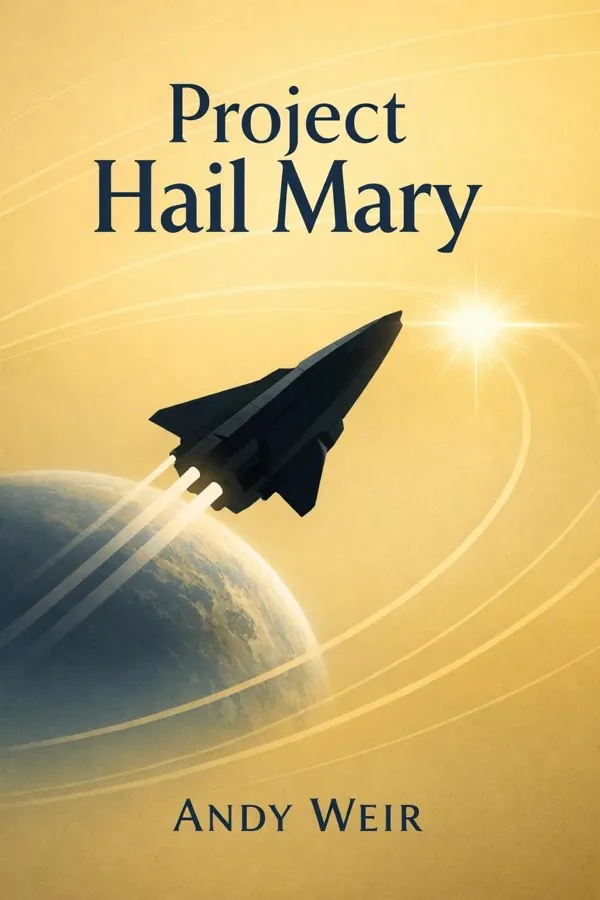
Project Hail Mary
by Andy Weir
What if the fate of Earth depended not on a superhero, a soldier, or a chosen one, but on a middle-school science teacher who can think clearly under pressure? That irresistible premise powers Project Hail Mary, Andy Weir’s thrilling 2021 science-fiction novel about memory, survival, and the kind of problem-solving that becomes heroic when everything is at stake. The story begins with Ryland Grace waking alone on a spaceship, disoriented and unable to remember his own name. As his memory slowly returns, so does the terrifying truth: the sun is dimming, Earth is sliding toward catastrophe, and he may be humanity’s last chance. What makes the novel stand out is its rare blend of scientific rigor, emotional warmth, and genuine suspense. Weir, best known for The Martian, has built a reputation for turning hard science into page-turning drama. Here, he expands his reach, combining astrophysics, biology, engineering, and first-contact storytelling into a novel that feels both intellectually satisfying and deeply humane. Project Hail Mary matters because beneath its cosmic stakes lies a timeless idea: survival depends on curiosity, cooperation, and the courage to keep solving the next problem.
Key Takeaways
- 1Waking Alone Inside a Broken Mind — Identity becomes most visible when it is stripped away. Project Hail Mary opens with one of the most effective premises …
- 2A Dying Sun and Hidden Cause — Civilization often collapses not from one dramatic blow, but from a slow, measurable change ignored too long. As Grace’s…
- 3Science as Humanity’s Survival Language — Knowledge matters most when it becomes usable under pressure. One of the central pleasures of Project Hail Mary is watch…
 10 min read
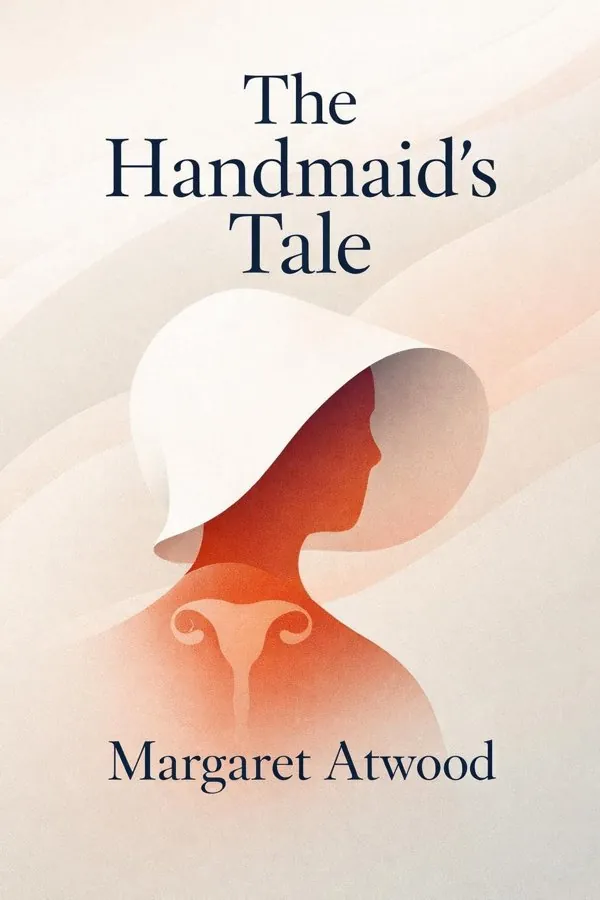
The Handmaid's Tale
by Margaret Atwood
Some novels feel invented; The Handmaid’s Tale feels alarmingly assembled from pieces of real history. Margaret Atwood’s 1985 classic imagines the Republic of Gilead, a theocratic regime built on fear, fertility crisis, and the systematic reduction of women into social functions. At the center is Offred, a Handmaid assigned to bear children for powerful men and their wives, while struggling to preserve memory, identity, and the possibility of freedom. What makes the novel so enduring is not only its dystopian setting, but its psychological precision: Atwood shows how tyranny enters everyday life through language, ritual, clothing, law, and the slow normalization of cruelty. The book matters because it turns abstract debates about power, gender, religion, and politics into lived experience. It asks how rights disappear, how people adapt to oppression, and what forms of resistance remain when open rebellion seems impossible. Atwood brings unusual authority to these questions through her sharp historical awareness, literary craft, and refusal to invent atrocities that human societies have not already practiced somewhere. The result is a haunting, intelligent, and urgently relevant novel.
Key Takeaways
- 1The Birth of Gilead in Chains — Tyranny rarely arrives announcing itself as tyranny; it arrives as a solution. In The Handmaid’s Tale, the Republic of G…
- 2Offred and the Machinery of Control — Oppression becomes most powerful when it feels routine. Offred’s daily life as a Handmaid is governed by scripted ritual…
- 3Desire, Disobedience, and Fragile Freedom — One of the novel’s deepest truths is that resistance often begins not with ideology but with longing. Offred’s acts of d…
 10 min read
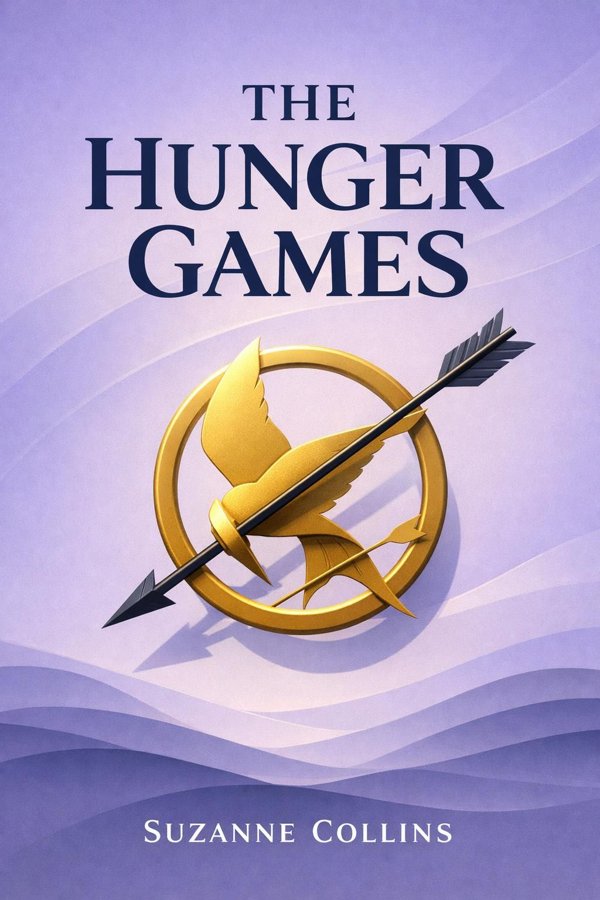
The Hunger Games
by Suzanne Collins
The Hunger Games is a gripping dystopian novel that turns survival into spectacle and asks what happens when power feeds on fear. Set in the nation of Panem, the story follows sixteen-year-old Katniss Everdeen, a girl from impoverished District 12 who volunteers to take her younger sister’s place in the annual Hunger Games, a televised event in which children are forced to kill one another for the Capitol’s entertainment. What begins as a fight to stay alive becomes a moral and political awakening, as Katniss discovers that even small acts of compassion can challenge a brutal system. The novel matters because it blends fast-paced storytelling with sharp insight into inequality, propaganda, media manipulation, trauma, and resistance. Suzanne Collins brings unusual authority to these themes through her background as a television writer and her deep interest in war, myth, and the psychology of survival. The result is a book that feels both cinematic and unsettlingly plausible: an unforgettable story about how oppressive systems endure, and how ordinary people begin to push back.
Key Takeaways
- 1Panem and the Capitol’s Grip — Oppression works best when it feels inevitable. That is the first truth The Hunger Games reveals through Panem, a nation…
- 2Katniss in District 12 — Survival can sharpen a person, but it can also isolate them. Before Katniss ever enters the arena, her life in District …
- 3The Reaping and Sacrificial Love — The most radical act in a cruel system may begin as a private act of love. The Reaping, where one boy and one girl from …
Want the full summary?
Get instant access to this book summary and 100K+ more with Fizz Moment.
Get Free SummaryAvailable on App Store • Free to download
About This List
Fiction reveals truths that non-fiction cannot. These novels, short stories, and literary works will transport you to other worlds and change how you see your own.
This list features 15 carefully selected books. With FizzRead, you can read AI-powered summaries of each book in just 15 minutes. Get the key takeaways and start applying the insights immediately.
Ready to start reading?
Get instant access to all 15 book summaries and 100K+ more with FizzRead.