
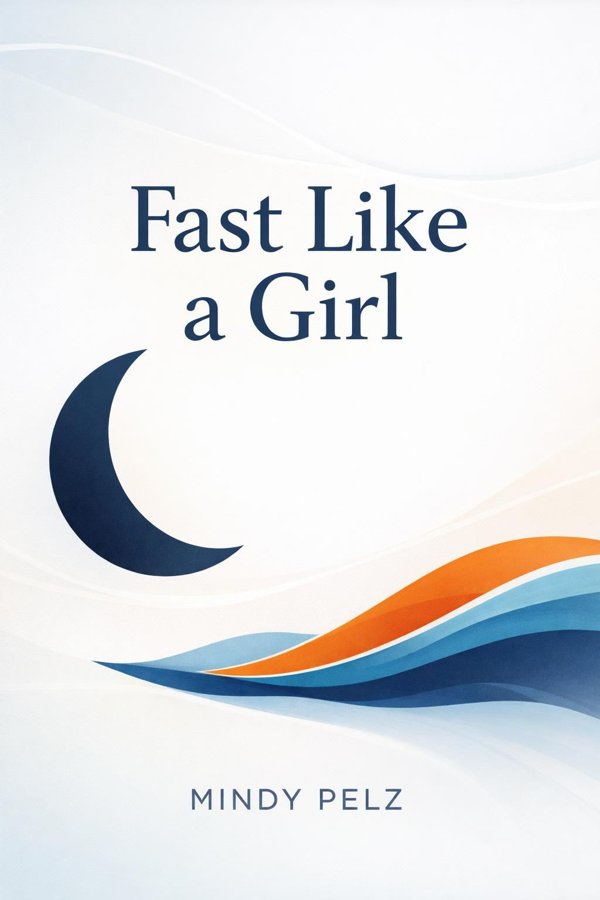
Fast Like a Girl: Summary & Key Insights
 10 min10 chaptersAudio available
Key Takeaways from Fast Like a Girl
The foundation of Fast Like a Girl is simple: women’s hormones shape how the body responds to fasting, so any effective fasting plan must begin with hormonal awareness.
Pelz frames fasting as more than a weight-loss tactic.
One of the most useful parts of Fast Like a Girl is its effort to clear away common misunderstandings that stop women from experimenting with fasting in a healthy way.
A standout idea in the book is that fasting should shift with the menstrual cycle rather than stay fixed all month.
Pelz extends her fasting framework beyond the menstrual cycle to different stages of a woman’s life, arguing that age and hormonal status matter just as much as daily food choices.
What Is Fast Like a Girl About?
Fast Like a Girl by Dr. Mindy Pelz is a health book published in 2022 spanning 10 pages. What if the reason fasting has felt frustrating, exhausting, or simply unsustainable for so many women is not a lack of discipline—but bad advice? That is the central promise of Fast Like a Girl, a practical health guide that argues women need a different approach to fasting than men. Instead of promoting one rigid protocol for everyone, Dr. Mindy Pelz explains how fasting can become a tool for hormone balance, better energy, improved metabolic health, and sustainable fat loss when it is matched to the natural rhythms of the female body. This book matters because it addresses a gap many women have experienced firsthand: mainstream fasting advice often ignores menstrual cycles, shifting hormone levels, stress load, and life stage. Dr. Pelz, a holistic health expert and educator known for making complex wellness science easy to understand, offers a framework that helps women work with their biology rather than against it. The result is a more flexible, compassionate, and effective way to think about food timing. Whether you are curious about intermittent fasting, struggling with stubborn weight, or looking for a smarter way to support hormones and energy, Fast Like a Girl offers an accessible roadmap tailored to women’s real lives.
This FizzRead summary covers all 10 key chapters of Fast Like a Girl in approximately 10 minutes, distilling the most important ideas, arguments, and takeaways from Dr. Mindy Pelz's work. Also available as an audio summary and Key Quotes Podcast.
Fast Like a Girl: A Woman's Guide to Using the Healing Power of Fasting to Burn Fat, Boost Energy, and Balance Hormones
What if the reason fasting has felt frustrating, exhausting, or simply unsustainable for so many women is not a lack of discipline—but bad advice? That is the central promise of Fast Like a Girl, a practical health guide that argues women need a different approach to fasting than men. Instead of promoting one rigid protocol for everyone, Dr. Mindy Pelz explains how fasting can become a tool for hormone balance, better energy, improved metabolic health, and sustainable fat loss when it is matched to the natural rhythms of the female body.
This book matters because it addresses a gap many women have experienced firsthand: mainstream fasting advice often ignores menstrual cycles, shifting hormone levels, stress load, and life stage. Dr. Pelz, a holistic health expert and educator known for making complex wellness science easy to understand, offers a framework that helps women work with their biology rather than against it. The result is a more flexible, compassionate, and effective way to think about food timing. Whether you are curious about intermittent fasting, struggling with stubborn weight, or looking for a smarter way to support hormones and energy, Fast Like a Girl offers an accessible roadmap tailored to women’s real lives.
Who Should Read Fast Like a Girl?
This book is perfect for anyone interested in health and looking to gain actionable insights in a short read. Whether you're a student, professional, or lifelong learner, the key ideas from Fast Like a Girl by Dr. Mindy Pelz will help you think differently.
- ✓Readers who enjoy health and want practical takeaways
- ✓Professionals looking to apply new ideas to their work and life
- ✓Anyone who wants the core insights of Fast Like a Girl in just 10 minutes
Want the full summary?
Get instant access to this book summary and 100K+ more with Fizz Moment.
Get Free SummaryAvailable on App Store • Free to download
Key Chapters
The foundation of Fast Like a Girl is simple: women’s hormones shape how the body responds to fasting, so any effective fasting plan must begin with hormonal awareness. Dr. Mindy Pelz focuses on three major hormones—estrogen, progesterone, and testosterone—and shows that they influence hunger, mood, insulin sensitivity, energy, and recovery. In practice, this means the same fasting window can feel empowering one week and draining the next.
When estrogen is higher, many women tend to handle fasting more easily. This phase often supports sharper thinking, better metabolic flexibility, and a smoother shift into fat burning. Progesterone-dominant phases are different. The body may need more nourishment, more stability, and less physiological stress. Trying to push through long fasts during that time can lead to cravings, irritability, poor sleep, or a sense of “why is this suddenly so hard?” The answer may be hormones, not willpower.
A practical takeaway is to track your cycle and notice patterns. Which days do you feel focused and light with a longer fast? Which days do you need breakfast or extra complex carbohydrates to feel steady? Pelz’s broader message is powerful: stop treating inconsistency as failure. Instead, use your cycle as a guide. When you understand your hormonal rhythm, fasting becomes less about forcing results and more about building a sustainable relationship with your body.
Pelz frames fasting as more than a weight-loss tactic. In her view, fasting activates built-in repair systems that modern eating habits rarely allow us to access. One of the headline concepts is autophagy, the body’s process of breaking down and clearing out old or damaged cellular material. This is one reason fasting is often associated with renewal rather than simple restriction. Instead of constantly digesting food, the body gets a chance to redirect energy toward cleanup and repair.
The book also emphasizes insulin sensitivity. Frequent eating can keep insulin elevated, making it harder for the body to tap into stored fat and maintain stable energy. Fasting creates a pause that helps insulin drop, allowing the body to become more metabolically flexible. That means switching more efficiently between burning glucose and burning fat. For many women, this can translate into fewer energy crashes, improved focus, and better appetite regulation.
Still, Pelz repeatedly adds an important caveat: the science only helps if the protocol matches the person. A 24-hour fast may be beneficial in one hormonal phase and too stressful in another. The actionable lesson is to think in terms of “strategic fasting” rather than “longer is always better.” Start with manageable eating windows, observe sleep, mood, and cravings, and use fasting as a measured reset. The goal is recalibration, not self-punishment.
One of the most useful parts of Fast Like a Girl is its effort to clear away common misunderstandings that stop women from experimenting with fasting in a healthy way. A major myth is that fasting automatically means starving yourself. Pelz argues the opposite: intentional fasting is structured, time-bound, and purposeful. It is not chronic under-eating. The difference matters because women who slash calories all day and call it fasting may end up stressed, depleted, and hormonally disrupted.
Another myth is that fasting is only for weight loss. While fat loss is often a motivating reason to begin, Pelz presents fasting as a broader metabolic and hormonal tool. Women may use it to support energy, improve insulin response, reduce mindless snacking, or create more awareness around hunger cues. A third myth is that if fasting feels hard, you should simply push harder. The book rejects that “no pain, no gain” mindset. If fasting leads to dizziness, poor sleep, obsessive thoughts about food, or cycle disruption, that is feedback—not weakness.
A practical example is the woman who copies a popular 20-hour fasting routine she saw online, only to feel wired and exhausted. Pelz’s advice would be to shorten the fast, check where she is in her cycle, and improve what she eats when she is not fasting. The larger insight is liberating: effective fasting is individualized. Success comes from adjusting the method to your biology, not from proving how extreme you can be.
A standout idea in the book is that fasting should shift with the menstrual cycle rather than stay fixed all month. Pelz organizes the cycle into phases and explains that each one creates a different internal environment. In the first half of the cycle, especially as estrogen rises, many women feel more resilient, more mentally sharp, and more capable of handling longer fasting windows. This can be a strategic time to experiment with deeper fasting, cleaner eating, and more ambitious metabolic goals.
Around ovulation, energy and confidence may peak, making it easier to maintain structured routines. But after ovulation, progesterone rises, and the body often becomes more sensitive to stress. This is where many women get tripped up. They try to maintain the same fasting routine that worked earlier in the month, only to experience cravings, fatigue, bloating, or mood shifts. Pelz’s guidance is to ease up: shorten the fast, emphasize nourishing whole foods, and avoid turning fasting into another stressor.
One actionable habit is to pair cycle tracking with fasting notes. Mark when longer fasts feel natural and when your body asks for more fuel. For example, if the week before your period brings stronger hunger and lower patience, that may be the right time to focus on steady meals rather than fasting intensity. The message is clear: cyclical fasting is not inconsistency. It is intelligent adjustment based on female physiology.
Pelz extends her fasting framework beyond the menstrual cycle to different stages of a woman’s life, arguing that age and hormonal status matter just as much as daily food choices. A woman in her twenties with a regular cycle, a mother navigating intense stress and sleep deprivation, and a postmenopausal woman dealing with insulin resistance may all need very different fasting strategies. That is one reason the book resonates: it avoids a one-size-fits-all formula.
For cycling women, the emphasis is on syncing fasting with hormonal phases. For perimenopausal women, the conversation often shifts toward increased stress sensitivity, changing cycles, and metabolic unpredictability. Here, fasting may still be useful, but the body’s feedback becomes especially important. In postmenopause, fasting can potentially support blood sugar balance and fat metabolism, but only when combined with adequate nutrition and recovery. Pelz’s larger point is that fasting should evolve as the body evolves.
An actionable takeaway is to assess your life stage honestly before choosing a protocol. If you are dealing with high stress, poor sleep, or major hormonal transition, a gentle 12- to 14-hour overnight fast may be more supportive than jumping into extreme routines. If you are in a steadier season and feeling robust, you may tolerate longer windows. The book encourages women to stop comparing themselves with others and start choosing fasting methods that reflect their current biology and lifestyle.
Fast Like a Girl makes it clear that fasting only works well when the eating side of the equation is handled wisely. Pelz does not present fasting as a free pass to eat poorly during feeding windows. Instead, she emphasizes nutritional support as the factor that makes fasting sustainable, hormone-friendly, and energizing. The goal is not just to delay food, but to use food intentionally when you do eat.
The book highlights the importance of whole, nutrient-dense meals that help stabilize blood sugar and support hormone production. This often means prioritizing quality proteins, healthy fats, fiber-rich vegetables, and, at the right times, complex carbohydrates. The timing of carbs is especially relevant for women in progesterone-heavy phases, when the body may benefit from more grounded, replenishing foods. If a woman breaks a fast with ultra-processed snacks, sugary drinks, or not enough protein, she may trigger blood sugar swings and then blame fasting for the crash.
A practical strategy is to think about the first meal after a fast as a signal to the body. A balanced plate—such as eggs with vegetables and avocado, or salmon with greens and roasted sweet potato—can help the transition feel calm and steady. Pelz’s broader advice is simple but important: fasting is only one tool. Nourishment, food quality, and meal composition determine whether fasting becomes healing or stressful.
A major strength of the book is that it places fasting inside a broader lifestyle, not above it. Pelz argues that women do best when fasting is integrated with sleep, stress management, movement, and daily rhythm. This matters because many women are already carrying heavy physiological and emotional loads. Adding fasting without considering recovery can backfire. In other words, fasting is not a magic override for burnout.
The book encourages readers to treat fasting as one lever among many. If sleep is poor, work stress is intense, and workouts are overly demanding, a long fast may amplify strain rather than improve health. On the other hand, if fasting is paired with restful sleep, hydration, gentle movement, and realistic scheduling, it can feel grounding and clarifying. Pelz’s approach helps women stop chasing isolated hacks and start building supportive routines.
An actionable example is to choose fasting windows that fit your actual life. If skipping breakfast leads to calm mornings and better focus, great. If it turns you into an irritable parent or distracted professional, adjust. Likewise, strenuous exercise may fit better on higher-energy hormonal days, while walking, stretching, or yoga may be wiser during lower-energy phases. The key insight is sustainability. Fasting should make your life feel more aligned, not more chaotic. When it is woven thoughtfully into your routine, it becomes a practice you can keep.
Pelz is careful not to portray fasting as a perfectly smooth experience. She acknowledges that women may encounter plateaus, cravings, headaches, sleep disruption, mood swings, or stalled results—and she treats those outcomes as signals to investigate. That troubleshooting mindset is one of the book’s most practical contributions. Instead of assuming the answer is always more fasting, Pelz encourages adjustment.
For example, cravings can sometimes point to blood sugar instability, inadequate protein, or pushing fasts too long during the wrong cycle phase. Headaches may reflect dehydration, electrolyte imbalance, or abrupt changes in caffeine and meal timing. Poor sleep can be a sign that cortisol is running too high, especially if fasting is layered on top of stress or overtraining. A fat-loss plateau might indicate that the body has adapted to the current pattern and needs a reset—either by varying fasting length, improving nutrition, or reducing stress.
A useful practice is to keep a simple fasting log: note fasting window, cycle phase, energy, sleep, hunger, and mood. This turns vague frustration into usable data. Pelz’s key message is that flexibility is not failure. If a certain protocol stops working, shorten the fast, nourish more intentionally, or pause and reassess. The body gives feedback constantly. Women who learn to interpret that feedback are far more likely to create a fasting practice that remains effective over time.
The 30-Day Reset Plan translates the book’s ideas into action. Rather than leaving readers with theory alone, Pelz offers a structured way to experiment with fasting, food choices, and hormone awareness over the course of a month. The goal is not perfection. It is to help women notice patterns, build confidence, and experience how strategic fasting can feel in real life.
A reset works because it creates a defined window for observation. Instead of asking, “Should I fast forever?” readers can ask, “What happens if I follow a more intentional rhythm for 30 days?” During that time, women can test different fasting lengths, align them with their cycle, improve meal quality, and track changes in energy, cravings, sleep, mood, and body composition. This makes the process less abstract and more personal.
A practical way to approach the plan is to focus on consistency over intensity. Begin with a realistic eating window, remove obvious sources of blood sugar chaos, and build meals around protein, fiber, and healthy fats. Then layer in longer fasts only when the body feels ready and the hormonal phase supports it. The reset is valuable not because it promises dramatic overnight transformation, but because it teaches skill. By the end, readers are meant to better understand their own body’s responses and have a repeatable framework they can revisit whenever they need a metabolic or hormonal tune-up.
Underneath the science and protocols, Fast Like a Girl carries a strong mindset message: women are more likely to succeed when they approach fasting from curiosity and self-respect rather than control and punishment. Pelz repeatedly reframes fasting as empowerment. It is not about becoming smaller at any cost. It is about learning the signals of your body, understanding your hormones, and building trust in your own rhythms.
This shift matters because many women come to fasting with years of diet culture baggage. They may already associate hunger with guilt, food with anxiety, and inconsistency with failure. Pelz’s framework offers a different lens. If one phase of the month calls for deeper fasting and another calls for more nourishment, that is not a lack of discipline. It is biological intelligence. The more women internalize that, the less likely they are to swing between over-restriction and giving up entirely.
An actionable mindset practice is to replace harsh self-talk with better questions: What phase am I in? Did I eat enough protein yesterday? How is my sleep? Is my body asking for rest, not another challenge? This creates a more responsive approach to health. The book’s most empowering message may be its simplest: your body is not broken. With the right timing, tools, and awareness, fasting can become a way to support yourself rather than fight yourself.
All Chapters in Fast Like a Girl
About the Author
Dr. Mindy Pelz is a holistic health expert and educator best known for teaching about women’s health, fasting, nutrition, and hormone balance in an approachable way. She has built a large audience through her educational content, where she breaks down complex wellness topics into practical strategies people can apply in everyday life. Her work often focuses on helping women understand how metabolism, food timing, and hormonal changes interact. Pelz is especially recognized for advocating a fasting approach tailored to the female body rather than borrowing protocols designed around men. Her strength as a communicator lies in making health science feel accessible, actionable, and relevant to real-world routines.
Get This Summary in Your Preferred Format
Read or listen to the Fast Like a Girl summary by Dr. Mindy Pelz anytime, anywhere. FizzRead offers multiple formats so you can learn on your terms — all free.
Available formats: App · Audio · PDF · EPUB — All included free with FizzRead
Download Fast Like a Girl PDF and EPUB Summary
Key Quotes from Fast Like a Girl
“The foundation of Fast Like a Girl is simple: women’s hormones shape how the body responds to fasting, so any effective fasting plan must begin with hormonal awareness.”
“Pelz frames fasting as more than a weight-loss tactic.”
“One of the most useful parts of Fast Like a Girl is its effort to clear away common misunderstandings that stop women from experimenting with fasting in a healthy way.”
“A standout idea in the book is that fasting should shift with the menstrual cycle rather than stay fixed all month.”
“Pelz extends her fasting framework beyond the menstrual cycle to different stages of a woman’s life, arguing that age and hormonal status matter just as much as daily food choices.”
Frequently Asked Questions about Fast Like a Girl
Fast Like a Girl by Dr. Mindy Pelz is a health book that explores key ideas across 10 chapters. What if the reason fasting has felt frustrating, exhausting, or simply unsustainable for so many women is not a lack of discipline—but bad advice? That is the central promise of Fast Like a Girl, a practical health guide that argues women need a different approach to fasting than men. Instead of promoting one rigid protocol for everyone, Dr. Mindy Pelz explains how fasting can become a tool for hormone balance, better energy, improved metabolic health, and sustainable fat loss when it is matched to the natural rhythms of the female body. This book matters because it addresses a gap many women have experienced firsthand: mainstream fasting advice often ignores menstrual cycles, shifting hormone levels, stress load, and life stage. Dr. Pelz, a holistic health expert and educator known for making complex wellness science easy to understand, offers a framework that helps women work with their biology rather than against it. The result is a more flexible, compassionate, and effective way to think about food timing. Whether you are curious about intermittent fasting, struggling with stubborn weight, or looking for a smarter way to support hormones and energy, Fast Like a Girl offers an accessible roadmap tailored to women’s real lives.
Compare Fast Like a Girl
You Might Also Like
Featured In
Browse by Category
Ready to read Fast Like a Girl?
Get the full summary and 100K+ more books with Fizz Moment.