
Atomic Habits vs The Power of Habit: Which Should You Read?
A detailed comparison of Atomic Habits by James Clear and The Power of Habit by Charles Duhigg. Discover the key differences, strengths, and which book is right for you.

Atomic Habits
The Power of Habit
In-Depth Analysis
Atomic Habits by James Clear and The Power of Habit by Charles Duhigg are two of the most influential works in the field of behavioral change, yet they differ significantly in methodology, scope, and practical utility. Both books are rooted in psychology and neuroscience, but their philosophical underpinnings and approaches to habit formation set them apart, catering to different reader needs and learning preferences.
Atomic Habits is fundamentally a manual for change at the personal level, built around the premise that small, incremental improvements—what Clear calls "atomic habits"—compound into significant outcomes over time. Clear introduces the Four Laws of Behavior Change: Make it Obvious, Make it Attractive, Make it Easy, and Make it Satisfying. Each law is dissected with practical strategies; for example, "habit stacking" encourages readers to anchor new habits onto existing routines, while "environment design" highlights modifying physical spaces to encourage positive behaviors. Clear's emphasis on identity is pivotal: he argues that lasting change occurs when habits become expressions of one's self-image, e.g., "I'm the kind of person who doesn’t miss workouts." This identity-based approach is reinforced through actionable exercises and end-of-chapter summaries that distill key insights, making the book highly accessible and actionable.
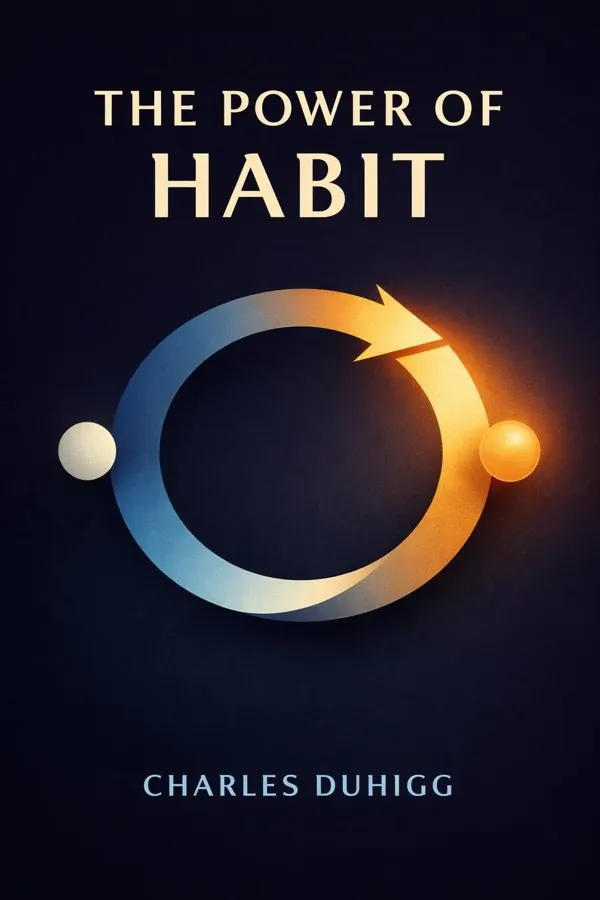
The Power of Habit, by contrast, is a sweeping exploration of habits at multiple levels: individuals, organizations, and societies. Duhigg’s core framework is the habit loop—cue, routine, reward—a model derived from behavioral psychology. Through rich narratives such as Lisa Allen's dramatic personal transformation, the turnaround of Alcoa under Paul O'Neill, and the civil rights movement’s reliance on social habits, Duhigg demonstrates how deeply habits permeate every aspect of life. His narrative approach is immersive; rather than prescriptive checklists, he invites readers to extrapolate strategies from real-world examples. Duhigg also explores the "Golden Rule of Habit Change": keep the cue and reward, but change the routine. This is illustrated in stories like Tony Dungy’s coaching tactics, which focused on altering players' automatic responses rather than their conscious strategies.
Methodologically, Clear’s book is structured as a toolkit, with each chapter building on the last to create a comprehensive system for personal change. The strength of Atomic Habits lies in its clarity, structure, and immediate applicability—readers can implement techniques such as "temptation bundling" or "habit tracking" with minimal friction. Clear references scientific studies, but always in the service of practical advice, ensuring that readers are never bogged down by academic detail.
Duhigg, on the other hand, takes a journalistic approach, blending storytelling with scientific explanation. He delves into the neurological underpinnings of habit formation, often citing research from MIT’s habit labs and interviews with leading scientists. The book’s scope moves from the individual (e.g., how individuals quit smoking or start running) to the collective (e.g., how companies like Starbucks use routines to drive customer service, or how social movements sustain themselves). This multi-layered analysis provides valuable context for readers interested in the broader implications of habit science, but it can feel less hands-on for those seeking immediate self-help solutions.
Philosophically, Clear’s focus is on agency and incrementalism. By breaking change down to the smallest possible units and linking habits to identity, he empowers readers to believe in the transformative power of marginal gains. Duhigg, meanwhile, is interested in the universality of the habit loop and its explanatory power across domains. He shows that understanding the loop is the key to unlocking change, but stops short of providing a step-by-step method for doing so.
Practically, Clear’s book is more suitable for readers seeking a roadmap to habit change, complete with exercises, worksheets, and a logical progression of ideas. Duhigg’s book is better suited to those who are curious about the "why" behind habits, appreciating the interplay of psychology, business, and culture.
In summary, Atomic Habits is a tightly focused, practical guide for personal change, best for those ready to act. The Power of Habit is a narrative-driven exploration ideal for readers intrigued by the science and stories behind how habits shape our lives and institutions. Both are indispensable in their own right, but their value depends on the reader’s goals: immediate self-improvement or broader conceptual understanding.
Side-by-Side Comparison
| Aspect | Atomic Habits | The Power of Habit |
|---|---|---|
| Core Philosophy | Atomic Habits centers on the idea that tiny, consistent changes—atomic habits—compound over time to produce remarkable transformations, emphasizing identity-based habit formation. | The Power of Habit focuses on the habit loop—cue, routine, reward—to explain how habits operate at individual, organizational, and societal levels, stressing that understanding and altering the loop is key to change. |
| Writing Style | James Clear adopts a concise, actionable, and highly structured style, often using bulleted summaries and clear frameworks. | Charles Duhigg favors a narrative-driven approach, weaving engaging case studies and storytelling with scientific explanations. |
| Practical Application | Atomic Habits emphasizes step-by-step, tool-based methods such as habit stacking and environment design, offering readers precise actions to implement. | The Power of Habit provides principles and illustrative stories rather than stepwise instructions, encouraging readers to deduce strategies from varied real-world examples. |
| Target Audience | The book targets readers seeking direct, actionable advice for personal growth and habit change, from professionals to students. | Duhigg's work appeals to readers interested in understanding the science of habits and how it applies to individuals, organizations, and societies. |
| Scientific Rigor | Clear references psychological and neuroscientific studies but focuses on digestible summaries rather than in-depth research exposition. | Duhigg delves deeply into scientific research, frequently citing studies, experiments, and expert interviews to substantiate his claims. |
| Emotional Impact | Atomic Habits inspires readers by emphasizing the power of small wins and the importance of aligning habits with personal identity. | The Power of Habit evokes emotional engagement through dramatic real-life stories, such as the case of Lisa Allen and organizational turnarounds at Alcoa. |
| Actionability | Highly actionable, with frameworks like the Four Laws of Behavior Change and practical exercises at the end of each chapter. | Less prescriptive, offering a broad understanding of habit mechanisms and change but fewer concrete steps for readers. |
| Depth of Analysis | Clear provides depth in the mechanics of individual habit formation and change, with a focus on personal transformation. | Duhigg offers broader analysis by exploring habits at three levels: individual, organizational, and societal. |
| Readability | Clear's straightforward, jargon-free writing makes complex concepts accessible to a wide audience. | Duhigg's blend of narrative and exposition is engaging, though occasionally denser due to the inclusion of detailed case studies. |
| Long-term Value | Atomic Habits offers frameworks that readers can repeatedly return to for ongoing self-improvement. | The Power of Habit provides foundational understanding of habit science, valuable for those seeking to contextualize habits in broader contexts. |
Key Differences
Practicality vs. Theory
Atomic Habits is highly practical, packed with actionable techniques and frameworks like the Four Laws of Behavior Change. The Power of Habit is more theoretical, focusing on understanding the habit loop and illustrating concepts through stories and research.
Scope of Analysis
Atomic Habits concentrates on individual behavioral change, while The Power of Habit expands its analysis to include organizational and societal habits, such as corporate routines and social movements.
Writing Style
James Clear’s writing is straightforward and structured for quick application, with summaries and exercises. Charles Duhigg employs narrative storytelling, using detailed case studies and journalistic investigation.
Scientific Depth
Duhigg delves deeper into the neuroscience and psychology of habits, often referencing original research and expert interviews. Clear references science but prioritizes simplicity and direct application.
Identity Focus
Atomic Habits places significant emphasis on linking habits to personal identity, proposing that lasting change comes from becoming the type of person who embodies desired behaviors. The Power of Habit discusses routines and cues but gives less attention to identity formation.
Level of Actionability
Clear provides readers with concrete strategies, worksheets, and exercises for immediate use. Duhigg’s book, while insightful, leaves readers to devise their own action steps based on case studies and principles.
Long-term Utility
Atomic Habits serves as an ongoing reference guide for personal growth, while The Power of Habit offers foundational knowledge for understanding and influencing habits in broader contexts.
Who Should Read Which?
The Busy Professional
→ Atomic Habits
Busy professionals will benefit from the book's direct, actionable strategies that can be implemented quickly. The concise summaries and practical frameworks allow for immediate improvements in productivity and personal effectiveness without the need for extensive background reading.
The Organizational Leader
→ The Power of Habit
Leaders looking to drive change within teams or organizations will find Duhigg’s exploration of keystone habits and organizational case studies especially valuable. The book’s broader scope provides insights into how collective habits shape corporate culture and performance.
The Curious Scholar
→ The Power of Habit
Readers interested in the scientific and societal aspects of habit formation will appreciate the depth of research and storytelling in The Power of Habit. Duhigg’s examination of neuroscience, behavioral economics, and social movements offers a rich context for understanding habits beyond personal change.
Which Should You Read First?
For most readers, starting with Atomic Habits is recommended, especially if your primary objective is to implement effective habits in your daily life. James Clear’s practical, step-by-step frameworks and clear exercises provide an immediate toolkit for action, making it ideal for those new to the science of habits or seeking tangible results quickly. After gaining confidence and initial success with personal habit change, transitioning to The Power of Habit will deepen your understanding of the underlying psychology and expose you to the broader implications of habits in organizations and society. However, if you’re a manager, educator, or someone interested in systemic change, beginning with The Power of Habit might provide valuable context before moving to the tactical advice in Atomic Habits. Ultimately, reading both in succession offers the most comprehensive mastery of the subject, but the order should align with your current goals—practical action first, or conceptual understanding first.
Want the full summary?
Get instant access to this book summary and 100K+ more with Fizz Moment.
Get Free SummaryAvailable on App Store • Free to download
Frequently Asked Questions
Is Atomic Habits better than The Power of Habit for beginners?
Atomic Habits is often considered more beginner-friendly due to its clear, step-by-step frameworks and actionable advice. James Clear breaks down complex behavioral science concepts into digestible lessons and practical exercises, making it easy for readers new to self-improvement or habit formation to start applying changes immediately. The Four Laws of Behavior Change, for instance, provide a memorable roadmap that beginners can follow without prior knowledge of psychology. In contrast, The Power of Habit, while accessible, leans more on storytelling and scientific exposition, which may offer less direct guidance for those just starting out.
Which book offers more practical strategies for changing bad habits?
Atomic Habits excels in providing practical, actionable strategies for breaking bad habits. James Clear gives readers tools such as 'habit inversion,' environment design, and specific cues to avoid, all structured within his Four Laws model. The book is filled with worksheets, summaries, and real-life applications that readers can adopt immediately. The Power of Habit also discusses changing routines within the habit loop, but its approach is more conceptual, using illustrative stories to demonstrate principles rather than offering explicit how-to steps.
Does The Power of Habit explain how habits work in organizations?
Yes, The Power of Habit devotes significant attention to the role of habits in organizations. Charles Duhigg explores how companies like Alcoa and Starbucks leverage organizational routines to shape culture, improve performance, and drive change. Through detailed case studies, Duhigg illustrates how leaders identify keystone habits that ripple through entire organizations, demonstrating the societal and business-wide impact of habit science. This broader focus makes the book especially valuable for managers, business owners, or anyone interested in group dynamics.
How do Atomic Habits and The Power of Habit differ in their scientific approach?
Atomic Habits incorporates scientific research to support its frameworks, but prioritizes clarity and applicability over technical depth. James Clear summarizes relevant studies to reinforce his points, ensuring scientific concepts are accessible and actionable. The Power of Habit, however, delves deeper into neuroscience and behavioral psychology, often referencing academic research, experiments, and expert interviews in detail. Duhigg uses this foundation to tell compelling stories, making the science both engaging and informative.
Which book should I read if I want to improve my productivity quickly?
If your goal is rapid, practical improvement in productivity, Atomic Habits is the stronger choice. The book offers a toolkit of proven strategies, such as habit stacking and environment optimization, designed for immediate implementation. Each chapter concludes with clear takeaways and exercises, enabling readers to build productive routines efficiently. The Power of Habit provides valuable context and motivation but is less focused on giving readers quick-start tools for immediate productivity gains.
Is The Power of Habit suitable for readers interested in societal change?
Absolutely. The Power of Habit is particularly relevant for those interested in how habits shape not just individuals, but also organizations and societies. Charles Duhigg examines phenomena like social movements, corporate culture, and community transformation through the lens of habit loops, offering insights into how collective behavior can be influenced and changed. Readers seeking to understand the larger-scale implications of habit science will find the book especially enlightening.
The Verdict
Both Atomic Habits and The Power of Habit are essential reads for anyone interested in understanding and altering behavior, but they serve distinct purposes and audiences. Atomic Habits is the clear choice for readers seeking a practical, step-by-step manual for personal habit change. James Clear’s frameworks, exercises, and identity-based approach make it highly actionable and accessible—even for beginners. Its focus on marginal gains and direct implementation appeals to busy professionals, students, and anyone motivated to see tangible results in their daily lives. In contrast, The Power of Habit shines as an exploration of the science and stories behind habits at multiple levels. Charles Duhigg’s narrative style and in-depth case studies provide a compelling look at how habits function in individuals, organizations, and societies. It’s especially valuable for readers interested in organizational change, business leaders, and those seeking a broader conceptual understanding of habit formation. Recommendation: For immediate, practical habit change, start with Atomic Habits. For a richer understanding of why habits matter and how they operate in larger systems, turn to The Power of Habit. Ideally, read both to gain a comprehensive toolkit and perspective.
Related Comparisons


Want to read both books?
Get AI-powered summaries of both Atomic Habits and The Power of Habit in just 20 minutes total.