

Mario Vargas Llosa Books
Mario Vargas Llosa is a Peruvian novelist, essayist, and political figure, widely regarded as one of the most significant contemporary writers in the Spanish language. He was awarded the Nobel Prize in Literature in 2010 for his cartography of structures of power and his trenchant images of individual resistance, revolt, and defeat.
Known for: Aunt Julia and the Scriptwriter, Captain Pantoja and the Special Service, Conversation in the Cathedral, Death In The Andes: A Novel, The Bad Girl, The Discreet Hero, The Feast Of The Goat, The Green House, The Real Life of Alejandro Mayta, The War of the End of the World
Books by Mario Vargas Llosa
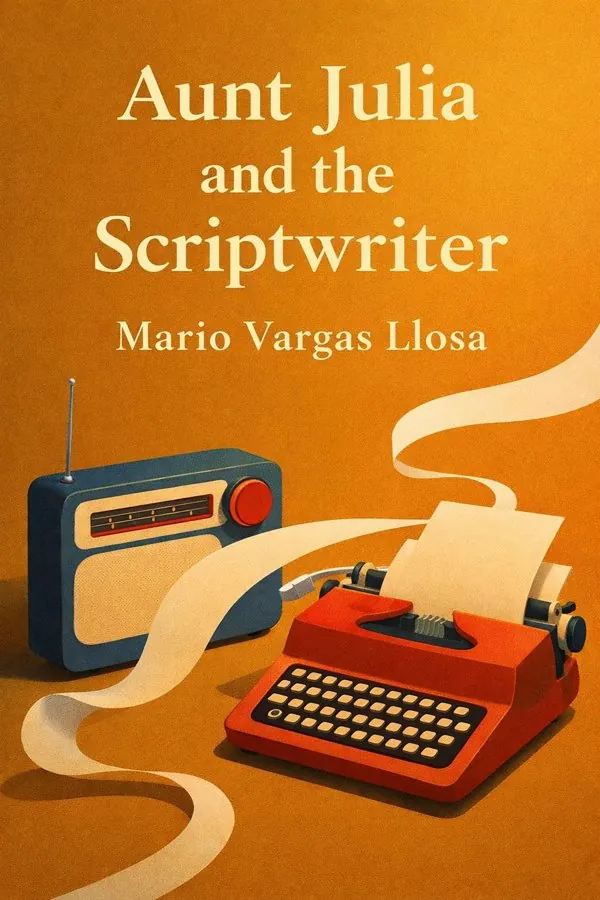
Aunt Julia and the Scriptwriter
Aunt Julia and the Scriptwriter is one of Mario Vargas Llosa’s most delightful and inventive novels: a comic, semi-autobiographical story about ambition, desire, and the dangerous seductions of storyt...
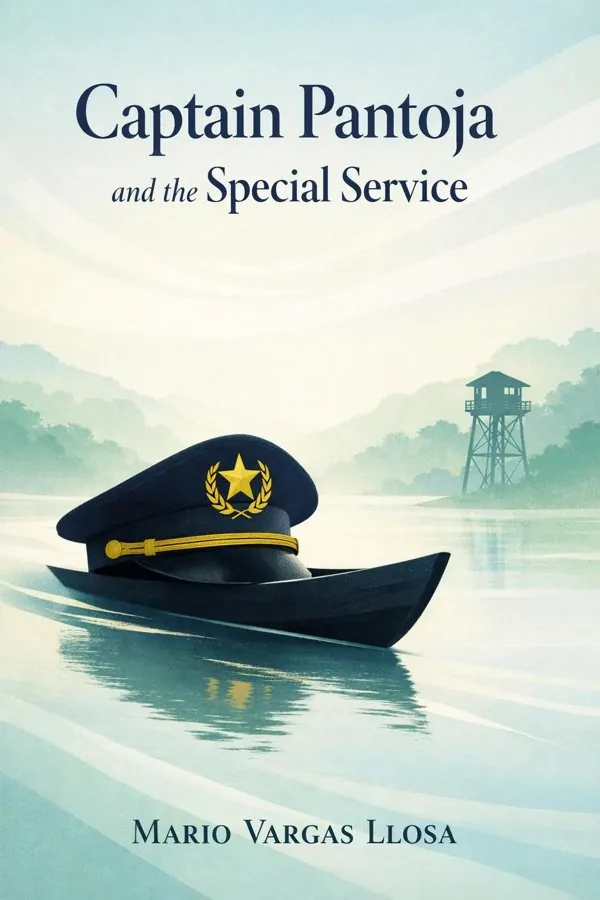
Captain Pantoja and the Special Service
What happens when a model officer is asked to solve a military problem that polite society refuses to name? In Captain Pantoja and the Special Service, Mario Vargas Llosa turns that premise into one o...
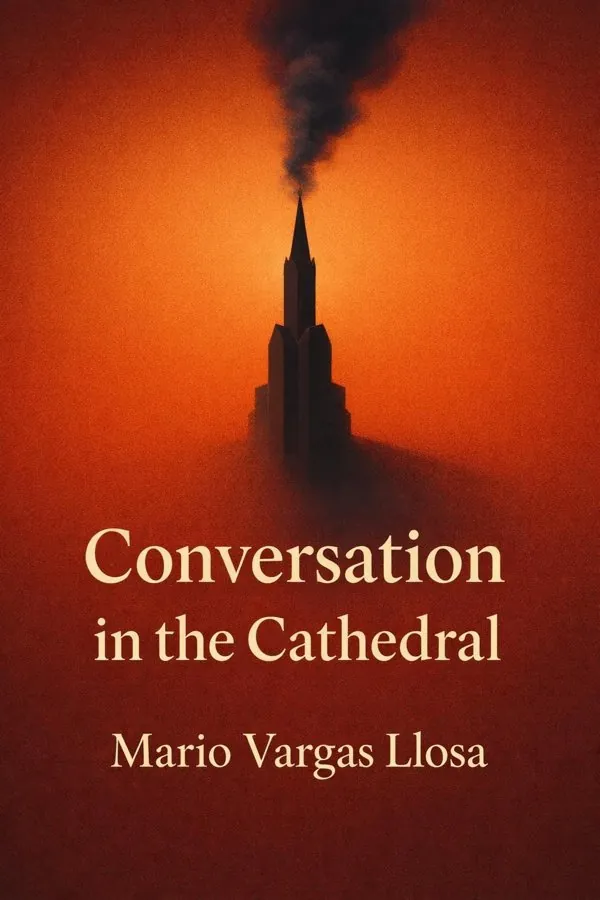
Conversation in the Cathedral
Conversation in the Cathedral is one of Mario Vargas Llosa’s most ambitious and penetrating novels, a dark, intricate portrait of Peru under the dictatorship of General Manuel A. Odría. First publishe...
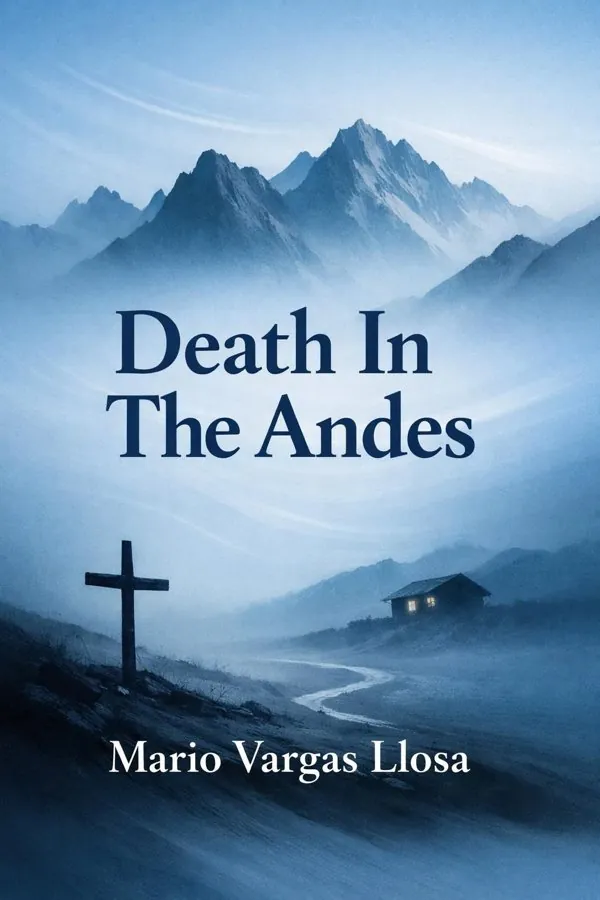
Death In The Andes: A Novel
In Mario Vargas Llosa’s Death In The Andes, a simple investigation opens into a profound portrait of fear, violence, and cultural fracture. The novel begins with the disappearance of three men in Nacc...
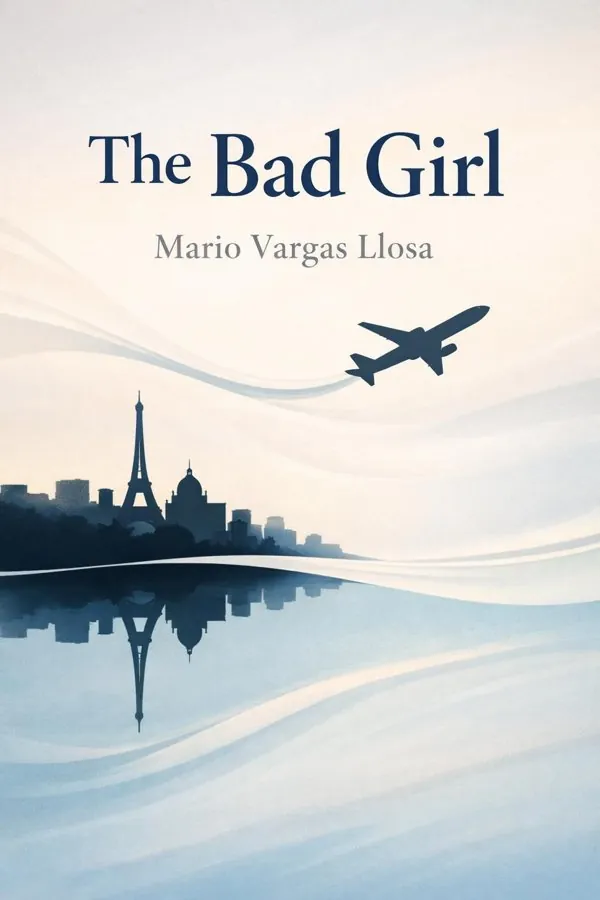
The Bad Girl
The Bad Girl by Mario Vargas Llosa is a sweeping, emotionally charged novel about the power of desire and the cost of devoting a life to an illusion. At its center is Ricardo Somocurcio, a quiet Peruv...
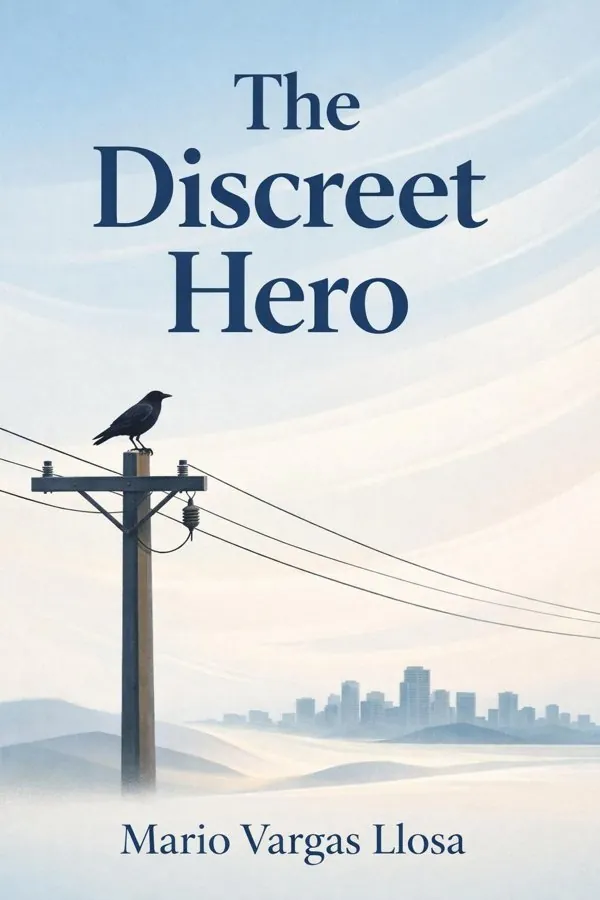
The Discreet Hero
What does heroism look like in everyday life? In The Discreet Hero, Mario Vargas Llosa answers that question not with soldiers, saints, or revolutionaries, but with ordinary men who refuse to surrende...
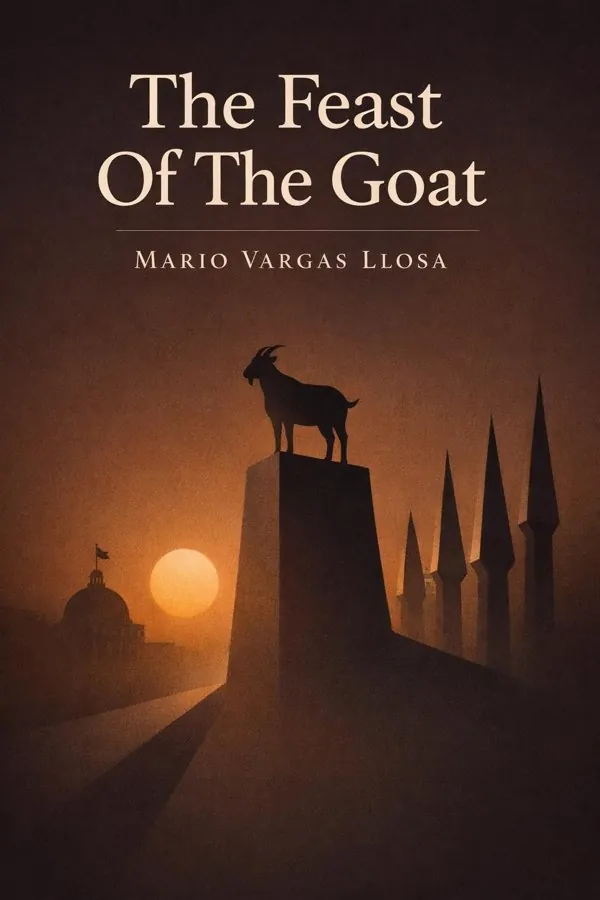
The Feast Of The Goat
The Feast Of The Goat is Mario Vargas Llosa’s fierce and unforgettable historical novel about the last days of Rafael Leónidas Trujillo’s dictatorship in the Dominican Republic. Set across multiple ti...
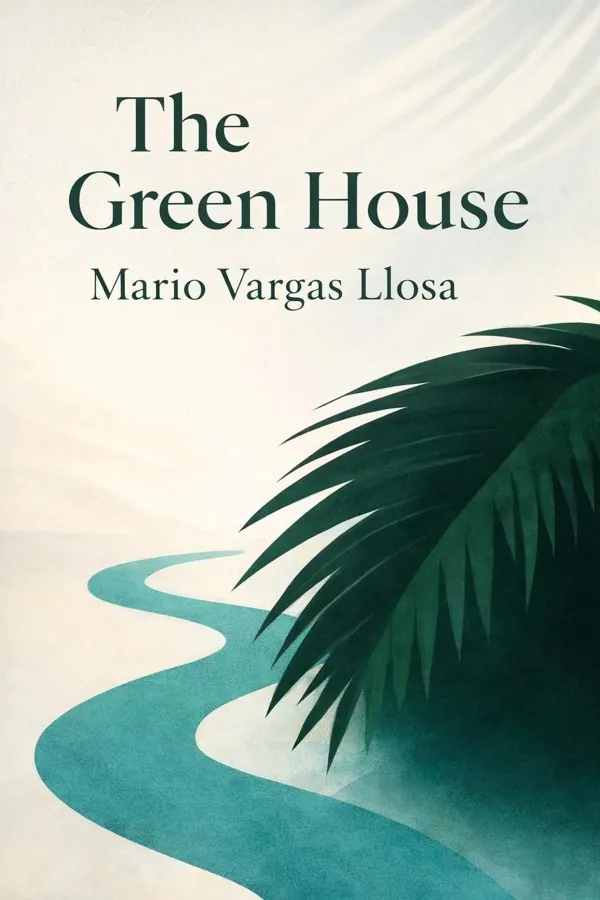
The Green House
The Green House, first published in 1966, is one of Mario Vargas Llosa’s boldest and most influential novels. Set between the desert city of Piura on Peru’s northern coast and the remote Amazonian fro...
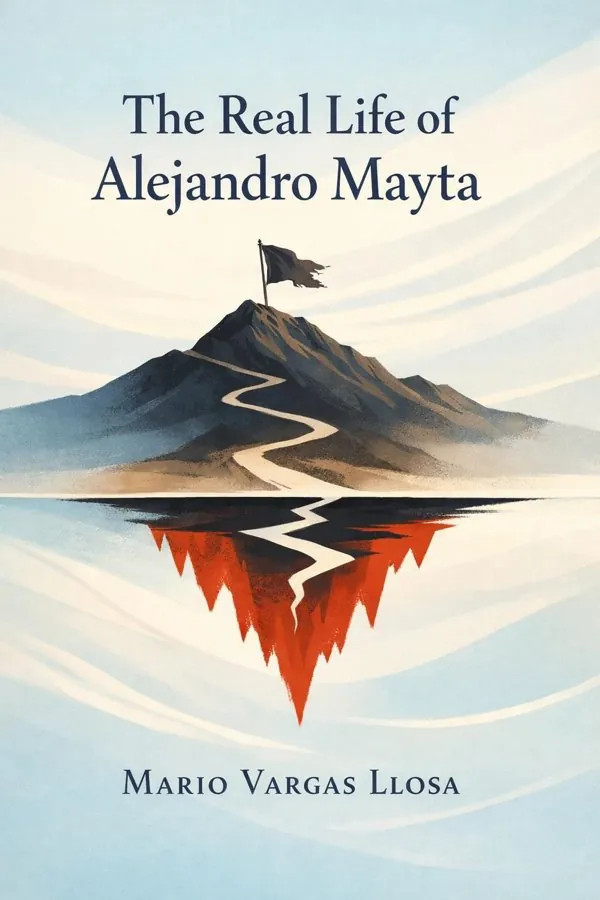
The Real Life of Alejandro Mayta
What if the closer you moved toward the truth about a person, the more uncertain that truth became? In The Real Life of Alejandro Mayta, Mario Vargas Llosa turns a failed revolutionary episode into a ...
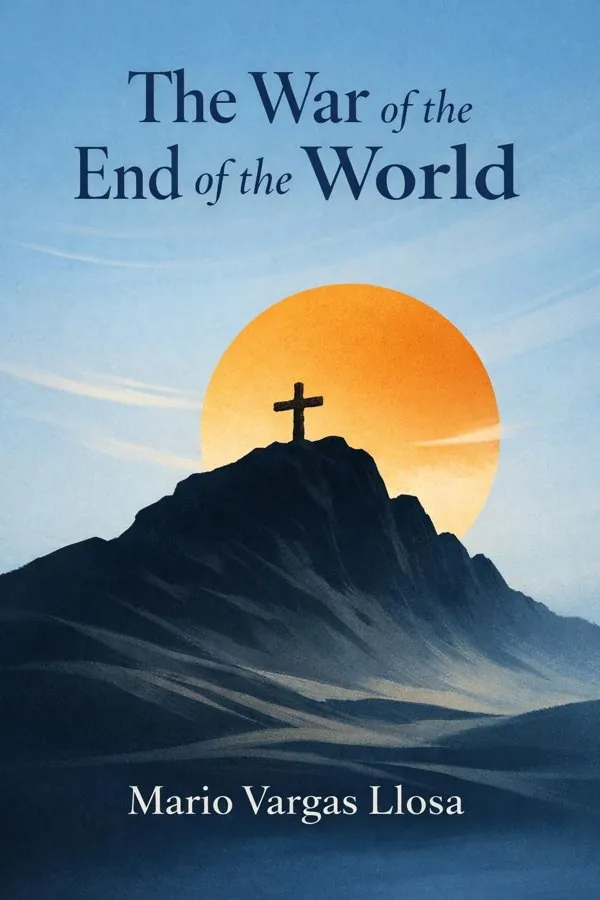
The War of the End of the World
Set in the blistering backlands of nineteenth-century Brazil, The War of the End of the World transforms a little-known historical uprising into an immense novel about faith, power, fear, and collecti...
Key Insights from Mario Vargas Llosa
An Unconventional Romance Defies Social Rules
Love often becomes most visible when society tries hardest to deny it. At the center of Aunt Julia and the Scriptwriter is the relationship between young Mario and Julia, his older aunt by marriage, a recently divorced woman whose presence unsettles the tidy moral expectations of 1950s Lima. Their b...
From Aunt Julia and the Scriptwriter
Pedro Camacho and the Machinery of Obsession
Creative brilliance can look heroic from a distance and alarming up close. Pedro Camacho, the eccentric Bolivian scriptwriter who arrives at Radio Panamericana, embodies this tension perfectly. Small, severe, tireless, and almost monastic in his habits, he produces radio serials at an astonishing pa...
From Aunt Julia and the Scriptwriter
When Fiction Begins to Invade Reality
Stories do not remain on the page or on the airwaves; they spill into the way people see the world. One of the novel’s most original achievements is the interplay between Mario’s real-life courtship and Pedro Camacho’s serialized dramas. Vargas Llosa alternates chapters between the relatively ground...
From Aunt Julia and the Scriptwriter
Humor Reveals the Absurdity of Respectability
Comedy can expose social hypocrisy more effectively than moral preaching. Aunt Julia and the Scriptwriter is a deeply funny novel, but its humor is not ornamental. Vargas Llosa uses wit, irony, exaggeration, and farce to reveal how absurd supposedly respectable society can be. Mario and Julia’s roma...
From Aunt Julia and the Scriptwriter
Creative Ambition Requires Sacrifice and Persistence
Becoming a writer, artist, or maker rarely begins with glamour; it begins with persistence in unglamorous conditions. Mario, the young protagonist, works at a radio station doing routine tasks while nurturing a fierce literary ambition. He is not yet the celebrated author he dreams of becoming. He i...
From Aunt Julia and the Scriptwriter
Camacho’s Collapse Warns Against Total Identification
The most dangerous sentence a creator can believe is: I am only what I produce. Pedro Camacho’s breakdown is one of the novel’s darkest and most revealing threads. As he continues generating serial after serial, the coherence of his fictional worlds starts to disintegrate. Characters from different ...
From Aunt Julia and the Scriptwriter
About Mario Vargas Llosa
Mario Vargas Llosa is a Peruvian novelist, essayist, and political figure, widely regarded as one of the most significant contemporary writers in the Spanish language. He was awarded the Nobel Prize in Literature in 2010 for his cartography of structures of power and his trenchant images of individu...
Read more
Mario Vargas Llosa is a Peruvian novelist, essayist, and political figure, widely regarded as one of the most significant contemporary writers in the Spanish language. He was awarded the Nobel Prize in Literature in 2010 for his cartography of structures of power and his trenchant images of individu...
Mario Vargas Llosa is a Peruvian novelist, essayist, and political figure, widely regarded as one of the most significant contemporary writers in the Spanish language. He was awarded the Nobel Prize in Literature in 2010 for his cartography of structures of power and his trenchant images of individual resistance, revolt, and defeat.




Frequently Asked Questions
Mario Vargas Llosa is a Peruvian novelist, essayist, and political figure, widely regarded as one of the most significant contemporary writers in the Spanish language. He was awarded the Nobel Prize in Literature in 2010 for his cartography of structures of power and his trenchant images of individual resistance, revolt, and defeat.
Read Mario Vargas Llosa's books in 15 minutes
Get AI-powered summaries with key insights from 10 books by Mario Vargas Llosa.