

Michael Lewis Books
Michael Lewis is an American author and financial journalist known for his works on economics and finance, including Liar’s Poker, The Big Short, and Moneyball. His writing often explores the intersection of human behavior, markets, and systemic risk.
Known for: Flash Boys, Boomerang: Travels in the New Third World, Flash Boys: A Wall Street Revolt, Going Infinite, Liar’s Poker: Rising Through the Wreckage on Wall Street, Moneyball: The Art of Winning an Unfair Game, The Big Short, The Big Short: Inside the Doomsday Machine, The Fifth Risk, The Premonition: A Pandemic Story, The Undoing Project: A Friendship That Changed Our Minds
Books by Michael Lewis

Flash Boys
Flash Boys by Michael Lewis is a gripping investigation into how the modern U.S. stock market stopped functioning like a simple marketplace and became a technologically engineered battleground. At the...
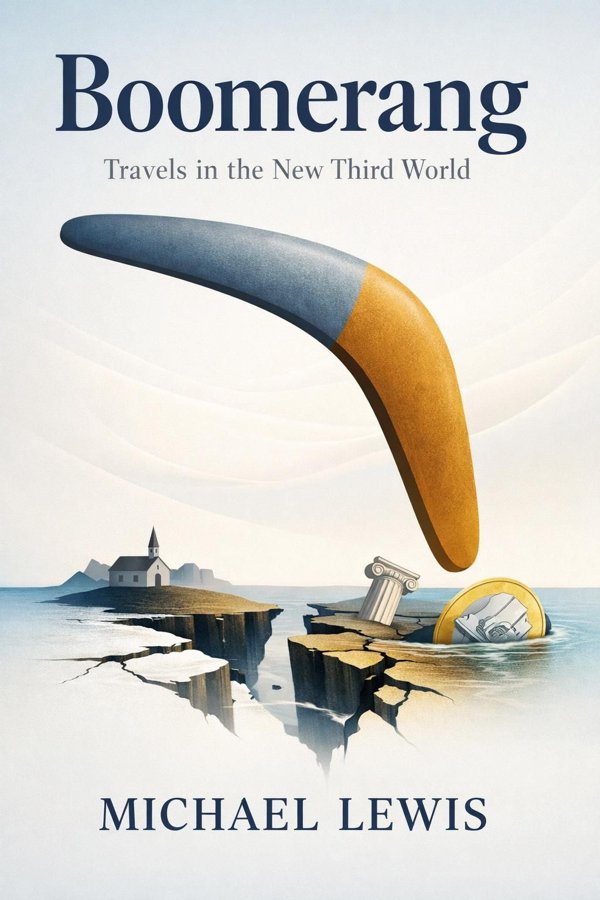
Boomerang: Travels in the New Third World
In this nonfiction work, Michael Lewis explores the aftermath of the 2008 global financial crisis by traveling to countries that were most affected by the economic collapse, including Iceland, Greece,...
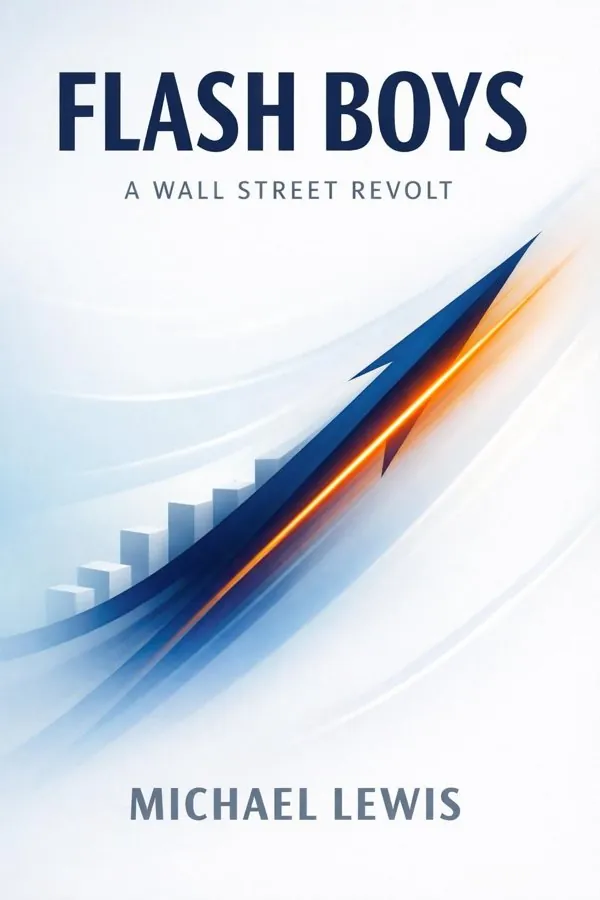
Flash Boys: A Wall Street Revolt
Flash Boys: A Wall Street Revolt is a nonfiction book by Michael Lewis that investigates the rise of high-frequency trading (HFT) in the U.S. equity market. It follows a group of Wall Street insiders ...
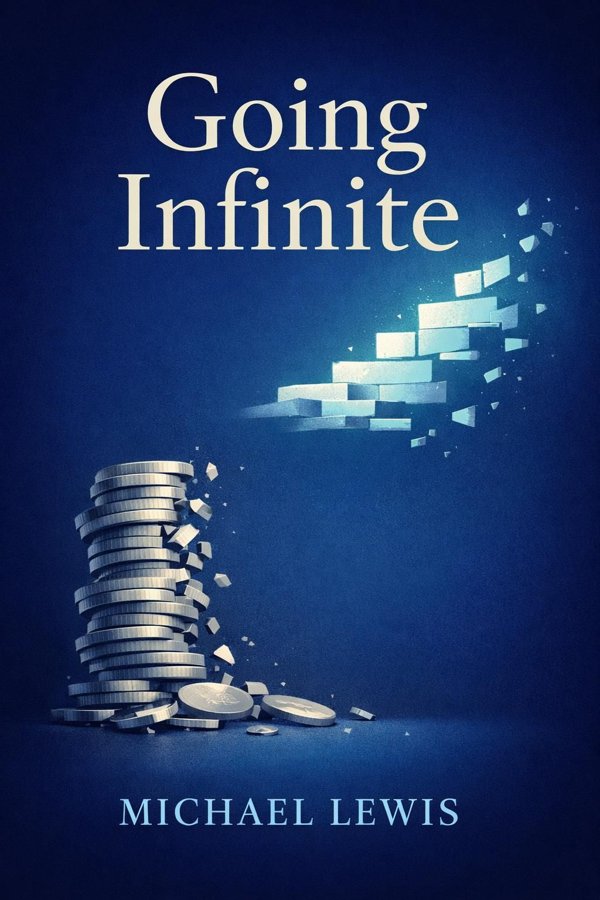
Going Infinite
A nonfiction narrative exploring the rise and fall of Sam Bankman-Fried, the founder of FTX, and the world of cryptocurrency finance. Michael Lewis provides an insider’s account of Bankman-Fried’s amb...

Liar’s Poker: Rising Through the Wreckage on Wall Street
Liar’s Poker is Michael Lewis’s semi-autobiographical account of his experiences as a bond salesman at Salomon Brothers in the 1980s. The book offers a vivid, often satirical portrayal of Wall Street ...

Moneyball: The Art of Winning an Unfair Game
Moneyball: The Art of Winning an Unfair Game es un libro de no ficción que narra cómo el gerente general de los Oakland Athletics, Billy Beane, utilizó análisis estadísticos avanzados para construir u...
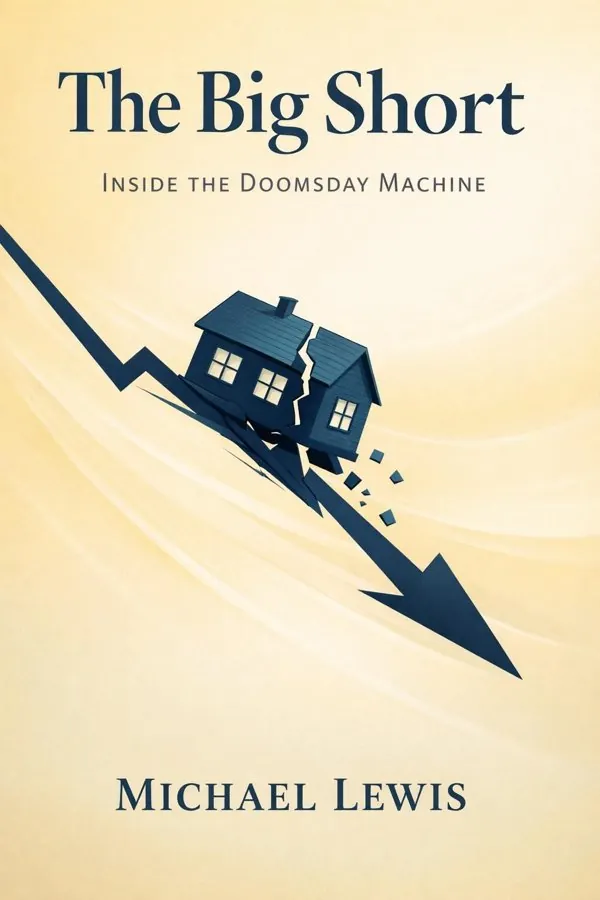
The Big Short
What if one of the greatest financial disasters in modern history was visible in plain sight long before it happened? In The Big Short, Michael Lewis reconstructs the years leading up to the 2007–2008...
The Big Short: Inside the Doomsday Machine
The Big Short: Inside the Doomsday Machine is a nonfiction book by Michael Lewis that explores the build-up of the housing and credit bubble during the 2000s which led to the 2007–2008 financial crisi...
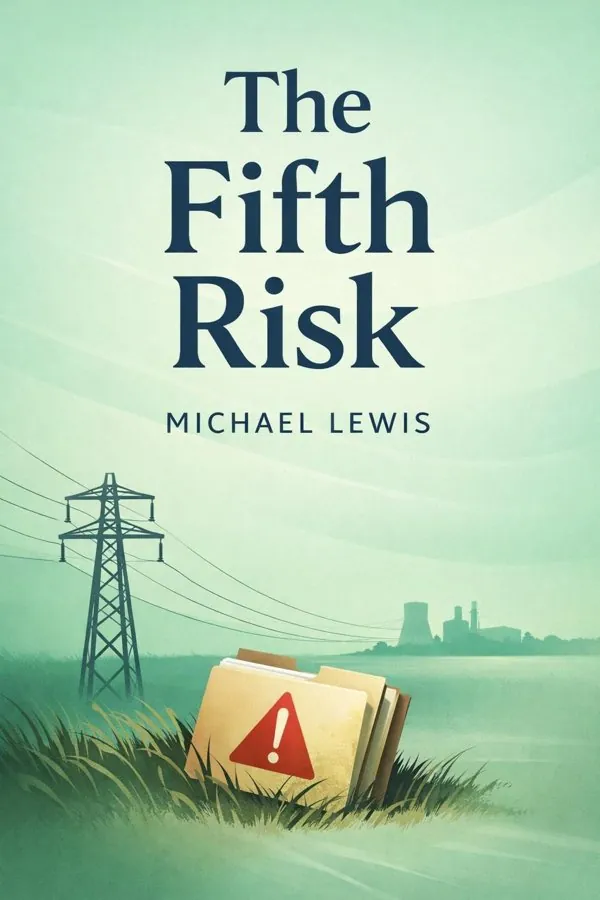
The Fifth Risk
The Fifth Risk explores the hidden dangers that threaten the U.S. government’s ability to function effectively, focusing on the transition between the Obama and Trump administrations. Michael Lewis re...

The Premonition: A Pandemic Story
The Premonition: A Pandemic Story is Michael Lewis’s riveting account of the people who saw a catastrophic outbreak coming long before COVID-19 reshaped the world. Rather than writing a conventional h...
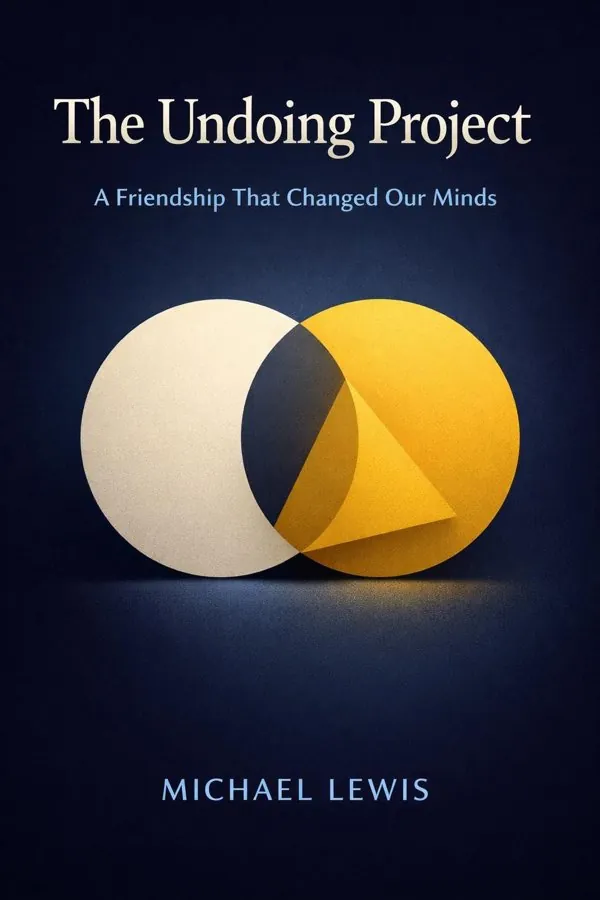
The Undoing Project: A Friendship That Changed Our Minds
What if many of your most confident judgments are not signs of wisdom, but elegant mistakes? In The Undoing Project, Michael Lewis tells the remarkable story of two Israeli psychologists, Daniel Kahne...
Key Insights from Michael Lewis
The Fragmented Market Created Hidden Confusion
A market can look more efficient on the surface precisely when it has become harder to understand underneath. One of Flash Boys’ most important insights is that the U.S. stock market had evolved into a maze of exchanges, dark pools, and routing systems that made transparency almost impossible for no...
From Flash Boys
Speed Became the New Source of Power
In modern markets, a tiny time advantage can be worth millions. One of the book’s central revelations is that high-frequency trading was built on the idea that being slightly faster than everyone else could be converted into reliable profit. Brad’s investigation deepened when he met Ronan Ryan, a te...
From Flash Boys
Wall Street Incentives Rewarded Exploitation
Bad systems persist when too many participants profit from pretending nothing is wrong. Flash Boys does not portray market distortion as the work of a single villain. Instead, it shows a network of incentives that encouraged exchanges, brokers, banks, and high-frequency firms to preserve an arrangem...
From Flash Boys
IEX Was Built to Engineer Fairness
If a system is designed, it can be redesigned. That is the hopeful counterpoint at the heart of Flash Boys. After uncovering how speed advantages were being used against ordinary market participants, Brad Katsuyama and his team did not stop at criticism. They set out to build a new exchange, IEX, de...
From Flash Boys
Resistance Revealed How Threatening Transparency Is
People often claim to support transparency until transparency threatens their advantage. One of the most revealing parts of Flash Boys is the intensity of the resistance faced by Brad Katsuyama and the IEX team. Their project challenged not just a few profitable firms but an entire set of assumption...
From Flash Boys
Technology Is Never Neutral In Markets
We often talk about technology as if it simply improves efficiency, but Flash Boys shows that every technical system embeds choices about who benefits. Fiber routes, matching engines, order types, exchange architecture, and data-feed pricing all sound like operational details. Yet these details shap...
From Flash Boys
About Michael Lewis
Michael Lewis is an American author and financial journalist known for his works on economics and finance, including Liar’s Poker, The Big Short, and Moneyball. His writing often explores the intersection of human behavior, markets, and systemic risk.




Frequently Asked Questions
Michael Lewis is an American author and financial journalist known for his works on economics and finance, including Liar’s Poker, The Big Short, and Moneyball. His writing often explores the intersection of human behavior, markets, and systemic risk.
Read Michael Lewis's books in 15 minutes
Get AI-powered summaries with key insights from 11 books by Michael Lewis.