
The Honest Truth About Dishonesty: How We Lie to Everyone—Especially Ourselves: Summary & Key Insights
by Dan Ariely
 10 min11 chaptersAudio available
What Is The Honest Truth About Dishonesty: How We Lie to Everyone—Especially Ourselves About?
The Honest Truth About Dishonesty: How We Lie to Everyone—Especially Ourselves by Dan Ariely is a cognition book spanning 11 pages. In this book, behavioral economist Dan Ariely explores the psychology of dishonesty, revealing how and why people lie to themselves and others. Drawing on experiments and real-world examples, Ariely demonstrates that cheating and deception are not limited to a few bad apples but are deeply rooted in human nature. He examines the forces that shape our moral decisions and offers insights into how we can better understand and manage our own tendencies toward dishonesty.
This FizzRead summary covers all 11 key chapters of The Honest Truth About Dishonesty: How We Lie to Everyone—Especially Ourselves in approximately 10 minutes, distilling the most important ideas, arguments, and takeaways from Dan Ariely's work. Also available as an audio summary and Key Quotes Podcast.
The Honest Truth About Dishonesty: How We Lie to Everyone—Especially Ourselves
In this book, behavioral economist Dan Ariely explores the psychology of dishonesty, revealing how and why people lie to themselves and others. Drawing on experiments and real-world examples, Ariely demonstrates that cheating and deception are not limited to a few bad apples but are deeply rooted in human nature. He examines the forces that shape our moral decisions and offers insights into how we can better understand and manage our own tendencies toward dishonesty.
Who Should Read The Honest Truth About Dishonesty: How We Lie to Everyone—Especially Ourselves?
This book is perfect for anyone interested in cognition and looking to gain actionable insights in a short read. Whether you're a student, professional, or lifelong learner, the key ideas from The Honest Truth About Dishonesty: How We Lie to Everyone—Especially Ourselves by Dan Ariely will help you think differently.
- ✓Readers who enjoy cognition and want practical takeaways
- ✓Professionals looking to apply new ideas to their work and life
- ✓Anyone who wants the core insights of The Honest Truth About Dishonesty: How We Lie to Everyone—Especially Ourselves in just 10 minutes
Want the full summary?
Get instant access to this book summary and 100K+ more with Fizz Moment.
Get Free SummaryAvailable on App Store • Free to download
Key Chapters
Economists have long relied on the 'Simple Model of Rational Crime' to explain why people cheat. According to this model, every dishonest act is the result of a cost-benefit analysis: we weigh the potential gain against the likelihood and severity of punishment. Under that logic, honesty is merely another calculation—it follows the logic of markets and deterrents.
But real life does not bear this out. Across countless experiments, I found that people’s willingness to cheat does not rise sharply when the risks diminish or the rewards increase. In a typical test, participants were asked to solve math problems for money. Some could report their results anonymously, while others had to hand in their answer sheets. If the economic model were correct, removing the chance of being caught should have produced rampant cheating. Yet the opposite happened. Most people fudged just a little. Hardly anyone took the maximum advantage.
This finding broke the economic model’s neat logic. If we were truly rational calculators of gain and punishment, we would exploit every loophole when safe. Clearly, something deeper governs our actions—a desire to see ourselves as good, decent people even while benefiting from a small lie. The rational model ignored that part of the self.
To explain why we cheat only a little, I developed what I call the 'fudge factor theory.' Each of us has a personal window—a psychological boundary—that allows us to be slightly dishonest while still maintaining a positive self-image. This window helps us rationalize our misdeeds, telling ourselves that rounding up mileage claims, inflating tips, or taking small office supplies isn’t really cheating.
The size of this fudge factor varies from person to person and context to context. When we can justify our behavior—'Everyone does this,' 'It doesn’t hurt anyone,' or 'I work hard; I deserve it'—we expand that window. When moral reminders or immediate accountability make us self-aware, the window narrows. What the experiments reveal is that people cheat to the extent they can justify it to themselves, not merely to the extent they can get away with it.
This insight reshapes how we think about ethics. It means that honesty is less about external enforcement and more about internal negotiation. The key to reducing dishonest behavior is not harsher punishment but shrinking the space in which our minds can comfortably fudge the truth.
+ 9 more chapters — available in the FizzRead app
All Chapters in The Honest Truth About Dishonesty: How We Lie to Everyone—Especially Ourselves
About the Author
Dan Ariely is an Israeli-American behavioral economist and professor of psychology and behavioral economics at Duke University. He is known for his research on irrational behavior and decision-making, and is the author of several bestselling books including 'Predictably Irrational' and 'The Upside of Irrationality'.
Get This Summary in Your Preferred Format
Read or listen to the The Honest Truth About Dishonesty: How We Lie to Everyone—Especially Ourselves summary by Dan Ariely anytime, anywhere. FizzRead offers multiple formats so you can learn on your terms — all free.
Available formats: App · Audio · PDF · EPUB — All included free with FizzRead
Download The Honest Truth About Dishonesty: How We Lie to Everyone—Especially Ourselves PDF and EPUB Summary
Key Quotes from The Honest Truth About Dishonesty: How We Lie to Everyone—Especially Ourselves
“Economists have long relied on the 'Simple Model of Rational Crime' to explain why people cheat.”
“To explain why we cheat only a little, I developed what I call the 'fudge factor theory.”
Frequently Asked Questions about The Honest Truth About Dishonesty: How We Lie to Everyone—Especially Ourselves
The Honest Truth About Dishonesty: How We Lie to Everyone—Especially Ourselves by Dan Ariely is a cognition book that explores key ideas across 11 chapters. In this book, behavioral economist Dan Ariely explores the psychology of dishonesty, revealing how and why people lie to themselves and others. Drawing on experiments and real-world examples, Ariely demonstrates that cheating and deception are not limited to a few bad apples but are deeply rooted in human nature. He examines the forces that shape our moral decisions and offers insights into how we can better understand and manage our own tendencies toward dishonesty.
More by Dan Ariely
You Might Also Like
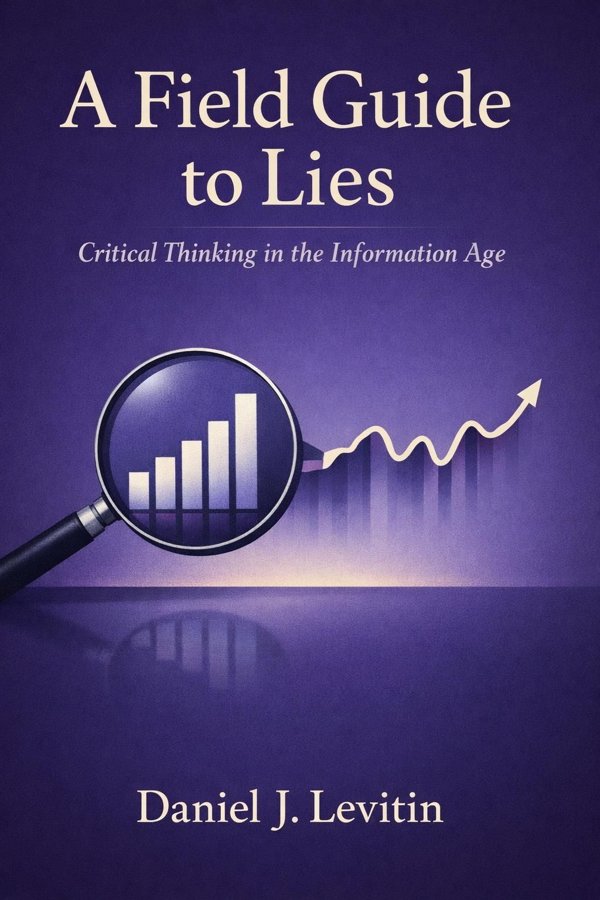
A Field Guide to Lies: Critical Thinking in the Information Age
Daniel J. Levitin
10 min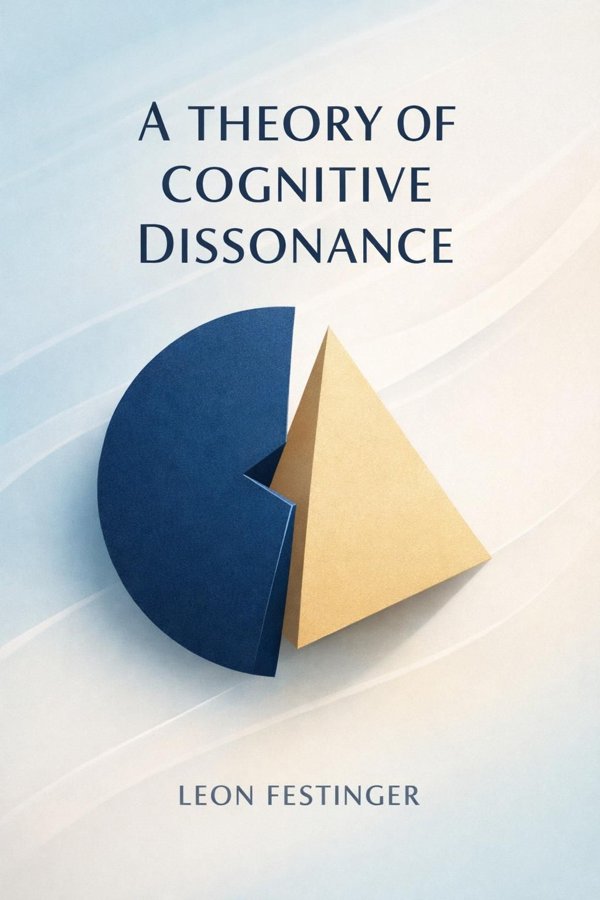
A Theory of Cognitive Dissonance
Leon Festinger
10 min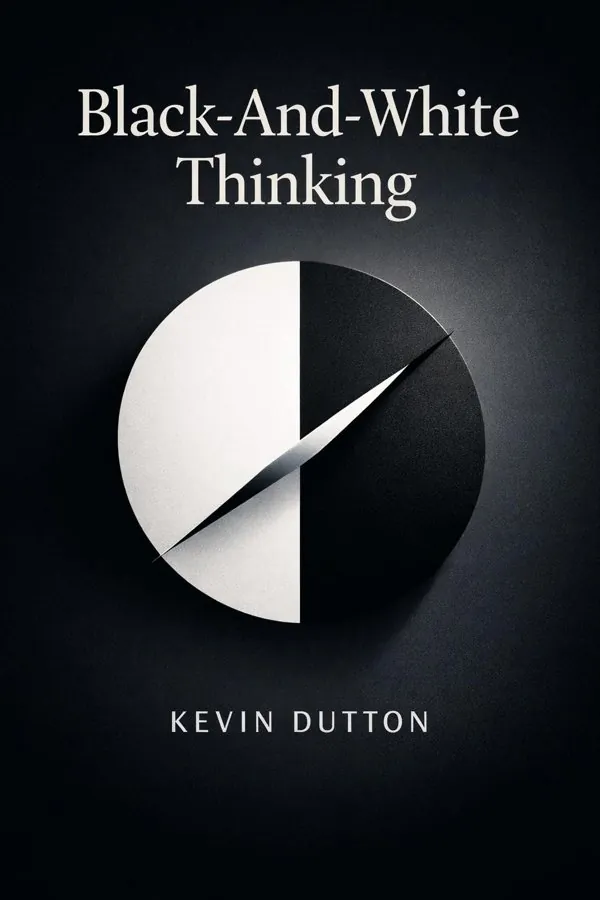
Black-And-White Thinking: The Burden of a Binary Brain in a Complex World
Kevin Dutton
10 min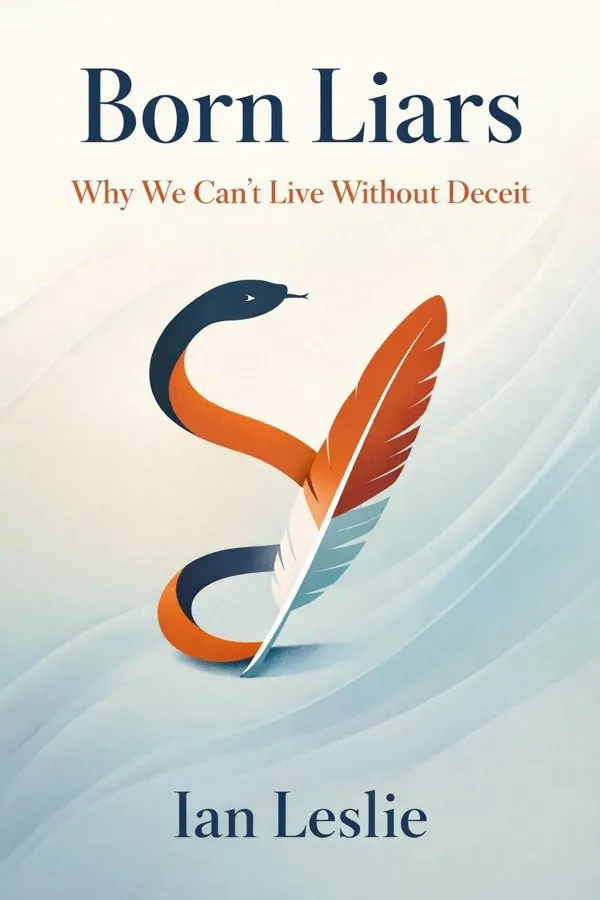
Born Liars: Why We Can’t Live Without Deceit
Ian Leslie
10 min
Collective Illusions: Conformity, Complicity, and the Science of Why We Make Bad Decisions
Todd Rose
10 min
Concrete Mathematics: A Foundation for Computer Science
Ronald L. Graham, Donald E. Knuth, Oren Patashnik
10 minBrowse by Category
Ready to read The Honest Truth About Dishonesty: How We Lie to Everyone—Especially Ourselves?
Get the full summary and 100K+ more books with Fizz Moment.