

The Upside of Irrationality: The Unexpected Benefits of Defying Logic at Work and at Home: Summary & Key Insights
by Dan Ariely
 10 min10 chaptersAudio available
What Is The Upside of Irrationality: The Unexpected Benefits of Defying Logic at Work and at Home About?
The Upside of Irrationality: The Unexpected Benefits of Defying Logic at Work and at Home by Dan Ariely is a economics book spanning 10 pages. In this book, behavioral economist Dan Ariely explores how irrational behaviors influence our decisions in both professional and personal contexts. Through engaging experiments and real-world examples, he reveals how our cognitive biases can lead to unexpected benefits and insights, challenging the assumption that rationality always leads to better outcomes.
This FizzRead summary covers all 10 key chapters of The Upside of Irrationality: The Unexpected Benefits of Defying Logic at Work and at Home in approximately 10 minutes, distilling the most important ideas, arguments, and takeaways from Dan Ariely's work. Also available as an audio summary and Key Quotes Podcast.
The Upside of Irrationality: The Unexpected Benefits of Defying Logic at Work and at Home
In this book, behavioral economist Dan Ariely explores how irrational behaviors influence our decisions in both professional and personal contexts. Through engaging experiments and real-world examples, he reveals how our cognitive biases can lead to unexpected benefits and insights, challenging the assumption that rationality always leads to better outcomes.
Who Should Read The Upside of Irrationality: The Unexpected Benefits of Defying Logic at Work and at Home?
This book is perfect for anyone interested in economics and looking to gain actionable insights in a short read. Whether you're a student, professional, or lifelong learner, the key ideas from The Upside of Irrationality: The Unexpected Benefits of Defying Logic at Work and at Home by Dan Ariely will help you think differently.
- ✓Readers who enjoy economics and want practical takeaways
- ✓Professionals looking to apply new ideas to their work and life
- ✓Anyone who wants the core insights of The Upside of Irrationality: The Unexpected Benefits of Defying Logic at Work and at Home in just 10 minutes
Want the full summary?
Get instant access to this book summary and 100K+ more with Fizz Moment.
Get Free SummaryAvailable on App Store • Free to download
Key Chapters
Humans are not creatures who work solely for paychecks. What truly drives us is not monetary reward but a sense of meaning. In one of my experiments, two groups of participants were asked to assemble identical Lego robots. In one group, their creations were kept intact, while in the other, the robots were immediately dismantled once finished. The results were clear: although both groups received equal pay, the group whose work was destroyed quickly lost motivation. These participants were not lazy—they had simply been robbed of purpose. Even the smallest task can spark extraordinary energy once it feels appreciated.
This phenomenon reveals a universal truth: we long to be seen and valued. When a child’s drawing is proudly posted on the refrigerator, the joy comes not just from drawing but from the confirmation that “this matters.” Managers who focus solely on productivity and efficiency, while ignoring the importance of meaning, risk losing their employees’ most powerful source of motivation. But when an organization allows people to see the value of their effort, creativity and engagement can multiply—even if pay remains unchanged.
In this way, our irrationality proves to be a positive force. Humanity is not a collection of cold economic machines but of passionate beings seeking significance. Meaning is the irrational nutrient that transforms routine work into creativity. Once you grasp this, you can enhance performance and fulfillment—for yourself and others.
We all know this struggle: intending to work but getting lost in videos, saving money only to succumb to a sale. The issue of self-control seems like weak willpower, but it is really a conflict between time perspectives—reason operates in the long term while emotions live in the present. In one experiment, I found that when people set up precommitments—such as handing their credit card to a trusted friend—they were more likely to succeed. This suggests that the key is not suppressing our irrational impulses but designing ways to work with them.
I explored this with MIT students who had the choice of setting their own paper deadlines. Those who imposed fixed due dates performed better than those with flexible ones. Constraint itself became a positive design—it compensated for our vulnerability and allowed reason to prevail when it mattered most.
We cannot rid ourselves of temptation, but we can shape our surroundings to help us manage it. Real self-control isn’t about combat—it’s about compassionate strategy. Acknowledging our irrational tendencies allows us to turn them into strengths for growth.
+ 8 more chapters — available in the FizzRead app
All Chapters in The Upside of Irrationality: The Unexpected Benefits of Defying Logic at Work and at Home
About the Author
Dan Ariely is an Israeli-American professor of psychology and behavioral economics at Duke University. He is known for his research on irrational behavior and decision-making, and is the author of several bestselling books that make behavioral science accessible to a broad audience.
Get This Summary in Your Preferred Format
Read or listen to the The Upside of Irrationality: The Unexpected Benefits of Defying Logic at Work and at Home summary by Dan Ariely anytime, anywhere. FizzRead offers multiple formats so you can learn on your terms — all free.
Available formats: App · Audio · PDF · EPUB — All included free with FizzRead
Download The Upside of Irrationality: The Unexpected Benefits of Defying Logic at Work and at Home PDF and EPUB Summary
Key Quotes from The Upside of Irrationality: The Unexpected Benefits of Defying Logic at Work and at Home
“Humans are not creatures who work solely for paychecks.”
“We all know this struggle: intending to work but getting lost in videos, saving money only to succumb to a sale.”
Frequently Asked Questions about The Upside of Irrationality: The Unexpected Benefits of Defying Logic at Work and at Home
The Upside of Irrationality: The Unexpected Benefits of Defying Logic at Work and at Home by Dan Ariely is a economics book that explores key ideas across 10 chapters. In this book, behavioral economist Dan Ariely explores how irrational behaviors influence our decisions in both professional and personal contexts. Through engaging experiments and real-world examples, he reveals how our cognitive biases can lead to unexpected benefits and insights, challenging the assumption that rationality always leads to better outcomes.
More by Dan Ariely



You Might Also Like

Business Adventures
John Brooks
10 min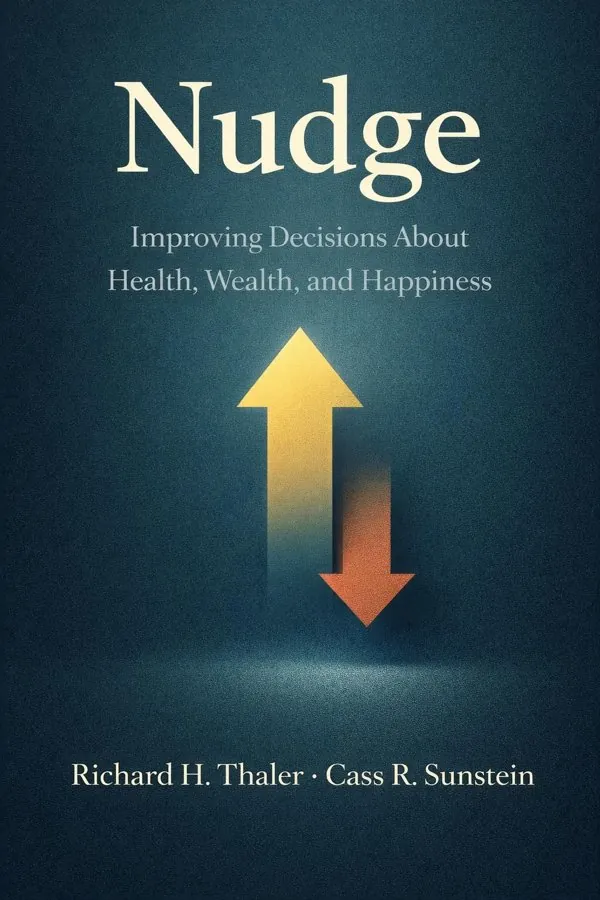
Nudge
Richard H. Thaler, Cass R. Sunstein
10 min
The Hitchhiker"s Guide to the Galaxy
Douglas Adams
10 minThe Muqaddimah
Ibn Khaldun
10 minThe Outsiders
William N. Thorndike
10 min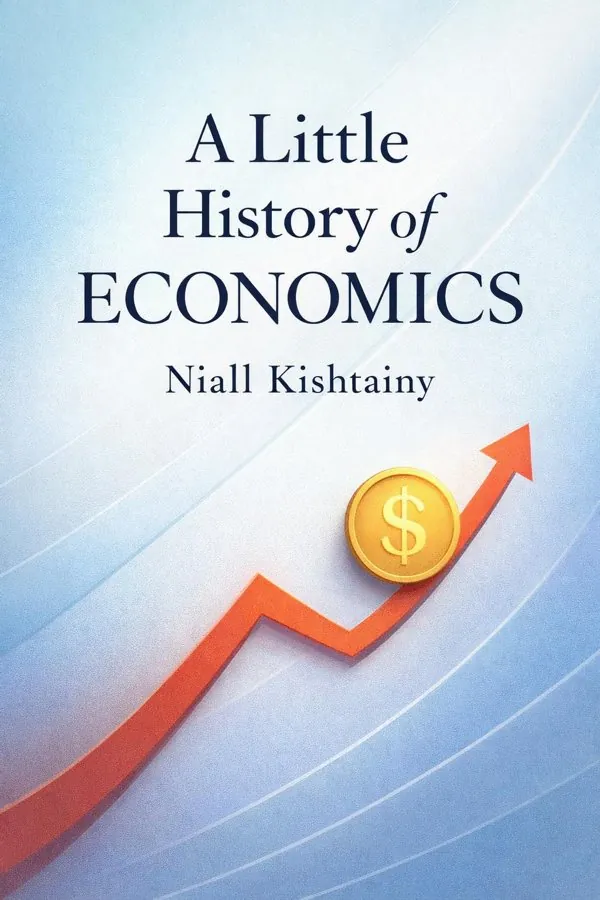
A Little History of Economics
Niall Kishtainy
10 minBrowse by Category
Ready to read The Upside of Irrationality: The Unexpected Benefits of Defying Logic at Work and at Home?
Get the full summary and 100K+ more books with Fizz Moment.