
Books About Creativity — Unlock Your Creative Genius
Creativity is the most valuable skill of the 21st century. These books teach you how to generate ideas, overcome creative blocks, and bring your vision to life.
 10 min read
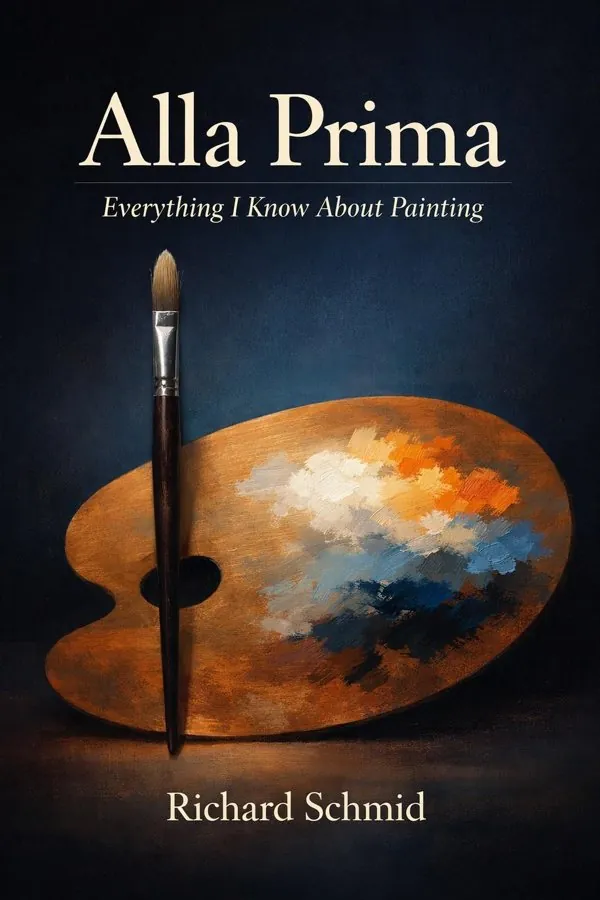
Alla Prima: Everything I Know About Painting
by Richard Schmid
Richard Schmid’s Alla Prima: Everything I Know About Painting is far more than a technical manual on wet-into-wet painting. It is a master class in how to see, judge, simplify, and translate life into paint with honesty and conviction. Built around the alla prima approach—completing a painting directly, often in one session—the book covers materials, color, value, edges, drawing, composition, and the mental discipline required to paint from observation. But its real strength lies in Schmid’s ability to connect craft with perception. He does not treat painting as a collection of tricks. He treats it as a lifelong practice of learning how light shapes form, how relationships create harmony, and how decisions reveal artistic maturity. That perspective matters because Schmid wrote from decades of professional experience as one of America’s most respected realist painters and teachers. Whether you paint portraits, still life, landscapes, or interiors, this book offers practical instruction anchored in deep visual intelligence. It remains essential reading for artists who want not only better technique, but a clearer understanding of what it actually means to paint well.
Key Takeaways
- 1See Relationships, Not Isolated Objects — Great painting begins before the brush touches the canvas: it begins when the artist stops naming things and starts obse…
- 2Choose Tools That Serve Expression — Materials do not make the painter, but they can either support clarity or create unnecessary struggle. Schmid treats bru…
- 3Color Harmony Comes From Comparison — Color feels mysterious until you realize that most color problems are really relationship problems. Schmid teaches that …
 10 min read
Architects' Sketchbooks
by Various Editors
Architects' Sketchbooks is not a conventional architecture book about finished buildings, polished renderings, or technical perfection. Instead, it opens the private, working notebooks of architects and reveals something far more valuable: how ideas begin. Edited as a curated visual anthology, the book gathers sketchbook pages from a wide range of architects, showing rough lines, fleeting observations, spatial experiments, travel notes, and half-formed concepts that later inform real projects. What makes this collection so compelling is its intimacy. These drawings are not primarily made for clients or publication; they are thinking tools, records of curiosity, and evidence of design in motion. The editors' authority comes from assembling a diverse, global portrait of architectural practice through authentic primary material, allowing readers to compare methods across generations, styles, and cultures. The book matters because it reminds us that architecture does not emerge fully formed from software or theory. It grows through looking, drawing, revising, and imagining. For designers, students, and visually curious readers, Architects' Sketchbooks offers a rare chance to witness creativity before it becomes certainty.
Key Takeaways
- 1Sketching Makes Thinking Visible — The most revealing truth in Architects' Sketchbooks is that a sketch is not just a picture of an idea; it is often the p…
- 2Process Matters More Than Polish — One of the book's most powerful lessons is that creative quality rarely begins with polished output. The sketchbooks are…
- 3Observation Fuels Original Design — A striking pattern throughout Architects' Sketchbooks is that originality often begins with close observation, not abstr…
 10 min read
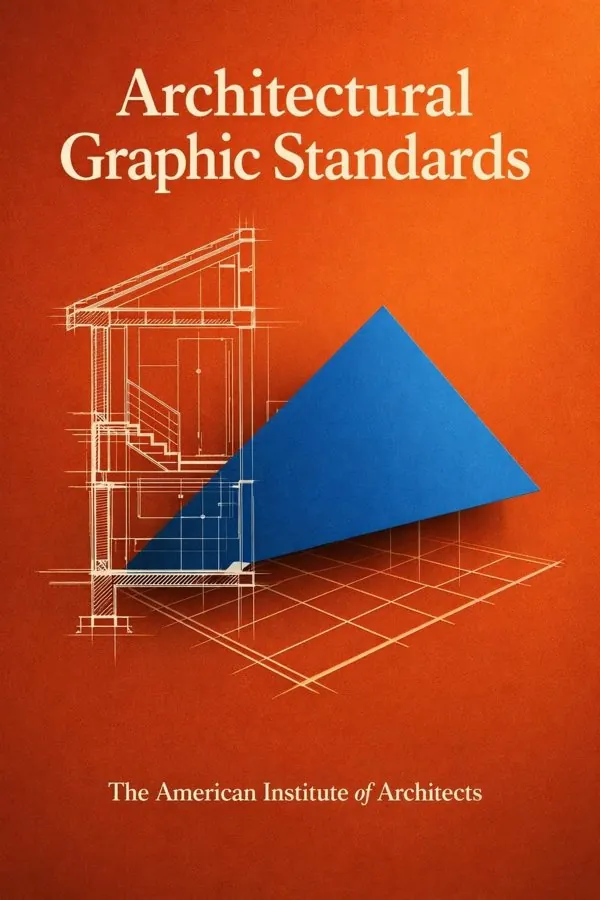
Architectural Graphic Standards
by The American Institute of Architects
Architectural Graphic Standards is one of the most enduring reference works in architecture, a book designed not simply to inspire ideas but to help turn ideas into buildable, code-aware, coordinated reality. Created under the authority of The American Institute of Architects, it brings together the practical knowledge that architects, designers, students, and construction professionals need when making decisions about space, systems, materials, dimensions, and detailing. Rather than presenting architecture as abstract theory, it shows how buildings actually come together, from room layouts and circulation to assemblies, accessibility, and technical coordination. What makes this work so important is its role as a bridge between concept and construction. Design quality depends on more than creativity; it requires accuracy, standards, and informed judgment. Architectural Graphic Standards offers visual guidance, conventions, best practices, and technical frameworks that help professionals communicate clearly and build responsibly. Its authority comes from the collective expertise of the AIA and generations of contributors who have shaped architectural practice in the United States. For anyone who wants to understand how architecture moves from sketch to specification, this book remains a foundational and trusted guide.
Key Takeaways
- 1Good Design Depends on Precise Information — A beautiful idea can fail the moment it meets reality if it lacks technical clarity. One of the central lessons of Archi…
- 2Graphic Communication Shapes Built Outcomes — A building is constructed from instructions before it is experienced as a place. Architectural Graphic Standards highlig…
- 3Standards Connect Human Use to Space — Buildings are successful when they fit the bodies, movements, and routines of the people who use them. Architectural Gra…
 10 min read
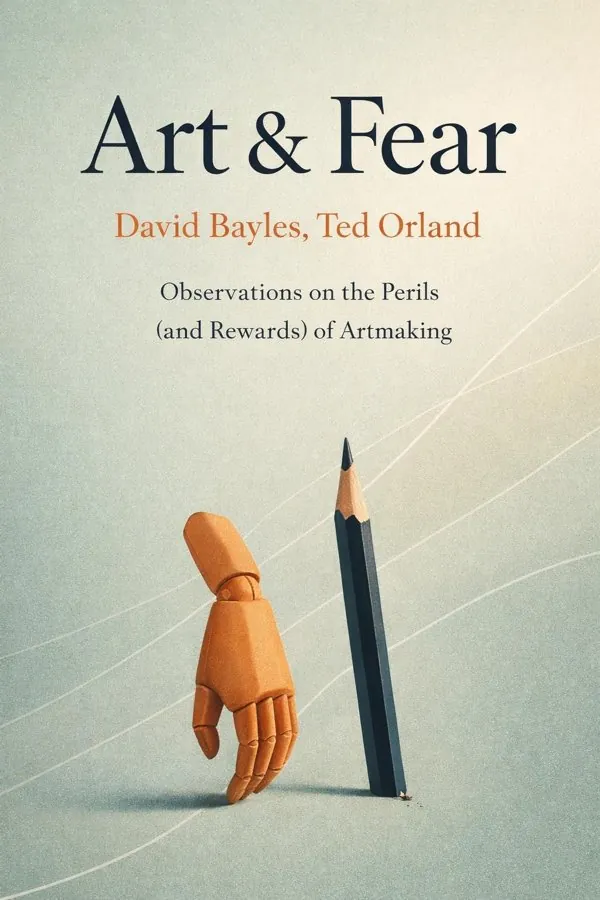
Art & Fear: Observations on the Perils (and Rewards) of Artmaking
by David Bayles, Ted Orland
Art & Fear explores the challenges artists face in creating their work, including self-doubt, criticism, and the struggle to maintain artistic integrity. The authors discuss how fear often prevents artists from pursuing their creative vision and offer insights into overcoming these obstacles to sustain a lifelong artistic practice.
Key Takeaways
- 1The Nature of Artmaking — Artmaking, we write, is not a singular event but a continuous process. It’s about living in the rhythm of making, not ch…
- 2The Artist’s Self-Doubt — Self-doubt is every artist’s silent companion. It’s the voice that questions your capability before anyone else does. In…
- 3Vision and Execution
 10 min read
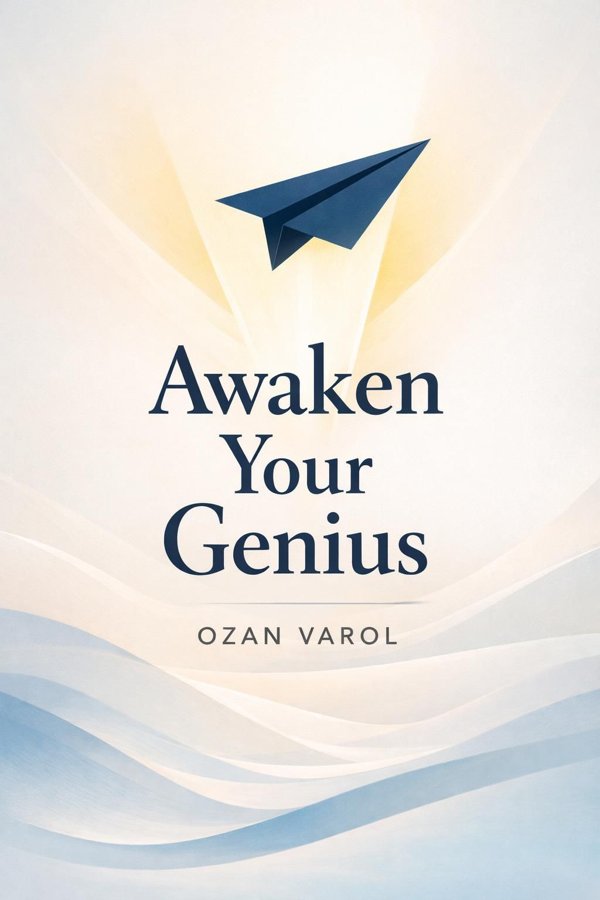
Awaken Your Genius: Escape Conformity, Ignite Creativity, and Become Extraordinary
by Ozan Varol
Awaken Your Genius es un libro de desarrollo personal que invita a los lectores a liberarse de la conformidad y descubrir su potencial creativo único. Ozan Varol combina ideas de ciencia, filosofía y psicología para mostrar cómo cada persona puede pensar de manera original, desafiar las normas y crear una vida extraordinaria.
Key Takeaways
- 1The Myth of Conformity — We live in a culture that worships originality while quietly enforcing uniformity. From childhood onward, our creativity…
- 2Rediscovering Curiosity — Curiosity is the most human of faculties, yet one of the first we lose to conditioning. As children, we live in a perpet…
- 3Questioning Assumptions
 10 min read
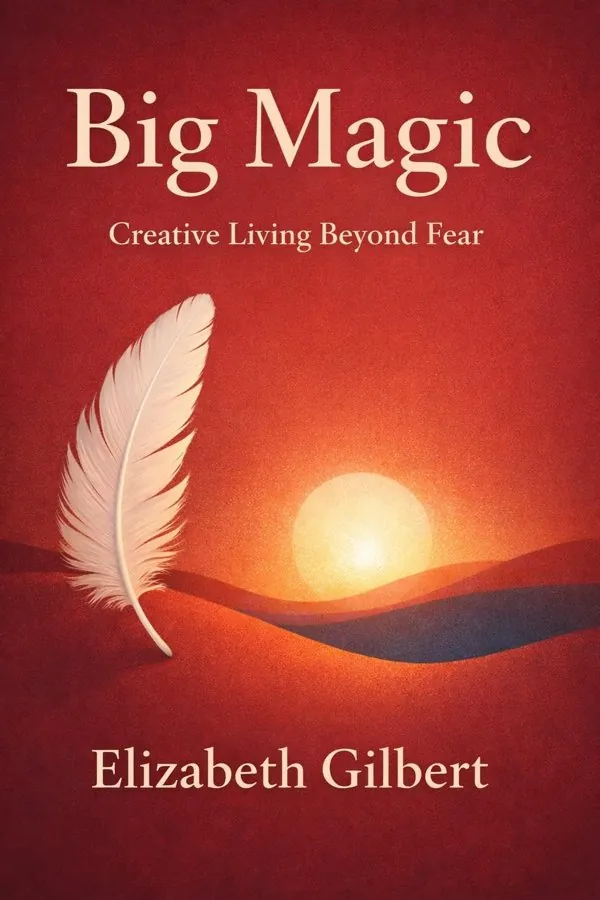
Big Magic: Creative Living Beyond Fear
by Elizabeth Gilbert
Big Magic: Creative Living Beyond Fear is Elizabeth Gilbert’s spirited invitation to stop waiting for permission and start participating in the creative life you already sense calling to you. Rather than treating creativity as a rare gift reserved for artists, Gilbert argues that it is a natural human force available to anyone willing to approach life with curiosity, courage, and playfulness. The book explores how fear disrupts expression, how inspiration arrives, why discipline matters, and how we can keep creating without becoming crushed by perfectionism, failure, or the need for approval. What makes this book matter is its liberating tone: Gilbert does not promise genius, fame, or mastery. She offers something more useful—a practical and humane philosophy for making things, trying things, and living more vividly. Gilbert writes with unusual authority because she speaks both as a bestselling author and as someone who has wrestled publicly with success, doubt, expectation, and reinvention. Through essays, stories, and sharp observations, she reframes creativity not as a tortured struggle, but as a joyful, resilient, deeply personal practice.
Key Takeaways
- 1Courage Comes Before Creative Confidence — The biggest myth about creativity is that brave people create and fearful people do not. Gilbert overturns that idea imm…
- 2Ideas Visit Those Ready To Work — Gilbert treats inspiration as something almost alive—restless, searching, and drawn toward people who will welcome it. W…
- 3Permission Is Something You Grant Yourself — Many creative lives stall because people wait for certification that never arrives. They want permission from parents, t…
 10 min read
Blue & Yellow Don’t Make Green
by Michael Wilcox
This book by artist and color theorist Michael Wilcox challenges the traditional color-mixing theory that blue and yellow make green. It introduces a systematic approach to color mixing based on the concept of bias in pigments, helping artists achieve cleaner, more predictable color results. The book provides detailed explanations, color charts, and practical exercises for painters seeking to master color harmony and control.
Key Takeaways
- 1The Legacy of the Traditional Color Theory — To appreciate why the phrase 'blue and yellow make green' persisted so stubbornly, we must look at its lineage. From Isa…
- 2Understanding Pigment Bias: The Key to Color Control — Imagine every pigment as having its own personality. No color exists in isolation; what you call 'blue' may whisper hint…
- 3The Color Bias Wheel: Redefining the Artist’s Compass
 10 min read
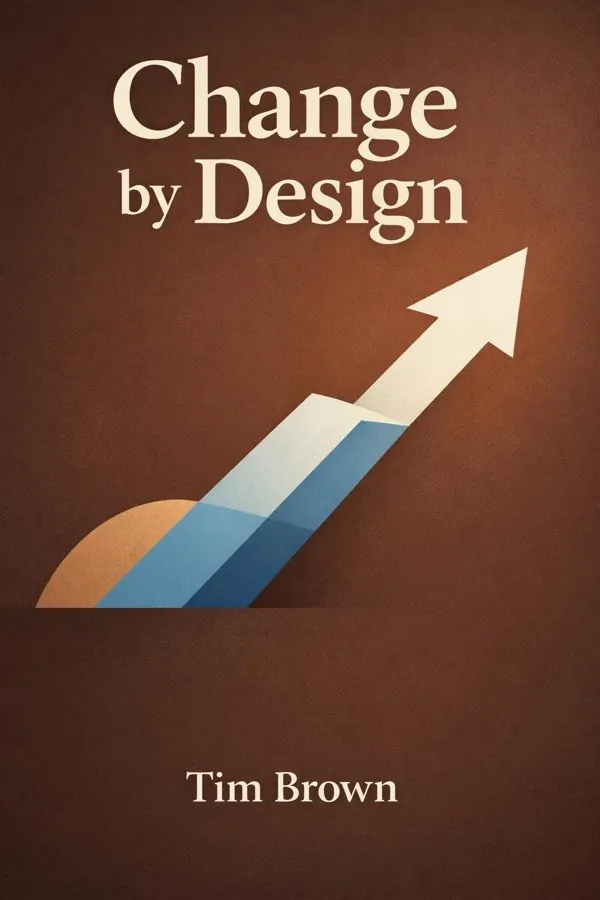
Change by Design: How Design Thinking Transforms Organizations and Inspires Innovation
by Tim Brown
Change by Design argues that innovation is not the product of isolated genius, nor the result of simply analyzing markets and optimizing operations. Instead, Tim Brown shows that breakthrough ideas emerge when organizations adopt design thinking: a human-centered, experimental approach that balances what people need, what technology can enable, and what businesses can sustain. Drawing on his experience leading IDEO, one of the world’s most influential design and innovation firms, Brown explains how design methods can be applied far beyond product styling—to services, strategies, systems, and even social challenges. The book matters because many organizations are built to reduce risk, improve efficiency, and repeat what already works, while the hardest problems of modern business demand curiosity, empathy, collaboration, and rapid learning. Brown provides a practical framework for making those qualities operational. Whether you are an executive, entrepreneur, designer, policymaker, or team leader, this book offers a compelling case that design thinking is not a creative luxury. It is a disciplined way to navigate uncertainty, unlock new value, and build organizations capable of meaningful innovation.
Key Takeaways
- 1From Styling to Strategic Design Thinking — The most important shift in modern innovation begins when design stops being treated as decoration and starts being trea…
- 2Empathy Is the Starting Point — Innovation often fails not because the idea is technically weak, but because it is emotionally and behaviorally blind. B…
- 3Inspiration, Ideation, and Implementation — Innovation becomes more manageable when it is seen as a movement through distinct but overlapping spaces rather than a r…
 10 min read
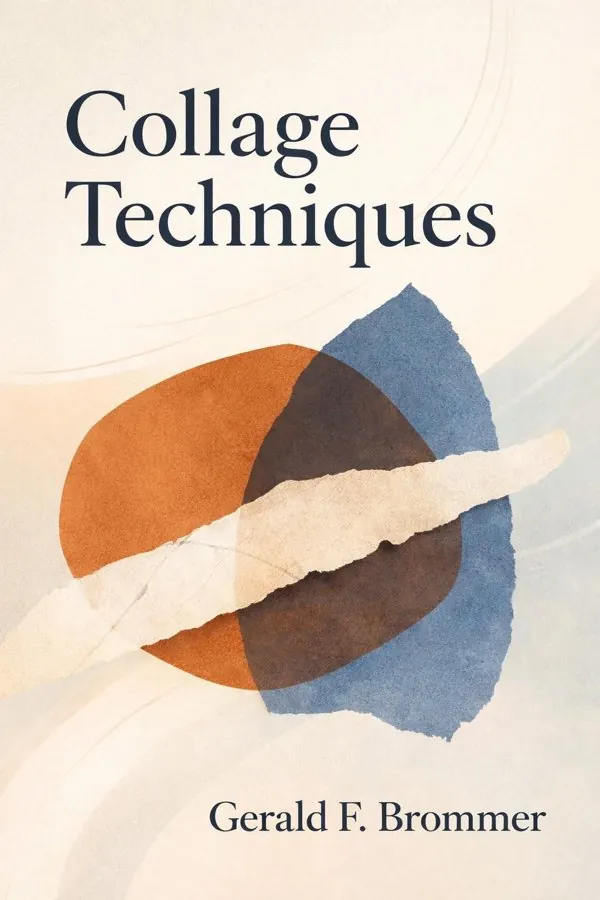
Collage Techniques
by Gerald F. Brommer
Collage Techniques by Gerald F. Brommer is a practical and inspiring guide to one of art’s most flexible, inventive, and accessible forms. More than a manual on cutting and pasting, the book shows how collage becomes a way of thinking visually—how found images, textures, papers, and marks can be arranged into compositions that communicate emotion, rhythm, and meaning. Brommer explores the medium from its historical roots to its modern classroom and studio applications, explaining materials, tools, design principles, color relationships, layering methods, and mixed-media possibilities with clarity and enthusiasm. What makes the book especially valuable is Brommer’s authority as both a practicing artist and a seasoned educator. He understands not only how collage works on the page, but how students and artists actually learn through making, experimenting, and revising. His demonstrations and examples help readers move from imitation to personal expression. For art students, teachers, hobbyists, and working creatives, this book matters because it treats collage as both a disciplined design practice and a liberating creative process—one capable of transforming everyday fragments into original visual statements.
Key Takeaways
- 1The Origins and Spirit of Collage — Every collage begins with a simple but radical act: taking something made for one purpose and giving it a new visual lif…
- 2The Language of Materials and Tools — The quality of a collage is often decided before composition even begins—by the artist’s familiarity with materials. Bro…
- 3Design Principles in Collage Composition — A successful collage may look spontaneous, but beneath its energy lies deliberate design. Brommer makes clear that colla…
 10 min read
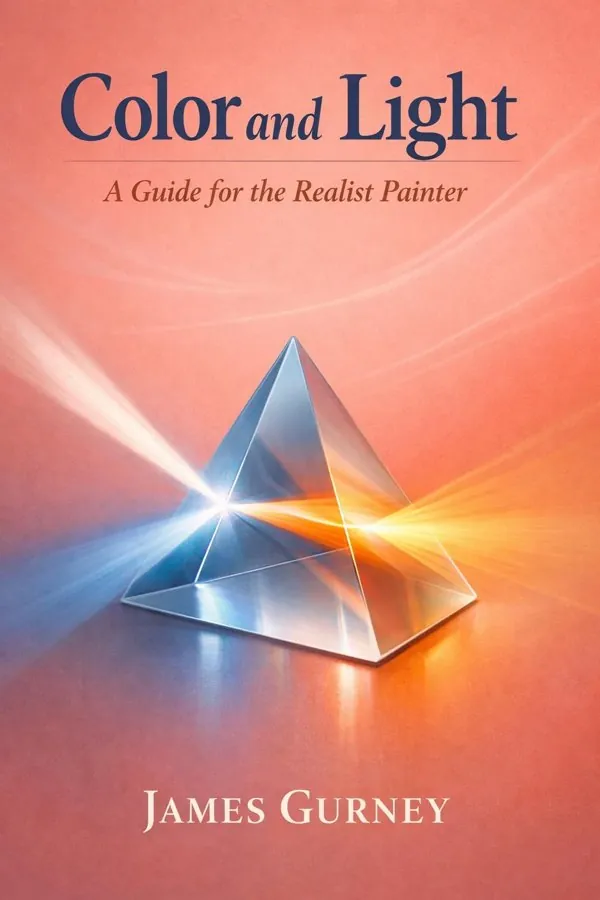
Color and Light: A Guide for the Realist Painter
by James Gurney
Color and Light: A Guide for the Realist Painter es un libro de referencia artística que explora los principios del color y la iluminación en la pintura realista. James Gurney, conocido por su serie Dinotopia, ofrece una guía práctica sobre cómo los artistas pueden comprender y aplicar la teoría del color y los efectos de la luz para crear obras convincentes y naturales. El libro combina observaciones científicas, ejemplos pictóricos y consejos técnicos para ayudar a los pintores a mejorar su comprensión visual y su dominio del color.
Key Takeaways
- 1The Science of Light: Understanding Its Behavior — To paint light convincingly, we must begin where light itself begins — with physics. Light is both particle and wave, tr…
- 2Color Theory Fundamentals: Hue, Value, Saturation, and Temperature — Color is emotional truth wrapped in optical physics. When you understand hue, value, saturation, and temperature, you le…
- 3Natural and Artificial Light: Sources and Their Influence
 10 min read
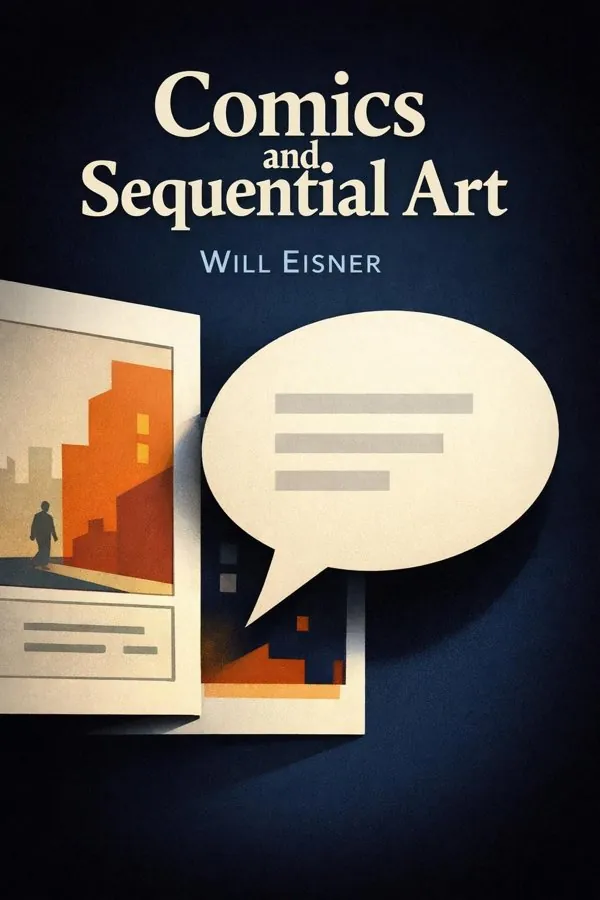
Comics and Sequential Art: Principles and Practices from the Legendary Cartoonist
by Will Eisner
Comics and Sequential Art es una obra fundamental escrita por Will Eisner que explora los principios del arte secuencial, la narrativa visual y la estructura del cómic como medio de comunicación. El libro analiza cómo las imágenes y el texto interactúan para crear significado, ofreciendo una guía teórica y práctica para artistas y narradores gráficos.
Key Takeaways
- 1Sequential Art: A Language of Its Own — When I define comics as sequential art, I am emphasizing the idea of sequence—images arranged in deliberate order to con…
- 2The Dance of Image and Word — A central principle of sequential art is the interaction between image and word. Neither alone conveys the full meaning …
- 3Timing, Rhythm, and the Pulse of Sequence
 10 min read
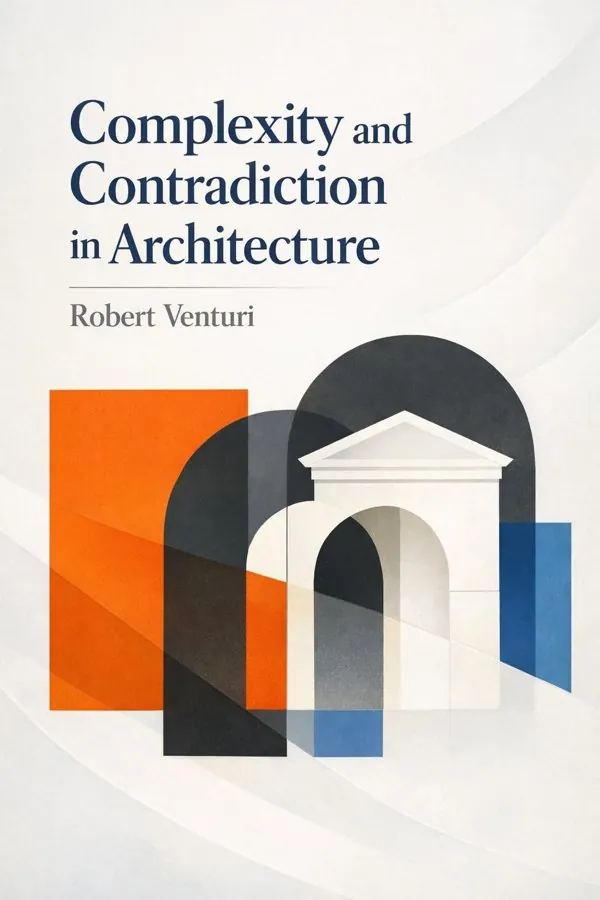
Complexity and Contradiction in Architecture
by Robert Venturi
Originally published in 1966, this seminal work by architect Robert Venturi challenges the modernist orthodoxy of simplicity and purity in architectural design. Venturi advocates for embracing complexity, contradiction, and historical reference, arguing that architecture should reflect the richness and ambiguity of real life rather than adhere to rigid formalism. The book became a cornerstone of postmodern architectural theory and remains influential in architectural education and practice.
Key Takeaways
- 1Complexity and Contradiction — At the heart of this work lies the conviction that complexity and contradiction are not flaws to be purified from archit…
- 2The Double Function of Elements — Architectural elements are never merely functional—nor should they be. The modernist impulse reduced walls to structural…
- 3Contradictory Levels and Phenomena
 10 min read
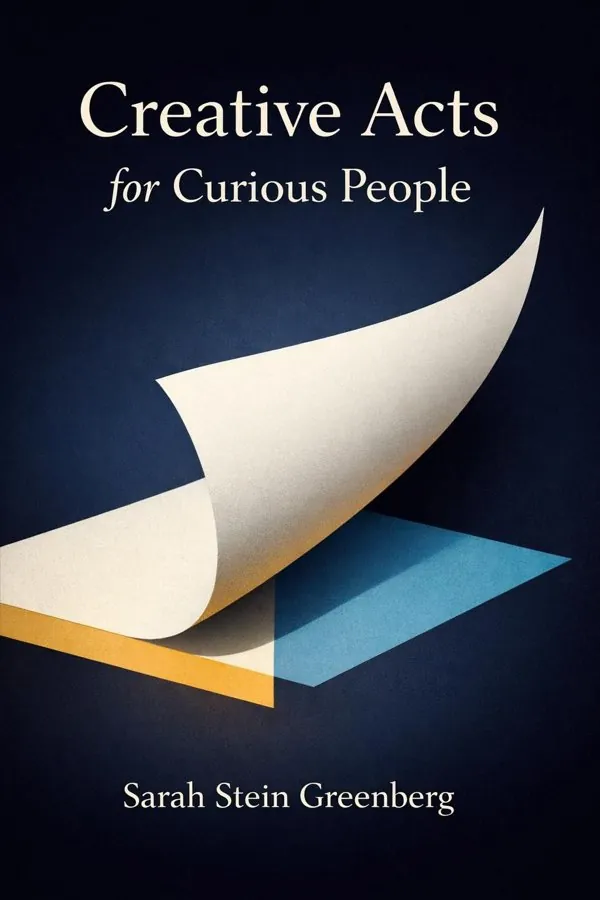
Creative Acts for Curious People: How to Think, Create, and Lead in Unconventional Ways
by Sarah Stein Greenberg
This book, written by Sarah Stein Greenberg, the executive director of Stanford University's d.school, offers a collection of creative exercises and insights designed to help readers cultivate curiosity, innovation, and leadership through design thinking. It provides practical methods for approaching challenges with creativity and empathy, encouraging readers to experiment and embrace unconventional problem-solving.
Key Takeaways
- 1Design Thinking: A Human-Centered Way of Seeing and Doing — Design thinking begins with empathy. It teaches us to look at the world not through our own assumptions, but through the…
- 2Curiosity: The Creative Mind’s Lifeblood — Curiosity is where all creative acts begin. It is the energy that fuels exploration and the spark that draws us toward i…
- 3Empathy: Seeing the World Through Others’ Eyes
 10 min read
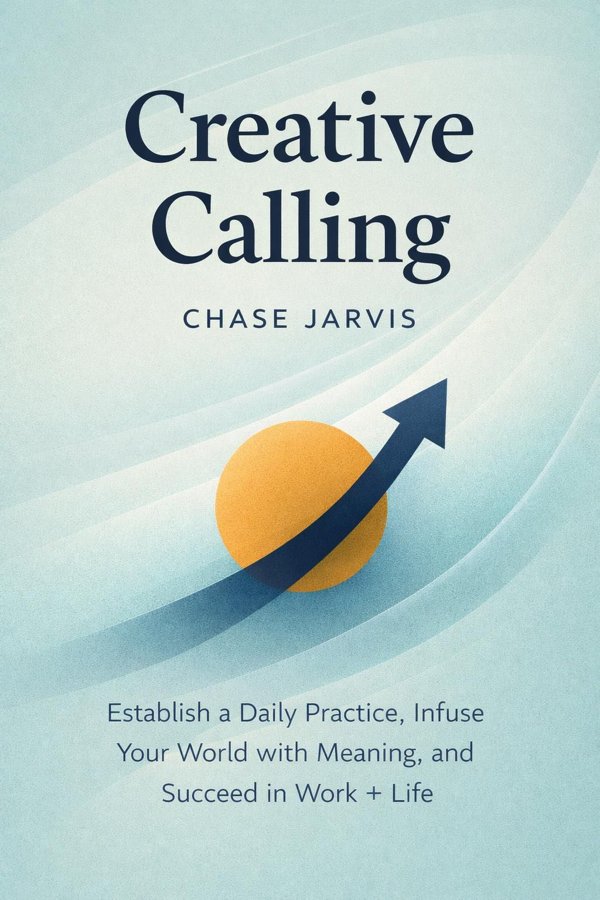
Creative Calling: Establish a Daily Practice, Infuse Your World with Meaning, and Succeed in Work + Life
by Chase Jarvis
Creative Calling es un libro de Chase Jarvis que explora cómo cada persona puede desarrollar su creatividad como una práctica diaria. Jarvis, fotógrafo y emprendedor, argumenta que la creatividad no es un talento reservado para unos pocos, sino una habilidad que puede cultivarse para mejorar la vida personal y profesional. El libro ofrece estrategias para superar el miedo, establecer rutinas creativas y conectar con una comunidad que impulse la expresión auténtica.
Key Takeaways
- 1The Myth of Talent — For too long, society has convinced us that only certain people are born creative. I know because I grew up believing it…
- 2The IDEA Framework Overview — Over the years, I needed a way to translate creativity from an abstract concept into something actionable. That’s why I …
- 3Imagine
 10 min read
Creative Confidence: Unleashing the Creative Potential Within Us All
by Tom Kelley, David Kelley
Creative Confidence es un libro que inspira a las personas a liberar su potencial creativo, sin importar su profesión o experiencia. Los hermanos Tom y David Kelley, fundadores de IDEO, comparten historias y estrategias prácticas para superar el miedo al fracaso, fomentar la innovación y aplicar el pensamiento de diseño en la vida cotidiana y en el trabajo.
Key Takeaways
- 1From Fear to Courage — At IDEO, we’ve encountered countless smart people held back by fear. They have ideas but hesitate to share them; they wa…
- 2Rediscovering Creativity — We all hold memories of creative moments—they’re just buried. In one of our corporate workshops, an accountant told us s…
- 3The Heart of Design Thinking
Want the full summary?
Get instant access to this book summary and 100K+ more with Fizz Moment.
Get Free SummaryAvailable on App Store • Free to download
About This List
Creativity is the most valuable skill of the 21st century. These books teach you how to generate ideas, overcome creative blocks, and bring your vision to life.
This list features 15 carefully selected books. With FizzRead, you can read AI-powered summaries of each book in just 15 minutes. Get the key takeaways and start applying the insights immediately.
Ready to start reading?
Get instant access to all 15 book summaries and 100K+ more with FizzRead.