

Michael Pollan Books
Michael Pollan is an American author, journalist, and professor known for his books on food, nature, and the human mind. His works, including 'The Omnivore’s Dilemma' and 'How to Change Your Mind,' combine investigative reporting with deep philosophical reflection on human culture and the natural world.
Known for: Cooked: A Natural History of Transformation, Food Rules: An Eater’s Manual, How to Change Your Mind, In Defense of Food: An Eater's Manifesto, Second Nature: A Gardener's Education, The Botany of Desire: A Plant's-Eye View of the World, The Omnivore’s Dilemma: A Natural History of Four Meals, This Is Your Mind on Plants
Books by Michael Pollan
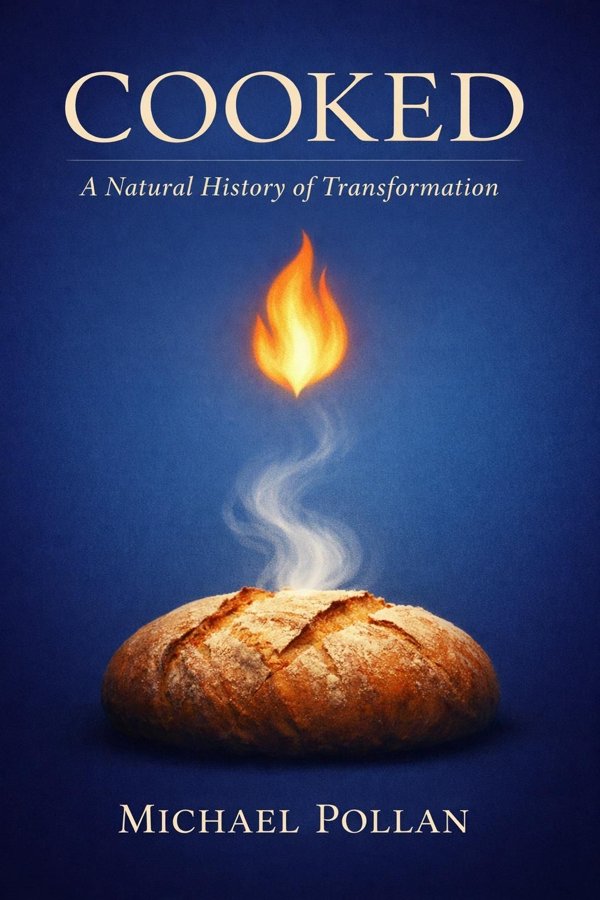
Cooked: A Natural History of Transformation
In 'Cooked: A Natural History of Transformation', Michael Pollan explores the fundamental human act of cooking through four elemental methods—fire, water, air, and earth. He immerses himself in each p...
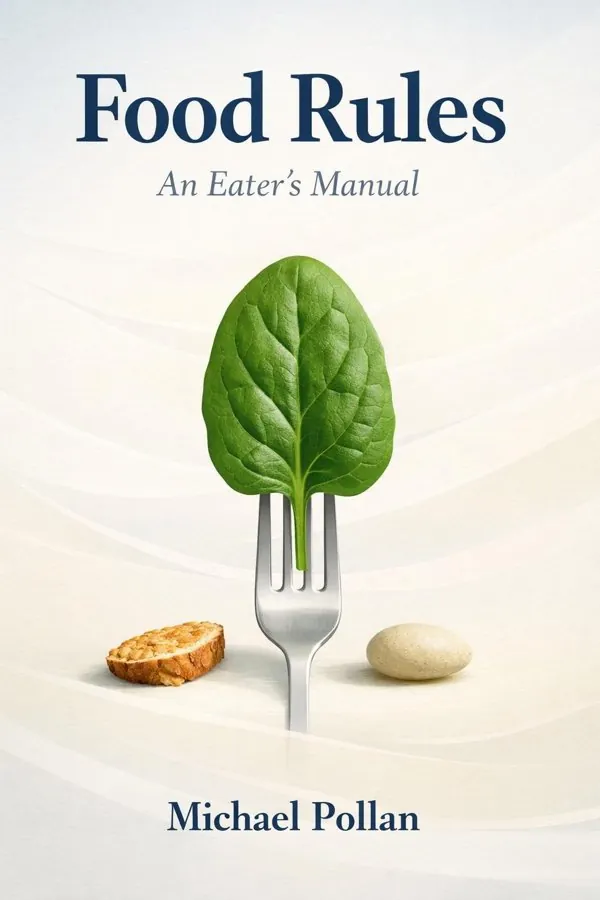
Food Rules: An Eater’s Manual
Food Rules: An Eater’s Manual is a concise guide by Michael Pollan that distills his philosophy of eating into simple, memorable principles. Drawing from cultural wisdom and nutritional science, Polla...
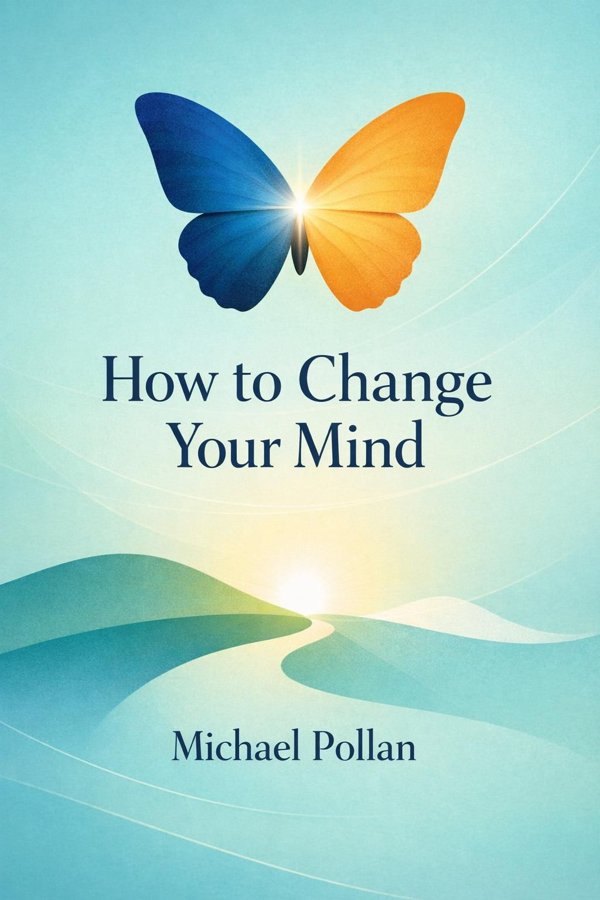
How to Change Your Mind
In this groundbreaking work, Michael Pollan explores the resurgence of psychedelic research and its profound implications for mental health, consciousness, and spirituality. Blending scientific inquir...
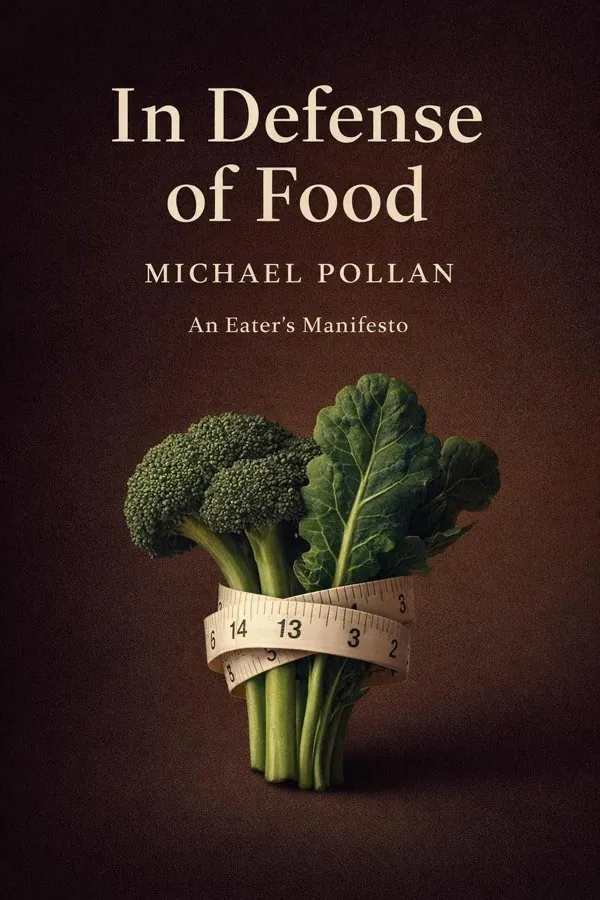
In Defense of Food: An Eater's Manifesto
In Defense of Food: An Eater’s Manifesto es un ensayo de Michael Pollan que examina la evolución de la dieta moderna y critica la influencia de la industria alimentaria y la ciencia nutricional reducc...
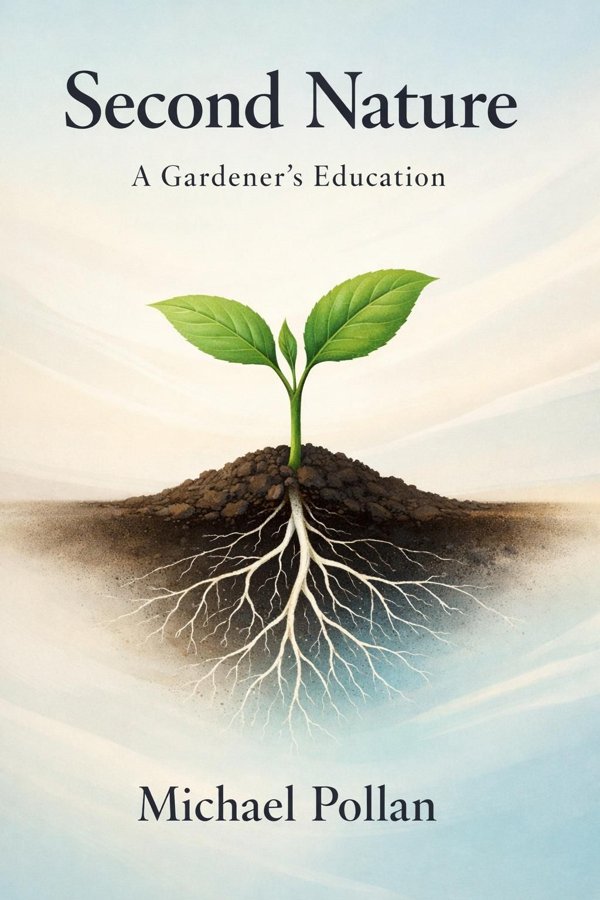
Second Nature: A Gardener's Education
In this reflective and eloquent work, Michael Pollan explores the relationship between humans and nature through the lens of gardening. He examines how cultivation transforms both the land and the gar...
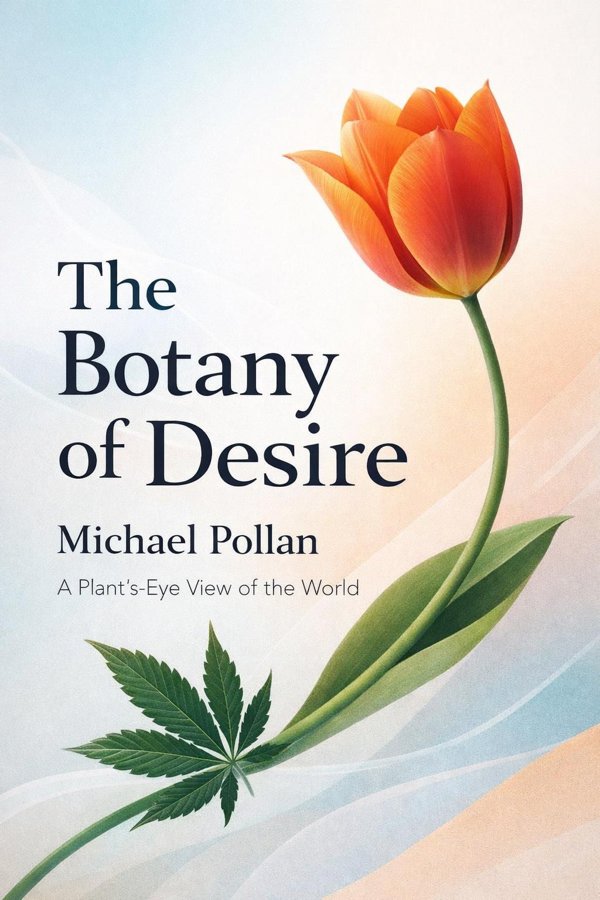
The Botany of Desire: A Plant's-Eye View of the World
In this groundbreaking work, Michael Pollan explores the complex relationship between humans and plants through four species—apples, tulips, marijuana, and potatoes—each representing a different human...
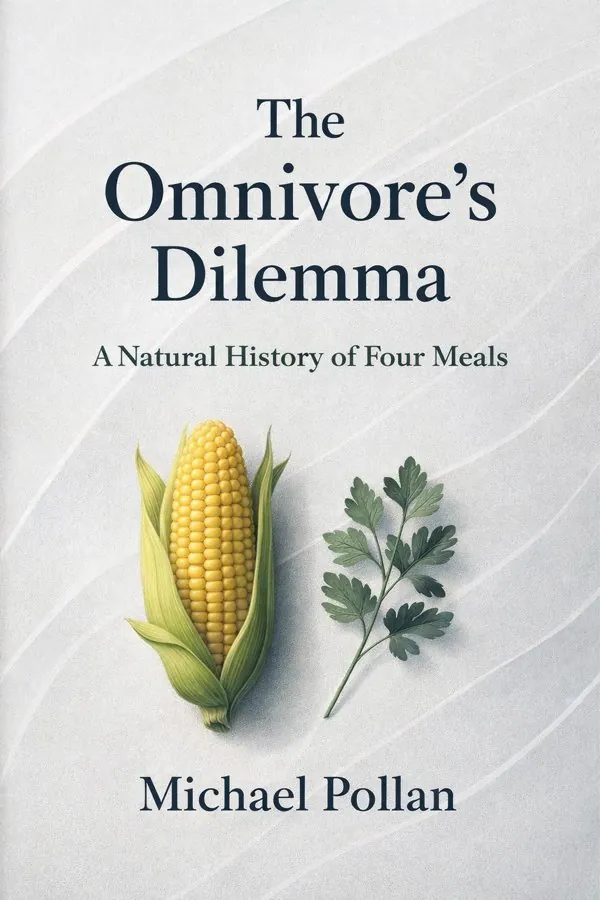
The Omnivore’s Dilemma: A Natural History of Four Meals
In this influential work, Michael Pollan explores the origins and consequences of the modern food chain. He traces four meals—from industrial agriculture to organic farming and foraging—revealing how ...
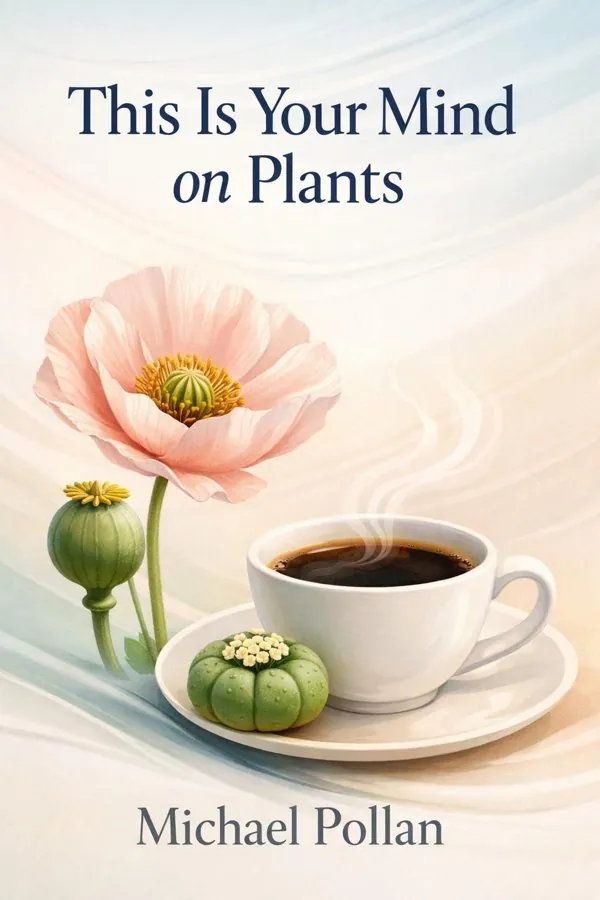
This Is Your Mind on Plants
In this book, Michael Pollan explores the complex relationship between humans and psychoactive plants—opium, caffeine, and mescaline. Through historical, scientific, and personal perspectives, he exam...
Key Insights from Michael Pollan
The Element of Fire: Learning from Pit Masters
Fire is where humanity’s story of cooking begins. Long before we had pots or ovens, we had flames and the patience to gather around them. When I began to explore this element, I found myself drawn to barbecue—the ritualized, slow, smoky transformation of raw flesh into something altogether different...
From Cooked: A Natural History of Transformation
The Element of Water: Cooking with a Chef
Water represents a different kind of transformation—one mediated by time, patience, and containment. Unlike fire’s wild freedom, water cooking—boiling, braising, stewing—symbolizes domestic comfort and nurturing. To explore this, I entered a professional kitchen under a trained chef’s guidance. Ther...
From Cooked: A Natural History of Transformation
Part I – What Should I Eat?
To start with the simplest question—what should I eat?—we need first to recognize that much of what fills our supermarkets is not food at all. It’s what I call 'edible food-like substances.' These are the highly processed, engineered products that dominate the modern diet—concoctions created by food...
From Food Rules: An Eater’s Manual
Part II – What Kind of Food Should I Eat?
When you’ve identified what counts as food, the next question becomes: what kind of food should you eat? The answer, put succinctly, is 'mostly plants.' If the modern diet has erred in any direction, it’s in its excessive reliance on animal products and refined industrial ingredients at the expense ...
From Food Rules: An Eater’s Manual
Historical Background
To understand how psychedelics went from revered scientific tools to cultural pariahs, you need to travel back to the mid-twentieth century. The story begins with an accident—a chemist named Albert Hofmann in Switzerland, in 1943, discovered LSD’s strange and powerful effects. Around the same time, ...
From How to Change Your Mind
The Renaissance of Psychedelic Research
In recent years, a quiet revolution has begun—an unlikely one, led not by activists but by scientists in white coats. At Johns Hopkins, NYU, Imperial College London, and other institutions, researchers are once again studying psilocybin and related compounds. Their findings are astonishing, and prof...
From How to Change Your Mind
About Michael Pollan
Michael Pollan is an American author, journalist, and professor known for his books on food, nature, and the human mind. His works, including 'The Omnivore’s Dilemma' and 'How to Change Your Mind,' combine investigative reporting with deep philosophical reflection on human culture and the natural wo...
Read more
Michael Pollan is an American author, journalist, and professor known for his books on food, nature, and the human mind. His works, including 'The Omnivore’s Dilemma' and 'How to Change Your Mind,' combine investigative reporting with deep philosophical reflection on human culture and the natural wo...
Michael Pollan is an American author, journalist, and professor known for his books on food, nature, and the human mind. His works, including 'The Omnivore’s Dilemma' and 'How to Change Your Mind,' combine investigative reporting with deep philosophical reflection on human culture and the natural world.


Frequently Asked Questions
Michael Pollan is an American author, journalist, and professor known for his books on food, nature, and the human mind. His works, including 'The Omnivore’s Dilemma' and 'How to Change Your Mind,' combine investigative reporting with deep philosophical reflection on human culture and the natural world.
Read Michael Pollan's books in 15 minutes
Get AI-powered summaries with key insights from 8 books by Michael Pollan.