
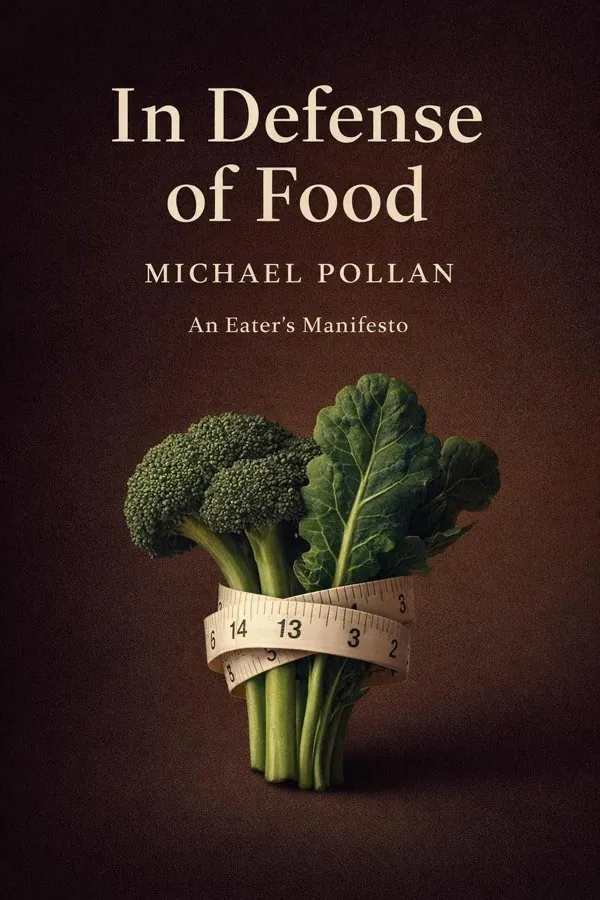
In Defense of Food: An Eater's Manifesto: Summary & Key Insights
 10 min3 chaptersAudio available
What Is In Defense of Food: An Eater's Manifesto About?
In Defense of Food: An Eater's Manifesto by Michael Pollan is a health_med book spanning 3 pages. In Defense of Food: An Eater’s Manifesto es un ensayo de Michael Pollan que examina la evolución de la dieta moderna y critica la influencia de la industria alimentaria y la ciencia nutricional reduccionista. Pollan propone una filosofía alimentaria sencilla basada en el principio: 'Come comida, no demasiada, principalmente plantas'. A través de un análisis histórico y cultural, el autor invita a los lectores a reconectarse con los alimentos naturales y las tradiciones culinarias, promoviendo una alimentación más saludable y sostenible.
This FizzRead summary covers all 3 key chapters of In Defense of Food: An Eater's Manifesto in approximately 10 minutes, distilling the most important ideas, arguments, and takeaways from Michael Pollan's work. Also available as an audio summary and Key Quotes Podcast.
In Defense of Food: An Eater's Manifesto
In Defense of Food: An Eater’s Manifesto es un ensayo de Michael Pollan que examina la evolución de la dieta moderna y critica la influencia de la industria alimentaria y la ciencia nutricional reduccionista. Pollan propone una filosofía alimentaria sencilla basada en el principio: 'Come comida, no demasiada, principalmente plantas'. A través de un análisis histórico y cultural, el autor invita a los lectores a reconectarse con los alimentos naturales y las tradiciones culinarias, promoviendo una alimentación más saludable y sostenible.
Who Should Read In Defense of Food: An Eater's Manifesto?
This book is perfect for anyone interested in health_med and looking to gain actionable insights in a short read. Whether you're a student, professional, or lifelong learner, the key ideas from In Defense of Food: An Eater's Manifesto by Michael Pollan will help you think differently.
- ✓Readers who enjoy health_med and want practical takeaways
- ✓Professionals looking to apply new ideas to their work and life
- ✓Anyone who wants the core insights of In Defense of Food: An Eater's Manifesto in just 10 minutes
Want the full summary?
Get instant access to this book summary and 100K+ more with Fizz Moment.
Get Free SummaryAvailable on App Store • Free to download
Key Chapters
To understand why we’re so bewildered about what to eat, we must first understand how we came to believe that food is little more than a delivery system for nutrients. Nutritionism, as I call it, is not just a theory—it’s an ideology. Its central tenet is that the key to understanding food lies in its invisible constituents: fats, carbohydrates, proteins, vitamins, antioxidants, omega-3s, and so on. Food, under this ideology, loses its identity; it becomes a vehicle for measurable substances to be optimized.
This way of thinking took hold in the mid-20th century when scientists began identifying and naming nutrients, and governments started crafting policy based on them. The great dietary revolutions—the fight against fat in the 1970s, the war on cholesterol in the 1980s, and the embrace of carbohydrates in the 1990s—were all driven by this mindset. The result? A marketplace full of pseudo-foods painted with health claims: 'low-fat,' 'fortified,' 'cholesterol-free.' And yet, despite these claims, Americans became sicker and heavier.
Under nutritionism, we ceded authority over our diets to experts—the nutrition scientists, the policymakers, the media pundits—each promoting contradictory advice. Meanwhile, the food industry eagerly stepped in to manufacture processed food products engineered to fit the latest nutrient trend. The apple became less interesting than 'vitamin C,' and cooking became less important than counting grams.
But food was never meant to be understood this way. We evolved eating whole foods in the context of cultures that encoded deep, practical wisdom—wisdom that no nutrient chart can capture. When we abandon those traditions in favor of laboratory formulations, we don’t just lose our health; we lose connection—to culture, family, ecology, and pleasure.
If the ideology of nutritionism explains how we think about food, the Western diet explains how we actually eat. The Western diet is industrial, abundant in processed foods, refined grains, added sugars, and industrial oils. It promises convenience, abundance, and scientific sophistication, yet it has delivered widespread chronic disease. Obesity, Type 2 diabetes, heart disease, and certain cancers have become the hallmark of societies that eat this way.
To grasp what’s gone wrong, I examined the historical shift from traditional diets—those based on fresh, seasonal, and minimally processed foods—to this industrialized pattern. Anthropologists studying populations that retain traditional diets find consistent evidence: their rates of chronic disease are astonishingly low. However, once such groups adopt Western eating habits, these diseases appear almost immediately.
The reason is not, as we used to think, a single offending nutrient. It’s the entire dietary pattern—what might be called the ‘food system’ of eating. Refining grains removes critical vitamins and fibers; replacing natural fats with industrial hydrogenated oils alters cellular function; replacing meals with snack culture destroys the rhythms of eating. If food is our most intimate contact with nature, the Western diet represents our alienation from it.
But the problem is more than medical—it’s cultural. We eat on the run, in our cars, in front of screens. We view food not as something to be celebrated but as a problem to be managed. The Western diet’s consequences, therefore, are not only physical but existential: we are losing both health and meaning.
+ 1 more chapters — available in the FizzRead app
All Chapters in In Defense of Food: An Eater's Manifesto
About the Author
Michael Pollan es un escritor, periodista y profesor estadounidense conocido por sus obras sobre alimentación, agricultura y cultura. Ha sido colaborador habitual de The New York Times Magazine y autor de varios libros influyentes, entre ellos The Omnivore’s Dilemma y Cooked. Su trabajo explora la relación entre los seres humanos y el mundo natural, especialmente a través de la comida.
Get This Summary in Your Preferred Format
Read or listen to the In Defense of Food: An Eater's Manifesto summary by Michael Pollan anytime, anywhere. FizzRead offers multiple formats so you can learn on your terms — all free.
Available formats: App · Audio · PDF · EPUB — All included free with FizzRead
Download In Defense of Food: An Eater's Manifesto PDF and EPUB Summary
Key Quotes from In Defense of Food: An Eater's Manifesto
“To understand why we’re so bewildered about what to eat, we must first understand how we came to believe that food is little more than a delivery system for nutrients.”
“If the ideology of nutritionism explains how we think about food, the Western diet explains how we actually eat.”
Frequently Asked Questions about In Defense of Food: An Eater's Manifesto
In Defense of Food: An Eater's Manifesto by Michael Pollan is a health_med book that explores key ideas across 3 chapters. In Defense of Food: An Eater’s Manifesto es un ensayo de Michael Pollan que examina la evolución de la dieta moderna y critica la influencia de la industria alimentaria y la ciencia nutricional reduccionista. Pollan propone una filosofía alimentaria sencilla basada en el principio: 'Come comida, no demasiada, principalmente plantas'. A través de un análisis histórico y cultural, el autor invita a los lectores a reconectarse con los alimentos naturales y las tradiciones culinarias, promoviendo una alimentación más saludable y sostenible.
More by Michael Pollan
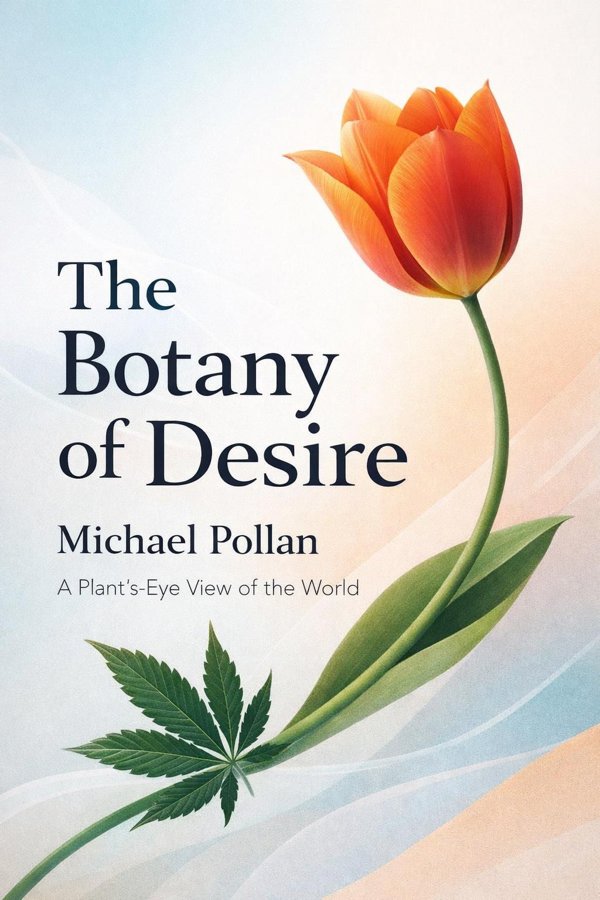
You Might Also Like

On Immunity
Eula Biss
10 min
The Three-Body Problem
Liu Cixin
10 min
Community Health Volunteer Toolkit: Training and Practical Activities
World Health Organization
10 min
Healing Back Pain: The Mind-Body Connection
John E. Sarno
10 min
Health Literacy for All: Practical Guides to Communicate Health Information (Compilations)
World Health Organization
10 min
The Complete Guide to Sports Supplements: An Evidence-Based Review
Anita Bean
10 minBrowse by Category
Ready to read In Defense of Food: An Eater's Manifesto?
Get the full summary and 100K+ more books with Fizz Moment.