
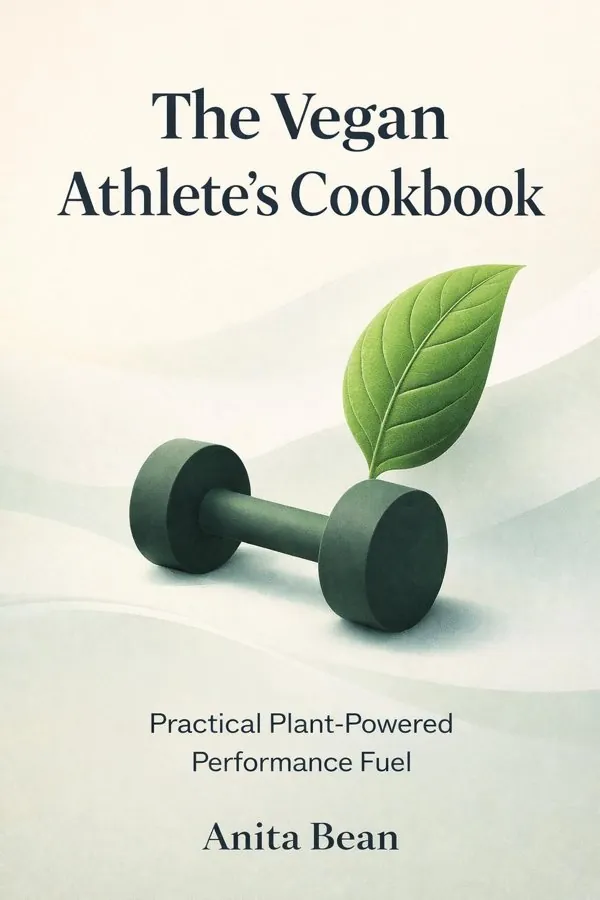
The Vegan Athlete’s Cookbook: Practical Plant-Powered Performance Fuel: Summary & Key Insights
by Anita Bean
 10 min8 chaptersAudio available
Key Takeaways from The Vegan Athlete’s Cookbook: Practical Plant-Powered Performance Fuel
One of the biggest mistakes athletes make on a vegan diet has nothing to do with protein—it is simply not eating enough.
Protein is the topic that dominates almost every conversation about vegan sports nutrition, yet most of the fear around it comes from misunderstanding rather than evidence.
Athletes often worry about protein first, but carbohydrates are usually the nutrient that determines whether training feels powerful or painfully flat.
A plant-based diet can be abundant in health-promoting nutrients, but abundance does not guarantee balance.
Training breaks the body down; recovery is what makes it stronger.
What Is The Vegan Athlete’s Cookbook: Practical Plant-Powered Performance Fuel About?
The Vegan Athlete’s Cookbook: Practical Plant-Powered Performance Fuel by Anita Bean is a nutrition book spanning 5 pages. The Vegan Athlete’s Cookbook by Anita Bean is more than a recipe collection—it is a practical guide to fueling performance, recovery, and long-term health with plant-based food. Written for athletes, fitness enthusiasts, and active people at every level, the book tackles one of the biggest questions in sports nutrition: can a vegan diet truly support strength, endurance, and muscle repair? Bean’s answer is a confident yes, backed by evidence-based advice and over 100 recipes designed for real training demands. What makes this book especially valuable is its balance of science and usability. Bean explains how to meet energy needs, optimize protein intake, support recovery, and avoid common nutrient gaps without turning eating into a complicated math problem. Instead of vague encouragement, she offers meal ideas, planning strategies, and nutrient guidance that can be applied immediately. Anita Bean brings unusual credibility to the subject. As a registered nutritionist, sports nutrition expert, author, and former champion bodybuilder, she understands both the science of performance and the practical realities athletes face. This book matters because it replaces myths about plant-based weakness with a clear, tested blueprint for plant-powered strength.
This FizzRead summary covers all 8 key chapters of The Vegan Athlete’s Cookbook: Practical Plant-Powered Performance Fuel in approximately 10 minutes, distilling the most important ideas, arguments, and takeaways from Anita Bean's work. Also available as an audio summary and Key Quotes Podcast.
The Vegan Athlete’s Cookbook: Practical Plant-Powered Performance Fuel
The Vegan Athlete’s Cookbook by Anita Bean is more than a recipe collection—it is a practical guide to fueling performance, recovery, and long-term health with plant-based food. Written for athletes, fitness enthusiasts, and active people at every level, the book tackles one of the biggest questions in sports nutrition: can a vegan diet truly support strength, endurance, and muscle repair? Bean’s answer is a confident yes, backed by evidence-based advice and over 100 recipes designed for real training demands.
What makes this book especially valuable is its balance of science and usability. Bean explains how to meet energy needs, optimize protein intake, support recovery, and avoid common nutrient gaps without turning eating into a complicated math problem. Instead of vague encouragement, she offers meal ideas, planning strategies, and nutrient guidance that can be applied immediately.
Anita Bean brings unusual credibility to the subject. As a registered nutritionist, sports nutrition expert, author, and former champion bodybuilder, she understands both the science of performance and the practical realities athletes face. This book matters because it replaces myths about plant-based weakness with a clear, tested blueprint for plant-powered strength.
Who Should Read The Vegan Athlete’s Cookbook: Practical Plant-Powered Performance Fuel?
This book is perfect for anyone interested in nutrition and looking to gain actionable insights in a short read. Whether you're a student, professional, or lifelong learner, the key ideas from The Vegan Athlete’s Cookbook: Practical Plant-Powered Performance Fuel by Anita Bean will help you think differently.
- ✓Readers who enjoy nutrition and want practical takeaways
- ✓Professionals looking to apply new ideas to their work and life
- ✓Anyone who wants the core insights of The Vegan Athlete’s Cookbook: Practical Plant-Powered Performance Fuel in just 10 minutes
Want the full summary?
Get instant access to this book summary and 100K+ more with Fizz Moment.
Get Free SummaryAvailable on App Store • Free to download
Key Chapters
One of the biggest mistakes athletes make on a vegan diet has nothing to do with protein—it is simply not eating enough. Plant-based foods are often rich in fiber and water, which makes them filling but sometimes less calorie-dense than animal-based options. That can be a strength for general health, but for an athlete training hard, it can quietly create an energy deficit. When energy intake falls short, the body struggles to maintain training intensity, recover properly, build muscle, and support immune function.
Bean emphasizes that vegan athletes can absolutely meet their energy needs, but they must do so intentionally. Instead of assuming that “healthy” eating automatically supports performance, athletes need to match food intake to workload. A long-distance runner, for example, may need large portions of oats, smoothies, rice bowls, nut butters, dried fruit, and snacks between meals. A strength athlete trying to gain muscle may benefit from frequent meals that combine carbohydrates and protein, such as tofu wraps, bean chili with rice, or overnight oats with seeds and soy yogurt.
She also highlights the importance of meal timing. If large high-fiber meals feel too heavy before training, athletes can use easier-to-digest foods such as bananas, toast, energy balls, or sports drinks. On hard training days, eating more often becomes a performance tool rather than a lack of discipline.
The core lesson is simple: plant-based athletes do not fail because plants are inadequate; they struggle when they underestimate their own energy demands. Count training load, notice hunger, track fatigue, and build meals that are substantial enough to support the work being done.
Actionable takeaway: Assess whether your current meals truly match your training volume, and add one calorie-dense plant-based snack or recovery meal each day if energy, performance, or recovery feels inconsistent.
Protein is the topic that dominates almost every conversation about vegan sports nutrition, yet most of the fear around it comes from misunderstanding rather than evidence. Bean challenges the common belief that plant proteins are automatically inferior or inadequate for muscle growth. Muscles do not care whether amino acids come from lentils, tofu, soy milk, tempeh, beans, grains, nuts, or seeds—they care whether the body receives enough total protein, enough essential amino acids, and regular intake across the day.
The book explains that while some plant foods are lower in one or more essential amino acids, variety solves most of the problem. You do not need to obsess over combining proteins perfectly at every meal. Over the course of a day, eating different sources such as beans, grains, soy foods, nuts, and seeds can provide what the body needs. Soy foods, in particular, are highlighted as high-quality protein options, but Bean also shows how combinations like hummus and wholegrain bread, peanut butter oats, lentil pasta, and chickpea curries contribute meaningfully.
For athletes focused on muscle maintenance or hypertrophy, distribution matters too. Rather than relying on one protein-heavy dinner, Bean encourages regular protein feedings throughout the day—breakfast, lunch, dinner, and recovery snacks. A practical pattern might include tofu scramble at breakfast, a quinoa and bean bowl at lunch, a soy smoothie after training, and a tempeh stir-fry at dinner.
The message is liberating: vegan athletes do not need to chase perfection, only consistency and adequacy. When protein intake is planned with common sense, plant-based eating can support strength, repair, and adaptation just as effectively as other diets.
Actionable takeaway: Aim to include a meaningful protein source in every meal and snack, using staples like tofu, soy yogurt, beans, lentils, tempeh, edamame, nuts, and seeds.
Athletes often worry about protein first, but carbohydrates are usually the nutrient that determines whether training feels powerful or painfully flat. Bean makes it clear that carbs are not the enemy of athletic performance—they are the primary fuel for moderate- to high-intensity exercise. When glycogen stores are low, pace drops, perceived effort rises, and recovery slows. For vegan athletes, this is actually an advantage, because a well-planned plant-based diet naturally includes many excellent carbohydrate sources.
Whole grains, potatoes, sweet potatoes, fruit, oats, rice, pasta, beans, and bread all help replenish muscle glycogen. Bean distinguishes between everyday nutrition and performance nutrition: in daily life, fiber-rich whole foods offer sustained energy and micronutrients, but around training, athletes may need lower-fiber, faster-digesting carbohydrate options. A cyclist preparing for a long ride may do well with porridge and banana before training, dates or sports drink during the session, and rice with beans afterward. A football player might rely on toast, smoothies, pasta, and fruit to support repeated bursts of effort.
She also warns against under-fueling in the name of “clean eating.” Athletes sometimes eat salads and smoothie bowls that look nutritious but do not provide enough carbohydrates to support heavy training loads. Strategic carb intake before, during, and after exercise can improve performance far more than restrictive habits ever will.
The broader insight is that endurance, stamina, and training quality are often built not just in the gym or on the track, but in the kitchen. Carbohydrates allow the body to work hard enough to adapt. Without them, even disciplined athletes can plateau.
Actionable takeaway: Center your training meals around quality carbohydrate sources, and increase carb intake before and after demanding sessions rather than treating carbs as optional.
A plant-based diet can be abundant in health-promoting nutrients, but abundance does not guarantee balance. Bean stresses that athletes need more than calories and protein—they also need essential fats, vitamins, and minerals that support hormone production, oxygen transport, bone health, nerve function, immunity, and recovery. Performance can decline not because the diet is vegan, but because key nutrients are left to chance.
Healthy fats are one major part of the picture. Nuts, seeds, avocados, olives, and their oils provide concentrated energy and support absorption of fat-soluble vitamins. Omega-3 fats deserve special attention because they may support heart health and help manage inflammation. Bean points athletes toward flaxseeds, chia seeds, hemp seeds, walnuts, and algae-based supplements as practical options.
Micronutrients matter just as much. Iron supports oxygen delivery, calcium contributes to bone strength and muscle contraction, iodine supports thyroid function, zinc aids immunity and repair, and vitamin B12 is essential on a vegan diet. Vitamin D can also be important depending on sunlight exposure. Bean’s approach is practical rather than alarmist: many of these needs can be met through fortified foods, diverse whole foods, and sensible supplementation where appropriate.
For example, an athlete might build iron intake with lentils, tofu, pumpkin seeds, and leafy greens, then pair them with vitamin C-rich foods like peppers, berries, or citrus to improve absorption. Calcium can come from fortified plant milks, calcium-set tofu, sesame products, and greens. The lesson is not to fear deficiency, but to respect planning.
Actionable takeaway: Review your diet for key nutrients—especially B12, iron, calcium, iodine, vitamin D, zinc, and omega-3s—and make sure each one has a deliberate place in your weekly routine.
Training breaks the body down; recovery is what makes it stronger. Bean reminds readers that food is only part of the athletic equation if hydration and recovery are neglected. Many athletes focus intensely on pre-workout meals yet ignore the basics that determine whether they can perform again the next day. Dehydration, poor refueling, and inconsistent recovery habits can undermine even the best training plan.
Hydration affects endurance, concentration, power output, and temperature regulation. Even mild dehydration can increase perceived effort and reduce performance. Bean recommends treating hydration as an all-day practice rather than a last-minute reaction. Water is essential, but during long or intense sessions, athletes may also need electrolytes to replace sodium losses, especially in hot conditions or for heavy sweaters.
Recovery nutrition matters just as much. After exercise, the body is primed to replenish glycogen and repair muscle tissue. A well-composed recovery meal or snack should include carbohydrates, protein, and fluids. Practical vegan examples include a banana and soy protein smoothie, peanut butter toast with fruit, lentil pasta, or a rice bowl with tofu and vegetables. The exact meal matters less than consistency and timing.
Bean also places recovery in a broader lifestyle context. Sleep, rest days, and stress management are not optional extras. A perfect smoothie cannot compensate for chronic exhaustion. Athletes progress when training and recovery work together.
The chapter’s central point is refreshing in its simplicity: elite results often come from disciplined basics. If you want to feel stronger, faster, and more resilient, you must recover like it matters.
Actionable takeaway: Create a standard post-workout routine that includes fluids, a carb-plus-protein snack within a reasonable window, and enough sleep to support adaptation.
What you eat matters, but when you eat can often determine how well that food actually supports performance. Bean shows that strategic meal timing helps athletes train harder, avoid gastrointestinal discomfort, and recover more effectively. This does not mean living by a rigid feeding schedule, but it does mean understanding how different meals fit different training demands.
Before exercise, the goal is usually to top up energy without causing stomach distress. That often means choosing familiar foods that are rich in carbohydrates and moderate or low in fat and fiber if the session is close. A bowl of oats two to three hours before training may work well, while a banana, toast, or smoothie might suit a shorter window. During long sessions, fast-acting carbs from drinks, gels, dried fruit, or bars can help maintain effort.
After exercise, the body benefits from replenishment. Bean encourages athletes not to delay refueling unnecessarily, especially after hard or repeated sessions. If dinner is far away, a quick snack can bridge the gap. Over the course of the day, spacing meals and snacks sensibly can also improve total intake, which is especially important for athletes who struggle to eat enough on high-volume plant-based diets.
This idea is highly practical for busy people. A runner training before work may need a small snack before the session and a larger breakfast afterward. A gym-goer lifting at lunch might prepare a portable wrap and smoothie in advance. Good timing reduces friction and supports consistency.
Actionable takeaway: Match your meals to your training schedule by planning one pre-workout option, one during-workout strategy for long sessions, and one easy recovery snack you can rely on every time.
Knowing what to eat is useful; knowing how to make it part of daily life is what changes behavior. One of the great strengths of Bean’s book is that it translates sports nutrition from abstract advice into practical meals. Many athletes understand the theory of carbs, protein, and recovery, but they still default to convenience foods, repetitive meals, or inadequate portions because they are short on time and ideas. Recipes solve that gap.
Bean’s approach is realistic. The recipes are designed to be approachable, nutritious, and aligned with the needs of active people rather than overly complicated “health food” projects. Smoothies, breakfasts, snacks, mains, and recovery-focused dishes show how to build a vegan athletic diet from ordinary ingredients. This is important because consistency depends on repeatable habits. A meal plan only works if you can cook it on a weeknight, pack it for work, or eat it after a hard session when motivation is low.
The recipes also demonstrate how performance nutrition can still be enjoyable. Instead of treating food purely as fuel, Bean keeps taste, texture, and satisfaction in the equation. That matters more than people admit. Athletes are far more likely to meet their energy and nutrient needs when meals are appealing.
Examples might include batch-cooked chili for multiple recovery meals, portable flapjacks or muffins for training days, and protein-rich breakfasts that prevent under-fueling early in the day. The result is a system, not just a set of ideas.
Actionable takeaway: Choose three recipes from the book or your own rotation—a breakfast, a portable snack, and a recovery meal—and make them weekly staples so your nutrition becomes automatic.
A successful vegan sports diet is not built on perfectionism; it is built on preparation. Bean repeatedly shows that the athletes who thrive on plant-based eating are usually the ones who plan ahead just enough to avoid nutritional gaps and last-minute poor choices. This is especially important for people with demanding schedules, multiple training sessions, frequent travel, or high calorie needs.
Planning starts with stocking useful staples. Beans, lentils, tofu, tempeh, whole grains, pasta, frozen fruit, nut butters, seeds, fortified plant milks, and quick snacks create a base that makes balanced meals easy. Batch cooking is another major advantage. A pot of curry, soup, chili, or grain salad can become several athlete-friendly meals with little extra effort. Portable foods matter too: homemade bars, trail mix, sandwiches, fruit, and shakes can prevent the all-too-common pattern of missing meals and under-recovering.
Bean’s broader point is that convenience should not be left to chance. If your environment is set up well, good nutrition becomes the default. If not, even the most motivated athlete can end up relying on whatever is available, which often means too little food, too little protein, or poor pre- and post-workout choices.
This chapter also supports sustainability. A diet that depends on constant willpower rarely lasts. A diet supported by systems—shopping lists, meal prep, go-to recipes, and backup snacks—is much easier to maintain through busy training blocks.
Actionable takeaway: Build a simple weekly system with staple shopping, one batch-cooked meal, and two portable snacks always ready so your plant-based diet supports training even on hectic days.
All Chapters in The Vegan Athlete’s Cookbook: Practical Plant-Powered Performance Fuel
About the Author
Anita Bean is a British registered nutritionist, sports nutrition expert, and bestselling author known for making evidence-based nutrition practical for everyday athletes. She has written widely on healthy eating, fitness, and performance, with a particular focus on how diet supports strength, endurance, recovery, and long-term wellbeing. Bean is also a former champion bodybuilder, giving her firsthand insight into the demands of training and physique-focused nutrition. Her work stands out for combining scientific credibility with realistic advice that readers can actually use in daily life. In The Vegan Athlete’s Cookbook, she brings together her expertise in sports nutrition and recipe development to show that plant-based eating can be both performance-driven and enjoyable.
Get This Summary in Your Preferred Format
Read or listen to the The Vegan Athlete’s Cookbook: Practical Plant-Powered Performance Fuel summary by Anita Bean anytime, anywhere. FizzRead offers multiple formats so you can learn on your terms — all free.
Available formats: App · Audio · PDF · EPUB — All included free with FizzRead
Download The Vegan Athlete’s Cookbook: Practical Plant-Powered Performance Fuel PDF and EPUB Summary
Key Quotes from The Vegan Athlete’s Cookbook: Practical Plant-Powered Performance Fuel
“One of the biggest mistakes athletes make on a vegan diet has nothing to do with protein—it is simply not eating enough.”
“Protein is the topic that dominates almost every conversation about vegan sports nutrition, yet most of the fear around it comes from misunderstanding rather than evidence.”
“Athletes often worry about protein first, but carbohydrates are usually the nutrient that determines whether training feels powerful or painfully flat.”
“A plant-based diet can be abundant in health-promoting nutrients, but abundance does not guarantee balance.”
“Training breaks the body down; recovery is what makes it stronger.”
Frequently Asked Questions about The Vegan Athlete’s Cookbook: Practical Plant-Powered Performance Fuel
The Vegan Athlete’s Cookbook: Practical Plant-Powered Performance Fuel by Anita Bean is a nutrition book that explores key ideas across 8 chapters. The Vegan Athlete’s Cookbook by Anita Bean is more than a recipe collection—it is a practical guide to fueling performance, recovery, and long-term health with plant-based food. Written for athletes, fitness enthusiasts, and active people at every level, the book tackles one of the biggest questions in sports nutrition: can a vegan diet truly support strength, endurance, and muscle repair? Bean’s answer is a confident yes, backed by evidence-based advice and over 100 recipes designed for real training demands. What makes this book especially valuable is its balance of science and usability. Bean explains how to meet energy needs, optimize protein intake, support recovery, and avoid common nutrient gaps without turning eating into a complicated math problem. Instead of vague encouragement, she offers meal ideas, planning strategies, and nutrient guidance that can be applied immediately. Anita Bean brings unusual credibility to the subject. As a registered nutritionist, sports nutrition expert, author, and former champion bodybuilder, she understands both the science of performance and the practical realities athletes face. This book matters because it replaces myths about plant-based weakness with a clear, tested blueprint for plant-powered strength.
More by Anita Bean
You Might Also Like
Eating by the Seasons Cookbook: Seasonal Produce-Focused Recipes
Clare Foster
10 min
From Crook to Cook: Platinum Recipes from Tha Boss Dogg's Kitchen
Snoop Dogg with Ryan Ford
10 min
Juicing for Beginners: The Essential Guide to Juicing Recipes and Juicing for Weight Loss
Rockridge Press
10 min
The Food Therapist: Break Bad Habits, Eat with Intention, and Indulge Without Worry
Shira Lenchewski
10 min
The Mediterranean Diet Meal Plan: A 4-Week Meal Plan for Optimal Health and Weight Loss
Various Contributors
10 min
The Well Plated Cookbook: Simple, Wholesome Recipes for Everyday Meals
Erin Clarke
10 minBrowse by Category
Ready to read The Vegan Athlete’s Cookbook: Practical Plant-Powered Performance Fuel?
Get the full summary and 100K+ more books with Fizz Moment.