
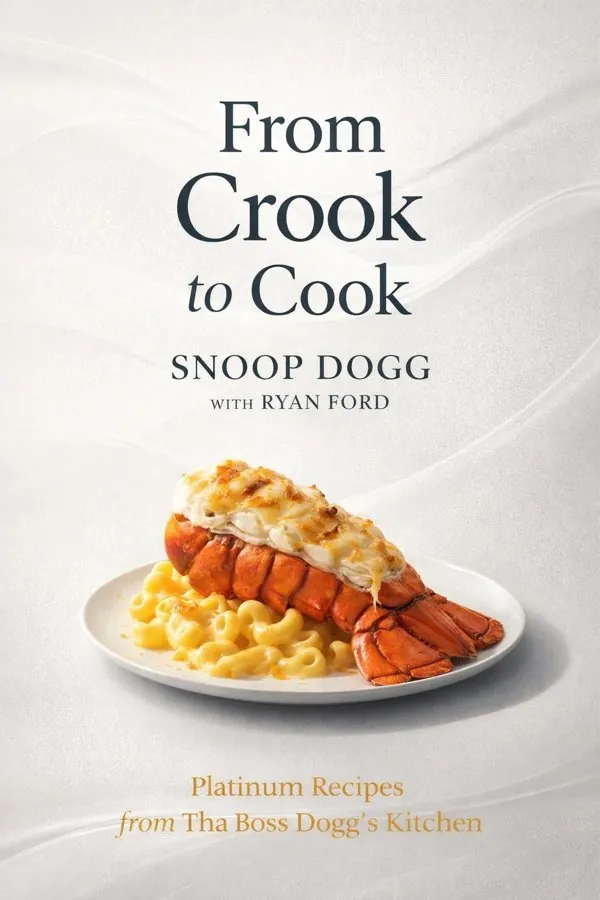
From Crook to Cook: Platinum Recipes from Tha Boss Dogg's Kitchen: Summary & Key Insights
 10 min9 chaptersAudio available
Key Takeaways from From Crook to Cook: Platinum Recipes from Tha Boss Dogg's Kitchen
The most powerful idea in this book is that great cooking does not begin with technical mastery—it begins with confidence.
A meal can express identity just as clearly as fashion, music, or language.
People rarely remember the most technically impressive meal as clearly as the one that made them feel at home.
A great host is not the person who creates the most elaborate menu; it is the person who makes everyone feel relaxed and welcome.
People do not fall in love with food because it follows rules; they fall in love with food because it tastes good.
What Is From Crook to Cook: Platinum Recipes from Tha Boss Dogg's Kitchen About?
From Crook to Cook: Platinum Recipes from Tha Boss Dogg's Kitchen by Snoop Dogg with Ryan Ford is a nutrition book. From Crook to Cook: Platinum Recipes from Tha Boss Dogg’s Kitchen is far more than a celebrity cookbook. It is a lively, personality-packed invitation into Snoop Dogg’s world of food, flavor, hospitality, and everyday pleasure. Blending comfort food, party staples, breakfast favorites, drinks, and easy entertaining ideas, the book shows how cooking can be stylish without becoming intimidating. Its appeal comes from the same quality that made Snoop a cultural icon: authenticity. The recipes reflect a real love of familiar food done with swagger, generosity, and a sense of fun. The book matters because it makes home cooking feel accessible to people who may be turned off by fussy culinary rules. Instead of presenting food as a perfectionist project, it treats cooking as a social act—something connected to family, celebration, memory, and confidence in the kitchen. Snoop Dogg brings the voice, attitude, and cultural presence, while co-author Ryan Ford helps translate that energy into practical, usable recipes. Together, they create a cookbook that is entertaining to read and genuinely useful to cook from, especially for readers who want bold flavors, relaxed technique, and a reminder that food should bring people together.
This FizzRead summary covers all 9 key chapters of From Crook to Cook: Platinum Recipes from Tha Boss Dogg's Kitchen in approximately 10 minutes, distilling the most important ideas, arguments, and takeaways from Snoop Dogg with Ryan Ford's work. Also available as an audio summary and Key Quotes Podcast.
From Crook to Cook: Platinum Recipes from Tha Boss Dogg's Kitchen
From Crook to Cook: Platinum Recipes from Tha Boss Dogg’s Kitchen is far more than a celebrity cookbook. It is a lively, personality-packed invitation into Snoop Dogg’s world of food, flavor, hospitality, and everyday pleasure. Blending comfort food, party staples, breakfast favorites, drinks, and easy entertaining ideas, the book shows how cooking can be stylish without becoming intimidating. Its appeal comes from the same quality that made Snoop a cultural icon: authenticity. The recipes reflect a real love of familiar food done with swagger, generosity, and a sense of fun.
The book matters because it makes home cooking feel accessible to people who may be turned off by fussy culinary rules. Instead of presenting food as a perfectionist project, it treats cooking as a social act—something connected to family, celebration, memory, and confidence in the kitchen. Snoop Dogg brings the voice, attitude, and cultural presence, while co-author Ryan Ford helps translate that energy into practical, usable recipes. Together, they create a cookbook that is entertaining to read and genuinely useful to cook from, especially for readers who want bold flavors, relaxed technique, and a reminder that food should bring people together.
Who Should Read From Crook to Cook: Platinum Recipes from Tha Boss Dogg's Kitchen?
This book is perfect for anyone interested in nutrition and looking to gain actionable insights in a short read. Whether you're a student, professional, or lifelong learner, the key ideas from From Crook to Cook: Platinum Recipes from Tha Boss Dogg's Kitchen by Snoop Dogg with Ryan Ford will help you think differently.
- ✓Readers who enjoy nutrition and want practical takeaways
- ✓Professionals looking to apply new ideas to their work and life
- ✓Anyone who wants the core insights of From Crook to Cook: Platinum Recipes from Tha Boss Dogg's Kitchen in just 10 minutes
Want the full summary?
Get instant access to this book summary and 100K+ more with Fizz Moment.
Get Free SummaryAvailable on App Store • Free to download
Key Chapters
The most powerful idea in this book is that great cooking does not begin with technical mastery—it begins with confidence. From Crook to Cook never asks readers to become restaurant chefs or memorize rigid culinary rules. Instead, it encourages them to get comfortable in their own kitchen, trust familiar flavors, and cook with personality. That shift matters because many people avoid cooking not because they dislike food, but because they fear doing it wrong. Snoop Dogg’s culinary style pushes back against that fear by making the process feel loose, enjoyable, and deeply human.
Throughout the book, the recipes favor recognizable ingredients, straightforward instructions, and foods people actually crave. The tone tells readers that there is room for adaptation, experimentation, and imperfection. If your eggs are a little softer than planned or your sandwich gets overstuffed, that does not mean you failed. It means you cooked. This attitude can be especially liberating for beginners, who often think real cooking belongs only to experts.
In practice, this mindset helps home cooks start small. A reader might begin with breakfast potatoes, a simple sandwich, or a crowd-pleasing dip. Success with those recipes builds momentum. Over time, confidence grows, and the kitchen becomes less of a testing ground and more of a personal space for creativity and comfort.
The broader lesson extends beyond food. Confidence often grows through action, not before it. You do not need to feel fully prepared to begin—you need to begin in order to feel more prepared.
Actionable takeaway: Choose one simple recipe from the book, make it without overthinking every step, and treat completion—not perfection—as your first culinary win.
A meal can express identity just as clearly as fashion, music, or language. One of the most distinctive qualities of From Crook to Cook is that it treats food as part of a larger lifestyle. The recipes are not anonymous instructions detached from personality; they carry attitude, humor, and flair. Snoop Dogg’s voice turns the cookbook into a statement about how food can reflect who you are and how you want people to feel in your presence.
This idea is important because many cookbooks focus almost entirely on technique, while this one also emphasizes vibe. What you serve, how you season it, how you present it, and how you host others all become extensions of your character. Rich comfort foods, indulgent snacks, brunch dishes, and party-ready drinks communicate abundance and ease. They say that cooking is not just about feeding people—it is about setting a tone.
Readers can apply this by thinking intentionally about the role food plays in their daily lives. For a laid-back weekend gathering, you might prepare wings, sliders, or a punch bowl that invites sharing and conversation. For a solo meal, you might choose a favorite breakfast or grilled dish that feels satisfying rather than merely efficient. Even a simple plate can become more expressive with a garnish, a bold sauce, or music playing in the background while you cook.
The book reminds us that home cooking does not have to imitate fine dining to feel special. Style can come from confidence, playfulness, and a clear sense of taste—both literal and personal.
Actionable takeaway: The next time you cook, ask not only “What do I want to eat?” but also “What mood or identity do I want this meal to express?”
People rarely remember the most technically impressive meal as clearly as the one that made them feel at home. From Crook to Cook leans heavily into comfort food, and that choice reveals a deeper truth: food is powerful when it creates emotional connection. Familiar dishes—fried chicken, baked favorites, hearty breakfasts, sandwiches, and sweet treats—carry more than flavor. They hold memory, nostalgia, family rituals, and a sense of belonging.
The cookbook’s approach suggests that comfort food is not lazy cooking; it is meaningful cooking. These dishes endure because they satisfy on multiple levels. They are filling, recognizable, and generous. They also invite participation. A tray of potatoes, a platter of wings, or a stack of waffles naturally encourages sharing, conversation, and second helpings. In that sense, comfort food becomes social architecture. It structures the experience of being together.
For home cooks, this means meals do not need to be elaborate to be memorable. A weekend breakfast for family, a game-night snack spread, or a holiday side dish can have more emotional impact than a complicated gourmet recipe. The real value comes from consistency, warmth, and knowing what people love. Even repeating the same favorite dish can build tradition over time.
There is also a practical side to comfort cooking. Familiar recipes are easier to master, easier to scale for groups, and often built from accessible ingredients. That makes them ideal for busy households or new cooks who want dependable success.
Actionable takeaway: Pick one comfort dish that people around you genuinely love, learn to make it well, and turn it into a signature recipe that becomes part of your shared memories.
A great host is not the person who creates the most elaborate menu; it is the person who makes everyone feel relaxed and welcome. That spirit runs throughout From Crook to Cook. The book treats food as central to gathering, but not in a formal or anxious way. Its recipes often suit parties, casual dinners, brunches, and celebrations where the point is enjoyment, not performance. The result is a model of entertaining built on generosity, abundance, and ease.
This matters because many people stop hosting once they imagine the burden involved: a spotless home, perfectly timed courses, and dishes that impress everyone. The book offers a different vision. It favors foods that can be shared, passed around, prepared in batches, or enjoyed informally. Dips, platters, sandwiches, cocktails, and hearty mains support conversation rather than distract from it. They allow the cook to be present with guests instead of trapped in the kitchen all night.
In practical terms, this means choosing menus strategically. If you are hosting friends, select recipes that hold well, can be prepped ahead, or invite self-service. Pair one standout main dish with simple sides. Use drinks and snacks to set the mood early so guests feel taken care of before the full meal even begins. The atmosphere matters as much as the food: music, pacing, and hospitality shape the experience.
The underlying message is liberating. Entertaining is not a test of your worth. It is an act of generosity that becomes better when it is sustainable and enjoyable for the host too.
Actionable takeaway: For your next gathering, build a menu around two make-ahead items and one fresh centerpiece so you can spend more time with people and less time managing stress.
People do not fall in love with food because it follows rules; they fall in love with food because it tastes good. One of the clearest lessons in From Crook to Cook is that strong flavor can carry a dish further than technical complexity. The book celebrates seasoning, richness, texture, and familiar ingredients combined in satisfying ways. Instead of glorifying culinary difficulty, it favors recipes that deliver impact through taste.
This is an important principle for modern home cooks. Many are short on time and energy, but still want meals that feel rewarding. If flavor is the priority, you can create excellent food without advanced training. Good seasoning, the right balance of salty, sweet, smoky, spicy, or creamy elements, and attention to texture often matter more than intricate plating or multi-step preparation.
For example, a simple sandwich becomes memorable with a punchy sauce, crisp bacon, and a well-chosen cheese. Potatoes become craveable when seasoned properly and cooked for contrast between crispy edges and soft centers. Drinks become party-worthy through smart combinations and visual appeal. These are not secrets reserved for professionals; they are practical tools anyone can use.
The broader insight is that complexity is not the same as quality. A well-executed simple dish can outperform a complicated one every time. This perspective encourages readers to focus on the fundamentals of pleasure: taste, aroma, and satisfaction.
Actionable takeaway: Improve your next meal by focusing on one flavor upgrade—better seasoning, a finishing sauce, fresh herbs, or a crunchy topping—rather than adding more steps.
Not every useful nutrition-related book needs to preach restraint; sometimes it teaches awareness by showing how pleasure fits into a fuller life. Although From Crook to Cook is not a health cookbook in the conventional sense, it offers an important perspective on indulgence. The recipes embrace richness, sweetness, comfort, and celebration without apology. Rather than denying appetite, the book acknowledges that food is often tied to joy, reward, and cultural identity.
This matters in nutrition conversations because extreme thinking often makes eating more stressful. When food is divided into rigid categories of virtue and failure, people lose touch with satisfaction, moderation, and context. This cookbook represents the opposite mindset. It reminds readers that indulgent food has social and emotional value, especially when shared. A plate of waffles, a cheesy side dish, or a festive drink can be part of a meaningful experience rather than a dietary mistake.
The practical lesson is not to eat every rich dish all the time. It is to become intentional. Save indulgent recipes for moments when they can be appreciated, shared, and enjoyed fully. Balance them with simpler meals during the week, reasonable portions, and mindful choices elsewhere. This approach is often more sustainable than constant restriction followed by rebound overeating.
The book’s real contribution here is permission: permission to enjoy food while still being thoughtful. Nutrition is not only about nutrients; it is also about patterns, relationships, and long-term habits.
Actionable takeaway: Build a balanced routine by choosing one or two meals each week for full enjoyment and celebration, while keeping the rest of your meals simpler and more routine.
A cookbook becomes truly influential when it lowers the barrier to entry. One reason From Crook to Cook resonates with such a wide audience is that it welcomes people who might never buy a traditional cookbook. Fans may come for Snoop Dogg’s personality, but they stay because the recipes feel approachable. The language, ingredient choices, and overall structure communicate that cooking can belong to anyone, not just enthusiasts with advanced skills or specialized equipment.
That accessibility has cultural significance. Many people want to cook more but feel excluded by culinary jargon, expensive ingredients, or highly technical methods. A book that centers familiar foods and direct instructions makes kitchen confidence possible for a broader public. It democratizes the idea of home cooking by saying that pleasure, flavor, and style do not require elite training.
In everyday life, accessible cooking saves time and money while building self-reliance. A new cook can start making breakfast at home instead of ordering out. A host can prepare party food without resorting entirely to packaged snacks. A family can develop favorite meals using ingredients from ordinary grocery stores. Accessibility does not mean low quality; it means realistic use.
This principle also encourages customization. Once a recipe feels manageable, readers are more likely to adapt it for dietary needs, budget limits, or personal preferences. That flexibility increases long-term usefulness.
Actionable takeaway: Identify three approachable recipes you can realistically make with your current tools and schedule, then rotate them until they become part of your standard home-cooking repertoire.
The book’s greatest hidden lesson may be that joy is not extra—it is essential. From Crook to Cook is funny, confident, playful, and unpretentious, and that emotional tone is part of its culinary philosophy. Food is not framed as a duty alone. It is entertainment, self-expression, hospitality, and pleasure. In a world where cooking advice can become overly optimized, moralized, or stressful, the insistence on joy is surprisingly important.
Why does this matter? Because people sustain habits they enjoy. If cooking feels punishing, many will abandon it in favor of convenience food or repetitive routines. But when meals are associated with celebration, creativity, and reward, cooking becomes more durable as a practice. Joy also improves generosity. People who enjoy making food are more likely to share it, host others, and create rituals around it.
This does not mean every meal must be extravagant. Joy can show up in small forms: a favorite breakfast on a slow morning, a drink mixed with intention, a nostalgic side dish, or the confidence of serving friends something delicious. The book teaches that food can be fun without becoming frivolous. Fun itself is part of what makes meals memorable and repeatable.
There is a deeper life lesson here too. Seriousness and quality are not the same thing. Sometimes what makes a recipe succeed is not technical ambition, but the energy behind it.
Actionable takeaway: Choose one meal this week to make purely for enjoyment—pick something you genuinely crave, cook it with intention, and let pleasure be part of the point.
All Chapters in From Crook to Cook: Platinum Recipes from Tha Boss Dogg's Kitchen
About the Author
Snoop Dogg is an American rapper, songwriter, media personality, entrepreneur, and pop-culture icon whose influence extends far beyond music. Rising to fame in the 1990s, he became one of hip-hop’s most recognizable voices and later built a diverse career spanning television, branding, sports commentary, and lifestyle ventures. His public image blends humor, confidence, and unmistakable style, qualities that shape his approach to food as well. Ryan Ford is a food writer and editor known for translating culinary ideas into approachable recipes and engaging food content. In From Crook to Cook, Ford helps turn Snoop Dogg’s tastes, memories, and entertaining sensibility into a practical cookbook. Together, they create a work that is flavorful, accessible, and full of personality.
Get This Summary in Your Preferred Format
Read or listen to the From Crook to Cook: Platinum Recipes from Tha Boss Dogg's Kitchen summary by Snoop Dogg with Ryan Ford anytime, anywhere. FizzRead offers multiple formats so you can learn on your terms — all free.
Available formats: App · Audio · PDF · EPUB — All included free with FizzRead
Download From Crook to Cook: Platinum Recipes from Tha Boss Dogg's Kitchen PDF and EPUB Summary
Key Quotes from From Crook to Cook: Platinum Recipes from Tha Boss Dogg's Kitchen
“The most powerful idea in this book is that great cooking does not begin with technical mastery—it begins with confidence.”
“A meal can express identity just as clearly as fashion, music, or language.”
“People rarely remember the most technically impressive meal as clearly as the one that made them feel at home.”
“A great host is not the person who creates the most elaborate menu; it is the person who makes everyone feel relaxed and welcome.”
“People do not fall in love with food because it follows rules; they fall in love with food because it tastes good.”
Frequently Asked Questions about From Crook to Cook: Platinum Recipes from Tha Boss Dogg's Kitchen
From Crook to Cook: Platinum Recipes from Tha Boss Dogg's Kitchen by Snoop Dogg with Ryan Ford is a nutrition book that explores key ideas across 9 chapters. From Crook to Cook: Platinum Recipes from Tha Boss Dogg’s Kitchen is far more than a celebrity cookbook. It is a lively, personality-packed invitation into Snoop Dogg’s world of food, flavor, hospitality, and everyday pleasure. Blending comfort food, party staples, breakfast favorites, drinks, and easy entertaining ideas, the book shows how cooking can be stylish without becoming intimidating. Its appeal comes from the same quality that made Snoop a cultural icon: authenticity. The recipes reflect a real love of familiar food done with swagger, generosity, and a sense of fun. The book matters because it makes home cooking feel accessible to people who may be turned off by fussy culinary rules. Instead of presenting food as a perfectionist project, it treats cooking as a social act—something connected to family, celebration, memory, and confidence in the kitchen. Snoop Dogg brings the voice, attitude, and cultural presence, while co-author Ryan Ford helps translate that energy into practical, usable recipes. Together, they create a cookbook that is entertaining to read and genuinely useful to cook from, especially for readers who want bold flavors, relaxed technique, and a reminder that food should bring people together.
You Might Also Like
Eating by the Seasons Cookbook: Seasonal Produce-Focused Recipes
Clare Foster
10 min
Juicing for Beginners: The Essential Guide to Juicing Recipes and Juicing for Weight Loss
Rockridge Press
10 min
The Food Therapist: Break Bad Habits, Eat with Intention, and Indulge Without Worry
Shira Lenchewski
10 min
The Mediterranean Diet Meal Plan: A 4-Week Meal Plan for Optimal Health and Weight Loss
Various Contributors
10 min
The Well Plated Cookbook: Simple, Wholesome Recipes for Everyday Meals
Erin Clarke
10 min
Why We Get Fat: And What to Do About It
Gary Taubes
10 minBrowse by Category
Ready to read From Crook to Cook: Platinum Recipes from Tha Boss Dogg's Kitchen?
Get the full summary and 100K+ more books with Fizz Moment.