
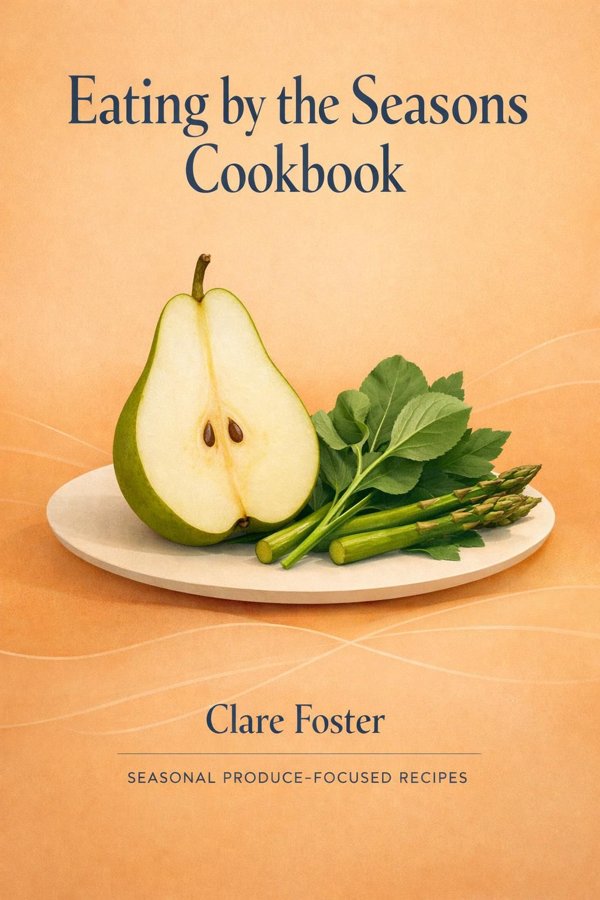
Eating by the Seasons Cookbook: Seasonal Produce-Focused Recipes: Summary & Key Insights
by Clare Foster
 10 min8 chaptersAudio available
Key Takeaways from Eating by the Seasons Cookbook: Seasonal Produce-Focused Recipes
One of the book’s most powerful ideas is that timing is an ingredient.
A common fear about seasonal eating is that it will feel restrictive, but the book argues the opposite: limits create diversity.
A recurring insight in the cookbook is that complexity is not always a sign of better cooking.
Nutrition in this book is not presented through rigid diets or abstract rules but through the quality and diversity of whole foods.
Another key idea is that good cooking begins before the stove is turned on.
What Is Eating by the Seasons Cookbook: Seasonal Produce-Focused Recipes About?
Eating by the Seasons Cookbook: Seasonal Produce-Focused Recipes by Clare Foster is a nutrition book. Eating by the Seasons Cookbook: Seasonal Produce-Focused Recipes is a celebration of cooking in rhythm with nature. Rather than treating fruits and vegetables as interchangeable ingredients available at any time, Clare Foster invites readers to notice how flavor, texture, and nutritional value shift throughout the year. The book shows that seasonal eating is not just a romantic ideal or a farmers’ market trend; it is a practical, delicious way to cook better food, reduce waste, and reconnect with the natural cycles that shape what ends up on our plates. Foster’s approach blends culinary inspiration with accessible guidance, helping home cooks make the most of produce at its peak without turning seasonal cooking into a rigid rulebook. Her authority comes from her experience writing about gardens, food, and the relationship between growing and eating, which gives the book both a grounded sensibility and a fresh, elegant perspective. For readers interested in nutrition, sustainability, or simply making everyday meals more satisfying, this cookbook offers more than recipes: it offers a way of thinking about food that is richer, smarter, and more deeply rooted in the seasons.
This FizzRead summary covers all 8 key chapters of Eating by the Seasons Cookbook: Seasonal Produce-Focused Recipes in approximately 10 minutes, distilling the most important ideas, arguments, and takeaways from Clare Foster's work. Also available as an audio summary and Key Quotes Podcast.
Eating by the Seasons Cookbook: Seasonal Produce-Focused Recipes
Eating by the Seasons Cookbook: Seasonal Produce-Focused Recipes is a celebration of cooking in rhythm with nature. Rather than treating fruits and vegetables as interchangeable ingredients available at any time, Clare Foster invites readers to notice how flavor, texture, and nutritional value shift throughout the year. The book shows that seasonal eating is not just a romantic ideal or a farmers’ market trend; it is a practical, delicious way to cook better food, reduce waste, and reconnect with the natural cycles that shape what ends up on our plates. Foster’s approach blends culinary inspiration with accessible guidance, helping home cooks make the most of produce at its peak without turning seasonal cooking into a rigid rulebook. Her authority comes from her experience writing about gardens, food, and the relationship between growing and eating, which gives the book both a grounded sensibility and a fresh, elegant perspective. For readers interested in nutrition, sustainability, or simply making everyday meals more satisfying, this cookbook offers more than recipes: it offers a way of thinking about food that is richer, smarter, and more deeply rooted in the seasons.
Who Should Read Eating by the Seasons Cookbook: Seasonal Produce-Focused Recipes?
This book is perfect for anyone interested in nutrition and looking to gain actionable insights in a short read. Whether you're a student, professional, or lifelong learner, the key ideas from Eating by the Seasons Cookbook: Seasonal Produce-Focused Recipes by Clare Foster will help you think differently.
- ✓Readers who enjoy nutrition and want practical takeaways
- ✓Professionals looking to apply new ideas to their work and life
- ✓Anyone who wants the core insights of Eating by the Seasons Cookbook: Seasonal Produce-Focused Recipes in just 10 minutes
Want the full summary?
Get instant access to this book summary and 100K+ more with Fizz Moment.
Get Free SummaryAvailable on App Store • Free to download
Key Chapters
One of the book’s most powerful ideas is that timing is an ingredient. A tomato in midsummer, a squash in late autumn, or asparagus in spring carries a depth of flavor that cannot be fully replicated by out-of-season produce shipped long distances or grown under artificial conditions. Clare Foster builds her cookbook around this truth: when ingredients are harvested in their natural window, the cook has to do less to make them shine. The food is already expressive.
This is more than a matter of gourmet preference. Seasonal produce often arrives fresher, travels less, and spends less time in storage, which means it can taste brighter, hold better texture, and retain more of the qualities that make meals satisfying. The book encourages readers to trust the ingredient itself. A perfectly ripe peach may need little more than a spoonful of yogurt. Tender spring greens might require only olive oil, lemon, and salt. In this way, seasonal cooking becomes a lesson in restraint as much as creativity.
Foster also helps readers rethink menu planning. Instead of deciding what to cook first and then buying whatever ingredients are needed, she suggests beginning with what the season offers most abundantly. If markets are overflowing with courgettes, berries, or leeks, that becomes the starting point. This method often leads to meals that feel more grounded, economical, and memorable.
A practical takeaway is to choose one seasonal ingredient each week and build two or three meals around it. Let peak produce lead your cooking decisions rather than treating it as an afterthought.
A common fear about seasonal eating is that it will feel restrictive, but the book argues the opposite: limits create diversity. When people buy the same familiar produce every week regardless of month, their meals often become more repetitive, not less. Clare Foster shows that the changing seasons naturally push cooks toward variety, introducing different vegetables, herbs, fruits, and cooking techniques as the year unfolds.
Spring invites tenderness and freshness: young peas, radishes, broad beans, herbs, and leafy greens. Summer offers abundance and immediacy: tomatoes, cucumbers, berries, beans, courgettes, stone fruit. Autumn turns toward sweetness and depth with apples, pears, pumpkins, mushrooms, and roots. Winter asks for comfort, preservation, and resilience: brassicas, leeks, onions, celeriac, citrus, and stored apples. By organizing cooking around these shifts, the book helps readers experience food as a living calendar rather than a static supermarket display.
This seasonal framework also expands culinary confidence. A home cook who normally relies on a narrow set of ingredients may discover new favorites simply because the season makes them hard to ignore. When asparagus appears briefly, it feels special. When blood oranges arrive in winter, they inspire dishes that would not make sense in July. These transitions keep meals interesting and help cooks develop a broader vocabulary of flavors.
The practical application is simple: create a seasonal rotation list. Write down five ingredients to focus on for each season, then look for recipes that feature them prominently. This turns the passage of time into a source of culinary inspiration.
A recurring insight in the cookbook is that complexity is not always a sign of better cooking. In fact, the finest seasonal produce often asks for the gentlest treatment. Clare Foster’s recipes demonstrate that when ingredients are fresh and at their peak, simple methods can produce the most rewarding results. Roasting, grilling, blanching, dressing, baking, and light sautéing become ways of revealing flavor rather than masking it.
This philosophy is particularly valuable for home cooks who feel intimidated by elaborate recipe writing. Seasonal cooking can actually reduce pressure. Instead of needing long ingredient lists, specialized equipment, or advanced techniques, readers are encouraged to focus on balance: acidity to brighten sweetness, herbs to add fragrance, dairy to soften bitterness, heat to concentrate flavor. A tray of roasted root vegetables with thyme and garlic can be deeply satisfying. So can grilled peaches with ricotta, or a soup built around leeks and potatoes.
The book also subtly teaches judgment. A watery winter tomato may need heavy seasoning or cooking to become useful, while a ripe August tomato is best sliced and barely touched. This teaches cooks to respond to the condition of the ingredient rather than follow recipes mechanically. Such responsiveness is one of the foundations of confident cooking.
An actionable takeaway is to adopt a “three-element rule” for peak produce: pair a seasonal fruit or vegetable with one texture and one contrasting flavor. For example, roast beetroot with goat cheese and walnuts, or serve strawberries with cream and mint. Keep it simple enough for the ingredient to remain the star.
Nutrition in this book is not presented through rigid diets or abstract rules but through the quality and diversity of whole foods. The underlying argument is that eating with the seasons naturally encourages a nutrient-rich way of eating because it centers meals on vegetables, fruits, herbs, legumes, and other minimally processed ingredients. Clare Foster does not turn the cookbook into a scientific manual, yet its message aligns with sound nutritional thinking: when produce is fresh, varied, and eaten regularly, meals become both healthier and more pleasurable.
Seasonal eating also promotes diversity across time. Different colors and types of produce contribute different vitamins, minerals, phytonutrients, and fibers. A spring diet rich in greens and herbs is not nutritionally identical to an autumn pattern featuring squash, roots, and apples. By moving through the seasons, people naturally broaden their intake. This contrasts with modern habits that keep the same salad leaves, berries, and imported vegetables in constant rotation year-round.
There is a behavioral benefit too. Produce that tastes better is easier to eat more often. If vegetables are prepared in ways that highlight their sweetness, texture, and freshness, they stop feeling like obligations and start becoming the center of the meal. That shift matters for long-term health because sustainable habits depend on enjoyment.
A practical example is to redesign one daily meal around produce first. Build lunch around roasted seasonal vegetables, soup, or a grain bowl topped with whatever is freshest. The actionable takeaway: use seasonal abundance to increase both the quantity and variety of plants in your weekly meals without framing healthy eating as deprivation.
Another key idea is that good cooking begins before the stove is turned on. Clare Foster emphasizes shopping as a creative and attentive act. When readers learn to buy according to season, they also become more observant, flexible, and intentional. Instead of moving through the store with a fixed list detached from what is actually available and fresh, they start noticing signs of quality: fragrance, firmness, color, abundance, and price.
Seasonal shopping often improves value as well. Produce that is in season tends to be more plentiful and therefore more affordable. This can make healthy eating feel less expensive and more realistic. Buying a glut of tomatoes, apples, or cabbage when they are at their peak allows for generous cooking, batch preparation, and preserving. In contrast, forcing out-of-season ingredients into everyday meals often costs more and delivers less flavor.
The book encourages a relationship with local markets, greengrocers, farm shops, and even garden harvests where possible. These sources can make seasonality more visible than a supermarket aisle designed to flatten the calendar. But the principle applies anywhere: buy what looks best now, not what marketing says should be available always.
To put this into practice, try entering the market with only a loose meal plan. Choose two vegetables and one fruit that clearly look in peak condition, then adapt your cooking accordingly. The actionable takeaway is to let freshness and season guide at least part of your weekly shopping, training your eye to recognize ingredients at their best.
Seasonal eating does not mean enjoying ingredients briefly and then forgetting them. A richer interpretation, which the book supports, is that each season can prepare you for the next. When produce is abundant, preserving becomes a practical bridge between immediacy and continuity. Clare Foster’s seasonal mindset encourages readers to freeze, pickle, jar, dry, roast, or otherwise transform ingredients so that their flavors can continue beyond the moment of harvest.
This is important nutritionally, economically, and emotionally. A surplus of summer berries can become compote or jam for colder months. Excess herbs can be turned into pesto or frozen in oil. Autumn apples can be cooked down into sauce. Tomatoes can be roasted and bottled, or made into soup for the freezer. Preservation reduces waste and helps households use abundance strategically instead of watching ingredients spoil on the counter.
Preserving also deepens seasonal awareness because it makes people notice periods of plenty. Rather than seeing abundance as inconvenient, the cook begins to treat it as an opportunity. There is satisfaction in opening something homemade in winter and tasting the memory of another season. That act connects cooking to planning, patience, and stewardship.
A practical starting point is modest: choose one preserving method per season. Freeze berries in summer, pickle onions in autumn, make citrus marmalade in winter, or store herb paste in spring. The actionable takeaway is to use seasonal gluts not just for immediate meals but for future nourishment, turning abundance into resilience.
At its deepest level, the cookbook is about more than recipes. It suggests that food can restore awareness of time, place, and change. In a culture that expects instant access to everything, year-round, seasonal cooking offers a gentler rhythm. Clare Foster presents this not as a strict philosophy but as a rewarding practice: noticing what is arriving, what is fading, and what belongs to the moment.
This way of eating can make daily life feel less mechanical. The first rhubarb of spring, the flood of berries in summer, the return of root vegetables in autumn, and the brightness of winter citrus all create small markers in the year. Meals become part of how we register the passage of time. That awareness can increase gratitude and attention. Rather than consuming food as a generic product, we begin to encounter it as something grown, gathered, stored, and shared.
There is also a psychological benefit. Seasonal habits create anticipation. If strawberries are not always available at their best, their arrival becomes meaningful. If pumpkin belongs to autumn rather than every month, it retains its charm. Scarcity in this sense does not diminish pleasure; it heightens it.
To apply this idea, start a simple seasonal food journal. Note the first ingredient each season that excites you, how you cooked it, and what it tasted like. The actionable takeaway is to use food as a way of reconnecting with the year’s natural rhythm, making meals more memorable and intentional.
A subtle but significant contribution of the book is its connection between personal cooking habits and environmental responsibility. Seasonal eating is not presented as moral perfection, but as a practical way to align everyday meals with more sustainable patterns. When produce is bought closer to its natural harvest time, it may require fewer artificial growing conditions, less cold storage, and less transport. While no single shopping choice solves the food system, Clare Foster shows that small repeated decisions can move eating in a more thoughtful direction.
Sustainability also appears in the book through waste reduction. Seasonal produce encourages whole-ingredient thinking: using beet greens as well as roots, turning vegetable scraps into stock, transforming leftovers into soups or tarts, and preserving excess before it spoils. These habits matter because nutrition and sustainability are deeply linked. A well-run kitchen values food enough to use it fully.
Importantly, the book avoids sounding punitive. Its tone suggests progress over purity. Readers are not expected to source every ingredient locally or reject all imported produce. Instead, they are invited to make seasonality a meaningful default where possible. That moderate stance makes the ideas easier to adopt in real life.
A practical takeaway is to choose one sustainable shift for the next month: buy seasonal produce first, plan meals around what you already have, or repurpose leftovers into one new dish each week. The action is simple but cumulative: let everyday cooking become a place where flavor, nutrition, and environmental awareness reinforce one another.
All Chapters in Eating by the Seasons Cookbook: Seasonal Produce-Focused Recipes
About the Author
Clare Foster is a writer and editor whose work focuses on gardens, plants, food, and the pleasures of seasonal living. She is known for bringing together practical knowledge and an elegant, accessible style, helping readers see the connection between what is grown and what is cooked. Her background in gardening and lifestyle writing gives her a distinctive perspective on food: she approaches ingredients not just as items in a recipe, but as products of place, climate, and timing. This makes her especially effective in writing about seasonal cooking, where awareness of freshness and natural cycles matters as much as technique. In Eating by the Seasons Cookbook, Foster draws on that expertise to encourage a more attentive, flavorful, and grounded way of eating throughout the year.
Get This Summary in Your Preferred Format
Read or listen to the Eating by the Seasons Cookbook: Seasonal Produce-Focused Recipes summary by Clare Foster anytime, anywhere. FizzRead offers multiple formats so you can learn on your terms — all free.
Available formats: App · Audio · PDF · EPUB — All included free with FizzRead
Download Eating by the Seasons Cookbook: Seasonal Produce-Focused Recipes PDF and EPUB Summary
Key Quotes from Eating by the Seasons Cookbook: Seasonal Produce-Focused Recipes
“One of the book’s most powerful ideas is that timing is an ingredient.”
“A common fear about seasonal eating is that it will feel restrictive, but the book argues the opposite: limits create diversity.”
“A recurring insight in the cookbook is that complexity is not always a sign of better cooking.”
“Nutrition in this book is not presented through rigid diets or abstract rules but through the quality and diversity of whole foods.”
“Another key idea is that good cooking begins before the stove is turned on.”
Frequently Asked Questions about Eating by the Seasons Cookbook: Seasonal Produce-Focused Recipes
Eating by the Seasons Cookbook: Seasonal Produce-Focused Recipes by Clare Foster is a nutrition book that explores key ideas across 8 chapters. Eating by the Seasons Cookbook: Seasonal Produce-Focused Recipes is a celebration of cooking in rhythm with nature. Rather than treating fruits and vegetables as interchangeable ingredients available at any time, Clare Foster invites readers to notice how flavor, texture, and nutritional value shift throughout the year. The book shows that seasonal eating is not just a romantic ideal or a farmers’ market trend; it is a practical, delicious way to cook better food, reduce waste, and reconnect with the natural cycles that shape what ends up on our plates. Foster’s approach blends culinary inspiration with accessible guidance, helping home cooks make the most of produce at its peak without turning seasonal cooking into a rigid rulebook. Her authority comes from her experience writing about gardens, food, and the relationship between growing and eating, which gives the book both a grounded sensibility and a fresh, elegant perspective. For readers interested in nutrition, sustainability, or simply making everyday meals more satisfying, this cookbook offers more than recipes: it offers a way of thinking about food that is richer, smarter, and more deeply rooted in the seasons.
You Might Also Like

From Crook to Cook: Platinum Recipes from Tha Boss Dogg's Kitchen
Snoop Dogg with Ryan Ford
10 min
Juicing for Beginners: The Essential Guide to Juicing Recipes and Juicing for Weight Loss
Rockridge Press
10 min
The Food Therapist: Break Bad Habits, Eat with Intention, and Indulge Without Worry
Shira Lenchewski
10 min
The Mediterranean Diet Meal Plan: A 4-Week Meal Plan for Optimal Health and Weight Loss
Various Contributors
10 min
The Well Plated Cookbook: Simple, Wholesome Recipes for Everyday Meals
Erin Clarke
10 min
Why We Get Fat: And What to Do About It
Gary Taubes
10 minBrowse by Category
Ready to read Eating by the Seasons Cookbook: Seasonal Produce-Focused Recipes?
Get the full summary and 100K+ more books with Fizz Moment.