
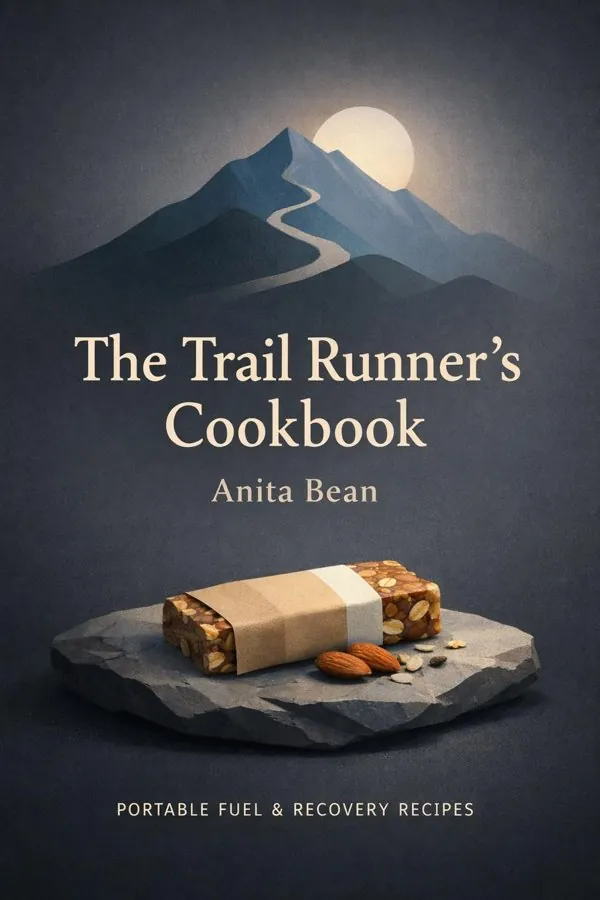
The Trail Runner's Cookbook: Portable Fuel & Recovery Recipes: Summary & Key Insights
by Anita Bean
 10 min8 chaptersAudio available
Key Takeaways from The Trail Runner's Cookbook: Portable Fuel & Recovery Recipes
The biggest mistake endurance athletes make is assuming that effort alone determines performance.
Many runners obsess over food and ignore the factor most likely to derail a long day: fluid balance.
A strong run often starts hours before the first step.
Most trail runners do not fail because they are unfit; they fail because they wait too long to eat.
The end of a run is not the end of the training session.
What Is The Trail Runner's Cookbook: Portable Fuel & Recovery Recipes About?
The Trail Runner's Cookbook: Portable Fuel & Recovery Recipes by Anita Bean is a nutrition book spanning 7 pages. Trail running asks more of the body than many athletes realize. Steep climbs, uneven ground, changing weather, long hours on your feet, and limited access to food all turn nutrition into a decisive part of performance. In The Trail Runner's Cookbook, Anita Bean brings together sports science and practical cooking to help runners fuel smarter before, during, and after every outing. This is not just a recipe collection. It is a field guide to endurance nutrition, showing how portable snacks, balanced meals, hydration strategies, and recovery foods can directly affect energy, stamina, and resilience on the trail. What makes the book especially valuable is Bean's authority. A respected British nutritionist and long-time writer on sports performance, she understands both the physiology of endurance exercise and the everyday realities of training. Her advice is grounded in evidence but delivered in a usable form: recipes you can prepare at home, pack easily, and rely on when conditions get hard. For trail runners, ultrarunners, hikers, and adventure athletes, this book matters because it turns nutrition from an afterthought into a practical advantage.
This FizzRead summary covers all 8 key chapters of The Trail Runner's Cookbook: Portable Fuel & Recovery Recipes in approximately 10 minutes, distilling the most important ideas, arguments, and takeaways from Anita Bean's work. Also available as an audio summary and Key Quotes Podcast.
The Trail Runner's Cookbook: Portable Fuel & Recovery Recipes
Trail running asks more of the body than many athletes realize. Steep climbs, uneven ground, changing weather, long hours on your feet, and limited access to food all turn nutrition into a decisive part of performance. In The Trail Runner's Cookbook, Anita Bean brings together sports science and practical cooking to help runners fuel smarter before, during, and after every outing. This is not just a recipe collection. It is a field guide to endurance nutrition, showing how portable snacks, balanced meals, hydration strategies, and recovery foods can directly affect energy, stamina, and resilience on the trail.
What makes the book especially valuable is Bean's authority. A respected British nutritionist and long-time writer on sports performance, she understands both the physiology of endurance exercise and the everyday realities of training. Her advice is grounded in evidence but delivered in a usable form: recipes you can prepare at home, pack easily, and rely on when conditions get hard. For trail runners, ultrarunners, hikers, and adventure athletes, this book matters because it turns nutrition from an afterthought into a practical advantage.
Who Should Read The Trail Runner's Cookbook: Portable Fuel & Recovery Recipes?
This book is perfect for anyone interested in nutrition and looking to gain actionable insights in a short read. Whether you're a student, professional, or lifelong learner, the key ideas from The Trail Runner's Cookbook: Portable Fuel & Recovery Recipes by Anita Bean will help you think differently.
- ✓Readers who enjoy nutrition and want practical takeaways
- ✓Professionals looking to apply new ideas to their work and life
- ✓Anyone who wants the core insights of The Trail Runner's Cookbook: Portable Fuel & Recovery Recipes in just 10 minutes
Want the full summary?
Get instant access to this book summary and 100K+ more with Fizz Moment.
Get Free SummaryAvailable on App Store • Free to download
Key Chapters
The biggest mistake endurance athletes make is assuming that effort alone determines performance. On the trail, energy management is often the true limiter. Unlike road running, trail running rarely offers a steady rhythm. Climbs demand powerful bursts, descents challenge muscles eccentrically, and technical ground increases concentration and fatigue. That means the body uses fuel unevenly, and poor nutrition planning can lead to sudden energy drops, poor decision-making, or a miserable final hour.
Anita Bean explains that trail runners need to think beyond calories in the abstract and focus on accessible energy. Carbohydrates are especially important because they are the body's fastest and most efficient fuel source during moderate to high-intensity effort. Glycogen stores, however, are limited. Once depleted, runners often experience the dreaded "bonk," where legs feel heavy, focus fades, and pace collapses. Protein and fats matter too, but they play different roles: protein supports repair and recovery, while fats contribute to longer-duration energy at lower intensities.
The practical lesson is to match fueling to the demands of the run. A short easy trail outing may only require a good pre-run meal, while a three-hour mountain run calls for regular carbohydrate intake before fatigue appears. Portable oat bars, homemade energy bites, banana bread slices, or rice-based snacks become tools for preserving performance rather than optional treats.
Bean's broader point is that good fueling is not just about avoiding collapse. It allows runners to sustain power, recover faster, and enjoy the experience more. Actionable takeaway: treat energy as something you manage proactively by planning your intake around terrain, duration, and intensity rather than waiting until you feel depleted.
Many runners obsess over food and ignore the factor most likely to derail a long day: fluid balance. Even mild dehydration can increase perceived effort, reduce concentration, impair pacing, and make technical terrain more dangerous. On trails, where weather, altitude, and climbing load can change quickly, hydration becomes even more important because sweat losses are harder to predict.
Bean emphasizes that hydration is not simply about drinking more water. Sweat carries sodium and other electrolytes, and replacing fluid without considering electrolytes can leave runners underperforming or, in extreme cases, cause an imbalance. The goal is to maintain effective hydration by matching intake to conditions and individual sweat rate. Hot weather, strong sun, heavy packs, and long ascents all increase fluid needs. Cold weather can be deceptive too, because runners often drink less despite continued losses through sweat and breathing.
Practical fueling means choosing drinks and foods that help maintain balance. Homemade sports drinks, diluted fruit juice with a pinch of salt, broth-based options, and salty snacks can all support electrolyte replacement. Some runners do best sipping frequently from a flask; others need scheduled drinking reminders because they tend to ignore thirst during effort.
Bean's advice is realistic: there is no universal hydration formula that works for everyone, but there is a process of observation and adjustment. If you finish runs with headaches, dizziness, unusual fatigue, or white salt marks on clothing, your strategy likely needs work.
Actionable takeaway: develop a personal hydration plan by testing fluid and electrolyte intake in training, paying attention to weather, sweat rate, and how your body actually responds.
A strong run often starts hours before the first step. Pre-run nutrition is not glamorous, but it quietly determines how stable your energy feels, how comfortable your stomach remains, and how long you can sustain effort before relying heavily on mid-run fuel. Bean shows that what you eat before a trail run should depend on timing, distance, and intensity.
The main purpose of pre-run food is to top up glycogen stores, stabilize blood sugar, and begin the session feeling satisfied but not heavy. For most runners, easily digested carbohydrates form the backbone of the pre-run meal, with moderate protein and relatively low fat and fiber if the run is intense or starts soon. If you are eating three to four hours before a long run, porridge with fruit, toast with nut butter, or rice with eggs may work well. If you only have 30 to 60 minutes, lighter options like a banana, smoothie, or energy bar are usually better tolerated.
Bean also highlights that timing matters as much as content. The same breakfast can feel perfect when eaten early and terrible when eaten too close to the start. This is why training nutrition matters: runners need to rehearse pre-run meals, not improvise on event day. A breakfast that works for a flat road run may not sit as well before a steep mountain effort.
The book's recipes make this easier by offering portable, digestible options you can prepare in advance. That turns breakfast from a rushed compromise into part of your performance plan.
Actionable takeaway: choose one or two pre-run meals that fit your schedule and stomach, then test them repeatedly in training until they become a reliable routine.
Most trail runners do not fail because they are unfit; they fail because they wait too long to eat. Once energy crashes, it is difficult to recover fully, especially on technical terrain where every climb magnifies fatigue. Bean makes the case that eating during the run is not a sign of weakness or overplanning. It is what allows long efforts to remain enjoyable, safe, and sustainable.
During-run fueling should be simple, portable, and easy to digest. The body is working hard, blood flow is shifted toward the muscles, and the stomach may become less tolerant of heavy or overly fibrous foods. That is why practical trail fuel often includes compact, carbohydrate-rich choices such as flapjacks, date bars, rice cakes, mini sandwiches, boiled potatoes with salt, or homemade gels and chews. Sweet foods work well for many runners, but Bean also recognizes the appeal of savory options, especially during ultra-distance efforts when taste fatigue sets in.
Another key idea is consistency. Rather than waiting for hunger, runners often perform better by eating small amounts regularly, such as every 30 to 45 minutes. This helps maintain blood sugar and reduces the chance of overeating late in the run when the body is already under stress. The best strategy depends on pace, duration, altitude, and personal preference, which is why training runs are the ideal laboratory.
Bean's recipe approach is especially useful because it gives runners alternatives to commercial products. Homemade snacks can be cheaper, more enjoyable, and better suited to individual dietary needs.
Actionable takeaway: build a repeatable mid-run fueling schedule with two or three portable foods you know you can eat comfortably before fatigue or hunger begins.
The end of a run is not the end of the training session. It is the beginning of adaptation. Bean stresses that recovery nutrition determines how effectively the body repairs muscle tissue, replenishes glycogen, restores hydration, and prepares for the next workout. Runners who neglect this window may feel drained for longer, struggle with soreness, and enter the next session underfueled.
After hard or long trail runs, the body benefits from a combination of carbohydrates and protein. Carbohydrates refill depleted glycogen stores, while protein provides the amino acids needed for muscle repair and remodeling. Fluids and electrolytes should also be replaced, especially after heavy sweating. This does not require complicated supplements. In fact, one of the strengths of the book is showing how ordinary foods can do the job extremely well: yogurt with fruit, smoothies, egg-based meals, soups with grains, wraps, recovery muffins, or rice dishes can all support effective recovery.
Bean also presents recovery as a practical problem. Trail runs often finish far from home, making it easy to delay eating for too long. Portable recovery snacks solve this. Packing a shake, milk drink, sandwich, or homemade snack in advance means recovery starts when it should, not whenever you finally get back to the kitchen.
Perhaps most importantly, recovery nutrition is cumulative. A single missed snack may not matter much, but repeated under-recovery can erode training quality over weeks.
Actionable takeaway: prepare your post-run food before you head out, and aim to eat a carbohydrate-plus-protein recovery meal or snack soon after finishing, especially after long or intense efforts.
A single long run can often be rescued by toughness. A multi-day effort cannot. When trail runners move into stage races, backpacking runs, mountain camps, or back-to-back training blocks, nutrition shifts from simple fueling to full resource management. Bean shows that on longer adventures, every food choice affects not just today's run but tomorrow's recovery, pack weight, digestion, morale, and overall safety.
The challenge is balancing nutritional density, portability, shelf life, and ease of preparation. Foods need to survive being carried, provide enough energy, and still be appetizing after hours outdoors. Lightweight snacks like homemade bars, dried fruit mixes, nut-based bites, powdered drink mixes, couscous pots, instant oats, and compact savory bakes can deliver serious value when carefully chosen. Bean encourages runners to think in systems: breakfast for sustained energy, trail snacks for steady intake, recovery food for immediate repair, and evening meals for deeper replenishment.
Taste and variety matter more than many athletes expect. Over several days, appetite can become unpredictable, and repeatedly eating the same sweet snacks may become intolerable. Including savory options, different textures, and familiar comfort foods can help maintain adequate intake when fatigue is high.
Bean's practical contribution is helping athletes organize food around logistics. You need to know what can be prepared ahead, what can be portioned into daily packs, and what works when cooking facilities are limited. This planning prevents both overpacking and underfueling.
Actionable takeaway: for any multi-day trail trip, map out each day's meals, snacks, hydration, and recovery foods in advance so nutrition supports the entire adventure rather than becoming a daily improvisation.
What you eat on the trail matters, but what you eat the rest of the week matters just as much. Bean makes it clear that performance nutrition is not only about race-day tricks or clever snack recipes. Daily eating habits shape glycogen stores, immune health, body composition, recovery rate, and the consistency of training. Trail runners who neglect everyday nutrition often try to compensate with special fueling strategies, but those strategies sit on a weak foundation.
The book encourages a balanced approach built around whole foods: carbohydrates for training energy, protein spaced through the day for repair, healthy fats for overall health, and plenty of micronutrient-rich fruits and vegetables. This is especially important for endurance athletes, whose training load increases requirements for iron, calcium, antioxidants, and total energy. Restrictive eating can leave runners chronically tired, injury-prone, or unable to adapt well to training.
Bean's recipes support this broader philosophy. Portable snacks are only one part of the system. Breakfasts, lunches, dinners, soups, and recovery meals all help create a sustainable pattern that serves both health and performance. She avoids the false divide between "healthy eating" and "sports nutrition" by showing how normal, enjoyable meals can do both jobs.
This is particularly valuable for non-elite athletes with jobs, families, and limited time. The goal is not perfection. It is to make smart, repeatable food choices that fit real life and support regular running.
Actionable takeaway: stop treating sports nutrition as separate from daily eating, and build a weekly routine of balanced meals that consistently support training, recovery, and long-term health.
Convenience has made sports nutrition look more complicated than it needs to be. Shelves are full of gels, chews, recovery drinks, and bars, all marketed as essential. Bean offers a more empowering perspective: many effective endurance foods can be made at home with ordinary ingredients, often at lower cost and with better flavor and digestibility.
Homemade trail fuel gives runners control. You can adjust sweetness, texture, sodium content, portion size, and ingredients based on your own needs. If packaged gels upset your stomach, a rice cake or oat bar may work better. If you need more savory foods during ultras, homemade muffins, wraps, or potato-based snacks can be ideal. If you have allergies or dietary restrictions, preparing food yourself removes much of the uncertainty.
There is also a psychological advantage. Foods you enjoy are easier to eat consistently, especially during long runs when appetite fades. A runner who dreads every gel packet is less likely to fuel well than one who looks forward to a favorite homemade snack. Bean's recipes help bridge the gap between nutrition theory and real-world pleasure, showing that performance food does not need to be bland or clinical.
That said, the message is not anti-commercial. Packaged products can be useful, particularly for convenience, racing, or precise carbohydrate delivery. Bean's deeper point is flexibility: athletes should understand what makes fuel effective, then choose the form that suits them best.
Actionable takeaway: experiment with one or two homemade trail snacks and compare them with commercial options to discover which combination gives you the best energy, taste, and stomach comfort.
All Chapters in The Trail Runner's Cookbook: Portable Fuel & Recovery Recipes
About the Author
Anita Bean is a British nutritionist, health writer, and author recognized for her expertise in sports and performance nutrition. She has written widely on healthy eating, exercise, and athletic fueling, helping readers translate nutritional science into practical daily habits. Known for her clear, evidence-based approach, Bean has produced books and articles aimed at both competitive athletes and active general readers. She also brings personal sporting experience to her work, which adds realism to her advice on training, recovery, and endurance performance. In The Trail Runner's Cookbook, Bean combines her professional knowledge with practical recipe design, offering runners an accessible guide to portable fuel, hydration, and recovery meals that support both health and performance.
Get This Summary in Your Preferred Format
Read or listen to the The Trail Runner's Cookbook: Portable Fuel & Recovery Recipes summary by Anita Bean anytime, anywhere. FizzRead offers multiple formats so you can learn on your terms — all free.
Available formats: App · Audio · PDF · EPUB — All included free with FizzRead
Download The Trail Runner's Cookbook: Portable Fuel & Recovery Recipes PDF and EPUB Summary
Key Quotes from The Trail Runner's Cookbook: Portable Fuel & Recovery Recipes
“The biggest mistake endurance athletes make is assuming that effort alone determines performance.”
“Many runners obsess over food and ignore the factor most likely to derail a long day: fluid balance.”
“A strong run often starts hours before the first step.”
“Most trail runners do not fail because they are unfit; they fail because they wait too long to eat.”
“The end of a run is not the end of the training session.”
Frequently Asked Questions about The Trail Runner's Cookbook: Portable Fuel & Recovery Recipes
The Trail Runner's Cookbook: Portable Fuel & Recovery Recipes by Anita Bean is a nutrition book that explores key ideas across 8 chapters. Trail running asks more of the body than many athletes realize. Steep climbs, uneven ground, changing weather, long hours on your feet, and limited access to food all turn nutrition into a decisive part of performance. In The Trail Runner's Cookbook, Anita Bean brings together sports science and practical cooking to help runners fuel smarter before, during, and after every outing. This is not just a recipe collection. It is a field guide to endurance nutrition, showing how portable snacks, balanced meals, hydration strategies, and recovery foods can directly affect energy, stamina, and resilience on the trail. What makes the book especially valuable is Bean's authority. A respected British nutritionist and long-time writer on sports performance, she understands both the physiology of endurance exercise and the everyday realities of training. Her advice is grounded in evidence but delivered in a usable form: recipes you can prepare at home, pack easily, and rely on when conditions get hard. For trail runners, ultrarunners, hikers, and adventure athletes, this book matters because it turns nutrition from an afterthought into a practical advantage.
More by Anita Bean


You Might Also Like
Eating by the Seasons Cookbook: Seasonal Produce-Focused Recipes
Clare Foster
10 min
From Crook to Cook: Platinum Recipes from Tha Boss Dogg's Kitchen
Snoop Dogg with Ryan Ford
10 min
Juicing for Beginners: The Essential Guide to Juicing Recipes and Juicing for Weight Loss
Rockridge Press
10 min
The Food Therapist: Break Bad Habits, Eat with Intention, and Indulge Without Worry
Shira Lenchewski
10 min
The Mediterranean Diet Meal Plan: A 4-Week Meal Plan for Optimal Health and Weight Loss
Various Contributors
10 min
The Well Plated Cookbook: Simple, Wholesome Recipes for Everyday Meals
Erin Clarke
10 minBrowse by Category
Ready to read The Trail Runner's Cookbook: Portable Fuel & Recovery Recipes?
Get the full summary and 100K+ more books with Fizz Moment.