
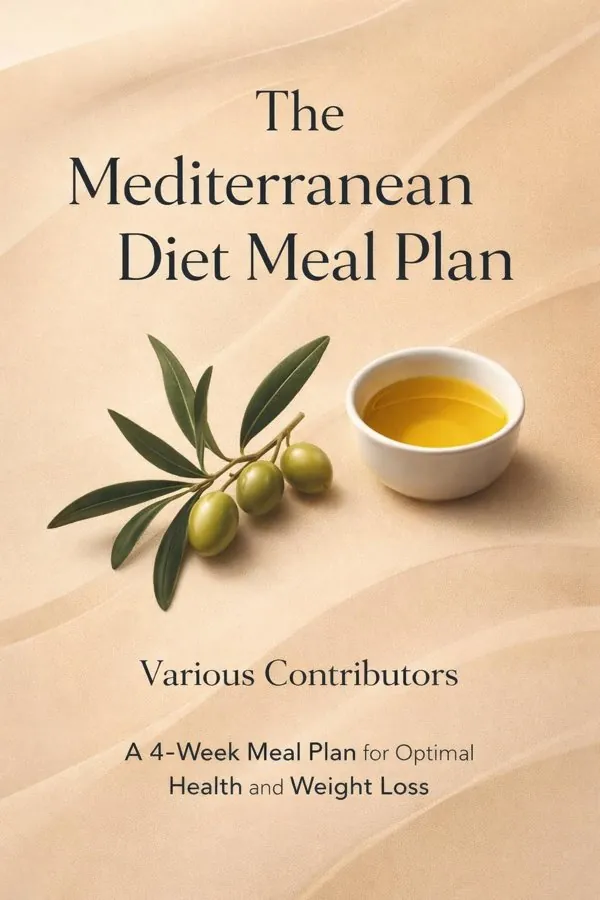
The Mediterranean Diet Meal Plan: A 4-Week Meal Plan for Optimal Health and Weight Loss: Summary & Key Insights
 10 min8 chaptersAudio available
Key Takeaways from The Mediterranean Diet Meal Plan: A 4-Week Meal Plan for Optimal Health and Weight Loss
Most people fail at nutrition not because they lack information, but because they chase perfection instead of consistency.
Many diets teach people to fear fat, yet the Mediterranean tradition suggests something far more nuanced: the type of fat matters more than the mere presence of fat.
The Mediterranean diet is often described by what it includes rather than what it excludes, and its greatest strength may be its plant-centered abundance.
Good intentions are fragile when they meet a busy schedule, an empty refrigerator, or decision fatigue at the end of the day.
A crucial insight behind the Mediterranean diet is that weight loss does not have to come from chronic hunger.
What Is The Mediterranean Diet Meal Plan: A 4-Week Meal Plan for Optimal Health and Weight Loss About?
The Mediterranean Diet Meal Plan: A 4-Week Meal Plan for Optimal Health and Weight Loss by Various Contributors is a nutrition book. The Mediterranean Diet Meal Plan: A 4-Week Meal Plan for Optimal Health and Weight Loss is a practical guide to one of the most respected and research-backed ways of eating in the world. Rather than promoting restriction, calorie obsession, or trendy food rules, this book shows readers how to build a sustainable lifestyle around vegetables, fruits, legumes, whole grains, seafood, healthy fats, and simple home cooking. Its central promise is straightforward: better health does not require extreme dieting, only smarter daily habits. The book matters because it translates a broadly admired dietary pattern into a step-by-step system people can actually follow, especially those who want structure without complexity. The meal plans, shopping guidance, and balanced recipes make the Mediterranean approach accessible for beginners while reinforcing principles that nutrition professionals have long supported for heart health, weight management, and overall well-being. Written by various contributors, the book benefits from a collaborative, practical voice that focuses less on theory alone and more on implementation. It is especially valuable for readers who want a realistic plan that supports long-term health instead of short-term deprivation.
This FizzRead summary covers all 8 key chapters of The Mediterranean Diet Meal Plan: A 4-Week Meal Plan for Optimal Health and Weight Loss in approximately 10 minutes, distilling the most important ideas, arguments, and takeaways from Various Contributors's work. Also available as an audio summary and Key Quotes Podcast.
The Mediterranean Diet Meal Plan: A 4-Week Meal Plan for Optimal Health and Weight Loss
The Mediterranean Diet Meal Plan: A 4-Week Meal Plan for Optimal Health and Weight Loss is a practical guide to one of the most respected and research-backed ways of eating in the world. Rather than promoting restriction, calorie obsession, or trendy food rules, this book shows readers how to build a sustainable lifestyle around vegetables, fruits, legumes, whole grains, seafood, healthy fats, and simple home cooking. Its central promise is straightforward: better health does not require extreme dieting, only smarter daily habits. The book matters because it translates a broadly admired dietary pattern into a step-by-step system people can actually follow, especially those who want structure without complexity. The meal plans, shopping guidance, and balanced recipes make the Mediterranean approach accessible for beginners while reinforcing principles that nutrition professionals have long supported for heart health, weight management, and overall well-being. Written by various contributors, the book benefits from a collaborative, practical voice that focuses less on theory alone and more on implementation. It is especially valuable for readers who want a realistic plan that supports long-term health instead of short-term deprivation.
Who Should Read The Mediterranean Diet Meal Plan: A 4-Week Meal Plan for Optimal Health and Weight Loss?
This book is perfect for anyone interested in nutrition and looking to gain actionable insights in a short read. Whether you're a student, professional, or lifelong learner, the key ideas from The Mediterranean Diet Meal Plan: A 4-Week Meal Plan for Optimal Health and Weight Loss by Various Contributors will help you think differently.
- ✓Readers who enjoy nutrition and want practical takeaways
- ✓Professionals looking to apply new ideas to their work and life
- ✓Anyone who wants the core insights of The Mediterranean Diet Meal Plan: A 4-Week Meal Plan for Optimal Health and Weight Loss in just 10 minutes
Want the full summary?
Get instant access to this book summary and 100K+ more with Fizz Moment.
Get Free SummaryAvailable on App Store • Free to download
Key Chapters
Most people fail at nutrition not because they lack information, but because they chase perfection instead of consistency. One of the most useful lessons in The Mediterranean Diet Meal Plan is that health comes from an overall eating pattern repeated day after day, not from one “clean” meal or one “bad” one. The Mediterranean diet works precisely because it is flexible, enjoyable, and built around foods people can continue eating for years. Rather than banning entire food groups, the book encourages a steady shift toward vegetables, beans, whole grains, fish, olive oil, nuts, seeds, and fruit, while reducing heavily processed foods, excess sugar, and highly refined carbohydrates.
This matters because many readers approach weight loss and healthy eating with an all-or-nothing mindset. They overcorrect, become overly restrictive, and then burn out. The book offers a calmer model. A breakfast of Greek yogurt, berries, and oats; a lunch of lentil salad with olive oil and lemon; and a dinner of roasted vegetables with salmon and quinoa are not dramatic choices, but they are deeply effective when repeated. Even treats and occasional indulgences can fit into the larger pattern, as long as they do not dominate it.
The practical strength of the four-week plan is that it removes guesswork. Instead of asking readers to invent a healthy lifestyle from scratch, it gives them a framework that gradually builds better habits. This lowers mental fatigue and improves adherence. In real life, sustainable eating depends on what is simple enough to repeat on busy weekdays, social weekends, and imperfect days.
Actionable takeaway: Stop aiming for flawless eating and commit to following a balanced Mediterranean-style pattern for most meals each week.
Many diets teach people to fear fat, yet the Mediterranean tradition suggests something far more nuanced: the type of fat matters more than the mere presence of fat. A major theme in the book is the central role of healthy fats, especially olive oil, nuts, seeds, and fatty fish. These foods do more than add flavor. They support satiety, help meals feel satisfying, and align with a style of eating associated with cardiovascular health and metabolic balance.
This idea can be surprisingly liberating for readers who are used to dry salads, bland grilled chicken, and constant hunger. In the Mediterranean model, a salad becomes a complete dish when dressed with olive oil, topped with chickpeas, and served with a handful of walnuts. Roasted vegetables become more enjoyable with a drizzle of oil and herbs. Fish such as salmon or sardines provides omega-3 fats that contribute to a nourishing meal without requiring complicated preparation.
The book also indirectly teaches an important behavioral truth: when food tastes good, people are more likely to stick with healthy choices. Olive oil-based dressings, hummus, avocado, tahini, or a small portion of cheese can make nutrient-dense meals more appealing than highly processed convenience foods. This does not mean unlimited portions, but it does mean that pleasure is part of sustainability. A nutritious diet should satisfy both the body and the appetite.
Readers can apply this by replacing less nourishing fats and processed snacks with simple, whole-food alternatives. Cook vegetables in olive oil instead of butter-heavy sauces, snack on almonds instead of chips, or add tuna and olives to a grain bowl for richness and staying power.
Actionable takeaway: Add moderate portions of olive oil, nuts, seeds, and fish to meals so healthy eating feels satisfying rather than restrictive.
The Mediterranean diet is often described by what it includes rather than what it excludes, and its greatest strength may be its plant-centered abundance. The book consistently emphasizes fruits, vegetables, legumes, herbs, and whole grains as the foundation of daily eating. This is not a vegetarian manifesto, but it does reposition animal foods into a supporting role rather than the center of every meal. That shift alone can improve diet quality dramatically.
A plate built around plants naturally increases fiber, vitamins, minerals, antioxidants, and volume, all of which support fullness and long-term health. For someone trying to lose weight, this matters because high-fiber foods help control hunger without requiring severe calorie restriction. A bowl of vegetable soup with beans, a tomato-cucumber salad with farro, or roasted eggplant with lentils can be filling, flavorful, and lower in energy density than many standard Western meals.
The book’s meal-planning structure makes this principle practical. Instead of asking, “What protein should I eat?” readers learn to ask, “What vegetables, legumes, and grains can form the base of this meal?” Protein still matters, but it is integrated into a larger ecosystem of nourishing ingredients. For example, grilled chicken can be added to a chickpea salad, or shrimp can be served over brown rice and sautéed greens. This creates balance without excess.
The emphasis on plants also helps reduce dependence on processed food. Fresh produce, canned beans, frozen vegetables, herbs, and pantry grains are affordable and versatile. Readers do not need gourmet ingredients to eat this way. A simple stew of tomatoes, white beans, spinach, garlic, and olive oil already reflects the core philosophy.
Actionable takeaway: Build every meal around vegetables, legumes, fruit, or whole grains first, then add protein and healthy fat for balance.
Good intentions are fragile when they meet a busy schedule, an empty refrigerator, or decision fatigue at the end of the day. One of the book’s most practical contributions is its recognition that healthy eating depends less on willpower and more on preparation. The four-week structure turns nutrition into a system. By organizing meals in advance, readers reduce impulsive choices and make healthy eating the path of least resistance.
This is especially important for weight loss and habit change. Many people know what they “should” eat, but when they are tired, hungry, or rushed, convenience wins. A weekly plan changes that. If breakfast ingredients are already stocked, lunches are partially prepped, and dinners are chosen ahead of time, the friction of eating well drops sharply. The Mediterranean approach becomes easier because the logistics have been handled in advance.
The book likely appeals to beginners because it simplifies the everyday mechanics of nutrition: what to shop for, when to cook, how to combine ingredients, and how to structure meals over time. This reduces the overwhelm that often derails lifestyle changes. For example, cooking a pot of quinoa, roasting a tray of vegetables, and washing greens on Sunday can support several meals throughout the week. A batch of lentil soup can become lunch for days. Hard-boiled eggs, cut vegetables, fruit, and hummus can turn potential snack emergencies into balanced choices.
Meal planning also supports financial discipline. Buying ingredients for specific meals reduces waste and cuts back on costly takeout. More importantly, it builds trust in the process. Instead of making dozens of nutrition decisions each day, readers rely on a prepared framework.
Actionable takeaway: Set aside one hour each week to plan meals, shop intentionally, and prep a few staple ingredients before the week begins.
A crucial insight behind the Mediterranean diet is that weight loss does not have to come from chronic hunger. The book presents a way of eating that supports a calorie deficit indirectly, through fullness, nutrient density, and meal satisfaction, rather than through extreme restriction. This is one reason the approach has such broad appeal. When meals include fiber-rich vegetables, beans, whole grains, healthy fats, and moderate portions of protein, people often feel more satisfied and are less likely to overeat later.
Contrast this with many fad diets, which may produce short-term results but often trigger rebound eating. A low-calorie breakfast that leaves someone hungry by midmorning can lead to sugary snacks, oversized lunches, and late-night cravings. The Mediterranean framework counters this by encouraging real meals. For example, whole-grain toast with avocado and eggs, minestrone soup with beans, or grilled fish with couscous and vegetables can keep energy stable and appetite manageable.
The book also encourages a healthier psychological relationship with food. Weight loss becomes a byproduct of improved eating habits, not a punishment. Readers are less likely to feel deprived because the foods are varied, flavorful, and socially normal. This matters for adherence. People are far more likely to stay with a plan that includes olive oil, pasta in sensible portions, fruit, yogurt, and satisfying snacks than one built around bland, repetitive meals.
Balanced satisfaction is also about portion awareness. The Mediterranean diet is not magic; overeating energy-dense foods can still hinder progress. But the book helps readers choose foods that naturally support better intake regulation and a more enjoyable lifestyle.
Actionable takeaway: Structure each meal to include fiber, protein, and healthy fat so you stay full longer and reduce overeating later.
Lasting nutrition change often depends less on motivation than on kitchen confidence. The Mediterranean Diet Meal Plan stands out because it treats cooking as a practical health skill rather than a hobby for experts. The meals are built around straightforward techniques such as roasting vegetables, simmering grains, assembling salads, preparing soups, and cooking fish or lean proteins with herbs and olive oil. This simplicity is not a limitation. It is exactly what makes the approach usable.
Many people believe healthy eating requires elaborate recipes, expensive ingredients, or constant novelty. In reality, sustainable diets are built on a small set of repeatable meals. A grain bowl, a bean salad, a baked fish dinner, a vegetable pasta, or a yogurt-and-fruit breakfast can be rotated endlessly with small changes in seasoning and ingredients. The book helps normalize this kind of practical repetition.
Simple cooking also gives readers more control over sodium, added sugar, portion size, and ingredient quality. Restaurant meals and packaged foods often contain more calories and fewer nutrients than expected. Preparing food at home does not require perfection, but it does create awareness. Even assembling a no-cook meal like tuna, white beans, cherry tomatoes, arugula, and olive oil is usually a better option than grabbing ultra-processed convenience food.
Another benefit is confidence. Once readers realize they can cook a few Mediterranean-style staples, healthy eating stops feeling abstract. It becomes an achievable routine. They learn that frozen vegetables, canned beans, canned fish, garlic, lemons, whole grains, and olive oil can produce dozens of meals with minimal effort.
Actionable takeaway: Master five simple Mediterranean-style meals you can make quickly, and use them as your default rotation during busy weeks.
Nutrition advice often reduces food to numbers, but the Mediterranean tradition reminds us that how we eat matters almost as much as what we eat. Beneath the recipes and meal plans, the book carries a broader philosophy: healthy eating is more sustainable when it feels culturally rich, pleasurable, and socially normal. Meals are not just fuel; they are part of daily life, family rhythms, and long-term habits.
This perspective helps explain why the Mediterranean approach has enduring appeal. It does not isolate people with rigid rules that make normal eating impossible. Instead, it encourages shared meals, fresh ingredients, moderate portions, and enjoyment of food without constant guilt. A dinner of grilled vegetables, fish, salad, and whole grains can be both health-supportive and inviting enough to serve guests. A bowl of berries with yogurt or a small piece of dark chocolate can fit without turning eating into a moral struggle.
For many readers, this is a crucial mental shift. Diets often fail because they make people feel socially deprived or emotionally exhausted. The Mediterranean pattern works better when it is integrated into ordinary life: packing leftovers for lunch, sharing a family pasta dish with extra vegetables, enjoying fruit after dinner, or preparing a simple weekend meal from seasonal produce. These habits are not dramatic, but they are realistic.
The book’s value lies partly in making health feel livable. It suggests that nutrition should support a good life, not dominate it. When food is enjoyable and communal, people are more likely to maintain healthy routines with less internal resistance.
Actionable takeaway: Make at least a few weekly meals enjoyable rituals by eating slowly, sharing food when possible, and choosing nourishing dishes you genuinely like.
Chronic disease and vitality are often shaped not by rare major decisions, but by ordinary habits repeated over years. The Mediterranean Diet Meal Plan reinforces this idea by connecting everyday food choices with broader outcomes such as heart health, weight management, energy, and general well-being. Its message is subtle but powerful: prevention can begin in the grocery cart, the pantry, and the dinner plate.
The foods emphasized in the book align with what decades of nutrition research suggest supports long-term health: more whole plant foods, more unsaturated fats, more seafood, and fewer processed products high in added sugars and refined ingredients. This pattern can help readers move toward better blood sugar regulation, improved satiety, and a more nutrient-dense diet overall. While no single meal transforms health, daily consistency can meaningfully shift risk over time.
This is especially relevant for readers who feel overwhelmed by health advice. The book turns prevention into a manageable routine rather than an abstract medical concern. Swapping sugary cereal for oatmeal with fruit, replacing fast-food lunches with bean salads or leftovers, and cooking with olive oil instead of relying on packaged sauces may seem minor in isolation, but together they create a different trajectory.
The four-week meal plan is useful because it helps bridge the gap between knowledge and action. It shows that healthier living is not built in one dramatic reset, but in repeated ordinary meals. Readers can experience this directly as they notice more stable energy, improved digestion, reduced reliance on processed snacks, and more confidence in their food choices.
Actionable takeaway: Focus on one or two repeatable upgrades each week, such as eating beans more often or replacing refined snacks with fruit and nuts.
All Chapters in The Mediterranean Diet Meal Plan: A 4-Week Meal Plan for Optimal Health and Weight Loss
About the Author
Various Contributors refers to a collaborative authorship model rather than a single writer. In the case of The Mediterranean Diet Meal Plan, this likely means the book was shaped by multiple professionals involved in nutrition writing, recipe development, meal planning, editing, and wellness education. Collaborative health books often combine evidence-based dietary guidance with practical kitchen advice, making them especially useful for readers who want both credibility and usability. Instead of centering on one expert’s personal philosophy, books by various contributors tend to focus on accessible implementation, clear instruction, and broad appeal. This approach suits a topic like Mediterranean eating, where the goal is not only to explain a healthy dietary pattern but also to help readers apply it in everyday life through simple meals, organized planning, and sustainable habits.
Get This Summary in Your Preferred Format
Read or listen to the The Mediterranean Diet Meal Plan: A 4-Week Meal Plan for Optimal Health and Weight Loss summary by Various Contributors anytime, anywhere. FizzRead offers multiple formats so you can learn on your terms — all free.
Available formats: App · Audio · PDF · EPUB — All included free with FizzRead
Download The Mediterranean Diet Meal Plan: A 4-Week Meal Plan for Optimal Health and Weight Loss PDF and EPUB Summary
Key Quotes from The Mediterranean Diet Meal Plan: A 4-Week Meal Plan for Optimal Health and Weight Loss
“Most people fail at nutrition not because they lack information, but because they chase perfection instead of consistency.”
“Many diets teach people to fear fat, yet the Mediterranean tradition suggests something far more nuanced: the type of fat matters more than the mere presence of fat.”
“The Mediterranean diet is often described by what it includes rather than what it excludes, and its greatest strength may be its plant-centered abundance.”
“Good intentions are fragile when they meet a busy schedule, an empty refrigerator, or decision fatigue at the end of the day.”
“A crucial insight behind the Mediterranean diet is that weight loss does not have to come from chronic hunger.”
Frequently Asked Questions about The Mediterranean Diet Meal Plan: A 4-Week Meal Plan for Optimal Health and Weight Loss
The Mediterranean Diet Meal Plan: A 4-Week Meal Plan for Optimal Health and Weight Loss by Various Contributors is a nutrition book that explores key ideas across 8 chapters. The Mediterranean Diet Meal Plan: A 4-Week Meal Plan for Optimal Health and Weight Loss is a practical guide to one of the most respected and research-backed ways of eating in the world. Rather than promoting restriction, calorie obsession, or trendy food rules, this book shows readers how to build a sustainable lifestyle around vegetables, fruits, legumes, whole grains, seafood, healthy fats, and simple home cooking. Its central promise is straightforward: better health does not require extreme dieting, only smarter daily habits. The book matters because it translates a broadly admired dietary pattern into a step-by-step system people can actually follow, especially those who want structure without complexity. The meal plans, shopping guidance, and balanced recipes make the Mediterranean approach accessible for beginners while reinforcing principles that nutrition professionals have long supported for heart health, weight management, and overall well-being. Written by various contributors, the book benefits from a collaborative, practical voice that focuses less on theory alone and more on implementation. It is especially valuable for readers who want a realistic plan that supports long-term health instead of short-term deprivation.
You Might Also Like
Eating by the Seasons Cookbook: Seasonal Produce-Focused Recipes
Clare Foster
10 min
From Crook to Cook: Platinum Recipes from Tha Boss Dogg's Kitchen
Snoop Dogg with Ryan Ford
10 min
Juicing for Beginners: The Essential Guide to Juicing Recipes and Juicing for Weight Loss
Rockridge Press
10 min
The Food Therapist: Break Bad Habits, Eat with Intention, and Indulge Without Worry
Shira Lenchewski
10 min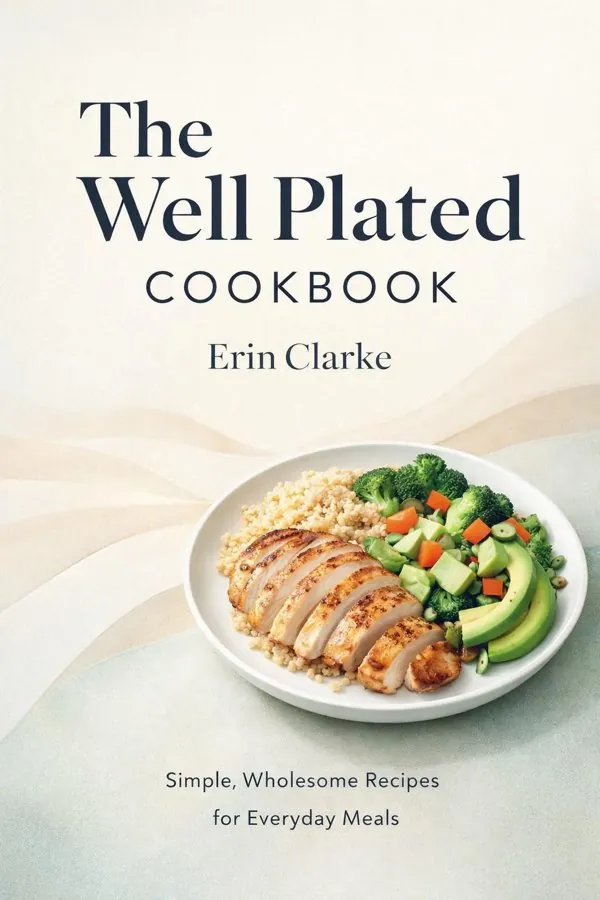
The Well Plated Cookbook: Simple, Wholesome Recipes for Everyday Meals
Erin Clarke
10 min
Why We Get Fat: And What to Do About It
Gary Taubes
10 minBrowse by Category
Ready to read The Mediterranean Diet Meal Plan: A 4-Week Meal Plan for Optimal Health and Weight Loss?
Get the full summary and 100K+ more books with Fizz Moment.