
The Tale of the Dueling Neurosurgeons: The History of the Human Brain as Revealed by True Stories of Trauma, Madness, and Recovery: Summary & Key Insights
by Sam Kean
 10 min9 chaptersAudio available
What Is The Tale of the Dueling Neurosurgeons: The History of the Human Brain as Revealed by True Stories of Trauma, Madness, and Recovery About?
The Tale of the Dueling Neurosurgeons: The History of the Human Brain as Revealed by True Stories of Trauma, Madness, and Recovery by Sam Kean is a popular_sci book spanning 9 pages. A narrative exploration of the human brain’s structure and function through historical case studies of neurological disorders and injuries. Sam Kean recounts fascinating stories of patients whose brain traumas revealed the inner workings of cognition, memory, and personality, blending science, history, and storytelling to illuminate how our minds shape who we are.
This FizzRead summary covers all 9 key chapters of The Tale of the Dueling Neurosurgeons: The History of the Human Brain as Revealed by True Stories of Trauma, Madness, and Recovery in approximately 10 minutes, distilling the most important ideas, arguments, and takeaways from Sam Kean's work. Also available as an audio summary and Key Quotes Podcast.
The Tale of the Dueling Neurosurgeons: The History of the Human Brain as Revealed by True Stories of Trauma, Madness, and Recovery
A narrative exploration of the human brain’s structure and function through historical case studies of neurological disorders and injuries. Sam Kean recounts fascinating stories of patients whose brain traumas revealed the inner workings of cognition, memory, and personality, blending science, history, and storytelling to illuminate how our minds shape who we are.
Who Should Read The Tale of the Dueling Neurosurgeons: The History of the Human Brain as Revealed by True Stories of Trauma, Madness, and Recovery?
This book is perfect for anyone interested in popular_sci and looking to gain actionable insights in a short read. Whether you're a student, professional, or lifelong learner, the key ideas from The Tale of the Dueling Neurosurgeons: The History of the Human Brain as Revealed by True Stories of Trauma, Madness, and Recovery by Sam Kean will help you think differently.
- ✓Readers who enjoy popular_sci and want practical takeaways
- ✓Professionals looking to apply new ideas to their work and life
- ✓Anyone who wants the core insights of The Tale of the Dueling Neurosurgeons: The History of the Human Brain as Revealed by True Stories of Trauma, Madness, and Recovery in just 10 minutes
Want the full summary?
Get instant access to this book summary and 100K+ more with Fizz Moment.
Get Free SummaryAvailable on App Store • Free to download
Key Chapters
In the beginning, the brain was a black box enveloped in myth. For millennia, people mistook the heart as the seat of thought and emotion, while the brain was viewed as a cooling mechanism for the blood. The Greeks, especially those loyal to Aristotle, dismissed it as merely a physiological organ of minor importance. Others, like Hippocrates and Galen, sensed the truth but struggled to prove it. The medieval world clung to the doctrine of humors—blood, phlegm, yellow bile, and black bile—explaining mental illness as an imbalance rather than injury or malfunction. In this pre-scientific age, the human soul was thought to reside in different 'ventricles' of the brain, each governing imagination, memory, and reason. These poetic notions comforted the faithful, but they stymied progress. In their ornate speculation, they lacked the courage or means to look inside.
What fascinates me most about this era is not its ignorance but its persistence. Every misconception was a stepping stone toward discovery. By the Renaissance, anatomy was stirring awake. Dissection, once forbidden, became the new frontier of knowledge, and artists like Leonardo da Vinci approached the brain not only as physicians of form but as explorers of mystery. The stage was finally set for science to replace doctrine—with the skull as its gate.
When early anatomists dared to open the skull, they entered a strange new world. The brain’s surface seemed formless, yet its grooves and folds hinted at buried design. The first maps were crude sketches drawn from autopsies. But in the nineteenth century, as case studies multiplied, scientists began noticing patterns: particular injuries produced particular impairments. From this simple observation emerged the radical idea of localization—the belief that each part of the brain has its own job. This was a revolution. Suddenly, the mind looked like a mosaic of specialized circuits.
Paul Broca, studying a man who could understand language but not speak, realized that speech must be seated in a specific place—the now-famous Broca’s area. A few decades later, Carl Wernicke discovered a nearby region responsible for comprehension. These were not mere curiosities; they redefined the brain as a map of functions. Even more astonishing were the connections drawn by European neurologists who examined patients with bizarre losses: inability to recognize faces, to see half their world, or to control emotions. Wherever the brain malfunctioned, an opportunity for insight appeared. Our modern understanding of the cortex’s geography—from the visual areas at the back to the motor strip governing limb movement—was born from such tragic fortuity.
I often think of these scientists as cartographers guided by the accidents of fate. Their sketches would later evolve into detailed atlases, yet they began with a simple moral truth: the brain reveals itself most clearly when it breaks.
+ 7 more chapters — available in the FizzRead app
All Chapters in The Tale of the Dueling Neurosurgeons: The History of the Human Brain as Revealed by True Stories of Trauma, Madness, and Recovery
About the Author
Sam Kean is an American science writer known for making complex scientific topics accessible and engaging. He has written several bestselling books that combine history and science, including 'The Disappearing Spoon' and 'The Violinist’s Thumb'. His work has appeared in The New York Times Magazine, Slate, and The Atlantic.
Get This Summary in Your Preferred Format
Read or listen to the The Tale of the Dueling Neurosurgeons: The History of the Human Brain as Revealed by True Stories of Trauma, Madness, and Recovery summary by Sam Kean anytime, anywhere. FizzRead offers multiple formats so you can learn on your terms — all free.
Available formats: App · Audio · PDF · EPUB — All included free with FizzRead
Download The Tale of the Dueling Neurosurgeons: The History of the Human Brain as Revealed by True Stories of Trauma, Madness, and Recovery PDF and EPUB Summary
Key Quotes from The Tale of the Dueling Neurosurgeons: The History of the Human Brain as Revealed by True Stories of Trauma, Madness, and Recovery
“In the beginning, the brain was a black box enveloped in myth.”
“When early anatomists dared to open the skull, they entered a strange new world.”
Frequently Asked Questions about The Tale of the Dueling Neurosurgeons: The History of the Human Brain as Revealed by True Stories of Trauma, Madness, and Recovery
The Tale of the Dueling Neurosurgeons: The History of the Human Brain as Revealed by True Stories of Trauma, Madness, and Recovery by Sam Kean is a popular_sci book that explores key ideas across 9 chapters. A narrative exploration of the human brain’s structure and function through historical case studies of neurological disorders and injuries. Sam Kean recounts fascinating stories of patients whose brain traumas revealed the inner workings of cognition, memory, and personality, blending science, history, and storytelling to illuminate how our minds shape who we are.
More by Sam Kean

Caesar’s Last Breath: Decoding the Secrets of the Air Around Us
Sam Kean
10 min
The Violinist’s Thumb: And Other Lost Tales of Love, War, and Genius, as Written by Our Genetic Code
Sam Kean
10 min
The Bastard Brigade: The True Story of the Renegade Scientists and Spies Who Sabotaged the Nazi Atomic Bomb
Sam Kean
10 min
The Disappearing Spoon: And Other True Tales of Madness, Love, and the History of the World from the Periodic Table of the Elements
Sam Kean
10 minYou Might Also Like
Structures: Or Why Things Don"t Fall Down
J.E. Gordon
10 min
The Road to Wigan Pier
George Orwell
10 min
Bonk: The Curious Coupling of Science and Sex
Mary Roach
10 min
First Bite: How We Learn to Eat
Bee Wilson
10 min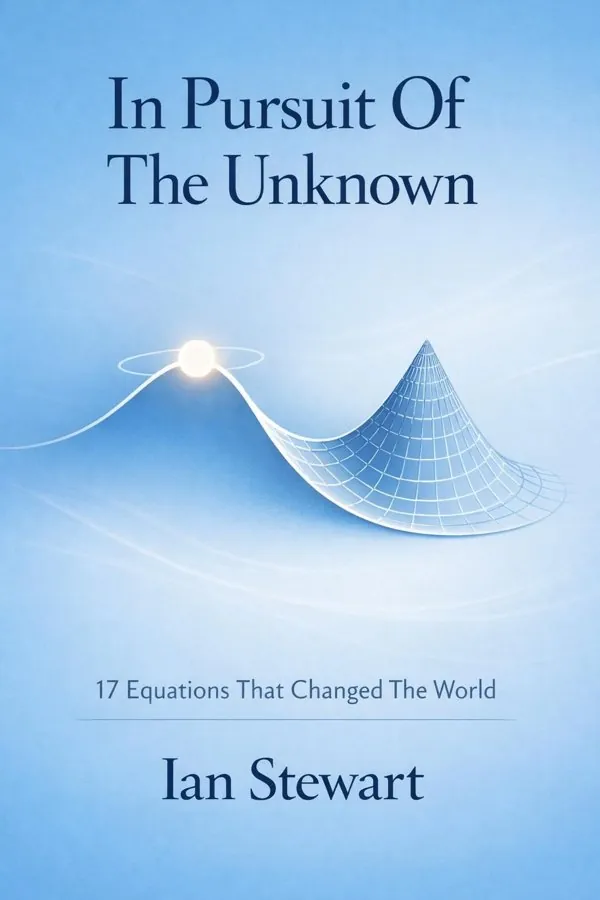
In Pursuit Of The Unknown: 17 Equations That Changed The World
Ian Stewart
10 min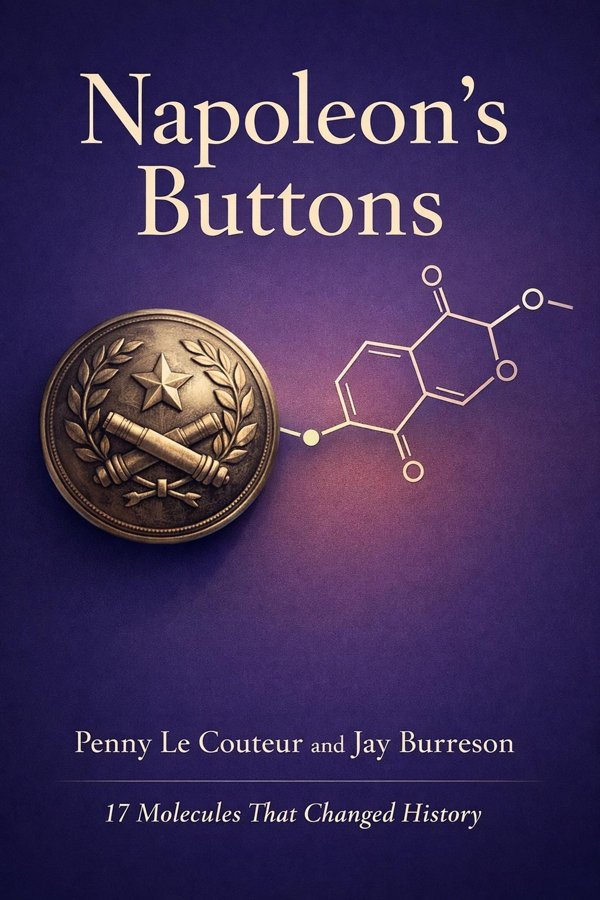
Napoleon's Buttons: 17 Molecules That Changed History
Penny Le Couteur and Jay Burreson
10 minBrowse by Category
Ready to read The Tale of the Dueling Neurosurgeons: The History of the Human Brain as Revealed by True Stories of Trauma, Madness, and Recovery?
Get the full summary and 100K+ more books with Fizz Moment.