
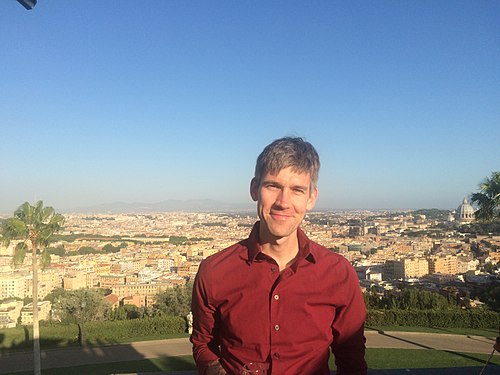
Sam Kean Books
Sam Kean is an American science writer known for making complex scientific topics accessible and engaging. His works often combine storytelling with scientific insight, and he has written for publications such as The New York Times Magazine and The Atlantic.
Known for: Caesar’s Last Breath: Decoding the Secrets of the Air Around Us, The Bastard Brigade: The True Story of the Renegade Scientists and Spies Who Sabotaged the Nazi Atomic Bomb, The Disappearing Spoon: And Other True Tales of Madness, Love, and the History of the World from the Periodic Table of the Elements, The Tale of the Dueling Neurosurgeons: The History of the Human Brain as Revealed by True Stories of Trauma, Madness, and Recovery, The Violinist’s Thumb: And Other Lost Tales of Love, War, and Genius, as Written by Our Genetic Code
Books by Sam Kean
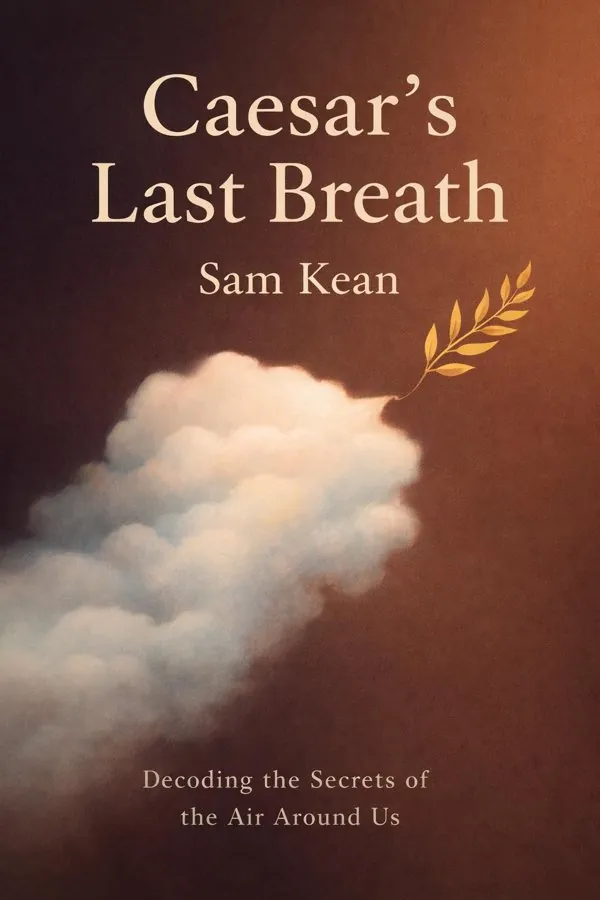
Caesar’s Last Breath: Decoding the Secrets of the Air Around Us
Air feels invisible, weightless, and forgettable, yet it is one of the most revealing archives on Earth. In Caesar’s Last Breath, Sam Kean turns the atmosphere into a grand storyteller, showing how ev...
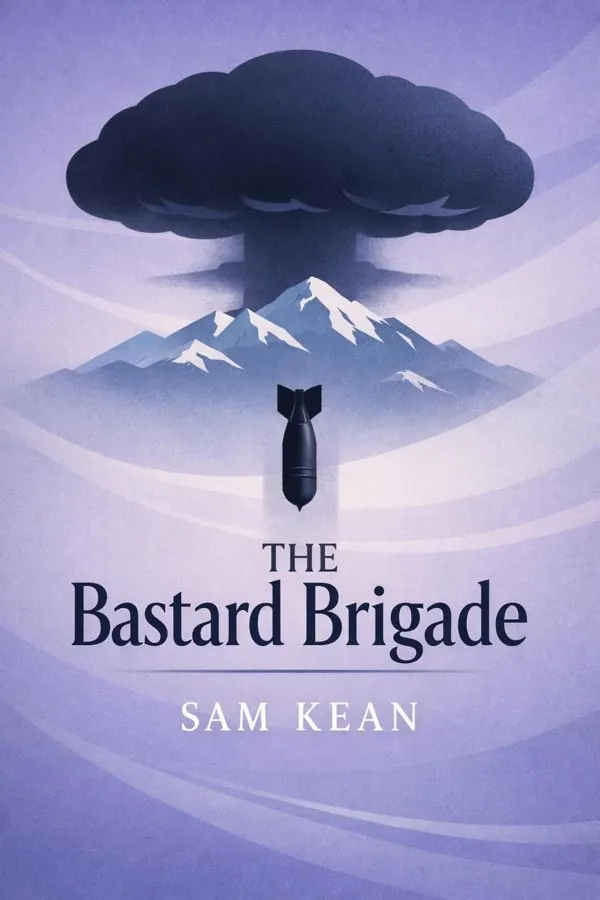
The Bastard Brigade: The True Story of the Renegade Scientists and Spies Who Sabotaged the Nazi Atomic Bomb
What if the outcome of World War II had depended not only on armies and generals, but on physicists, double agents, saboteurs, and one exceptionally unlikely spy? In The Bastard Brigade, Sam Kean tell...
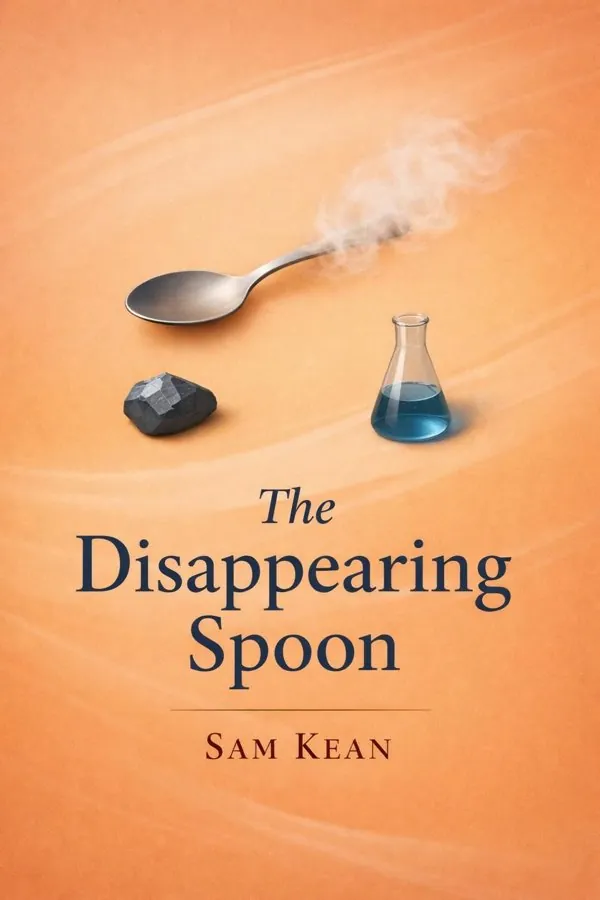
The Disappearing Spoon: And Other True Tales of Madness, Love, and the History of the World from the Periodic Table of the Elements
A narrative exploration of the periodic table, revealing the quirky, tragic, and fascinating stories behind the elements and the scientists who discovered them. Sam Kean blends history, science, and h...
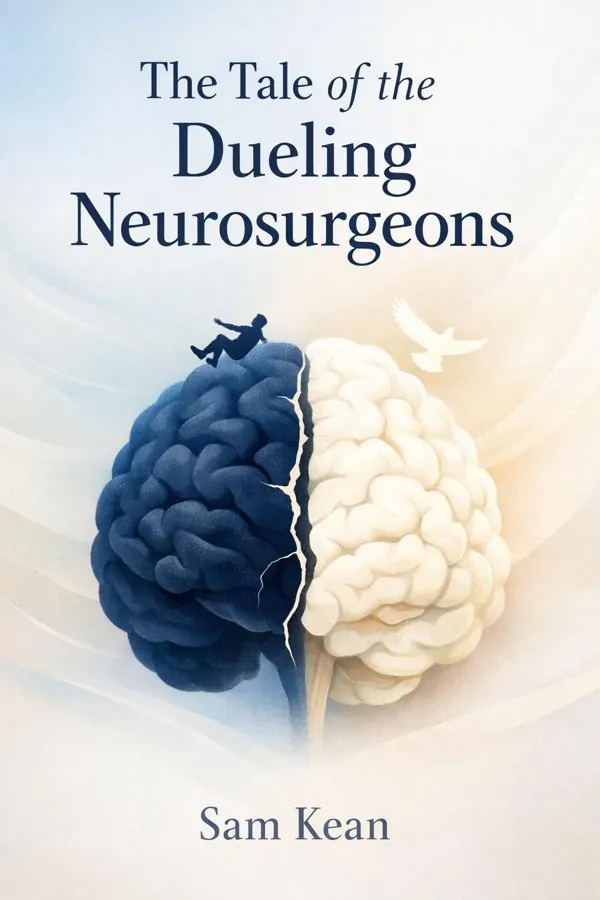
The Tale of the Dueling Neurosurgeons: The History of the Human Brain as Revealed by True Stories of Trauma, Madness, and Recovery
A narrative exploration of the human brain’s structure and function through historical case studies of neurological disorders and injuries. Sam Kean recounts fascinating stories of patients whose brai...
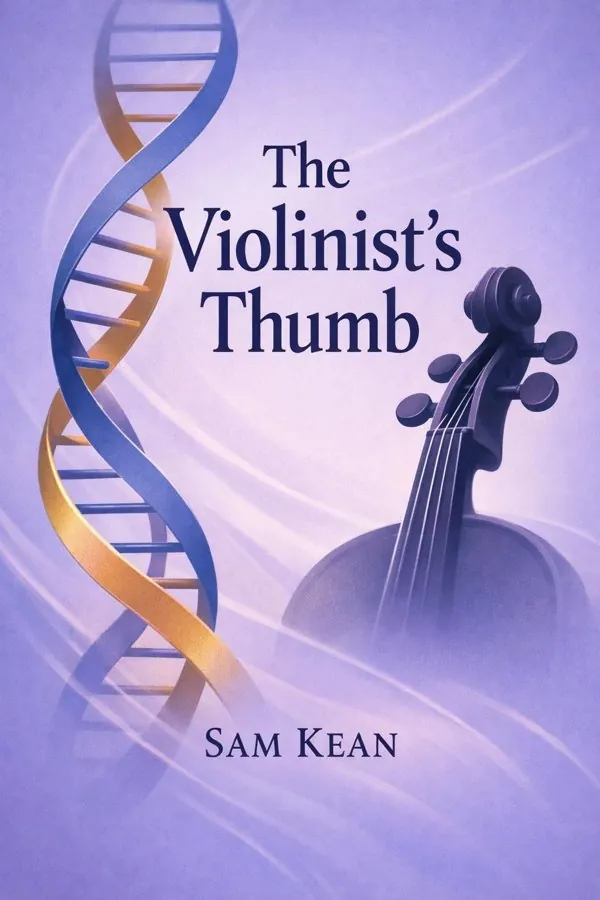
The Violinist’s Thumb: And Other Lost Tales of Love, War, and Genius, as Written by Our Genetic Code
In this witty and engaging exploration of genetics, Sam Kean delves into the fascinating stories hidden within our DNA. From the quirks of evolution to the mysteries of heredity, he reveals how our ge...
Key Insights from Sam Kean
Air Is Crowded, Not Empty
A room that looks empty is actually teeming with matter. One of Sam Kean’s most powerful moves is to dissolve the illusion that air is “nothing.” The atmosphere is a dense, active mixture of gases, particles, droplets, microbes, and chemical traces, all moving constantly and interacting in ways that...
From Caesar’s Last Breath: Decoding the Secrets of the Air Around Us
Ancient Origins of Atmospheric Molecules
The air in your lungs is older than humanity, older than mammals, older even than complex life. Kean traces atmospheric history back to Earth’s violent beginnings, when the young planet was wrapped in gases released by volcanic eruptions, asteroid impacts, and deep geologic processes. Early Earth’s ...
From Caesar’s Last Breath: Decoding the Secrets of the Air Around Us
Oxygen Built Life and Invited Danger
The gas that keeps you alive is also one of nature’s most destructive substances. Kean treats oxygen not as a simple hero, but as a revolutionary force with a double edge. The rise of oxygen in Earth’s atmosphere enabled high-energy metabolism, larger bodies, active brains, and eventually human civi...
From Caesar’s Last Breath: Decoding the Secrets of the Air Around Us
Carbon Dioxide Shapes Climate and Civilization
A trace gas can govern the fate of a planet. Carbon dioxide makes up only a small fraction of the atmosphere, yet Kean shows that small concentration does not mean small importance. CO2 is a heat-trapping gas that helps keep Earth warm enough for life. Without it, the planet would be far colder and ...
From Caesar’s Last Breath: Decoding the Secrets of the Air Around Us
Breath Connects You to History
The idea that you may inhale molecules once breathed by Julius Caesar sounds whimsical, but it captures a serious scientific truth about mixing and probability. Kean uses this striking image to show that the atmosphere is a vast but shared reservoir. Over time, gases disperse globally, meaning that ...
From Caesar’s Last Breath: Decoding the Secrets of the Air Around Us
Wind, Pressure, and Invisible Motion
Still air is mostly an illusion. Even when the atmosphere feels calm, pressure gradients, temperature differences, Earth’s rotation, and moisture are constantly shaping invisible currents. Kean explores the physics of air movement to explain why weather changes, storms form, scents travel, and pollu...
From Caesar’s Last Breath: Decoding the Secrets of the Air Around Us
About Sam Kean
Sam Kean is an American science writer known for making complex scientific topics accessible and engaging. His works often combine storytelling with scientific insight, and he has written for publications such as The New York Times Magazine and The Atlantic.


Frequently Asked Questions
Sam Kean is an American science writer known for making complex scientific topics accessible and engaging. His works often combine storytelling with scientific insight, and he has written for publications such as The New York Times Magazine and The Atlantic.
Read Sam Kean's books in 15 minutes
Get AI-powered summaries with key insights from 5 books by Sam Kean.