
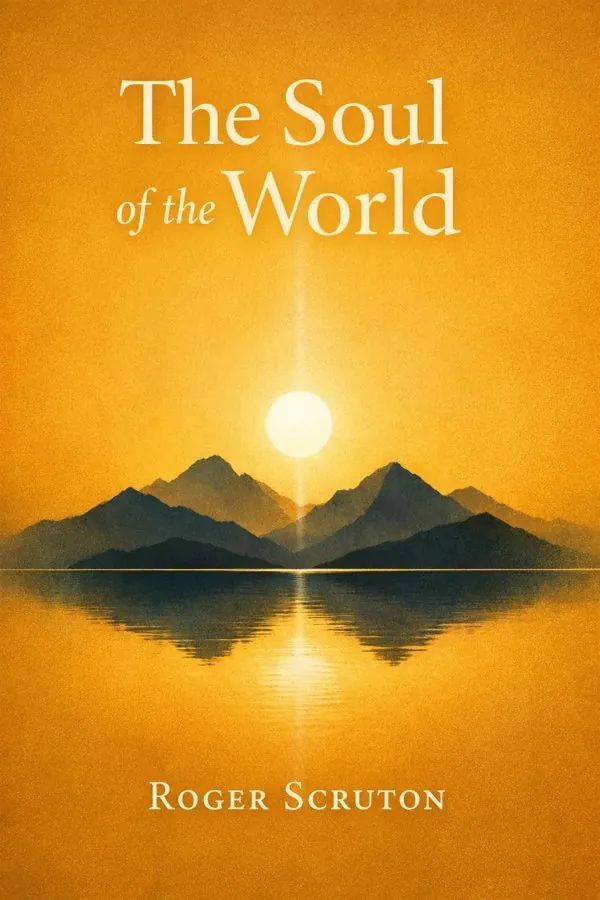
The Soul of the World: Summary & Key Insights
 10 min10 chaptersAudio available
What Is The Soul of the World About?
The Soul of the World by Roger Scruton is a western_phil book spanning 10 pages. In this philosophical work, Roger Scruton explores the human experience of the sacred and the transcendent. He argues that our sense of the sacred is essential to understanding art, morality, and community, and that modern secularism risks impoverishing our spiritual and cultural life. Through reflections on religion, beauty, and love, Scruton defends the idea that the world possesses a soul that connects human beings to something greater than themselves.
This FizzRead summary covers all 10 key chapters of The Soul of the World in approximately 10 minutes, distilling the most important ideas, arguments, and takeaways from Roger Scruton's work. Also available as an audio summary and Key Quotes Podcast.
The Soul of the World
In this philosophical work, Roger Scruton explores the human experience of the sacred and the transcendent. He argues that our sense of the sacred is essential to understanding art, morality, and community, and that modern secularism risks impoverishing our spiritual and cultural life. Through reflections on religion, beauty, and love, Scruton defends the idea that the world possesses a soul that connects human beings to something greater than themselves.
Who Should Read The Soul of the World?
This book is perfect for anyone interested in western_phil and looking to gain actionable insights in a short read. Whether you're a student, professional, or lifelong learner, the key ideas from The Soul of the World by Roger Scruton will help you think differently.
- ✓Readers who enjoy western_phil and want practical takeaways
- ✓Professionals looking to apply new ideas to their work and life
- ✓Anyone who wants the core insights of The Soul of the World in just 10 minutes
Want the full summary?
Get instant access to this book summary and 100K+ more with Fizz Moment.
Get Free SummaryAvailable on App Store • Free to download
Key Chapters
Our consciousness of the sacred arises from experiences of awe and moral awareness that compel us to step outside ourselves. When we recognize something as sacred, we cease to treat it as a mere means to an end; it demands respect for its own sake. This is not an arbitrary projection, nor a withdrawal from rationality. It is rather an acknowledgment that value is woven into the fabric of reality itself. The sacred manifests whenever we confront something that appears both within reach and beyond our control — a newborn child, a great work of art, the silent majesty of a mountain. In such encounters, we sense that certain gestures, thoughts, or desecrations are simply wrong, not because of social convention but because they violate an order that precedes us.
In our moral life, the sacred illumines the boundary between what may and may not be done. Morality, after all, is not constructed from utility calculations but from recognition of inviolability. Similarly, in aesthetics, the experience of beauty draws us toward an order of harmony and significance that transcends mere pleasure. To sense the sacred in beauty or goodness is to perceive that these values are not human inventions but revelations of what the world already contains when looked at with reverence.
The sacred, therefore, is not a separate metaphysical realm but a way of perceiving the immanence of meaning. It frames the ethical, the beautiful, and the interpersonal. And if modernity often forgets it, that is less because the sacred has vanished than because our powers of appreciation have dulled.
Human beings live between two dimensions: the transcendent and the immanent. We strive for the beyond, yet we dwell here, within the world’s physical confines. Religion and art alike try to reconcile these poles. The transcendent is not a remote place; it describes our awareness that meaning exceeds physical causality. To see the world as having a soul is to recognize that the immanent world — the world of faces, gestures, and melodies — already contains a glimpse of the eternal.
In philosophy and theology, this tension has produced many dualisms: God and world, spirit and matter, eternity and time. I seek to show that these oppositions are not separations but perspectives. When we find transcendence through love, ritual, or beauty, we are not exiting the world but deepening our participation in it. The experience of the sacred thus fuses the two: it is a transcendent reality encountered immanently. When a painting moves us or a piece of music carries us beyond language, we have entered into this union. The sacred is the meeting point where immanent life discloses transcendence.
Secular modernity tries to render all meaning immanent by reducing spiritual experience to psychological or biological terms. But in doing so, it cuts off our access to the very thing that justifies existence: the felt presence of eternity within time. To honor transcendence is to preserve the mystery that keeps human life from collapsing into mechanism.
+ 8 more chapters — available in the FizzRead app
All Chapters in The Soul of the World
About the Author
Roger Scruton (1944–2020) was an English philosopher, writer, and public commentator known for his work in aesthetics, political philosophy, and culture. He authored more than fifty books, including 'The Aesthetics of Architecture' and 'How to Be a Conservative', and was a leading voice in contemporary conservative thought.
Get This Summary in Your Preferred Format
Read or listen to the The Soul of the World summary by Roger Scruton anytime, anywhere. FizzRead offers multiple formats so you can learn on your terms — all free.
Available formats: App · Audio · PDF · EPUB — All included free with FizzRead
Download The Soul of the World PDF and EPUB Summary
Key Quotes from The Soul of the World
“Our consciousness of the sacred arises from experiences of awe and moral awareness that compel us to step outside ourselves.”
“Human beings live between two dimensions: the transcendent and the immanent.”
Frequently Asked Questions about The Soul of the World
The Soul of the World by Roger Scruton is a western_phil book that explores key ideas across 10 chapters. In this philosophical work, Roger Scruton explores the human experience of the sacred and the transcendent. He argues that our sense of the sacred is essential to understanding art, morality, and community, and that modern secularism risks impoverishing our spiritual and cultural life. Through reflections on religion, beauty, and love, Scruton defends the idea that the world possesses a soul that connects human beings to something greater than themselves.
More by Roger Scruton
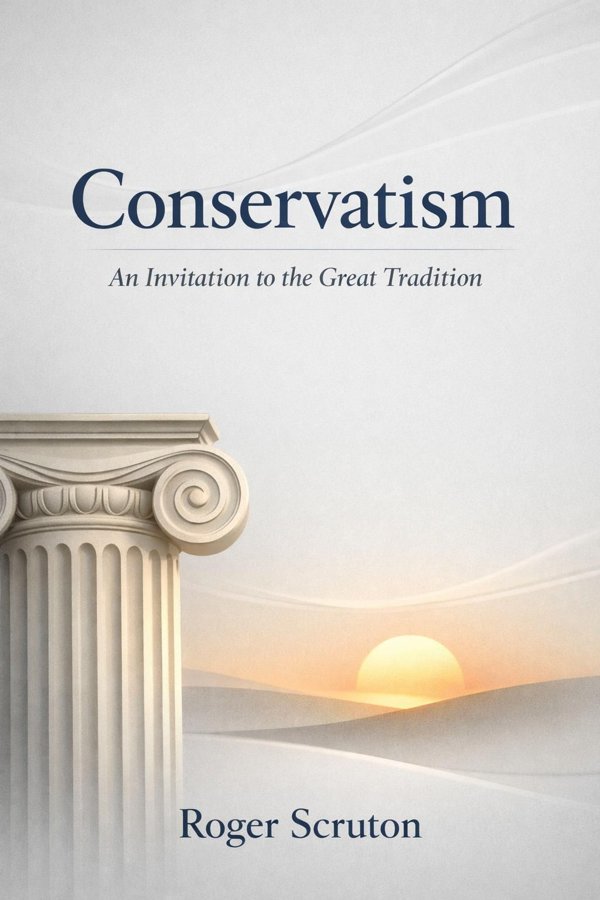
You Might Also Like
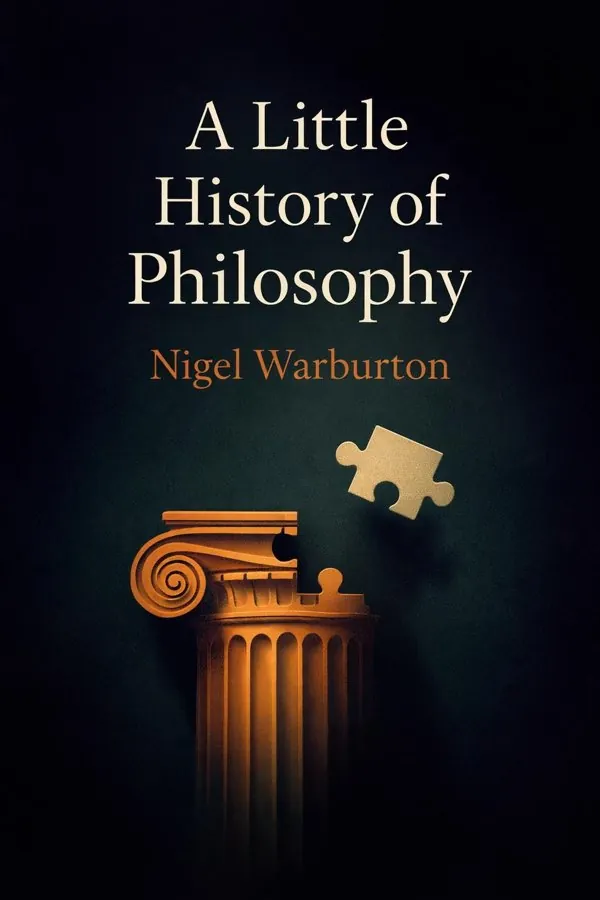
A Little History of Philosophy
Nigel Warburton
10 min
Areopagitica
John Milton
10 min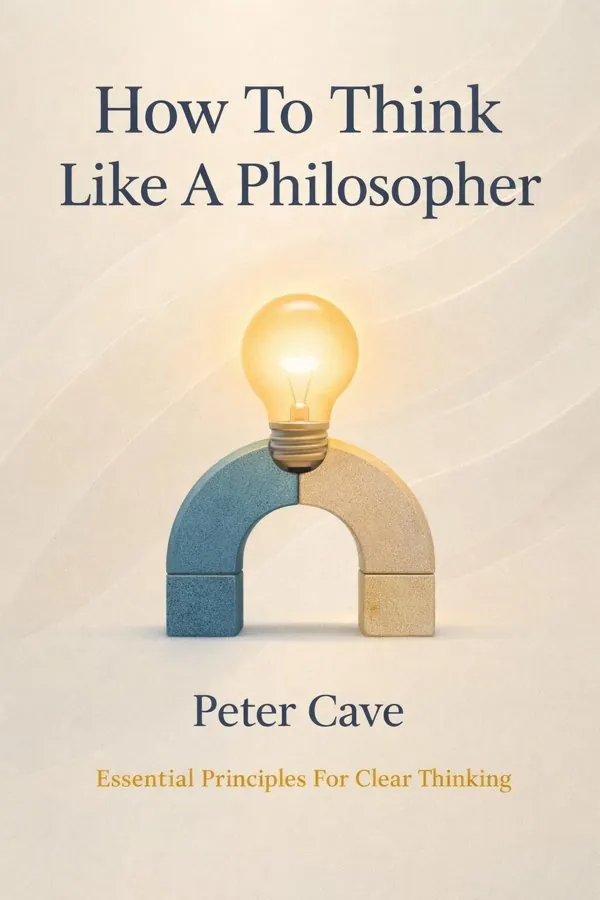
How To Think Like A Philosopher: Essential Principles For Clear Thinking
Peter Cave
10 min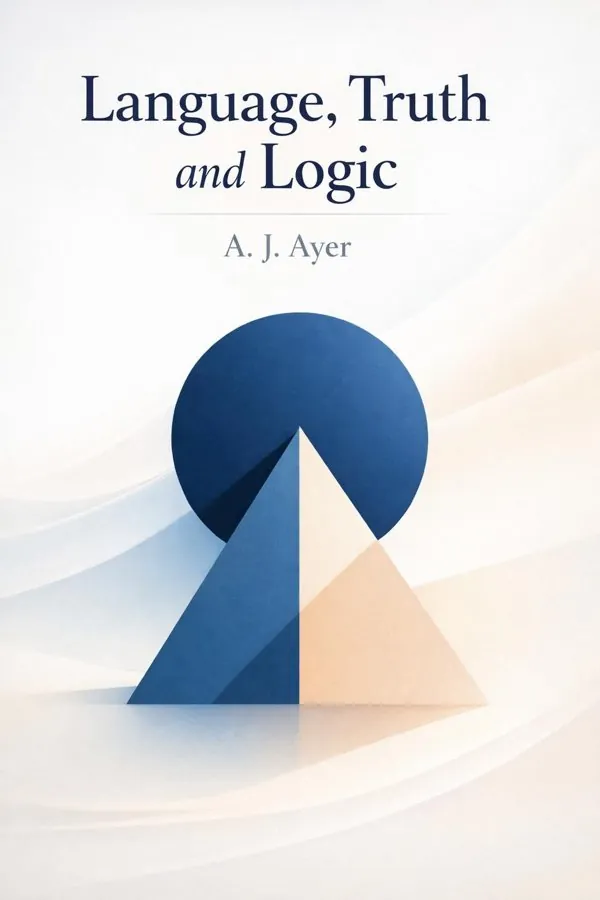
Language, Truth and Logic
A. J. Ayer
10 min
The Age of Reason
Thomas Paine
10 min
The Essays
Michel De Montaigne
10 minBrowse by Category
Ready to read The Soul of the World?
Get the full summary and 100K+ more books with Fizz Moment.