

Roger Scruton Books
Roger Scruton (1944–2020) was a British philosopher, writer, and public intellectual known for his works on aesthetics, political philosophy, and culture. He authored more than fifty books and was one of the most prominent conservative thinkers of his generation.
Known for: Conservatism: An Invitation to the Great Tradition, How To Be A Conservative, On Conservatism: A Collection of Essays, The Soul of the World, The Uses of Pessimism: And the Danger of False Hope
Books by Roger Scruton
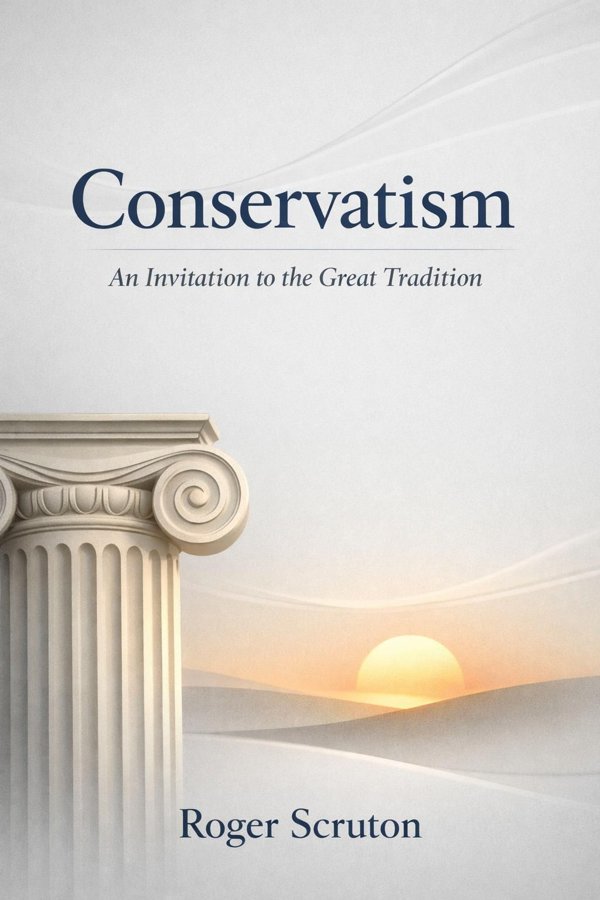
Conservatism: An Invitation to the Great Tradition
Roger Scruton’s Conservatism: An Invitation to the Great Tradition is a lucid and deeply felt defense of the conservative mind. Rather than treating conservatism as mere resistance to change or loyalt...
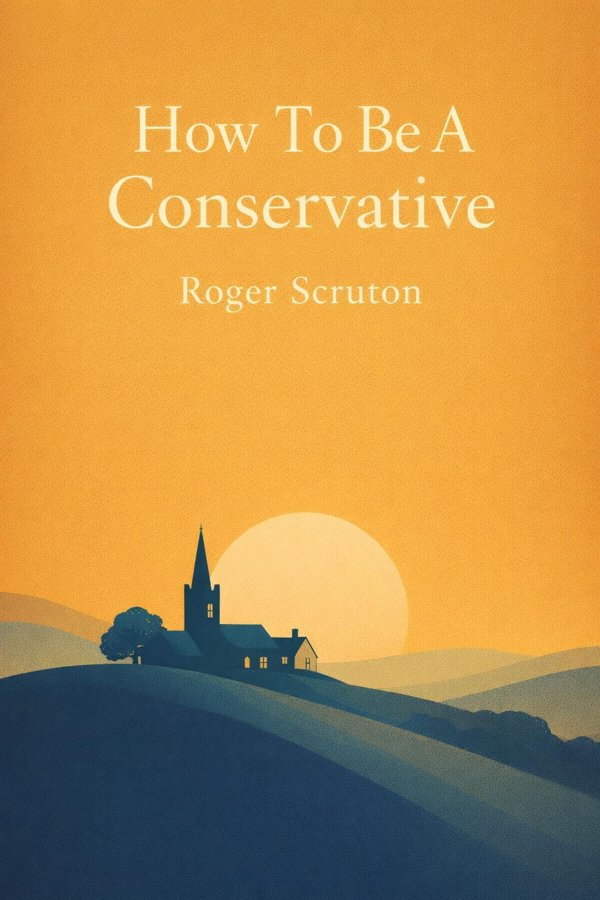
How To Be A Conservative
In this book, British philosopher Roger Scruton presents a thoughtful defense of conservatism as a philosophy rooted in love of home, tradition, and the inherited institutions that sustain social orde...
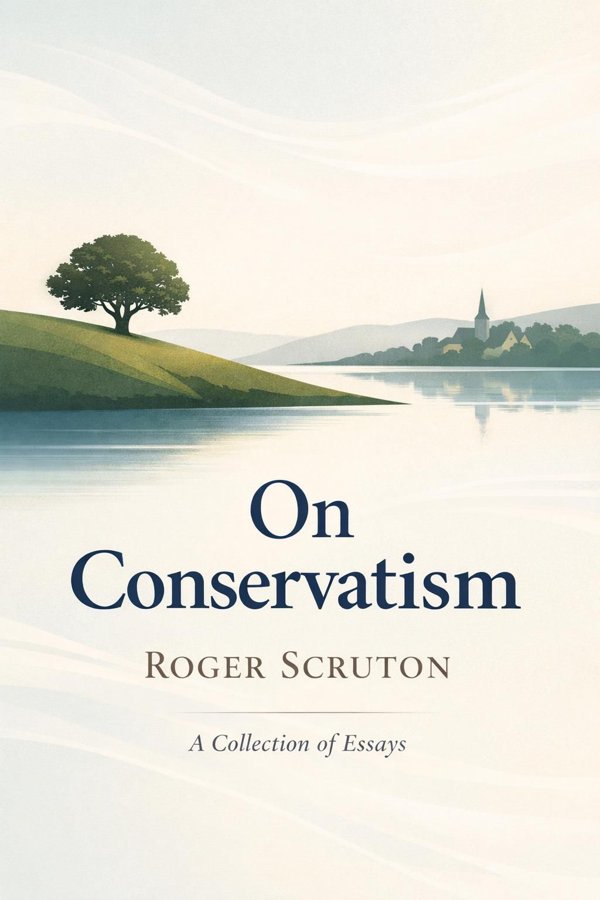
On Conservatism: A Collection of Essays
This collection of essays by British philosopher Roger Scruton explores the intellectual foundations, moral vision, and cultural significance of conservatism. Drawing on political philosophy, history,...
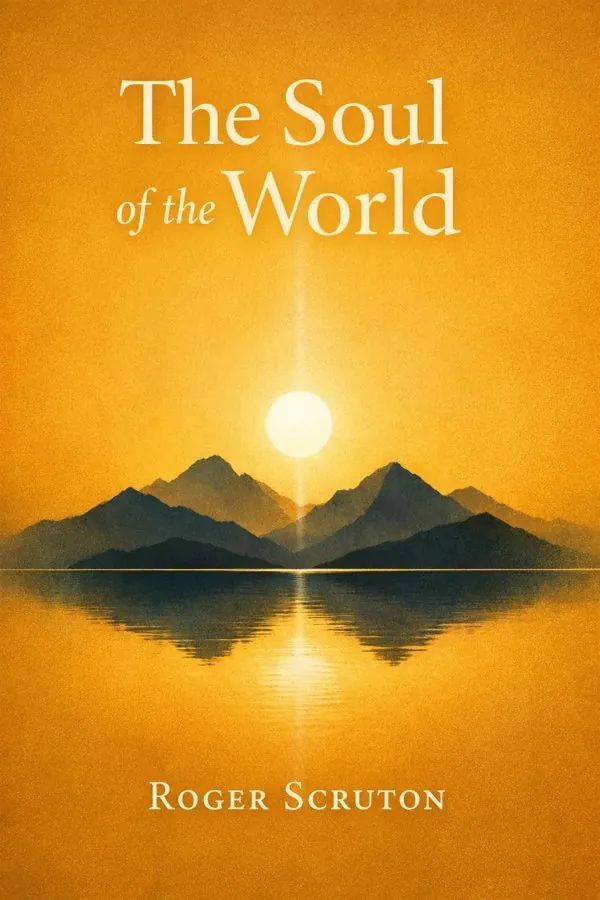
The Soul of the World
In this philosophical work, Roger Scruton explores the human experience of the sacred and the transcendent. He argues that our sense of the sacred is essential to understanding art, morality, and comm...
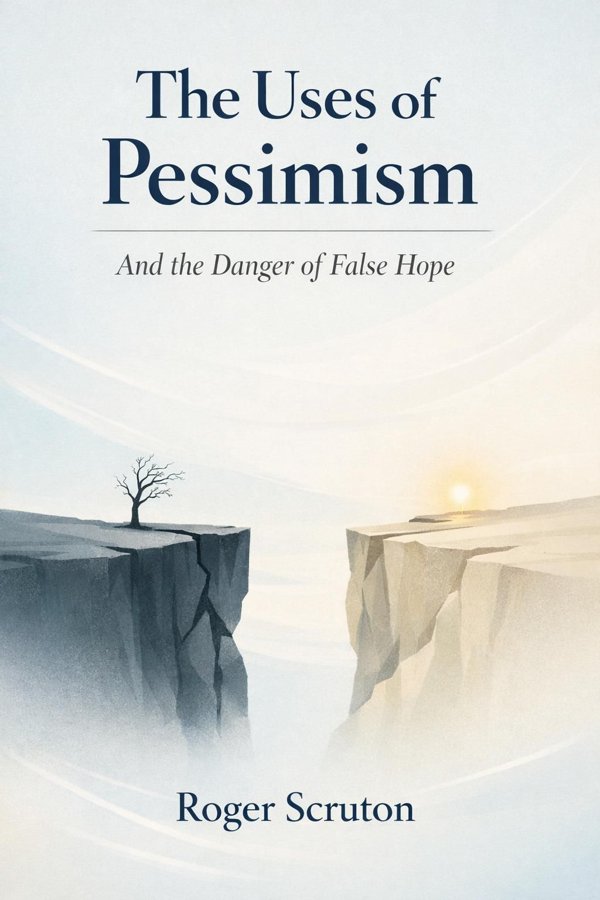
The Uses of Pessimism: And the Danger of False Hope
In this philosophical work, Roger Scruton argues that optimism, when detached from reality, can lead to destructive social and political outcomes. He defends a rational form of pessimism as a necessar...
Key Insights from Roger Scruton
The Origins of the Conservative Temperament
Conservatism begins with a question that modern politics often forgets to ask: what if the social order we inherit contains wisdom that no single generation could invent for itself? Scruton argues that the conservative temperament arose in response to the upheavals of the eighteenth century, especia...
From Conservatism: An Invitation to the Great Tradition
Edmund Burke and the Moral Imagination
A society survives not only by laws and force, but by imagination—the ability to see institutions, duties, and inherited forms as worthy of love. Scruton places Edmund Burke at the center of the conservative tradition because Burke understood that political life depends on sentiments as much as on p...
From Conservatism: An Invitation to the Great Tradition
The Role of Religion and the Sacred
Even in secular societies, people continue to hunger for the sacred. Scruton argues that religion has been central to the conservative tradition not only because of theology, but because it teaches reverence—an attitude of respect toward things that should not be treated as disposable. Conservatism,...
From Conservatism: An Invitation to the Great Tradition
The Idea of the Nation
Freedom is rarely secured in the abstract; it is usually protected within a home. For Scruton, the nation is one of conservatism’s most important concepts because it creates the shared loyalty that allows strangers to accept laws, make sacrifices, and live under common institutions. A nation is not ...
From Conservatism: An Invitation to the Great Tradition
Property, Freedom, and Responsibility
Ownership does more than distribute wealth; it teaches stewardship. Scruton emphasizes property as a core conservative institution because it links freedom with responsibility. To own something—a house, a plot of land, a business, a tool, a family heirloom—is to have a protected sphere in which one ...
From Conservatism: An Invitation to the Great Tradition
The Conservative View of Change
The real political question is not whether society should change, but how. Scruton rejects the caricature that conservatives simply oppose change. Human societies always change, and many traditions survive precisely because they adapt. What conservatism resists is reckless change driven by ideology,...
From Conservatism: An Invitation to the Great Tradition
About Roger Scruton
Roger Scruton (1944–2020) was a British philosopher, writer, and public intellectual known for his works on aesthetics, political philosophy, and culture. He authored more than fifty books and was one of the most prominent conservative thinkers of his generation.


Frequently Asked Questions
Roger Scruton (1944–2020) was a British philosopher, writer, and public intellectual known for his works on aesthetics, political philosophy, and culture. He authored more than fifty books and was one of the most prominent conservative thinkers of his generation.
Read Roger Scruton's books in 15 minutes
Get AI-powered summaries with key insights from 5 books by Roger Scruton.