

The Power of Showing Up: How Parental Presence Shapes Who Our Kids Become and How Their Brains Get Wired: Summary & Key Insights
by Daniel J. Siegel, Tina Payne Bryson
 10 min13 chaptersAudio available
What Is The Power of Showing Up: How Parental Presence Shapes Who Our Kids Become and How Their Brains Get Wired About?
The Power of Showing Up: How Parental Presence Shapes Who Our Kids Become and How Their Brains Get Wired by Daniel J. Siegel, Tina Payne Bryson is a parenting book spanning 13 pages. This book explores how the simple act of being present as a parent profoundly influences a child's emotional development and brain wiring. Drawing on neuroscience and attachment research, Siegel and Bryson explain the four essential components of secure attachment—safe, seen, soothed, and secure—and provide practical guidance for parents to cultivate these qualities in everyday interactions.
This FizzRead summary covers all 13 key chapters of The Power of Showing Up: How Parental Presence Shapes Who Our Kids Become and How Their Brains Get Wired in approximately 10 minutes, distilling the most important ideas, arguments, and takeaways from Daniel J. Siegel, Tina Payne Bryson's work. Also available as an audio summary and Key Quotes Podcast.
The Power of Showing Up: How Parental Presence Shapes Who Our Kids Become and How Their Brains Get Wired
This book explores how the simple act of being present as a parent profoundly influences a child's emotional development and brain wiring. Drawing on neuroscience and attachment research, Siegel and Bryson explain the four essential components of secure attachment—safe, seen, soothed, and secure—and provide practical guidance for parents to cultivate these qualities in everyday interactions.
Who Should Read The Power of Showing Up: How Parental Presence Shapes Who Our Kids Become and How Their Brains Get Wired?
This book is perfect for anyone interested in parenting and looking to gain actionable insights in a short read. Whether you're a student, professional, or lifelong learner, the key ideas from The Power of Showing Up: How Parental Presence Shapes Who Our Kids Become and How Their Brains Get Wired by Daniel J. Siegel, Tina Payne Bryson will help you think differently.
- ✓Readers who enjoy parenting and want practical takeaways
- ✓Professionals looking to apply new ideas to their work and life
- ✓Anyone who wants the core insights of The Power of Showing Up: How Parental Presence Shapes Who Our Kids Become and How Their Brains Get Wired in just 10 minutes
Want the full summary?
Get instant access to this book summary and 100K+ more with Fizz Moment.
Get Free SummaryAvailable on App Store • Free to download
Key Chapters
Attachment theory, pioneered by John Bowlby and expanded through decades of psychological and neurological research, forms the foundation of this book. We explain that every child comes into the world wired for connection. Their brains expect relationship—it’s not optional. From an evolutionary perspective, attachment ensures survival; but in the modern context, it ensures emotional and psychological thriving. When we talk about attachment, we’re not describing indulgent or overprotective parenting, but rather the deep relational bond that tells a child, 'You matter to me, and I’m here for you.'
A child’s earliest experiences—how they are held, comforted, or ignored—create internal working models that shape how they perceive themselves and others. These models become the scaffolding of emotional regulation and relationship skills. A secure attachment communicates that the world is dependable and that emotions are tolerable. Insecure attachment, however, teaches a child to expect chaos, inconsistency, or neglect.
Neuroscience reveals that these early interactions wire core regions of the brain, including the limbic system and prefrontal cortex, which govern emotional intelligence and self-control. When a parent consistently responds, the child’s brain organizes patterns of trust and calm. When the parent is absent or unpredictable, the brain wires itself around hyper-vigilance or withdrawal. The implication is clear: your presence shapes your child’s lifelong capacity for connection and adaptation.
We emphasize that attachment is not about being perfect—it’s about repair and responsiveness. Every moment of connection, every time you meet your child’s emotional need, strengthens the neural pathways for security. Each loving response teaches their brain, 'It’s okay to need; it’s okay to feel; it’s okay to turn to others.'
Over years of research and clinical practice, we’ve distilled secure attachment into four essential experiences—the Four S’s: Safe, Seen, Soothed, and Secure. These are the pillars of emotional health, and they provide a roadmap for parents seeking to nurture connection in everyday life.
Safety means that your child needs both physical and emotional environments free from threat. Seen means that you recognize who your child really is—their feelings, thoughts, and inner experiences—not just their behavior. Soothed means that you respond to distress with calm presence, helping your child regulate emotions that are too big for them to handle alone. Secure is the outcome—the deep, lasting sense that even when life gets chaotic, relationship remains a safe harbor.
These Four S’s are interdependent. When children feel physically and emotionally safe, they can open up and be seen. When they are seen, they trust that their inner life matters. When they are soothed, they internalize the skill of calming themselves. And when these experiences are consistent, they develop security—an integrated sense of self-confidence and emotional resilience.
+ 11 more chapters — available in the FizzRead app
All Chapters in The Power of Showing Up: How Parental Presence Shapes Who Our Kids Become and How Their Brains Get Wired
About the Authors
Daniel J. Siegel, M.D., is a clinical professor of psychiatry at the UCLA School of Medicine and executive director of the Mindsight Institute. Tina Payne Bryson, Ph.D., is a psychotherapist and founder of The Center for Connection in Pasadena, California. Together, they have co-authored several bestselling books on parenting and child development.
Get This Summary in Your Preferred Format
Read or listen to the The Power of Showing Up: How Parental Presence Shapes Who Our Kids Become and How Their Brains Get Wired summary by Daniel J. Siegel, Tina Payne Bryson anytime, anywhere. FizzRead offers multiple formats so you can learn on your terms — all free.
Available formats: App · Audio · PDF · EPUB — All included free with FizzRead
Download The Power of Showing Up: How Parental Presence Shapes Who Our Kids Become and How Their Brains Get Wired PDF and EPUB Summary
Key Quotes from The Power of Showing Up: How Parental Presence Shapes Who Our Kids Become and How Their Brains Get Wired
“Attachment theory, pioneered by John Bowlby and expanded through decades of psychological and neurological research, forms the foundation of this book.”
“Over years of research and clinical practice, we’ve distilled secure attachment into four essential experiences—the Four S’s: Safe, Seen, Soothed, and Secure.”
Frequently Asked Questions about The Power of Showing Up: How Parental Presence Shapes Who Our Kids Become and How Their Brains Get Wired
The Power of Showing Up: How Parental Presence Shapes Who Our Kids Become and How Their Brains Get Wired by Daniel J. Siegel, Tina Payne Bryson is a parenting book that explores key ideas across 13 chapters. This book explores how the simple act of being present as a parent profoundly influences a child's emotional development and brain wiring. Drawing on neuroscience and attachment research, Siegel and Bryson explain the four essential components of secure attachment—safe, seen, soothed, and secure—and provide practical guidance for parents to cultivate these qualities in everyday interactions.
More by Daniel J. Siegel, Tina Payne Bryson
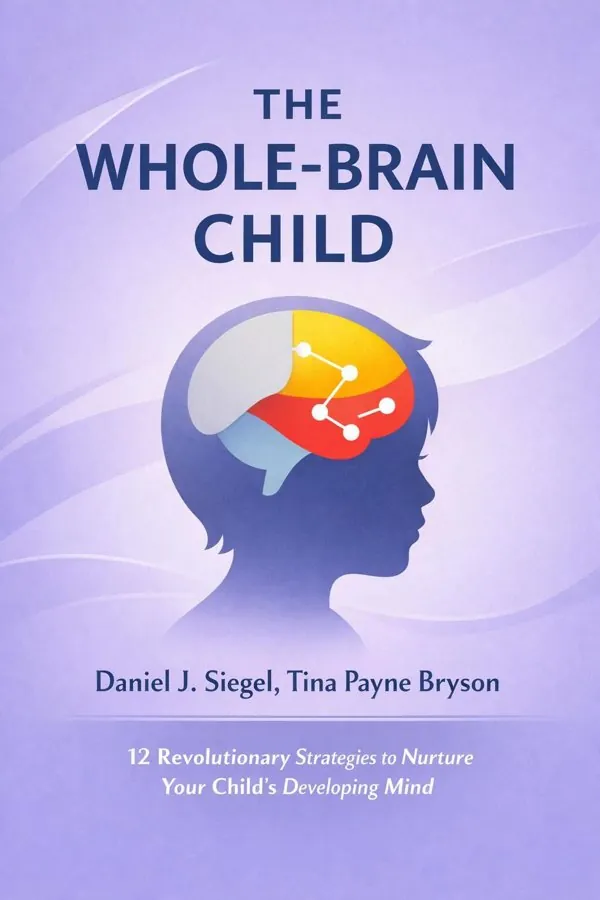
The Whole-Brain Child: 12 Revolutionary Strategies to Nurture Your Child's Developing Mind
Daniel J. Siegel, Tina Payne Bryson
10 min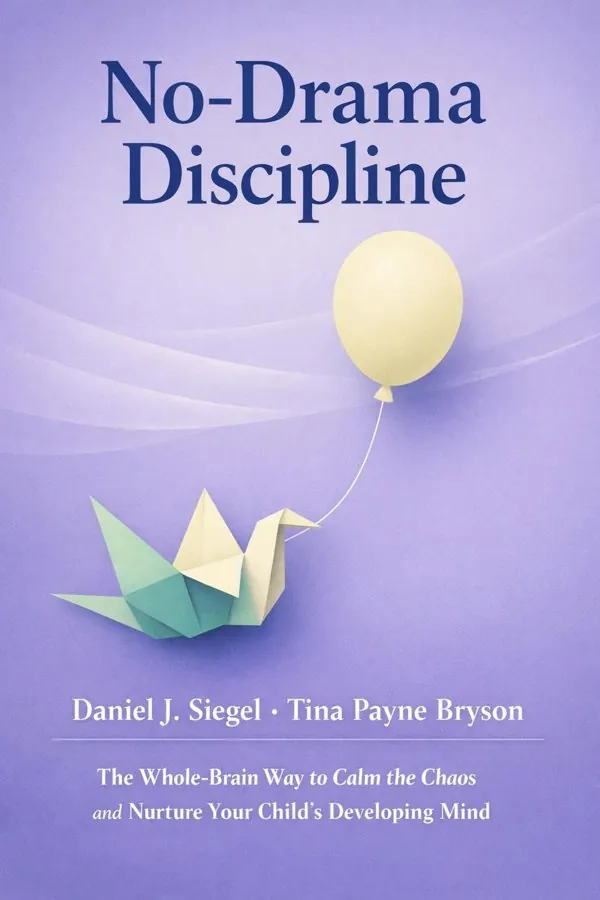
No-Drama Discipline: The Whole-Brain Way to Calm the Chaos and Nurture Your Child's Developing Mind
Daniel J. Siegel, Tina Payne Bryson
10 min
The Yes Brain: How to Cultivate Courage, Curiosity, and Resilience in Your Child
Daniel J. Siegel, Tina Payne Bryson
10 minYou Might Also Like

Never Enough
Jennifer Breheny Wallace
10 min
Bluey: Sleepytime
Joe Brumm
10 min
In My Heart: A Book of Feelings
Jo Witek
10 min
Love From The Crayons
Drew Daywalt, Oliver Jeffers
10 min
Pete The Cat: Big Easter Adventure
James Dean, Kimberly Dean
10 min
Smart Money Smart Kids: Raising the Next Generation to Win with Money
Dave Ramsey, Rachel Cruze
10 minBrowse by Category
Ready to read The Power of Showing Up: How Parental Presence Shapes Who Our Kids Become and How Their Brains Get Wired?
Get the full summary and 100K+ more books with Fizz Moment.