
Tina Payne Bryson Books
Tina Payne Bryson, Ph.
Known for: No-Drama Discipline: The Whole-Brain Way to Calm the Chaos and Nurture Your Child's Developing Mind, The Power of Showing Up: How Parental Presence Shapes Who Our Kids Become and How Their Brains Get Wired, The Whole-Brain Child: 12 Revolutionary Strategies to Nurture Your Child's Developing Mind, The Yes Brain: How to Cultivate Courage, Curiosity, and Resilience in Your Child
Books by Tina Payne Bryson
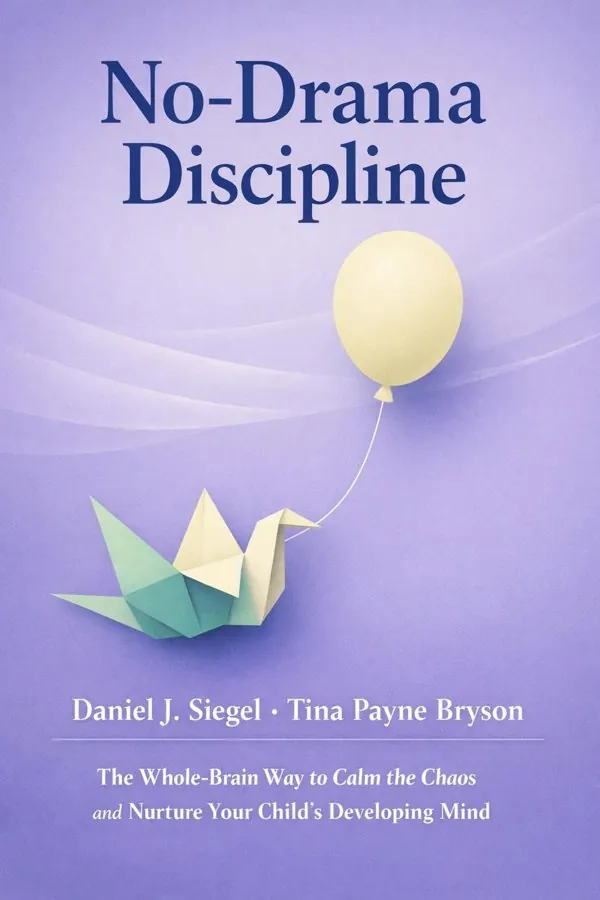
No-Drama Discipline: The Whole-Brain Way to Calm the Chaos and Nurture Your Child's Developing Mind
No-Drama Discipline offers a practical approach to parenting that emphasizes understanding a child's brain development and emotional needs. The authors present strategies to help parents respond to mi...

The Power of Showing Up: How Parental Presence Shapes Who Our Kids Become and How Their Brains Get Wired
This book explores how the simple act of being present as a parent profoundly influences a child's emotional development and brain wiring. Drawing on neuroscience and attachment research, Siegel and B...
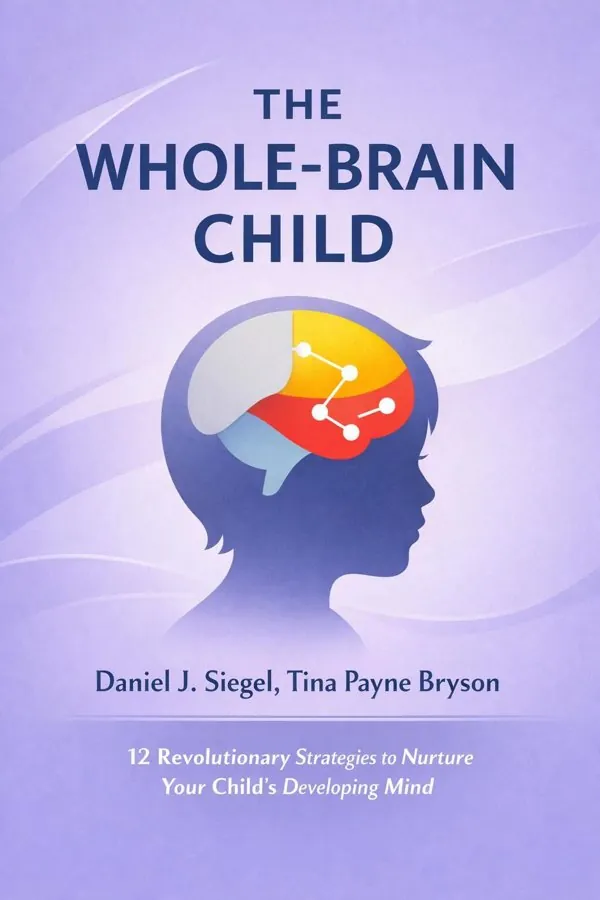
The Whole-Brain Child: 12 Revolutionary Strategies to Nurture Your Child's Developing Mind
This book presents twelve revolutionary strategies to nurture a child's developing mind. Drawing on cutting-edge neuroscience, Daniel J. Siegel and Tina Payne Bryson explain how a child's brain is wir...
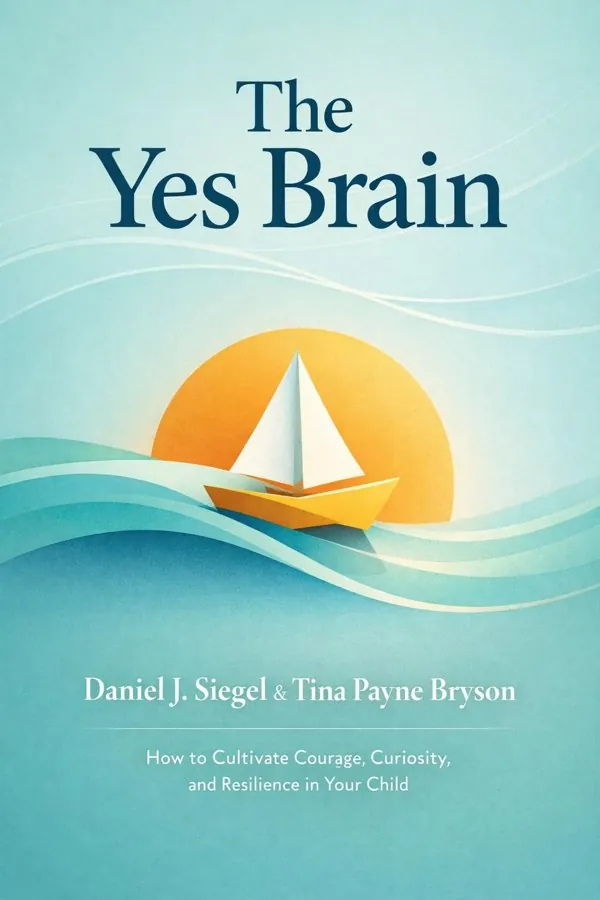
The Yes Brain: How to Cultivate Courage, Curiosity, and Resilience in Your Child
In this insightful guide, Daniel J. Siegel and Tina Payne Bryson explore how parents can help children develop a 'Yes Brain'—a mindset characterized by openness, curiosity, and emotional balance. The ...
Key Insights from Tina Payne Bryson
Connecting Before Correcting: The Foundation of No-Drama Discipline
The central principle of No-Drama Discipline begins with connection. Before correction, before reasoning, before consequences—connection. Neuroscience shows us that when a child’s emotional brain is activated, logical reasoning simply can’t penetrate. The prefrontal cortex—the part responsible for d...
From No-Drama Discipline: The Whole-Brain Way to Calm the Chaos and Nurture Your Child's Developing Mind
Understanding the Developing Brain: The Science Behind Behavior
At the heart of no-drama discipline lies an understanding of the brain. A child’s brain is a work in progress, particularly the connections between the emotional limbic system and the higher-order regions of the prefrontal cortex. These pathways—responsible for impulse control, empathy, and rational...
From No-Drama Discipline: The Whole-Brain Way to Calm the Chaos and Nurture Your Child's Developing Mind
Understanding Attachment
Attachment theory, pioneered by John Bowlby and expanded through decades of psychological and neurological research, forms the foundation of this book. We explain that every child comes into the world wired for connection. Their brains expect relationship—it’s not optional. From an evolutionary pers...
From The Power of Showing Up: How Parental Presence Shapes Who Our Kids Become and How Their Brains Get Wired
The Four S’s Framework
Over years of research and clinical practice, we’ve distilled secure attachment into four essential experiences—the Four S’s: Safe, Seen, Soothed, and Secure. These are the pillars of emotional health, and they provide a roadmap for parents seeking to nurture connection in everyday life. Safety mea...
From The Power of Showing Up: How Parental Presence Shapes Who Our Kids Become and How Their Brains Get Wired
Understanding the Two Brains
Within your child lives a constant dialogue between two sides of the brain: the left and the right hemispheres. The left brain craves order, words, sequences, and logic; the right brain speaks in emotions, images, and the music of tone and gesture. When these two sides work in harmony, the child can...
From The Whole-Brain Child: 12 Revolutionary Strategies to Nurture Your Child's Developing Mind
The Upstairs and Downstairs Brain
Imagine your child’s brain as a two-story house. Downstairs live the basic functions—instinct, survival, and reactivity. This is the lower brain, managing emotion and impulse, ensuring safety and immediate need. Upstairs is where reflection, empathy, and planning reside—the parts that make reason po...
From The Whole-Brain Child: 12 Revolutionary Strategies to Nurture Your Child's Developing Mind
About Tina Payne Bryson
Tina Payne Bryson, Ph.

Frequently Asked Questions
Tina Payne Bryson, Ph.
Read Tina Payne Bryson's books in 15 minutes
Get AI-powered summaries with key insights from 4 books by Tina Payne Bryson.