

The Power Broker: Robert Moses and the Fall of New York: Summary & Key Insights
 10 min13 chaptersAudio available
What Is The Power Broker: Robert Moses and the Fall of New York About?
The Power Broker: Robert Moses and the Fall of New York by Robert A. Caro is a biographies book spanning 13 pages. A monumental biography chronicling the life and influence of Robert Moses, the master builder who shaped modern New York City. Caro explores how Moses wielded immense power without ever holding elected office, transforming the city’s infrastructure while also exposing the social and political costs of his urban vision.
This FizzRead summary covers all 13 key chapters of The Power Broker: Robert Moses and the Fall of New York in approximately 10 minutes, distilling the most important ideas, arguments, and takeaways from Robert A. Caro's work. Also available as an audio summary and Key Quotes Podcast.
The Power Broker: Robert Moses and the Fall of New York
A monumental biography chronicling the life and influence of Robert Moses, the master builder who shaped modern New York City. Caro explores how Moses wielded immense power without ever holding elected office, transforming the city’s infrastructure while also exposing the social and political costs of his urban vision.
Who Should Read The Power Broker: Robert Moses and the Fall of New York?
This book is perfect for anyone interested in biographies and looking to gain actionable insights in a short read. Whether you're a student, professional, or lifelong learner, the key ideas from The Power Broker: Robert Moses and the Fall of New York by Robert A. Caro will help you think differently.
- ✓Readers who enjoy biographies and want practical takeaways
- ✓Professionals looking to apply new ideas to their work and life
- ✓Anyone who wants the core insights of The Power Broker: Robert Moses and the Fall of New York in just 10 minutes
Want the full summary?
Get instant access to this book summary and 100K+ more with Fizz Moment.
Get Free SummaryAvailable on App Store • Free to download
Key Chapters
Robert Moses was born in 1888 into a prosperous, assimilating Jewish-German family at the edge of New Haven’s upper middle class. He grew up in a household that valued both education and moral idealism; his mother, Bella Moses, was fiercely devoted to social reform and imbued in him the conviction that government could be an instrument of justice. From early on, Moses believed in systems—structures of order that, properly designed, could perfect the messy business of human life.
At Yale, he was socially ambitious but never quite accepted by the traditional elite. That slight—a mixture of class snobbery and anti-Semitism—built in him a lifelong desire to overcome and dominate. He distinguished himself academically and went on to Oxford, then to Columbia, absorbing from British civil service theories the belief that a moral, educated bureaucracy could elevate society above the crudeness of politics. These years shaped his disdain for political compromise and sharpened his faith in intellect and plan as the true instruments of progress.
He returned to America armed with an almost missionary zeal: to rationalize government, eliminate graft, and impose efficiency. Yet, as I discovered in my research, his early proposals for civil service reform already carried the seeds of authoritarianism. He wanted to remove political interference from administration—an admirable goal in itself—but his idea of independence meant insulation from oversight. He believed that once a “right” plan was conceived, it must be executed without delay, consultation, or dilution. In this early idealism lay the rigid mindset that would one day pave ten thousand acres of parkland and bury whole neighborhoods under expressways.
When Robert Moses entered public service in the first decades of the twentieth century, government was mired in patronage. Reformers like Governor Al Smith, seeking to clean the system, recognized Moses’s brilliance and enthusiasm. Moses’s first tasks were technical—designing merit systems for hiring and drafting legislation that codified ethical public employment. But legislation required power to enact, and Moses had none. His meticulous plans, his sweeping reforms, his declarations about purifying government—all of them failed because he did not yet understand the language of power.
At that stage, Moses saw politics as inferior to administration. He believed that if a policy was right in principle, it should naturally command obedience. But in the rough-and-tumble world of New York politics, moral righteousness meant nothing without alliances, muscle, and control of the levers that moved money. He suffered humiliating defeats; his bills languished, his positions vanished, and his reform agenda evaporated. Yet, from these failures came his true education. He began to study men the way he had studied institutions—analyzing who could be counted on, who could be bought, who could be threatened. The young scholar evolved into a technician of power.
It was Al Smith who brought him back into the public sphere after one of his collapses. Smith recognized that Moses’s intellect, when properly disciplined, could be harnessed for action. Their partnership—Smith’s political earthiness and Moses’s administrative drive—transformed New York’s governance in the 1920s. Moses learned to mask his disdain for politics behind the role of loyal servant, even as he was building a new conception of authority: the authority of the expert who uses complexity as power’s disguise.
+ 11 more chapters — available in the FizzRead app
All Chapters in The Power Broker: Robert Moses and the Fall of New York
About the Author
Robert A. Caro is an American journalist and biographer known for his meticulous research and narrative style. He has won multiple Pulitzer Prizes for his works, including 'The Power Broker' and his multi-volume biography of Lyndon B. Johnson.
Get This Summary in Your Preferred Format
Read or listen to the The Power Broker: Robert Moses and the Fall of New York summary by Robert A. Caro anytime, anywhere. FizzRead offers multiple formats so you can learn on your terms — all free.
Available formats: App · Audio · PDF · EPUB — All included free with FizzRead
Download The Power Broker: Robert Moses and the Fall of New York PDF and EPUB Summary
Key Quotes from The Power Broker: Robert Moses and the Fall of New York
“Robert Moses was born in 1888 into a prosperous, assimilating Jewish-German family at the edge of New Haven’s upper middle class.”
“When Robert Moses entered public service in the first decades of the twentieth century, government was mired in patronage.”
Frequently Asked Questions about The Power Broker: Robert Moses and the Fall of New York
The Power Broker: Robert Moses and the Fall of New York by Robert A. Caro is a biographies book that explores key ideas across 13 chapters. A monumental biography chronicling the life and influence of Robert Moses, the master builder who shaped modern New York City. Caro explores how Moses wielded immense power without ever holding elected office, transforming the city’s infrastructure while also exposing the social and political costs of his urban vision.
More by Robert A. Caro
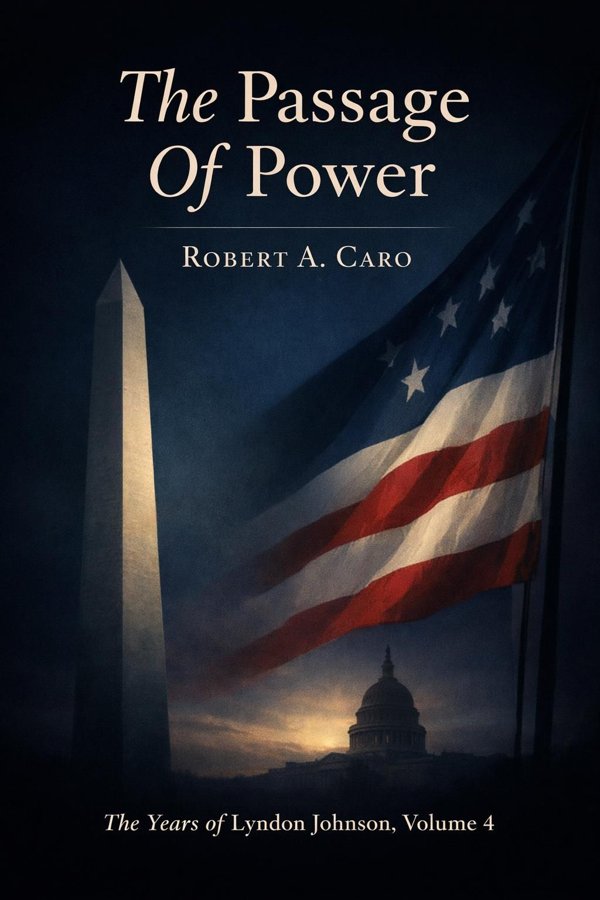
The Passage Of Power: The Years of Lyndon Johnson, Volume 4
Robert A. Caro
10 min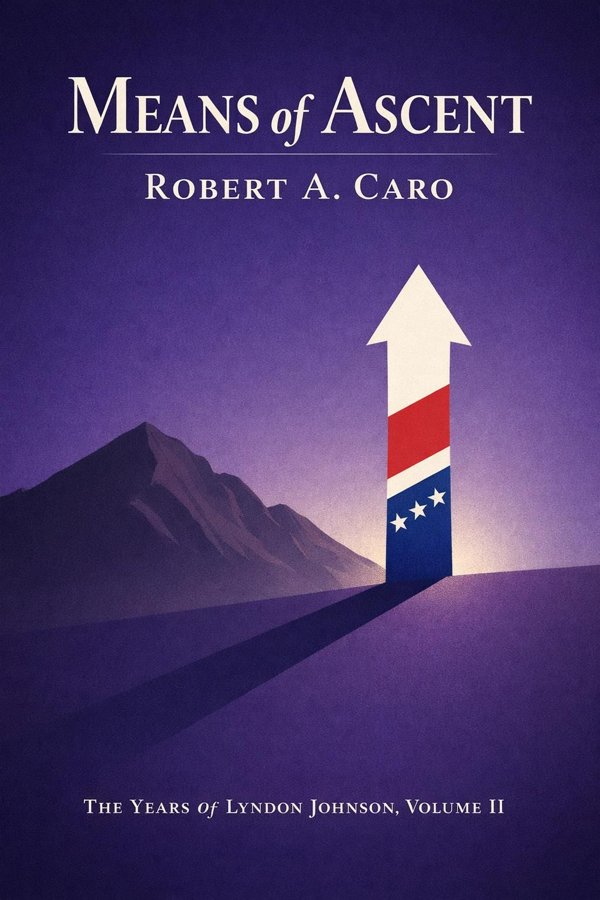
Means of Ascent: The Years of Lyndon Johnson, Volume II
Robert A. Caro
10 min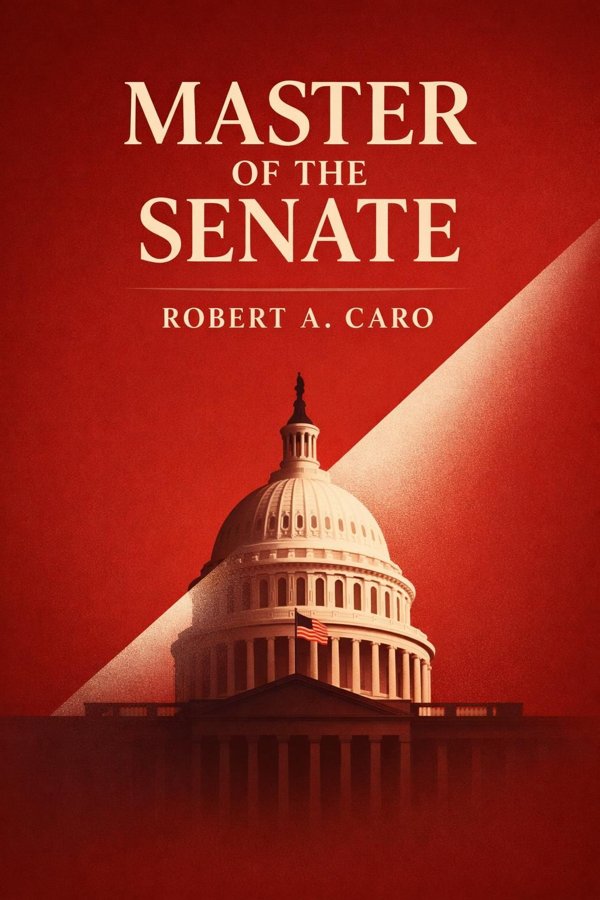
Master of the Senate: The Years of Lyndon Johnson, Volume III
Robert A. Caro
10 min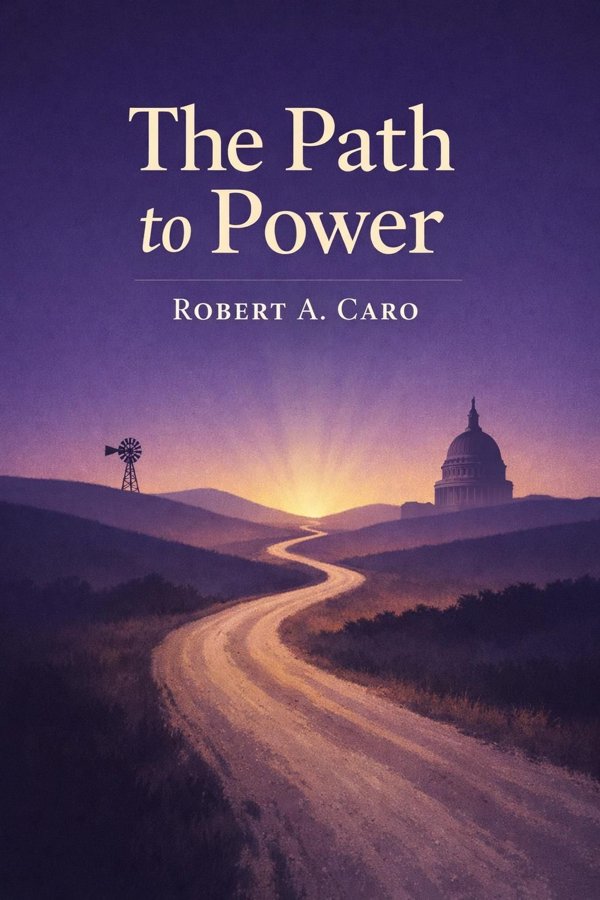
The Path to Power
Robert A. Caro
10 minYou Might Also Like

An American Marriage
Tayari Jones
10 min
Benjamin Franklin: An American Life
Walter Isaacson
10 min
I Know Why The Caged Bird Sings
Maya Angelou
10 min
Long Walk to Freedom
Nelson Mandela
10 min
Persepolis
Marjane Satrapi
10 min
Surely You're Joking, Mr. Feynman!
Richard P. Feynman
10 minBrowse by Category
Ready to read The Power Broker: Robert Moses and the Fall of New York?
Get the full summary and 100K+ more books with Fizz Moment.