
Books That Will Change Your Life — Must-Read List
Some books do more than inform — they transform. These are the books readers credit with changing their perspective, their habits, and their entire life trajectory.

 10 min read
The Four Agreements
by Don Miguel Ruiz
What if much of your stress, shame, conflict, and self-doubt came not from reality itself, but from invisible rules you learned long ago and never questioned? That is the life-changing premise at the heart of *The Four Agreements*. In this modern self-help classic, Don Miguel Ruiz draws on Toltec wisdom to show how people become trapped by limiting beliefs, harsh self-judgment, and fear-based habits—and how they can break free through four simple but demanding practices. The power of the book lies in its clarity: Ruiz does not offer a complicated philosophy or a rigid system, but a practical code for speaking, relating, thinking, and acting with greater awareness. His four agreements—be impeccable with your word, don’t take anything personally, don’t make assumptions, and always do your best—sound simple on the surface, yet they challenge the patterns that drive everyday suffering. Ruiz is best known as a Mexican author and spiritual teacher whose work centers on personal transformation through Toltec-inspired insight. For readers seeking emotional freedom, healthier relationships, and a calmer inner life, *The Four Agreements* remains one of the most accessible and transformative books in the personal growth space.
Key Takeaways
- 1The Domestication of Humans and the Book of Law Within — Ruiz begins by explaining that human beings are “domesticated” in much the same way animals are trained: through reward,…
- 2The First Agreement: Be Impeccable with Your Word — Ruiz describes the word as a creative force. Language shapes identity, influences relationships, and directs attention. …
- 3The Second Agreement: Don’t Take Anything Personally — This agreement is Ruiz’s antidote to one of the most common sources of emotional pain: the belief that other people’s wo…
 10 min read
The Body Keeps the Score
by Bessel van der Kolk
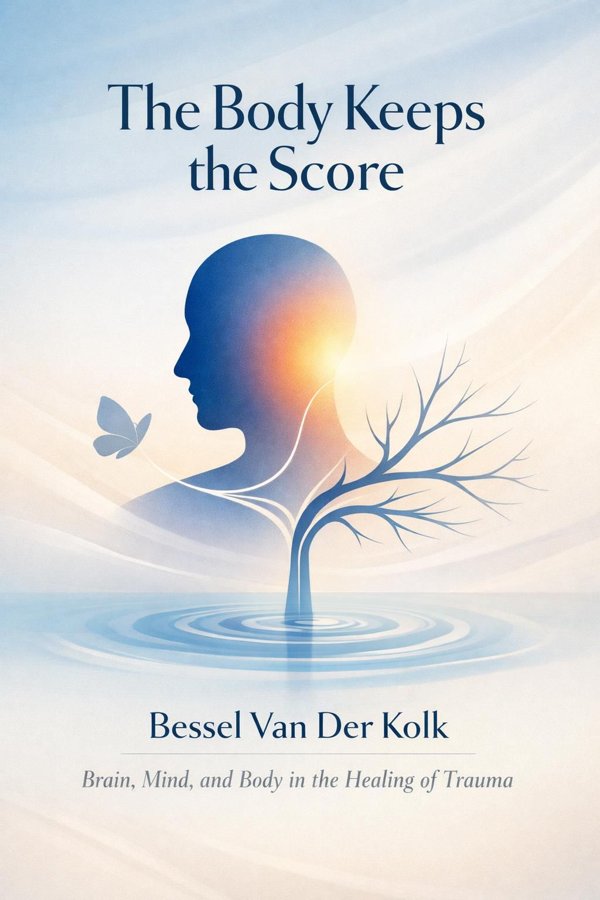
What if trauma is not just something you remember, but something your body continues to live? That is the central, unforgettable insight of *The Body Keeps the Score*. In this influential psychology classic, Bessel van der Kolk explains why traumatic experiences do not simply fade with time or disappear through willpower. Instead, they can reshape the brain, dysregulate the nervous system, and alter how people feel, think, relate, and even move through everyday life. The result is often a life organized around survival rather than presence, trust, or joy. What makes this book so important is that it does more than describe trauma’s damage—it offers a hopeful, science-based map for recovery. Van der Kolk draws on decades of work as a psychiatrist, researcher, and educator, including his experience founding the Trauma Center in Brookline, Massachusetts. With clarity and compassion, he bridges neuroscience, clinical stories, and practical treatment approaches. For readers trying to understand PTSD, childhood abuse, chronic stress, or emotional dysregulation, this book provides both language and direction. It shows that healing is possible, but only when we address the body as seriously as we address the mind.
Key Takeaways
- 1Early Research on Trauma — One of the book’s most powerful contributions is its account of how trauma finally became visible to modern psychiatry. …
- 2The Brain in Trauma — Van der Kolk explains trauma through a clear neurological lens: trauma changes how the brain detects danger, stores memo…
- 3Body–Mind Connection — A central message of *The Body Keeps the Score* is that trauma is not just remembered intellectually—it is carried physi…
 10 min read
Surrounded by Idiots
by Thomas Erikson
What if the most exhausting people in your life are not simply difficult, dramatic, or “high maintenance,” but operating from a deep need for admiration and control? That question sits at the heart of this book summary. In this follow-up to the international bestseller *Surrounded by Idiots*, Thomas Erikson turns his attention to narcissism: how to spot it, how it distorts communication, and how to protect yourself without losing your calm, confidence, or compassion. This matters because narcissistic behavior doesn’t stay confined to extreme cases. It can show up in bosses who steal credit, partners who rewrite every argument, friends who make everything about themselves, and colleagues who thrive on attention while draining the room. Erikson brings to the topic the same accessible, practical style that made his earlier work so widely read. As a Swedish author, lecturer, and behavioral expert with more than two decades of experience in leadership development and interpersonal effectiveness, he focuses less on labels and more on patterns you can actually recognize in daily life. Using his familiar color model, he helps readers understand why narcissists can seem charming at first, why they affect different personalities in different ways, and what concrete steps you can take to avoid being manipulated. The result is a highly usable guide to clearer boundaries, steadier communication, and stronger self-protection.
Key Takeaways
- 1Understanding Narcissism in Modern Society — Every era creates its own social pressures, but modern life gives narcissistic behavior an unusually fertile environment…
- 2The Color Model and the Narcissistic Personality — One of Erikson’s most useful tools is the behavioral color model, which groups communication styles into four broad tend…
- 3The Manipulation Game: Charm, Control, and Exploitation — Narcissistic manipulation rarely begins with obvious cruelty. It often starts with charm, intensity, and the feeling tha…
 10 min read
Can't Hurt Me
by David Goggins
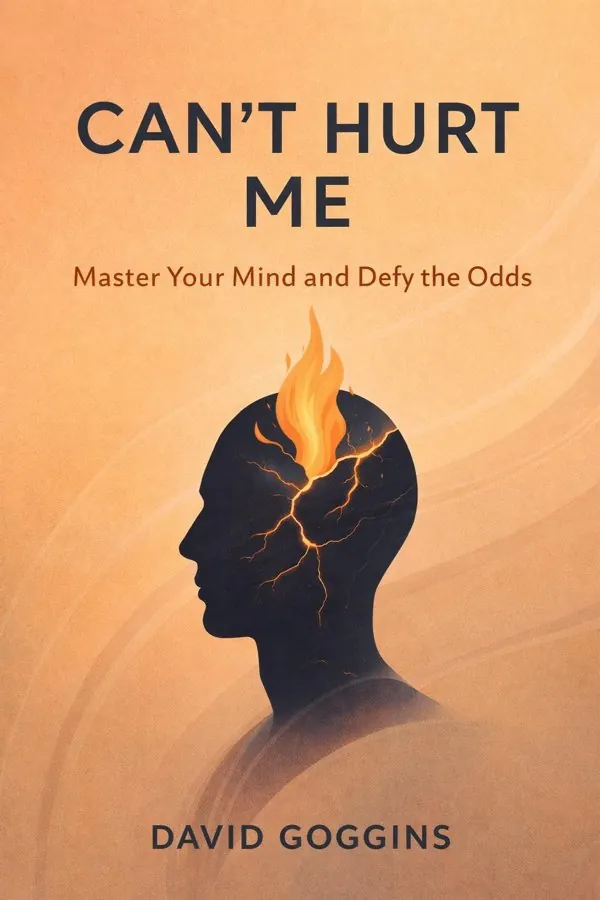
What if the life you’ve been given—your trauma, your failures, your fear, your self-doubt—could become the raw material for an extraordinary transformation? That’s the question at the heart of Can't Hurt Me, David Goggins’s intensely personal memoir and mindset manual. More than a story about military achievement or athletic endurance, this book is a challenge to anyone who has ever felt stuck, broken, or limited by their past. Goggins takes readers through a life marked by abuse, racism, poverty, obesity, and hopelessness, then shows how he rebuilt himself through radical accountability, discipline, and a willingness to embrace discomfort. What makes this book matter is its refusal to offer easy inspiration. Goggins doesn’t sell positive thinking or quick fixes. Instead, he argues that growth begins when we stop negotiating with ourselves and start confronting the truths we’d rather avoid. As a retired U.S. Navy SEAL, ultramarathon runner, triathlete, and motivational speaker, he writes from lived experience, not theory. Can't Hurt Me resonates because it turns resilience into a practice. It’s a wake-up call for readers who want more than motivation—they want proof that the mind, when trained, can push far beyond what most people believe is possible.
Key Takeaways
- 1Early Life and Childhood Shaped by Adversity — Goggins’s early life is the emotional bedrock of Can't Hurt Me. He grew up in an abusive home where violence, fear, and …
- 2Struggles with Obesity and Hopelessness — After escaping his father’s house, Goggins did not immediately step into freedom or confidence. Instead, he entered a di…
- 3Turning Point: The Decision to Change — The real turning point in Can't Hurt Me is not a medal, a race, or military success—it is the moment Goggins decides he …
 10 min read
Man's Search for Meaning
by Viktor Frankl
What keeps a person going when everything familiar has been taken away—comfort, identity, loved ones, freedom, and even the expectation of tomorrow? That is the unbearable and essential question at the heart of *Man's Search for Meaning*. Viktor E. Frankl’s landmark book is far more than a Holocaust memoir. It is a profound study of human endurance, an examination of suffering, and a practical philosophy for anyone trying to live with purpose in hard times. Drawing on his experiences in Nazi concentration camps, Frankl explores how people respond when life is reduced to its barest terms and why some still manage to preserve dignity, hope, and inner freedom. What makes this book endure is that Frankl does not offer empty inspiration. He writes as an Austrian neurologist, psychiatrist, and Holocaust survivor who later developed logotherapy, a school of psychotherapy centered on meaning as the primary human motivation. His insight is simple but life-changing: even when we cannot change our circumstances, we can still choose our response. That idea has made this book one of the most influential works in psychology and self-help, especially for readers facing grief, burnout, uncertainty, or the quiet fear that life has lost direction.
Key Takeaways
- 1The Shock of Arrival and the Dehumanization of Camp Life — When Frankl first arrived at Auschwitz, the destruction of the self began immediately. The process was systematic: priso…
- 2Emotional Detachment and the Apathy that Defines Survival — After the first shock came a second psychological stage: apathy. Frankl shows that this numbness was not indifference in…
- 3Moral Choice and Inner Freedom in the Midst of Suffering — One of the book’s most powerful claims is that even under extreme oppression, a human being retains a final freedom: the…
 10 min read
Meditations
by Marcus Aurelius
What does it mean to stay calm, just, and fully human in a world full of pressure, conflict, ego, and loss? That is the enduring question at the heart of Meditations, the private journal of Roman emperor Marcus Aurelius. Written in Greek and never intended for publication, these reflections are not polished philosophy lectures. They are personal reminders from one of the most powerful men in the world trying to govern not only an empire, but also his own mind. That tension is exactly why this book still matters. Meditations remains one of the clearest guides to Stoic philosophy because it speaks directly to everyday struggles: dealing with difficult people, accepting change, resisting vanity, and acting with integrity when no one is watching. Marcus Aurelius is remembered as both a Roman emperor and a Stoic philosopher, a rare figure often described as a philosopher-king. His reflections on virtue, discipline, mortality, and inner peace have influenced readers for centuries. If you want practical wisdom rather than abstract theory, Meditations offers a deeply human blueprint for living with clarity, resilience, and moral purpose.
Key Takeaways
- 1Book I: Lessons from Those Who Shaped Me — The opening book of Meditations is an extraordinary act of gratitude. Instead of launching into abstract arguments, Marc…
- 2Book II: Accepting Fate and Living Rationally — Book II opens with one of the most quoted passages in Stoic philosophy: a morning reminder that we will meet interfering…
- 3Book III: Integrity Beyond Fame — In Book III, Marcus Aurelius turns his attention to time, mortality, and the danger of living for approval. He reminds h…
 10 min read
The Mountain Is You
by Brianna Wiest
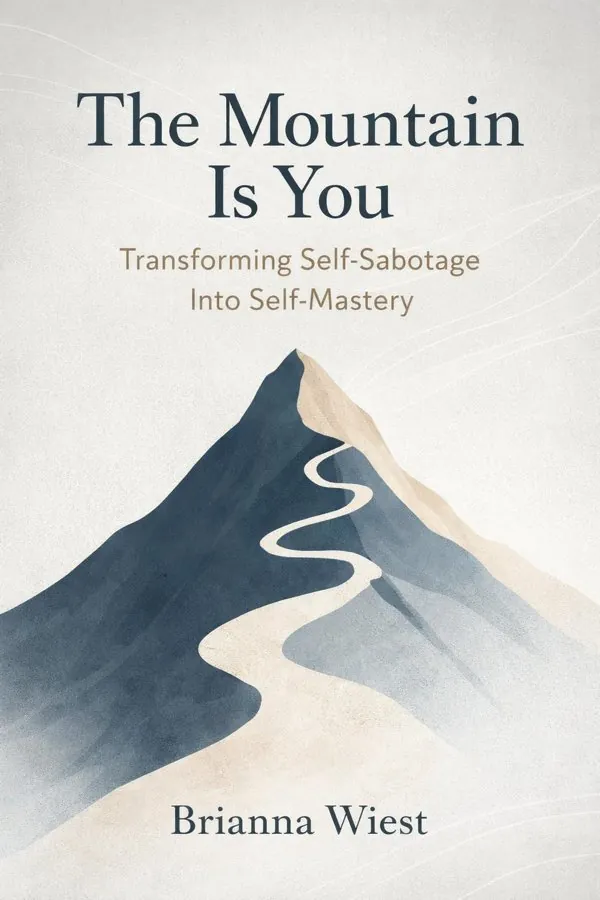
Why do people so often become the very thing standing in their own way? That is the central question at the heart of The Mountain Is You, a self-help book about self-sabotage, emotional healing, and personal transformation. Brianna Wiest explores the uncomfortable truth that many of our biggest obstacles are not external circumstances, but the internal patterns we repeat without realizing it. Fear, avoidance, perfectionism, emotional reactivity, and limiting beliefs can quietly shape our decisions until we feel stuck in a life we say we want to change. Wiest argues that these patterns are not signs that we are broken. They are signals that unresolved needs, pain, and internal conflict are asking to be understood. This perspective makes the book especially powerful: instead of shaming readers for procrastinating, overthinking, or holding themselves back, it helps them decode why those behaviors exist in the first place. Known for writing about emotional intelligence, mindfulness, and self-development, Wiest offers an accessible guide to turning inner resistance into self-mastery. The result is a compassionate roadmap for anyone ready to stop fighting themselves and start growing with intention.
Key Takeaways
- 1Part One: Recognizing Self-Sabotage — One of the most important ideas in The Mountain Is You is that self-sabotage is rarely random. It is usually a protectiv…
- 2Part Two: Understanding Inner Conflict — Wiest explains that many people live with an internal split: one part wants growth, love, success, or peace, while anoth…
- 3Part Three: Facing Pain and Fear — A major turning point in personal growth comes when we stop organizing our lives around avoiding pain. Wiest suggests th…
 10 min read
Emotional Intelligence
by Daniel Goleman
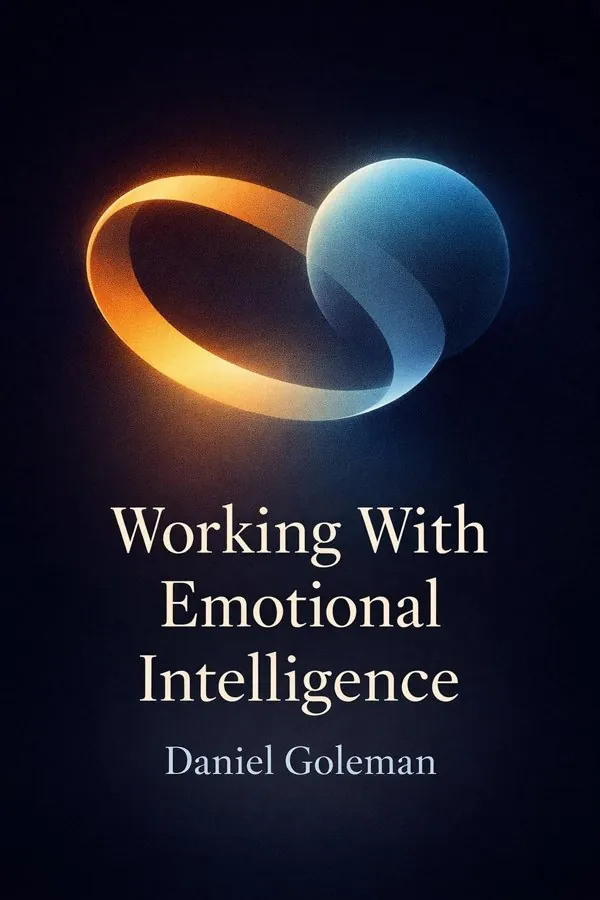
Why do some brilliant people stall in their careers while others with only average technical ability become trusted leaders, strong collaborators, and top performers? Daniel Goleman’s Emotional Intelligence answers that question by shifting the focus from raw IQ to the human abilities that shape success at work. In this influential follow-up to his original work on emotional intelligence, Goleman shows that professional excellence depends not just on what you know, but on how well you understand yourself, manage your reactions, read other people, and build productive relationships. Drawing on research from psychology, neuroscience, and organizational behavior, Goleman argues that workplace performance is deeply tied to five core capacities: self-awareness, self-regulation, motivation, empathy, and social skills. These are not vague personality traits or feel-good ideals. They are measurable competencies that affect hiring, leadership, teamwork, customer relationships, and organizational culture. The book matters because it challenges one of the most common myths in business: that technical competence alone creates success. Goleman, an American psychologist, science journalist, and former New York Times writer best known for his work on emotional intelligence, makes a compelling case that EQ is often the hidden advantage behind influence, resilience, and long-term career growth.
Key Takeaways
- 1The New Yardstick — One of Goleman’s most powerful arguments is that the old way of judging talent is incomplete. For years, organizations t…
- 2The Emotional Competence Framework — Goleman makes emotional intelligence practical by breaking it into five core dimensions: self-awareness, self-regulation…
- 3Self-Awareness — Self-awareness is the foundation of emotional intelligence because you cannot manage what you do not notice. Goleman des…
 10 min read
Mindset
by Carol Dweck
Why do some people bounce back from failure, while others shut down after one setback? Why do certain students, athletes, and professionals keep improving long after their early talent stops carrying them? In Mindset, psychologist Carol S. Dweck offers a powerful answer: the stories we tell ourselves about ability shape nearly everything we do. At the center of the book is a simple but life-changing distinction between a fixed mindset—the belief that intelligence, talent, and character are largely set—and a growth mindset, the belief that these qualities can be developed through effort, strategy, and feedback. That idea sounds straightforward, but its implications are profound. It affects how we handle criticism, how we parent, how we teach, how we lead, and even how we love. Drawing on decades of research in motivation and personality, Dweck shows that success is not just about natural gifts. It is also about how people interpret challenge, effort, and failure. This book matters because it replaces the myth of effortless genius with a more hopeful, practical truth: people can change, improve, and become more capable over time.
Key Takeaways
- 1The Nature of Mindset: Fixed versus Growth — From childhood onward, people absorb beliefs about what ability means. A child who hears “You’re so smart” may start to …
- 2Inside the Fixed Mindset: The Need to Prove — The fixed mindset often hides behind ambition. On the surface, it can look like confidence, high standards, or competiti…
- 3Discovering the Growth Mindset: The Power to Develop — The growth mindset is not blind optimism or the idea that anyone can become anything overnight. It is a practical belief…
 10 min read
Attached
by Amir Levine
Why do some relationships feel calm, safe, and nourishing while others leave you second-guessing every text, every pause, and every shift in tone? In Attached, Amir Levine and Rachel S. F. Heller offer a clear, research-based answer: much of our romantic behavior is driven by attachment style. The book takes a concept once associated mainly with childhood development and shows how powerfully it shapes adult love, dating, conflict, trust, and commitment. That alone makes this book deeply useful—but what makes it especially valuable is how practical it is. Rather than reducing relationship struggles to vague compatibility issues, it helps readers identify recurring patterns and understand why they keep happening. Levine, a psychiatrist and neuroscientist at Columbia University, brings clinical and scientific depth to the subject, while Heller adds a grounded, accessible perspective on relationships and behavior. Together, they explain how secure, anxious, and avoidant attachment styles influence the way we seek closeness, react to distance, and communicate needs. Whether you are dating, in a long-term partnership, recovering from heartbreak, or simply trying to understand yourself better, Attached gives you a smarter framework for building healthier, more fulfilling relationships.
Key Takeaways
- 1The Origins of Adult Attachment: Where Science Meets Emotion — Attachment theory began with John Bowlby’s insight that human beings are wired to seek closeness to trusted others, espe…
- 2The Three Styles: Secure, Anxious, and Avoidant — Attached explains that most adults lean toward one of three attachment styles: secure, anxious, or avoidant. Secure peop…
- 3When Attachment Styles Collide: The Dynamics of Intimacy — One of the most useful ideas in Attached is that relationships are shaped not just by your attachment style, but by the …
 10 min read
Why Does He Do That
by Lundy Bancroft
Why do some partners seem loving, attentive, and even remorseful one day, then cruel, controlling, or frightening the next? That painful question sits at the heart of Why Does He Do That by Lundy Bancroft, a counselor known for his long-term work with abusive men and survivors of domestic abuse. Rather than treating abuse as a mystery caused by stress, anger, or a “difficult relationship,” Bancroft argues that abusive behavior follows a pattern. It is rooted in beliefs about entitlement, power, and control. What makes this book so important is its clarity. Many people trapped in abusive relationships spend years doubting themselves, minimizing what happened, or hoping the right conversation will finally make things better. Bancroft cuts through that confusion. He explains how abuse can be verbal, emotional, psychological, financial, sexual, or physical—and why it so often leaves victims feeling disoriented and responsible for problems they did not create. This is not just a book about identifying abusive men. It is a practical guide to understanding manipulation, spotting warning signs, evaluating whether change is real, and reclaiming trust in your own judgment. For readers seeking answers, safety, or language for what they have endured, this book remains deeply relevant.
Key Takeaways
- 1The Mindset of the Abusive Man — At the center of Bancroft’s argument is a hard but liberating truth: abuse is not mainly driven by uncontrollable anger.…
- 2Common Myths About Abusive Men — One reason abuse is so widely misunderstood is that popular culture offers comforting myths instead of accurate explanat…
- 3The Different Types of Abusive Men — Bancroft emphasizes that abusive men are not all the same. While the underlying drive for control may be similar, the st…
 10 min read
Women Who Run with the Wolves
by Clarissa Pinkola Estés
When I speak of the Wild Woman, I am invoking an ancient, instinctual force that lies beneath the surface of every woman’s life. She is not a metaphor of rebellion nor a myth for escapism, but a living archetype—the pulse that connects you with the deep feminine knowing, the wolfish intuition that once guided all women before civilization taught them to forget their own scent. *Women Who Run With the Wolves* is my invitation to remember. Imagine standing at the edge of a forest at night, hearing a distant howl. You might feel both fear and longing, because that sound belongs to a part of you that has waited too long to return home. The Wild Woman archetype represents that home—the psychic territory of instinct, creativity, and knowing. Every folk tale and myth I explore in this book offers a map leading back to her. Yet her presence has been heavily suppressed. Modern culture teaches women to be nice, efficient, and productive but not wild, instinctual, or deeply creative. This suppression is not accidental—it serves the smooth functioning of society and commercial life, which depends on women disconnecting from their untamed source of wisdom. The Wild Woman is unpredictable; she loves fiercely, hungers deeply, creates for the sake of creation. When disconnected from her, a woman begins to live a half-life, one that feels domesticated, obedient, and hollow. Through myths, legends, and fairy tales from many cultures, I explore how women can reawaken this force within themselves. Each story—whether it is *La Loba*, who sings bones back to life, or *Vasalisa*, who learns to trust her intuition—serves as a psychological compass. These tales were never mere entertainment; they were lessons encoded in the language of symbols. They carry instructions on how to survive psychic starvation, how to heal the creative soul, how to honor grief and death so that new life may begin. This is not a book of quick answers but of deep remembering. You will feel the dust of forgotten paths and the scent of rain on wild earth. You will meet women in stories who lost their hands, their shoes, their voices—and through them, you will learn how to reclaim your own lost parts. What’s in it for you? The remembrance that your own instincts are sacred, that within you lives a bone collector, a truth teller, a creator who does not ask permission to be whole. As you read, consider yourself a participant in an ancient gathering where wisdom is transmitted through story. Every chapter is an act of homecoming, and by the end, you will no longer simply read about the Wild Woman—you will hear her breathing within you.
Key Takeaways
- 1La Loba: Reclaiming the Bones of the Wild Self — La Loba, or The Wolf Woman, is the mythic guardian of women’s wild souls. She wanders the desert, collecting bones—the r…
- 2Bluebeard: Seeing and Knowing the Predator Within — Every woman carries within her psyche a hidden predator—a destructive force that seeks to silence intuition and curiosit…
- 3Vasalisa the Wise: Intuition as Sacred Guidance
 10 min read
12 Rules for Life
by Jordan Peterson
Why did 12 Rules for Life become such a widely discussed self-help book? Because it speaks to a problem many people feel but struggle to name: modern life often feels unstable, fragmented, and full of noise. In response, Jordan B. Peterson offers a framework built around responsibility, honesty, discipline, and meaning. Rather than promising easy happiness or quick fixes, the book argues that a good life is created by how we meet suffering, uncertainty, and everyday choices. Peterson, a Canadian clinical psychologist, draws from psychology, mythology, religion, and personal observation to present twelve rules that are both practical and philosophical. Some sound simple on the surface—stand up straight, tell the truth, be precise in your speech—but each points to a deeper principle about character and how order is built in the middle of chaos. That blend of everyday advice and big-picture thinking is what gives the book its lasting appeal. For readers looking for a summary of 12 Rules for Life, the central message is clear: meaning grows when you take yourself seriously, act responsibly, and choose what is right over what is merely convenient.
Key Takeaways
- 1Rule 1 – Stand up straight with your shoulders back — This rule is about far more than posture. Peterson uses the image of lobsters and dominance hierarchies to argue that co…
- 2Rule 2 – Treat yourself like someone you are responsible for helping — Many people are kinder, more organized, and more reliable when caring for others than when caring for themselves. They r…
- 3Rule 3 – Make friends with people who want the best for you — The people around you shape your standards, moods, habits, and sense of possibility. Peterson’s warning here is simple: …
 10 min read
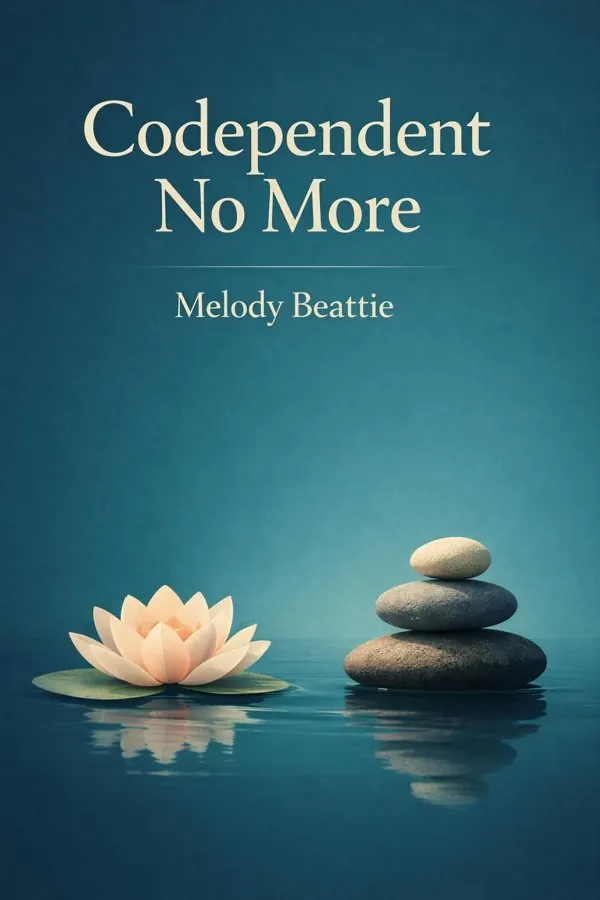
Codependent No More
by Melody Beattie
When I wrote *Codependent No More*, I wasn’t simply trying to put a label on pain. I wanted to give a voice to those of us who had spent our lives believing that our worth came only from fixing, pleasing, or rescuing others. Perhaps you have felt that same exhaustion — always providing, always controlling, always hoping that if you could hold everyone else together, you might finally feel safe yourself. But the truth is that codependency is a slow erosion of the self, and the journey of recovery begins when you recognize that your own healing matters just as much as anyone else’s. The idea of codependency as I present it in this book grew out of my own experience working with people who lived in the long shadows of addiction — family members who had learned to survive by caretaking, controlling, and blaming themselves for things they didn’t cause and couldn’t cure. My own life had been marked by that same compulsion: to monitor, manage, and manipulate the pain of others while quietly abandoning myself. I began to see that codependency wasn’t just about addiction; it was a broader relational pattern, a belief that we must sacrifice ourselves for love or peace. What’s in this book for you is liberation — the kind that comes when you learn to separate your own identity from the chaos around you. Each chapter is an invitation to return home to yourself, to let go of guilt, fear, and control, and to rediscover joy in simply being who you are. We can learn to detach with love, to give without losing ourselves, and to care without controlling. Recovery is possible. And it begins, always, with the radical act of turning inward and saying: my life is my own.
Key Takeaways
- 1Understanding Codependency and Its Origins — When I first began to use the term codependency, many people resisted it. They thought it applied only to families of al…
- 2The Emotional Core of Codependency — At the heart of codependency lies a storm of emotions — guilt for wanting more, fear of being abandoned, and self-doubt …
- 3Choosing Self-Care and Healthy Boundaries
 10 min read
Daring Greatly
by Brené Brown
What if the qualities you’ve been taught to hide—uncertainty, emotion, risk, and the fear of being judged—are actually the gateway to a better life? In *Daring Greatly*, Brené Brown makes a bold and deeply practical case that vulnerability is not weakness but the foundation of courage, connection, creativity, and leadership. This idea matters because so many people spend their lives trying to appear composed, competent, and in control, only to feel disconnected, exhausted, and unseen. Brown’s research-driven approach cuts through self-help clichés and gives language to experiences many people have felt but struggled to name: shame, perfectionism, scarcity, and emotional armoring. As a research professor at the University of Houston known for her work on vulnerability, shame, courage, and empathy, Brown brings both credibility and compassion to the subject. *Daring Greatly* is important because it doesn’t simply ask readers to “open up.” It shows how vulnerability changes the way we love, parent, lead, create, and recover from failure. If you’ve ever wanted deeper relationships, more meaningful work, or the courage to show up as your real self, this book offers a powerful roadmap.
Key Takeaways
- 1The Vulnerability Myth — One of the book’s central arguments is that vulnerability has been misunderstood. Most people hear the word and think of…
- 2Understanding Shame — Brown makes a crucial distinction between shame and guilt. Guilt says, “I made a mistake,” while shame says, “I am a mis…
- 3The Arena Metaphor — Brown draws heavily on Theodore Roosevelt’s famous “Man in the Arena” passage to frame what it means to live courageousl…
 10 min read
Dopamine Nation
by Anna Lembke
Why do so many people feel overstimulated, exhausted, and strangely empty in a world designed to entertain us? That question sits at the heart of *Dopamine Nation*, a timely and deeply practical book by psychiatrist Anna Lembke. In an age of endless scrolling, on-demand streaming, online shopping, ultra-processed food, and increasingly potent drugs, pleasure is no longer scarce. It is constant, convenient, and aggressively optimized to capture our attention. Yet instead of making us happier, this abundance often leaves us more anxious, numb, and compulsive. Lembke explains why through the lens of dopamine, the brain chemical that shapes motivation, reward, and craving. Drawing on her work as a professor of psychiatry at Stanford University School of Medicine and chief of the Stanford Addiction Medicine Dual Diagnosis Clinic, she shows how the same brain systems that help us survive can be pushed into imbalance by modern life. The result is a book that is both scientifically illuminating and personally useful. If you have ever wondered why “more” so often feels like less, *Dopamine Nation* offers a clear, compassionate answer—and a path back to balance.
Key Takeaways
- 1The Pleasure-Pain Balance — One of the book’s most memorable ideas is that pleasure and pain are processed in the brain like opposite sides of a bal…
- 2The Neuroscience of Addiction — Lembke shows that addiction is not just a failure of willpower; it is a learned pattern embedded in the brain’s reward c…
- 3Case Studies of Addiction — A major strength of *Dopamine Nation* is that it does not stay at the level of abstract neuroscience. Lembke uses clinic…
 10 min read
Grit
by Angela Duckworth
Why do some people keep going when progress is slow, failure is embarrassing, and success may take years, while others with equal or greater talent lose momentum? In Grit, psychologist Angela Duckworth offers a powerful answer: what matters most is not raw ability alone, but a rare combination of sustained passion and persistent effort. She calls this quality grit, and her central claim is both challenging and hopeful. Challenging, because it means success usually demands more patience and discipline than we like to admit. Hopeful, because grit is not reserved for a gifted few. Duckworth brings unusual credibility to the topic. A professor at the University of Pennsylvania, founder of Character Lab, and MacArthur Fellow, she has spent years studying why some people thrive in demanding environments. Drawing from research on students, athletes, cadets, teachers, and professionals, she shows that long-term achievement often comes from sticking with meaningful goals long after the initial excitement fades. For anyone pursuing mastery, raising resilient kids, leading a team, or simply trying not to quit too soon, Grit matters because it reframes success. It shifts the conversation from “How talented are you?” to “How committed are you to becoming better over time?”
Key Takeaways
- 1Chapter One: Defining Grit — The Twin Engines of Passion and Perseverance — Duckworth defines grit as the combination of passion and perseverance directed toward long-term goals. That distinction …
- 2Chapter Two: The Science Behind It — Why Grit Predicts Success — One of Duckworth’s most compelling contributions is showing that grit can predict long-term success better than many tra…
- 3Chapter Three: The Talent Trap — Why Effort Beats Natural Advantage — Duckworth challenges one of the most popular myths about achievement: that the naturally talented are destined to win. T…
 10 min read
Letters from a Stoic
by Seneca
What if peace of mind had less to do with controlling the world and more to do with mastering yourself? That is the enduring promise of Letters from a Stoic, Seneca’s timeless collection of moral letters to his friend Lucilius. Written nearly two thousand years ago, these letters still feel startlingly modern because they confront the same problems we face today: stress, distraction, ambition, fear of loss, and the pressure to live up to other people’s expectations. Rather than offering abstract theory, Seneca turns Stoicism into practical advice for ordinary living. He writes about how to use time wisely, how to face death without panic, how to handle wealth without becoming its servant, and how to build a life anchored in character instead of circumstance. Seneca’s authority comes not only from philosophical insight but from experience. He was a Roman Stoic philosopher, statesman, and dramatist who lived close to power and instability, which gives his reflections unusual force. Letters from a Stoic matters because it shows that wisdom is not a luxury for scholars—it is daily training for anyone who wants to live with clarity, courage, and inner freedom.
Key Takeaways
- 1Virtue: The Only Good — Seneca’s central claim is radical but liberating: the only true good is virtue. Wealth, status, health, comfort, and pra…
- 2The Fleeting Nature of Time and the Art of Using Life Well — Few themes in Seneca’s letters feel more urgent than his warning about wasted time. He argues that people guard their mo…
- 3Mastering the Passions: The Discipline of Inner Control — Seneca sees destructive emotions—especially anger, fear, anxiety, and uncontrolled desire—not as unavoidable rulers of t…
 10 min read
Psycho-Cybernetics
by Maxwell Maltz
When I first began my career as a plastic surgeon, my focus was purely physical. I believed that altering a person’s appearance would naturally free them from insecurity and unhappiness. Yet, what I saw in my patients told a far deeper story. Some individuals, after even the most successful surgeries, continued to see themselves as disfigured, unworthy, or inadequate. Others, with only minor changes, seemed to come alive—gaining confidence, clarity, and true self-belief. This observation led me to a life-long pursuit: what truly determines the way we experience life is not our physical form, but the mental image we hold of ourselves. The promise of *Psycho-Cybernetics* is simple yet profound—transform your self-image, and you transform your entire world. Think of your mind as a servo-mechanism, an automatic guidance system programmed to achieve whatever goals you set. Your success or failure is largely determined by the pictures, beliefs, and emotional patterns you install into this system. Just as a pilot relies on accurate instruments to navigate toward a destination, you rely on your inner sense of self to guide your actions, decisions, and responses. When that internal picture is distorted—when you see yourself as incapable, limited, or unloved—you continually steer yourself into situations that reinforce those beliefs. But when you deliberately build a new, positive self-image through imagination, rational thought, and forgiveness, your mind automatically begins to seek out success and satisfaction. You don’t need to become a different person to live a happier and more fulfilled life; you simply need to adjust the blueprint of yourself that lives within your subconscious. The pages that follow are a journey through the science and art of this process. I’ll show you how your brain’s built-in success mechanism works, how imagination can reprogram your internal compass, and how habits of thought—such as relaxation, rational evaluation, and forgiveness—liberate you from negative conditioning. This book is not about moral perfection or endless positive thinking. It’s about creating a realistic, dynamic, and healthy self-image—a psychological foundation on which every genuine success and happiness rests. Whether you’re seeking professional achievement, inner peace, stronger relationships, or freedom from self-doubt, the principle remains the same: you are guided by the picture you hold of yourself. Change that picture, and your entire life will reorganize itself accordingly. The transformation begins not with effort or struggle, but with understanding and mental rehearsal—a new way of seeing yourself, your possibilities, and your purpose. That is what *Psycho-Cybernetics* offers you: the science of self-direction and the art of inner freedom.
Key Takeaways
- 1The Self-Image — Every human action springs from the mental picture we hold of ourselves. If you see yourself as inferior, awkward, or un…
- 2The Cybernetic Mechanism — Your brain and nervous system are goal-oriented servo-mechanisms. Just like the automatic controls on a missile or guide…
- 3Imagination and Visualization
 10 min read
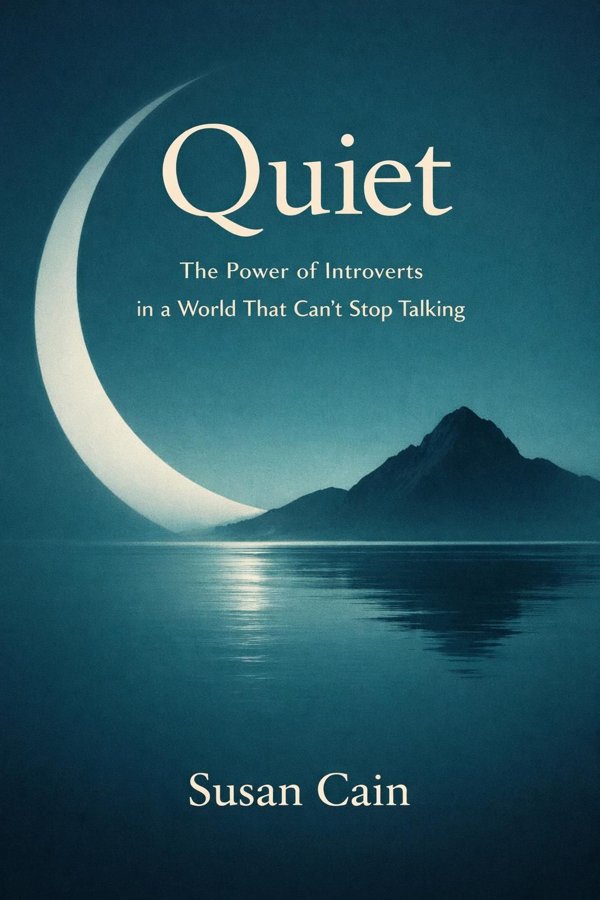
Quiet
by Susan Cain
What if the traits you’ve been told to outgrow—quietness, caution, thoughtfulness, a need for solitude—are actually some of your greatest strengths? In Quiet, Susan Cain challenges one of the most deeply embedded assumptions in modern life: that the boldest voice in the room is the most capable, creative, or worthy of attention. With warmth, research, and sharp cultural analysis, she shows how workplaces, schools, and even social norms are often built around an extroverted model of success, leaving millions of introverts feeling misunderstood or underestimated. This book matters because it doesn’t merely defend introverts; it reframes how we think about talent, leadership, collaboration, and human potential. Cain draws on psychology, neuroscience, history, and real-life stories to explain why some people flourish through stimulation and sociability, while others do their best thinking in calmer, quieter conditions. As an American author, lecturer, and former corporate lawyer known for her influential work on introversion and leadership, Cain brings both credibility and empathy to the subject. Quiet is ultimately a powerful invitation to stop confusing volume with value—and to build a world where reflective people can thrive on their own terms.
Key Takeaways
- 1The Extrovert Ideal: A Cultural Obsession — At the center of Quiet is Susan Cain’s idea of the “Extrovert Ideal,” the belief that the most admirable person is socia…
- 2The Biological and Psychological Roots of Introversion — Cain makes a crucial distinction: introversion is not a flaw, a fear, or a social failure. It is a temperament, shaped i…
- 3The Power of Solitude — One of Quiet’s most important arguments is that solitude is not the same as loneliness. Solitude can be a source of crea…
Want the full summary?
Get instant access to this book summary and 100K+ more with Fizz Moment.
Get Free SummaryAvailable on App Store • Free to download
About This List
Some books do more than inform — they transform. These are the books readers credit with changing their perspective, their habits, and their entire life trajectory.
This list features 20 carefully selected books. With FizzRead, you can read AI-powered summaries of each book in just 15 minutes. Get the key takeaways and start applying the insights immediately.
Ready to start reading?
Get instant access to all 20 book summaries and 100K+ more with FizzRead.