
Best Self-Help Books of All Time — Transform Your Life
The most influential self-help books that have transformed millions of lives. Whether you want to build better habits, develop emotional intelligence, or find your purpose, these books offer proven strategies for personal growth.

 10 min read
The Four Agreements
by Don Miguel Ruiz
What if much of your stress, shame, conflict, and self-doubt came not from reality itself, but from invisible rules you learned long ago and never questioned? That is the life-changing premise at the heart of *The Four Agreements*. In this modern self-help classic, Don Miguel Ruiz draws on Toltec wisdom to show how people become trapped by limiting beliefs, harsh self-judgment, and fear-based habits—and how they can break free through four simple but demanding practices. The power of the book lies in its clarity: Ruiz does not offer a complicated philosophy or a rigid system, but a practical code for speaking, relating, thinking, and acting with greater awareness. His four agreements—be impeccable with your word, don’t take anything personally, don’t make assumptions, and always do your best—sound simple on the surface, yet they challenge the patterns that drive everyday suffering. Ruiz is best known as a Mexican author and spiritual teacher whose work centers on personal transformation through Toltec-inspired insight. For readers seeking emotional freedom, healthier relationships, and a calmer inner life, *The Four Agreements* remains one of the most accessible and transformative books in the personal growth space.
Key Takeaways
- 1The Domestication of Humans and the Book of Law Within — Ruiz begins by explaining that human beings are “domesticated” in much the same way animals are trained: through reward,…
- 2The First Agreement: Be Impeccable with Your Word — Ruiz describes the word as a creative force. Language shapes identity, influences relationships, and directs attention. …
- 3The Second Agreement: Don’t Take Anything Personally — This agreement is Ruiz’s antidote to one of the most common sources of emotional pain: the belief that other people’s wo…
 10 min read
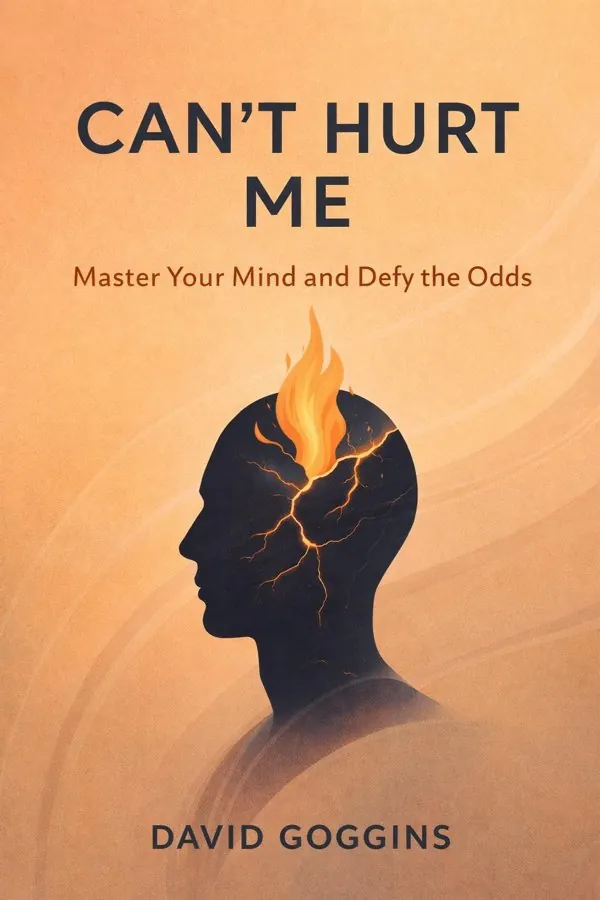
Can't Hurt Me
by David Goggins
What if the life you’ve been given—your trauma, your failures, your fear, your self-doubt—could become the raw material for an extraordinary transformation? That’s the question at the heart of Can't Hurt Me, David Goggins’s intensely personal memoir and mindset manual. More than a story about military achievement or athletic endurance, this book is a challenge to anyone who has ever felt stuck, broken, or limited by their past. Goggins takes readers through a life marked by abuse, racism, poverty, obesity, and hopelessness, then shows how he rebuilt himself through radical accountability, discipline, and a willingness to embrace discomfort. What makes this book matter is its refusal to offer easy inspiration. Goggins doesn’t sell positive thinking or quick fixes. Instead, he argues that growth begins when we stop negotiating with ourselves and start confronting the truths we’d rather avoid. As a retired U.S. Navy SEAL, ultramarathon runner, triathlete, and motivational speaker, he writes from lived experience, not theory. Can't Hurt Me resonates because it turns resilience into a practice. It’s a wake-up call for readers who want more than motivation—they want proof that the mind, when trained, can push far beyond what most people believe is possible.
Key Takeaways
- 1Early Life and Childhood Shaped by Adversity — Goggins’s early life is the emotional bedrock of Can't Hurt Me. He grew up in an abusive home where violence, fear, and …
- 2Struggles with Obesity and Hopelessness — After escaping his father’s house, Goggins did not immediately step into freedom or confidence. Instead, he entered a di…
- 3Turning Point: The Decision to Change — The real turning point in Can't Hurt Me is not a medal, a race, or military success—it is the moment Goggins decides he …
 10 min read
Man's Search for Meaning
by Viktor Frankl
What keeps a person going when everything familiar has been taken away—comfort, identity, loved ones, freedom, and even the expectation of tomorrow? That is the unbearable and essential question at the heart of *Man's Search for Meaning*. Viktor E. Frankl’s landmark book is far more than a Holocaust memoir. It is a profound study of human endurance, an examination of suffering, and a practical philosophy for anyone trying to live with purpose in hard times. Drawing on his experiences in Nazi concentration camps, Frankl explores how people respond when life is reduced to its barest terms and why some still manage to preserve dignity, hope, and inner freedom. What makes this book endure is that Frankl does not offer empty inspiration. He writes as an Austrian neurologist, psychiatrist, and Holocaust survivor who later developed logotherapy, a school of psychotherapy centered on meaning as the primary human motivation. His insight is simple but life-changing: even when we cannot change our circumstances, we can still choose our response. That idea has made this book one of the most influential works in psychology and self-help, especially for readers facing grief, burnout, uncertainty, or the quiet fear that life has lost direction.
Key Takeaways
- 1The Shock of Arrival and the Dehumanization of Camp Life — When Frankl first arrived at Auschwitz, the destruction of the self began immediately. The process was systematic: priso…
- 2Emotional Detachment and the Apathy that Defines Survival — After the first shock came a second psychological stage: apathy. Frankl shows that this numbness was not indifference in…
- 3Moral Choice and Inner Freedom in the Midst of Suffering — One of the book’s most powerful claims is that even under extreme oppression, a human being retains a final freedom: the…
 10 min read
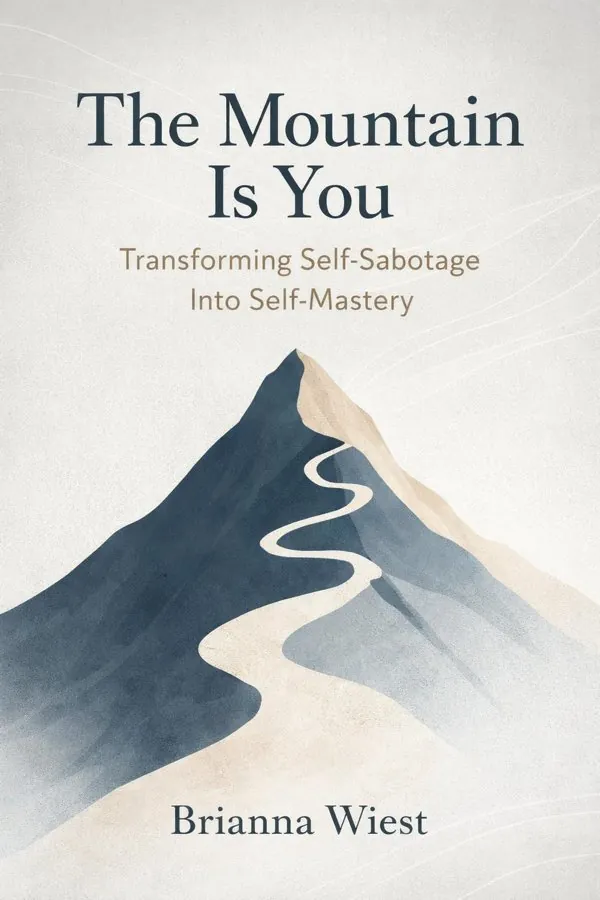
The Mountain Is You
by Brianna Wiest
Why do people so often become the very thing standing in their own way? That is the central question at the heart of The Mountain Is You, a self-help book about self-sabotage, emotional healing, and personal transformation. Brianna Wiest explores the uncomfortable truth that many of our biggest obstacles are not external circumstances, but the internal patterns we repeat without realizing it. Fear, avoidance, perfectionism, emotional reactivity, and limiting beliefs can quietly shape our decisions until we feel stuck in a life we say we want to change. Wiest argues that these patterns are not signs that we are broken. They are signals that unresolved needs, pain, and internal conflict are asking to be understood. This perspective makes the book especially powerful: instead of shaming readers for procrastinating, overthinking, or holding themselves back, it helps them decode why those behaviors exist in the first place. Known for writing about emotional intelligence, mindfulness, and self-development, Wiest offers an accessible guide to turning inner resistance into self-mastery. The result is a compassionate roadmap for anyone ready to stop fighting themselves and start growing with intention.
Key Takeaways
- 1Part One: Recognizing Self-Sabotage — One of the most important ideas in The Mountain Is You is that self-sabotage is rarely random. It is usually a protectiv…
- 2Part Two: Understanding Inner Conflict — Wiest explains that many people live with an internal split: one part wants growth, love, success, or peace, while anoth…
- 3Part Three: Facing Pain and Fear — A major turning point in personal growth comes when we stop organizing our lives around avoiding pain. Wiest suggests th…
 10 min read
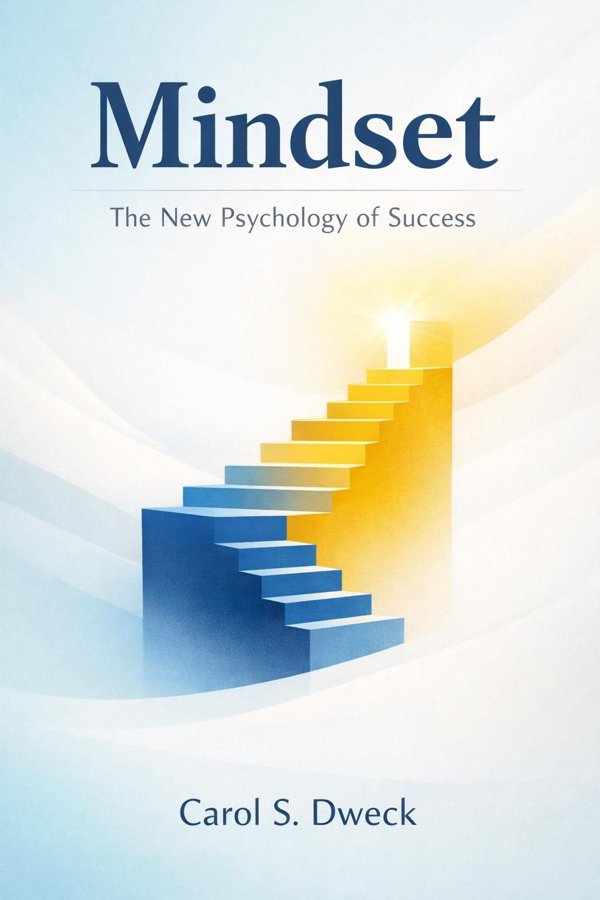
Mindset
by Carol Dweck
Why do some people bounce back from failure, while others shut down after one setback? Why do certain students, athletes, and professionals keep improving long after their early talent stops carrying them? In Mindset, psychologist Carol S. Dweck offers a powerful answer: the stories we tell ourselves about ability shape nearly everything we do. At the center of the book is a simple but life-changing distinction between a fixed mindset—the belief that intelligence, talent, and character are largely set—and a growth mindset, the belief that these qualities can be developed through effort, strategy, and feedback. That idea sounds straightforward, but its implications are profound. It affects how we handle criticism, how we parent, how we teach, how we lead, and even how we love. Drawing on decades of research in motivation and personality, Dweck shows that success is not just about natural gifts. It is also about how people interpret challenge, effort, and failure. This book matters because it replaces the myth of effortless genius with a more hopeful, practical truth: people can change, improve, and become more capable over time.
Key Takeaways
- 1The Nature of Mindset: Fixed versus Growth — From childhood onward, people absorb beliefs about what ability means. A child who hears “You’re so smart” may start to …
- 2Inside the Fixed Mindset: The Need to Prove — The fixed mindset often hides behind ambition. On the surface, it can look like confidence, high standards, or competiti…
- 3Discovering the Growth Mindset: The Power to Develop — The growth mindset is not blind optimism or the idea that anyone can become anything overnight. It is a practical belief…
 10 min read
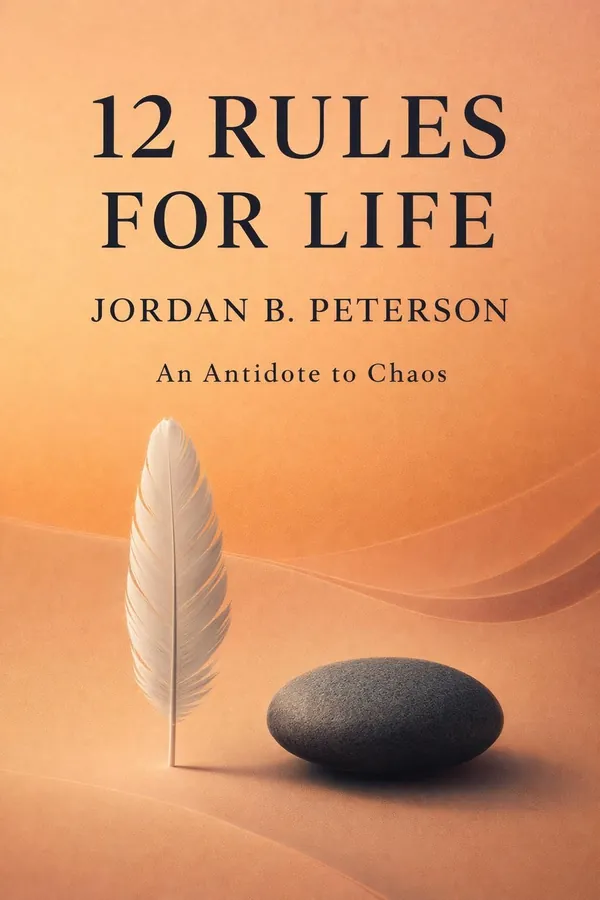
12 Rules for Life
by Jordan Peterson
Why did 12 Rules for Life become such a widely discussed self-help book? Because it speaks to a problem many people feel but struggle to name: modern life often feels unstable, fragmented, and full of noise. In response, Jordan B. Peterson offers a framework built around responsibility, honesty, discipline, and meaning. Rather than promising easy happiness or quick fixes, the book argues that a good life is created by how we meet suffering, uncertainty, and everyday choices. Peterson, a Canadian clinical psychologist, draws from psychology, mythology, religion, and personal observation to present twelve rules that are both practical and philosophical. Some sound simple on the surface—stand up straight, tell the truth, be precise in your speech—but each points to a deeper principle about character and how order is built in the middle of chaos. That blend of everyday advice and big-picture thinking is what gives the book its lasting appeal. For readers looking for a summary of 12 Rules for Life, the central message is clear: meaning grows when you take yourself seriously, act responsibly, and choose what is right over what is merely convenient.
Key Takeaways
- 1Rule 1 – Stand up straight with your shoulders back — This rule is about far more than posture. Peterson uses the image of lobsters and dominance hierarchies to argue that co…
- 2Rule 2 – Treat yourself like someone you are responsible for helping — Many people are kinder, more organized, and more reliable when caring for others than when caring for themselves. They r…
- 3Rule 3 – Make friends with people who want the best for you — The people around you shape your standards, moods, habits, and sense of possibility. Peterson’s warning here is simple: …
 10 min read
Grit
by Angela Duckworth
Why do some people keep going when progress is slow, failure is embarrassing, and success may take years, while others with equal or greater talent lose momentum? In Grit, psychologist Angela Duckworth offers a powerful answer: what matters most is not raw ability alone, but a rare combination of sustained passion and persistent effort. She calls this quality grit, and her central claim is both challenging and hopeful. Challenging, because it means success usually demands more patience and discipline than we like to admit. Hopeful, because grit is not reserved for a gifted few. Duckworth brings unusual credibility to the topic. A professor at the University of Pennsylvania, founder of Character Lab, and MacArthur Fellow, she has spent years studying why some people thrive in demanding environments. Drawing from research on students, athletes, cadets, teachers, and professionals, she shows that long-term achievement often comes from sticking with meaningful goals long after the initial excitement fades. For anyone pursuing mastery, raising resilient kids, leading a team, or simply trying not to quit too soon, Grit matters because it reframes success. It shifts the conversation from “How talented are you?” to “How committed are you to becoming better over time?”
Key Takeaways
- 1Chapter One: Defining Grit — The Twin Engines of Passion and Perseverance — Duckworth defines grit as the combination of passion and perseverance directed toward long-term goals. That distinction …
- 2Chapter Two: The Science Behind It — Why Grit Predicts Success — One of Duckworth’s most compelling contributions is showing that grit can predict long-term success better than many tra…
- 3Chapter Three: The Talent Trap — Why Effort Beats Natural Advantage — Duckworth challenges one of the most popular myths about achievement: that the naturally talented are destined to win. T…
 10 min read
Boundaries
by Henry Cloud
What if many of your daily frustrations come from taking responsibility for things that were never yours to carry? In Boundaries, Henry Cloud and John Townsend argue that emotional exhaustion, resentment, people-pleasing, and broken relationships often grow from one central problem: we do not clearly understand where our responsibility ends and another person’s begins. Rather than treating boundaries as cold walls, the authors present them as healthy, life-giving limits that protect love, freedom, honesty, and self-respect. They show how boundaries affect every area of life, from family and friendships to marriage, work, faith, and personal growth. First published in 1992, the book remains influential because its central challenge is timeless. Many people still struggle to say no without guilt, to confront harmful behavior, or to stop rescuing others at their own expense. Cloud and Townsend bring authority to these questions through their work as clinical psychologists and counselors, blending psychological insight, relational wisdom, and spiritual reflection. The result is a practical guide for anyone who wants healthier relationships, clearer communication, and a stronger sense of personal responsibility without losing compassion.
Key Takeaways
- 1Understanding Where You End Begins — A healthier life begins the moment you realize that love does not require limitless access. The central insight of Bound…
- 2Why Boundary Problems Develop Early — Most adults do not suddenly become boundaryless; they grow into it through repeated emotional training. Cloud and Townse…
- 3Boundaries Shape Every Relationship You Have — Relationship quality often depends less on affection than on limits. One of the strongest contributions of Boundaries is…
 10 min read
The Gifts of Imperfection
by Brene Brown
In The Gifts of Imperfection, Brené Brown argues that a meaningful life does not come from flawless performance, constant self-improvement, or earning approval. It comes from what she calls “Wholehearted living”: showing up as we are, embracing vulnerability, and choosing courage over control. Drawing on years of research into shame, authenticity, belonging, and human connection, Brown reveals why so many people feel trapped by perfectionism, comparison, and the pressure to be enough—and how they can break free. Rather than offering empty encouragement, she presents ten practical guideposts for cultivating a more grounded, joyful, and authentic life. These guideposts include self-compassion, resilience, gratitude, intuition, creativity, rest, and meaningful connection. The book matters because it speaks directly to a modern struggle: the exhaustion of trying to be impressive instead of real. Brown’s authority comes from her work as a research professor who has spent years studying the emotional patterns that shape our lives. Her gift is translating rigorous research into deeply human guidance that readers can apply every day.
Key Takeaways
- 1Perfectionism Is a Heavy Emotional Armor — One of the book’s most liberating insights is that perfectionism is not the same as healthy striving. Many people believ…
- 2Wholehearted Living Begins With Vulnerable Courage — A powerful life is not built by avoiding uncertainty; it is built by entering it with courage. Brown defines Wholehearte…
- 3Authenticity Requires Releasing the Need to Please — Authenticity sounds simple, but in practice it can feel radical. Brown describes authenticity as the daily choice to let…
 10 min read
The Ruthless Elimination of Hurry
by John Mark Comer
The Ruthless Elimination of Hurry is John Mark Comer’s response to one of the defining problems of modern life: the constant feeling of being rushed, distracted, overcommitted, and emotionally exhausted. In this deeply practical and spiritually grounded book, Comer argues that hurry is more than a time-management issue. It is a way of life that damages our peace, relationships, attention, and capacity to experience God. Drawing from his own burnout, the wisdom of philosopher Dallas Willard, and the lifestyle of Jesus, Comer makes the case that slowing down is not optional for a healthy soul. He shows that the life of Jesus was marked by margin, stillness, prayer, and presence, even in the middle of enormous demands. The book blends spiritual insight with practical habits, inviting readers to resist the pressures of speed and reclaim a more rooted way of living. For anyone overwhelmed by nonstop work, technology, and noise, this book offers both diagnosis and hope: a path toward a calmer, more meaningful, and more loving life.
Key Takeaways
- 1Hurry Is a Soul-Level Disease — One of the book’s most unsettling insights is that hurry often feels normal precisely because it is so destructive. Many…
- 2Jesus Modeled an Unhurried Life — A surprising feature of the Gospels is not just what Jesus taught, but how he lived. He was rarely frantic. He walked fr…
- 3Apprenticeship Requires More Than Belief — Many people separate faith from daily habit, but Comer insists that transformation happens through apprenticeship. An ap…
 10 min read
Atomic Habits
by James Clear
What if the quality of your life depends less on dramatic breakthroughs and more on the tiny actions you repeat every day? In Atomic Habits, James Clear argues that lasting transformation does not come from radical reinvention, but from small, consistent improvements that compound over time. The book explains how habits shape identity, influence performance, and quietly determine whether we move toward the future we want or drift away from it. Rather than relying on motivation alone, Clear shows how to design systems that make good behaviors easier and bad behaviors harder. The book matters because most people fail to change not because they lack ambition, but because they use strategies that fight human nature. Clear combines insights from psychology, neuroscience, behavioral economics, and real-world examples from sports, business, and personal development to create a practical framework anyone can apply. As a writer and speaker known for his work on habit formation and continuous improvement, he has helped millions of readers rethink productivity and self-discipline. Atomic Habits stands out because it turns behavior change into something concrete, manageable, and deeply empowering.
Key Takeaways
- 1Tiny changes create remarkable results — We tend to overestimate the importance of one big moment and underestimate the power of small daily improvements. One wo…
- 2Focus on systems, not goals — Goals set direction, but systems determine progress. That distinction changes everything. Most people think achievement …
- 3Identity drives lasting behavior change — The most durable habits are not built by forcing yourself to act differently for a few days. They are built by becoming …
 10 min read
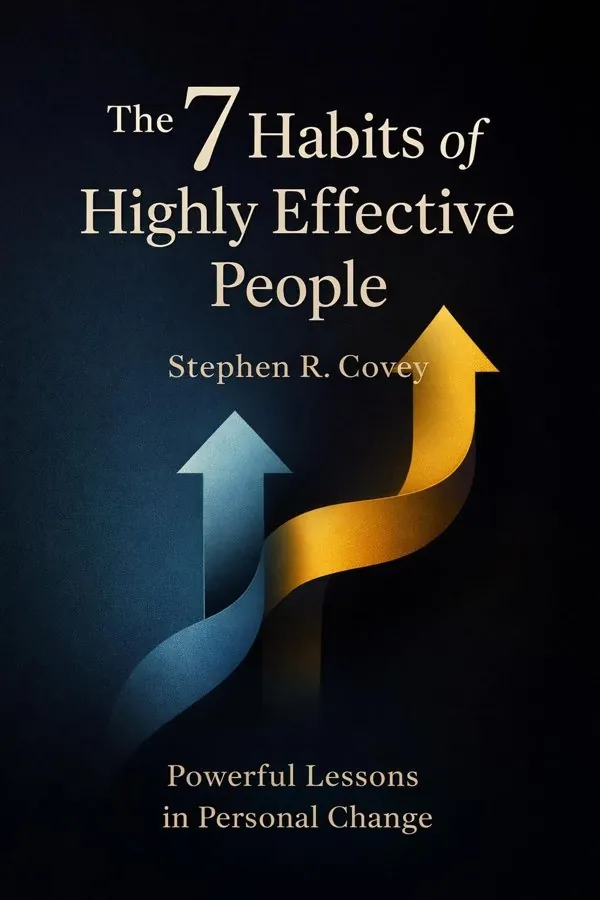
The 7 Habits of Highly Effective People
by Stephen R. Covey
What if lasting success has less to do with techniques and more to do with character? In The 7 Habits of Highly Effective People, Stephen R. Covey argues that real effectiveness begins inside out. Instead of offering quick fixes, motivational slogans, or productivity hacks, Covey presents a principle-centered approach to personal and professional growth. He explains that many people chase external success while neglecting the deeper habits of responsibility, integrity, discipline, empathy, and renewal that make success sustainable. First published in 1989, the book became one of the most influential self-help and leadership titles ever written because it speaks to a universal challenge: how to live with purpose while working well with others. Covey, a respected educator, leadership expert, and organizational consultant, draws on psychology, philosophy, and practical experience to show how enduring effectiveness comes from aligning behavior with timeless principles. His seven habits move from personal mastery to interpersonal effectiveness and finally to continuous self-renewal. The result is a framework that helps readers lead themselves better, improve relationships, make wiser decisions, and build a life guided by values rather than circumstance.
Key Takeaways
- 1Effectiveness Begins With Character — Many people spend years searching for better results while ignoring the beliefs and habits that produce those results in…
- 2Be Proactive and Own Your Response — The space between what happens to you and how you respond is where your freedom lives. That is the foundation of Habit 1…
- 3Begin With the End in Mind — It is easy to climb the ladder of success only to discover it was leaning against the wrong wall. Habit 2 asks readers t…
 10 min read
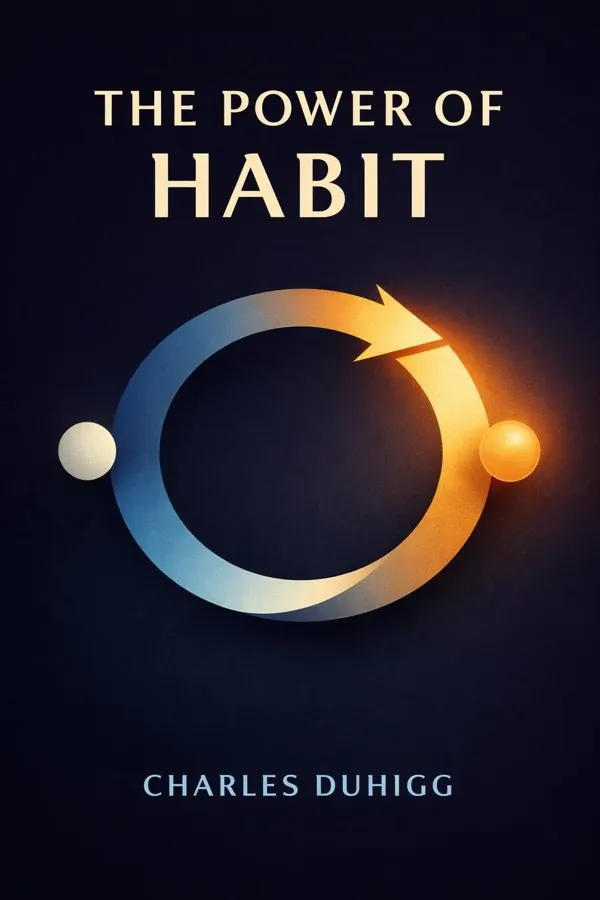
The Power of Habit
by Charles Duhigg
Why do some people effortlessly stick to exercise, save money, and build productive routines while others stay trapped in cycles they desperately want to change? In The Power of Habit, Charles Duhigg argues that the answer lies not mainly in willpower or motivation, but in the hidden patterns that shape behavior every day. Drawing on neuroscience, psychology, behavioral economics, and investigative journalism, he shows that habits govern much of individual life, organizational performance, and even social movements. Duhigg’s central insight is both simple and profound: habits operate through a loop of cue, routine, and reward. Once this loop is understood, behavior becomes less mysterious and more manageable. The book moves far beyond theory, using vivid stories about patients with memory loss, Olympic swimmers, corporate turnarounds, consumer marketing, and civil rights activism to show how habits are formed, reinforced, and changed. What makes this book matter is its practicality. It does not promise instant transformation, but it does offer a framework for lasting change. As a Pulitzer Prize-winning journalist, Duhigg brings credibility, clarity, and storytelling skill to a subject that affects health, work, leadership, relationships, and personal growth.
Key Takeaways
- 1The Habit Loop Shapes Daily Life — Much of what feels like conscious choice is actually automatic behavior running on a hidden script. Duhigg calls this sc…
- 2Change Happens Through Replacement, Not Erasure — People often fail to change because they try to destroy habits outright, when the more effective strategy is to replace …
- 3Cravings Are the Engine of Habits — A habit becomes powerful not when a reward arrives, but when the brain starts expecting it. Duhigg shows that craving si…
 10 min read
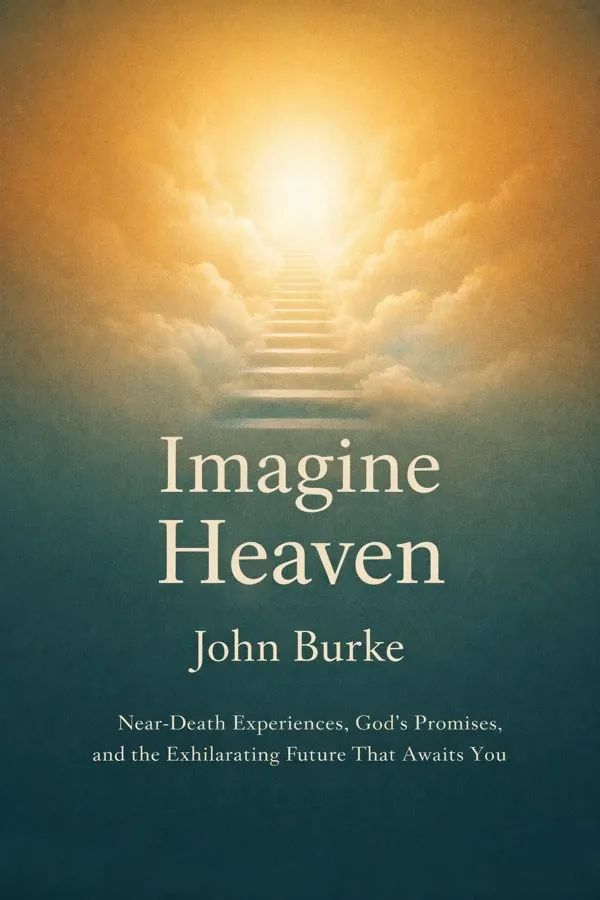
Imagine Heaven
by John Burke
What if our deepest hopes about life after death are not mere wishful thinking, but glimpses of a reality that has already been partially revealed? In Imagine Heaven, pastor John Burke investigates more than one hundred near-death experiences from people of different ages, cultures, and religious backgrounds, then compares their accounts with biblical descriptions of heaven, judgment, love, and eternity. Rather than treating these stories as sensational curiosities, Burke approaches them as meaningful testimonies that may illuminate what Scripture has long promised. The result is a book that blends spiritual reflection, pastoral care, and apologetics into a deeply encouraging vision of the afterlife. For readers who fear death, grieve loss, question whether heaven is real, or simply want to live with greater purpose, the book offers both comfort and challenge. Burke’s authority comes not only from his role as a longtime pastor and teacher, but also from his careful effort to test extraordinary experiences against the Bible instead of accepting them uncritically. Imagine Heaven matters because it turns eternity from an abstract doctrine into a transforming lens for everyday life.
Key Takeaways
- 1Near-Death Experiences Reveal Shared Patterns — One of the book’s most striking insights is that people who come close to death often report surprisingly similar experi…
- 2Scripture Becomes the Measure of Truth — Powerful experiences can inspire, but Burke insists that feelings alone are never enough. A central idea in Imagine Heav…
- 3God’s Presence Is Light and Love — Many near-death experiencers struggle to describe the being they encounter, yet they return using the same language agai…
 10 min read
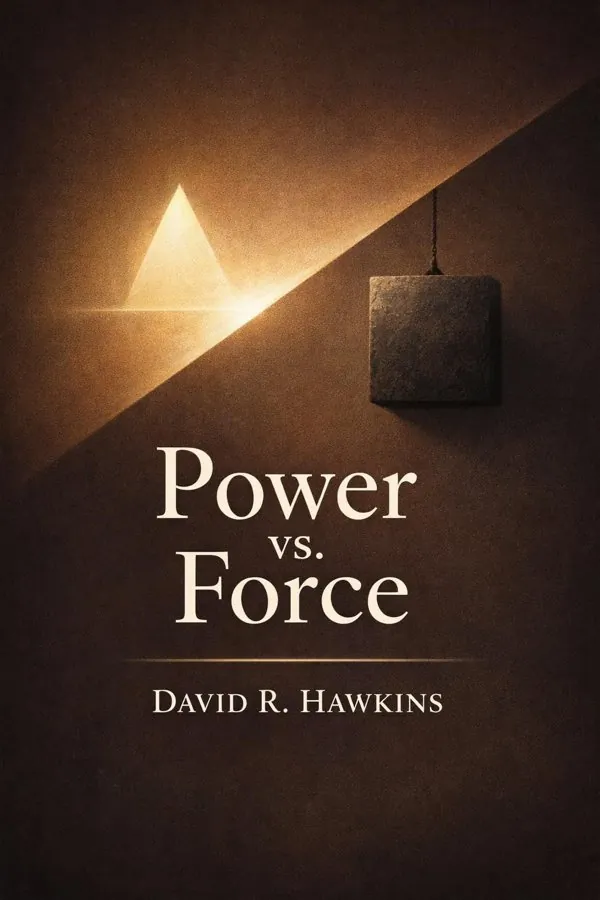
Power vs Force
by David Hawkins
What makes one person quietly influential while another relies on pressure, manipulation, or fear? In Power vs Force, psychiatrist and spiritual teacher David R. Hawkins argues that the difference lies in consciousness itself. He proposes that human thoughts, emotions, motives, and behaviors can be understood on a scale ranging from destructive states like shame and fear to expansive states like love, joy, and peace. According to Hawkins, true power comes from alignment with truth, integrity, and higher awareness, while force depends on control and ultimately weakens both individuals and societies. The book matters because it tries to connect personal growth with ethics, leadership, psychology, and spirituality in a single framework. Rather than treating success as mere ambition or technique, Hawkins asks a deeper question: what kind of inner state produces lasting strength? Drawing on his experience as a clinical psychiatrist, addiction specialist, and spiritual researcher, he presents a model intended to explain why some ideas, people, and institutions elevate life while others drain it. Whether you read it as metaphysics, self-help, or a philosophy of character, Power vs Force invites you to evaluate the quality of your inner life—and the consequences it has in the world.
Key Takeaways
- 1The Map of Consciousness and Human Energy — Most people judge life by appearances, but Hawkins asks us to look beneath behavior to the level of consciousness drivin…
- 2Kinesiology as a Test of Truth — What if the body reacts differently to truth than it does to falsehood? One of Hawkins’s most controversial claims is th…
- 3From Shame and Fear to Courage — Transformation rarely begins at enlightenment; it usually begins at the moment we stop sinking. Hawkins emphasizes that …
Want the full summary?
Get instant access to this book summary and 100K+ more with Fizz Moment.
Get Free SummaryAvailable on App Store • Free to download
About This List
The most influential self-help books that have transformed millions of lives. Whether you want to build better habits, develop emotional intelligence, or find your purpose, these books offer proven strategies for personal growth.
This list features 15 carefully selected books. With FizzRead, you can read AI-powered summaries of each book in just 15 minutes. Get the key takeaways and start applying the insights immediately.
Ready to start reading?
Get instant access to all 15 book summaries and 100K+ more with FizzRead.