
Best Health & Wellness Books for a Better Life
Your health is your greatest asset. These books combine cutting-edge science with practical advice on nutrition, exercise, sleep, and longevity.
 10 min read
Fast Like a Girl
by Dr. Mindy Pelz
What if the reason fasting has felt frustrating, exhausting, or simply unsustainable for so many women is not a lack of discipline—but bad advice? That is the central promise of Fast Like a Girl, a practical health guide that argues women need a different approach to fasting than men. Instead of promoting one rigid protocol for everyone, Dr. Mindy Pelz explains how fasting can become a tool for hormone balance, better energy, improved metabolic health, and sustainable fat loss when it is matched to the natural rhythms of the female body. This book matters because it addresses a gap many women have experienced firsthand: mainstream fasting advice often ignores menstrual cycles, shifting hormone levels, stress load, and life stage. Dr. Pelz, a holistic health expert and educator known for making complex wellness science easy to understand, offers a framework that helps women work with their biology rather than against it. The result is a more flexible, compassionate, and effective way to think about food timing. Whether you are curious about intermittent fasting, struggling with stubborn weight, or looking for a smarter way to support hormones and energy, Fast Like a Girl offers an accessible roadmap tailored to women’s real lives.
Key Takeaways
- 1Understanding Hormones — The foundation of Fast Like a Girl is simple: women’s hormones shape how the body responds to fasting, so any effective …
- 2The Science of Fasting — Pelz frames fasting as more than a weight-loss tactic. In her view, fasting activates built-in repair systems that moder…
- 3Common Myths About Fasting — One of the most useful parts of Fast Like a Girl is its effort to clear away common misunderstandings that stop women fr…
 10 min read
Good Energy
by Casey Means
What if many of the confident claims you hear about the future of energy are far less certain than they sound? *Good Energy* tackles that uncomfortable question head-on. Rather than offering a simplistic story of instant clean-energy transformation or a nostalgic defense of the status quo, this book asks readers to look at energy the way engineers, historians, and systems thinkers do: in terms of scale, density, infrastructure, time, and trade-offs. That shift matters because energy is not a side issue. It sits underneath modern life—our food supply, transportation, housing, healthcare, manufacturing, and digital economy all depend on reliable flows of usable power. When public debate ignores that reality, bad policy and unrealistic expectations quickly follow. Drawing on the analytical approach associated with Vaclav Smil, a Czech-Canadian scientist and policy analyst known for his interdisciplinary work on energy, environment, food production, and technological change, the book replaces slogans with evidence. It shows why energy transitions are historically slow, why fossil fuels remain stubbornly embedded in modern systems, and why optimism must be balanced by physical reality. For readers who want a clearer, smarter view of sustainability, this is an essential corrective.
Key Takeaways
- 1Defining Energy and Its Role — The book begins by clearing up a basic but crucial confusion: energy, power, and efficiency are not interchangeable term…
- 2Historical Energy Transitions — One of the book’s strongest lessons is that energy transitions are never just about inventing a better fuel. They are ab…
- 3Myth of Rapid Energy Transformation — A central argument in the book is that the popular vision of a swift, frictionless energy revolution is more myth than p…
 10 min read
Why We Sleep
by Matthew Walker
What if the most powerful performance enhancer, mood stabilizer, memory booster, and long-term health intervention isn’t a supplement, a productivity hack, or a complicated wellness routine—but sleep? In *Why We Sleep*, neuroscientist Matthew Walker makes a compelling case that sleep is not a passive state of rest. It is one of the most active, essential, and life-preserving processes in the human body. Far from being wasted time, sleep is when the brain organizes memories, the body repairs itself, emotions are regulated, and countless biological systems reset for the next day. Walker brings both scientific authority and urgency to the topic. As a professor of neuroscience and psychology at the University of California, Berkeley, and founder and director of the Center for Human Sleep Science, he has spent years studying how sleep shapes human health and performance. His central message is both simple and profound: the modern tendency to cut sleep short comes at a steep cost. This book matters because it connects sleep to nearly everything readers care about—focus, energy, mental health, disease prevention, learning, relationships, and longevity—and offers a persuasive reminder that better sleep can change your life.
Key Takeaways
- 1The Evolution and Purpose of Sleep — Sleep is not a strange quirk of biology—it is one of its oldest and most carefully protected features. Walker emphasizes…
- 2Stages and Architecture of Sleep — Walker shows that sleep is not one uniform state but a precisely organized process made up of repeating cycles. Over the…
- 3Sleep and the Brain — One of Walker’s strongest arguments is that sleep is essential for a healthy, high-performing brain. During the day, the…
 10 min read
How Not to Die
by Michael Greger
What if the biggest threats to your life weren’t random bad luck or inevitable aging, but conditions heavily shaped by what shows up on your plate each day? In *How Not to Die*, Dr. Michael Greger tackles that question head-on by exploring the leading causes of premature death and showing how nutrition can play a powerful role in prevention. Rather than offering trendy wellness advice or quick-fix diet rules, Greger builds his case around research, translating complex findings into practical guidance readers can actually use. The book matters because chronic diseases like heart disease, diabetes, stroke, and certain cancers dominate modern life, yet many people still underestimate how much daily habits influence long-term outcomes. Greger argues that food is not just calories or comfort—it is information for the body, shaping inflammation, blood pressure, cholesterol, gut health, and more. His message is both urgent and hopeful: the same choices that contribute to disease can often be changed. As a physician, author, and founder of NutritionFacts.org, Greger is known for making nutrition science accessible to the public. In this book, he combines medical insight with actionable strategies, giving readers a roadmap for eating in a way that supports both longevity and quality of life.
Key Takeaways
- 1The Role of Nutrition in Disease Prevention — One of the book’s core arguments is that nutrition should not be treated as a side note in healthcare. It is central. Gr…
- 2How Not to Die from Heart Disease — Greger presents heart disease as the clearest example of food’s life-or-death power. Rather than treating clogged arteri…
- 3How Not to Die from Lung Diseases — Greger’s discussion of lung health broadens the conversation beyond smoking and pollution to include the role of diet in…
 10 min read
Breath
by James Nestor
What if one of the most powerful tools for better health, sharper focus, deeper sleep, and longer life were something you already do every moment of the day? In Breath, journalist James Nestor argues that breathing is not just automatic background biology but a skill that modern people have largely forgotten how to use well. Drawing on scientific studies, ancient traditions, medical history, and his own immersive experiments, Nestor explores how the way we inhale and exhale shapes everything from anxiety and posture to athletic performance, immunity, and sleep quality. The book’s central claim is strikingly simple: many modern illnesses are worsened not by how much air we take in, but by how poorly we breathe. Nestor is a compelling guide because he combines rigorous reporting with curiosity and personal testing. He interviews pulmonologists, orthodontists, researchers, and breathing teachers, then translates complex physiology into clear, memorable lessons. Breath matters because it reframes health through a basic daily act most people ignore. It invites readers to see breathing not as passive survival, but as an active, trainable pathway to resilience and well-being.
Key Takeaways
- 1A Forgotten Function Shapes Modern Health — One of the book’s most unsettling insights is that something as ordinary as breathing can quietly undermine health when …
- 2Ancient Cultures Knew Breath Was Power — Long before modern laboratories measured oxygen saturation or heart rate variability, ancient traditions treated breath …
- 3Modern Life Made Us Worse Breathers — A surprising argument in Breath is that breathing problems are not just behavioral; they are partly anatomical consequen…
 10 min read
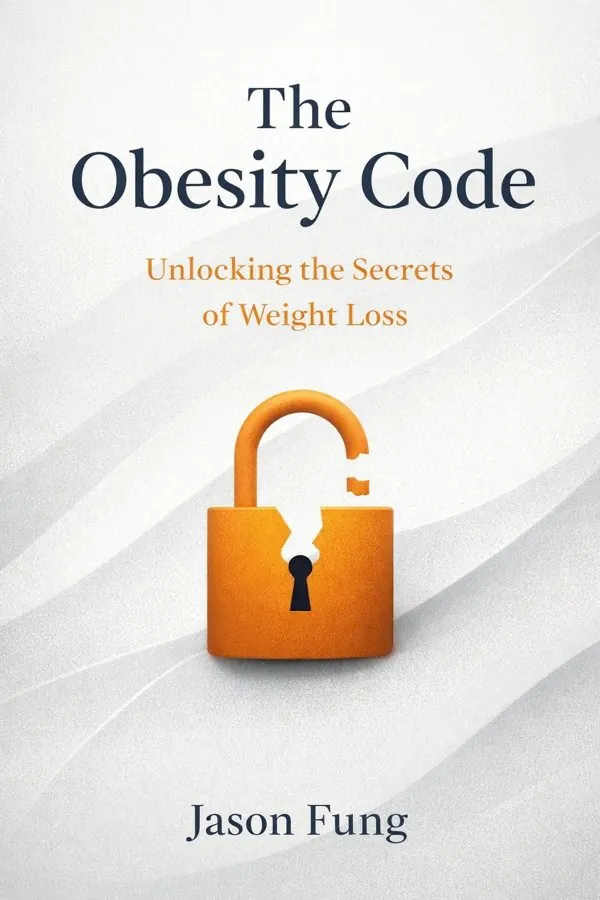
The Obesity Code
by Jason Fung
In The Obesity Code, physician Jason Fung argues that obesity is not simply the result of eating too much and moving too little. Instead, he presents a hormonal model of weight gain, placing insulin at the center of the story. According to Fung, the body is not a simple calorie calculator. It is a complex biological system that responds to hormones, meal timing, food quality, stress, and long-term eating patterns. This shift in perspective matters because it challenges decades of conventional dieting advice that has often left people hungry, discouraged, and trapped in cycles of weight loss and regain. Drawing on medical research, historical analysis, and his clinical work with patients suffering from obesity and type 2 diabetes, Fung explains why calorie restriction alone frequently fails and why approaches such as reducing refined carbohydrates and practicing intermittent fasting may be more effective. Whether or not readers agree with every claim, the book is a provocative and influential rethink of modern nutrition advice. It offers a framework that many readers find both empowering and practical, especially after repeated dieting disappointments.
Key Takeaways
- 1Why Calories Alone Don’t Explain Obesity — One of the book’s most provocative claims is that obesity cannot be fully explained by the familiar formula of “calories…
- 2Insulin as the Fat Storage Signal — A central insight of The Obesity Code is that insulin functions as a major fat-storage hormone. Every time we eat, espec…
- 3How Insulin Resistance Creates a Vicious Cycle — An especially important idea in the book is that high insulin does not just cause fat storage; over time, it may also co…
 10 min read
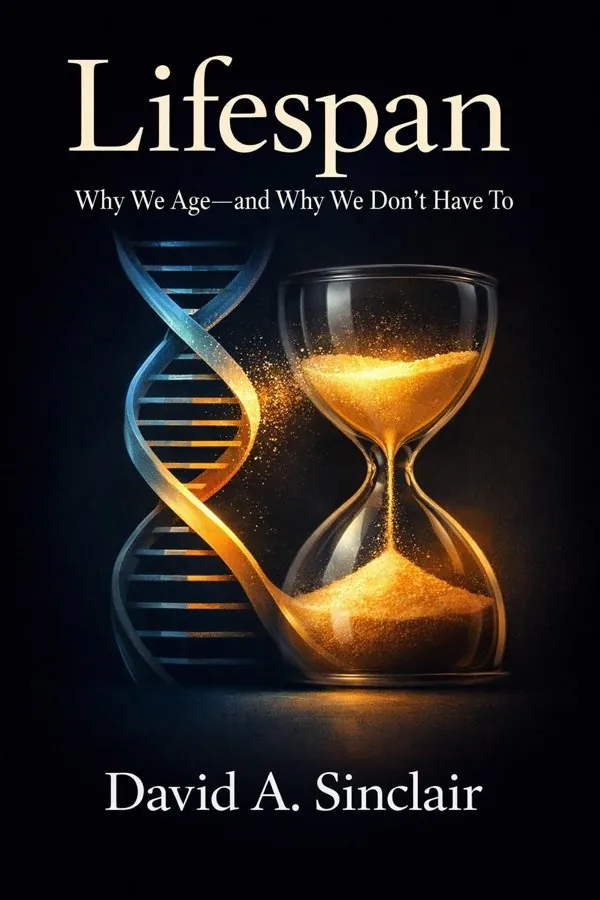
Lifespan
by David Sinclair
In Lifespan, Harvard geneticist David A. Sinclair makes a bold argument: aging is not simply an unavoidable part of life but a biological process that can be understood, slowed, and potentially reversed. Rather than treating heart disease, cancer, dementia, and diabetes as separate problems, Sinclair asks a more fundamental question: what if aging itself is the root cause behind many of them? Drawing on decades of laboratory research, personal experience, and the history of longevity science, he explains how our cells lose vital information over time and why that decline may be more malleable than we once believed. What makes the book so compelling is its mix of frontier science and practical relevance. Sinclair introduces readers to sirtuins, NAD+, epigenetics, fasting, exercise, and emerging technologies that may reshape medicine in the coming decades. He also explores the social and ethical consequences of longer lives, from healthcare to inequality. As a professor of genetics at Harvard Medical School and one of the world’s best-known aging researchers, Sinclair writes with authority, urgency, and optimism. Lifespan is both a scientific manifesto and a provocative invitation to rethink what it means to grow old.
Key Takeaways
- 1Aging Is a Treatable Process — The most disruptive idea in Lifespan is also its simplest: aging should be viewed not as destiny, but as a condition tha…
- 2The Information Theory of Aging — Sinclair’s central scientific idea is that aging happens because cells lose information about how to function correctly.…
- 3Sirtuins Guard the Cell’s Survival — One of Sinclair’s earliest and most influential research interests is a family of genes and proteins called sirtuins. He…
 10 min read
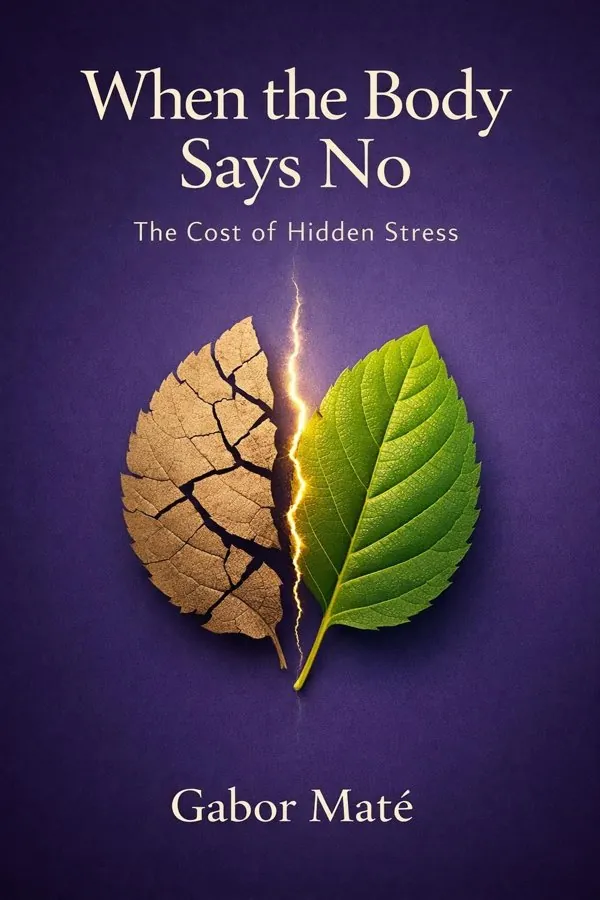
When the Body Says No
by Gabor Maté
In this groundbreaking work, physician Gabor Maté explores the connection between emotional stress and physical illness. Drawing on scientific research and clinical experience, he argues that the body often manifests what the mind represses, linking chronic diseases such as cancer, autoimmune disorders, and heart conditions to emotional suppression and unresolved trauma. The book encourages readers to recognize the importance of emotional awareness and self-compassion in maintaining health.
Key Takeaways
- 1The Physiology of Stress — Stress, as I have come to understand through years of observation and research, is not simply an emotional event; it is …
- 2The Role of Emotions — Emotions are not obstacles to rational living; they are essential guides to survival and authenticity. Yet our culture h…
- 3Case Studies of Illness
 10 min read
Come As You Are
by Emily Nagoski
What if the most common story we tell about sexuality is simply wrong? In Come As You Are, Emily Nagoski argues that many people—especially women—have been taught to see their sexuality as mysterious, broken, inconsistent, or somehow less “normal” than men’s. Drawing on contemporary sex science, psychology, neuroscience, and clinical insight, she replaces shame and confusion with a clearer, kinder, and far more empowering framework. The book explains how desire actually works, why stress and context matter so much, and how pleasure is shaped not just by biology but by emotions, culture, relationships, and self-perception. Nagoski’s core claim is both radical and reassuring: every person’s sexual response is unique, and variation is not dysfunction. A sex educator with a doctorate in health behavior and years of experience translating research into practical guidance, Nagoski writes with authority, warmth, and humor. Come As You Are matters because it gives readers a language for understanding themselves without judgment—and offers a path toward more confidence, connection, and sexual wellbeing.
Key Takeaways
- 1Everyone Is Normal in Sexuality — One of the most liberating ideas in Come As You Are is that “normal” in sexuality is far broader than most people have b…
- 2The Dual Control System Explains Desire — Sexual response is not governed by a single “sex drive” dial; it works more like a car with an accelerator and brakes. N…
- 3Context Shapes Sexual Experience More Than You Think — Arousal does not happen in a vacuum. One of Nagoski’s central insights is that context is often more important than any …
 10 min read
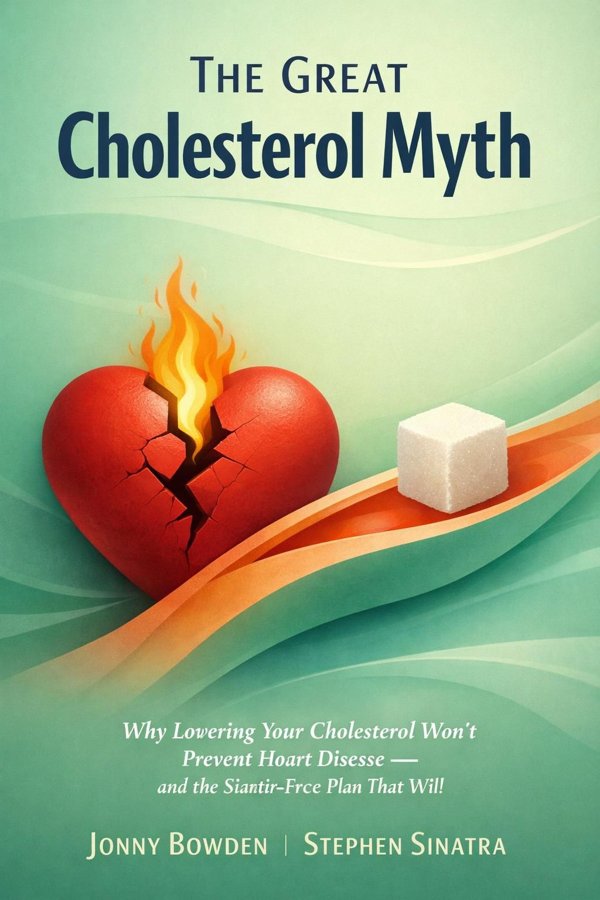
The Great Cholesterol Myth
by Jonny Bowden
For decades, the public has been told a simple story: high cholesterol causes heart disease, saturated fat raises cholesterol, and lowering cholesterol—especially with medication—is the smartest path to a healthy heart. In The Great Cholesterol Myth, nutritionist Jonny Bowden and cardiologist Stephen Sinatra argue that this story is far too simplistic and, in many cases, misleading. They contend that the true drivers of cardiovascular disease are chronic inflammation, oxidative damage, insulin resistance, excess sugar intake, and lifestyle habits that quietly wear down the body over time. What makes this book matter is not just its contrarian stance, but the combination of expertise behind it. Bowden brings a deep background in nutrition science, while Sinatra contributes decades of clinical experience as a heart specialist with an integrative approach. Together, they challenge conventional wisdom, question the evidence behind widespread statin use, and offer a broader, more practical framework for protecting cardiovascular health. Whether you agree with every claim or not, the book forces readers to rethink what actually keeps the heart strong and what modern medicine may have overlooked.
Key Takeaways
- 1How Cholesterol Became Public Enemy Number One — Medical myths often gain power not because they are fully proven, but because they are simple, memorable, and easy to re…
- 2Why The Cholesterol Hypothesis Falls Short — A number on a lab report can feel definitive, but Bowden and Sinatra argue that total cholesterol tells us far less than…
- 3The Limits And Risks Of Statins — A drug can be helpful and still be oversold. That is the position Bowden and Sinatra take on statins, the widely prescri…
 10 min read
Glucose Revolution
by Jessie Inchauspé
What if the biggest driver of your hunger, fatigue, cravings, mood dips, and long-term health risks isn’t simply how much you eat, but how sharply your blood sugar rises and falls throughout the day? In Glucose Revolution, Jessie Inchauspé translates complex metabolic science into a practical guide for stabilizing glucose without extreme dieting or calorie obsession. Her central idea is simple but powerful: glucose spikes affect far more than diabetes risk. They can shape energy, sleep, skin, hormones, appetite, concentration, and weight. Inchauspé, a biochemist widely known as the “Glucose Goddess,” built her reputation by making blood sugar science understandable and actionable for everyday readers. Drawing on scientific research, glucose-monitoring data, and real-life examples, she shows how the order in which we eat food, what we pair together, and how we structure meals can dramatically change our metabolic response. Rather than demanding perfection, she offers realistic “hacks” that fit normal life. The book matters because it reframes nutrition around how the body reacts, not just what appears on a food label. For anyone who wants steadier energy, fewer cravings, better metabolic health, and a more sustainable relationship with food, Glucose Revolution offers a smart and surprisingly practical roadmap.
Key Takeaways
- 1Carbohydrates Shape More Than Calories — Most people think food affects weight mainly through calories, but the body experiences food first through chemistry. Gl…
- 2The Glycemic Response Changes Everything — A food’s impact is not defined only by what it contains, but by what it does inside you. One of the book’s most importan…
- 3Food Order Is A Hidden Lever — One of the most surprising ideas in Glucose Revolution is that when you eat foods can matter almost as much as what you …
 10 min read
The New Menopause
by Mary Claire Haver
Menopause is not a minor footnote in women’s health; it is a major biological transition that can reshape energy, sleep, mood, metabolism, sexual function, and long-term disease risk. In The New Menopause, Dr. Mary Claire Haver argues that too many women have been left confused, dismissed, or under-treated during this phase because of outdated cultural beliefs and inconsistent medical guidance. Her book offers a science-based, practical roadmap for understanding what is happening in the body and what can be done about it. Drawing on her experience as a board-certified OB-GYN and a leading voice in midlife women’s health, Haver translates complex hormone research into clear, usable advice. She explains the stages of menopause, separates evidence from myth, and shows how nutrition, movement, sleep, stress management, and hormone therapy can work together to improve quality of life. More than a symptom guide, this book is a call for women to advocate for themselves and seek informed, individualized care. It matters because it replaces silence and resignation with knowledge, strategy, and hope.
Key Takeaways
- 1Hormones Shape Far More Than Fertility — One of the book’s most important insights is that menopause is not simply the end of periods; it is a whole-body hormona…
- 2Menopause Happens in Distinct Stages — Many women expect menopause to arrive as a single event, but Haver emphasizes that it unfolds in stages, each with its o…
- 3Symptoms Deserve Recognition, Not Dismissal — A powerful theme in the book is that women are too often taught to normalize suffering during midlife. Haver challenges …
 10 min read
30 Ways to Reboot Your Body: A Complete User Manual for Getting the Most Out of the Human Body
by Ben Greenfield
This book by fitness expert Ben Greenfield offers thirty practical strategies to optimize physical performance, improve energy, and enhance overall health. It covers topics such as nutrition, exercise, recovery, and biohacking techniques designed to help readers reboot their bodies and achieve peak vitality.
Key Takeaways
- 1Understanding Why the Body Needs a Reboot — The first step toward transformation is awareness. Modern lifestyles—a mix of processed foods, environmental toxins, con…
- 2Nutrition Optimization: Fueling the Human Engine — If there’s one thing I’ve learned from years of experimenting with diets and working with high-performance athletes, it’…
- 3Detoxification and Cellular Cleansing
 10 min read
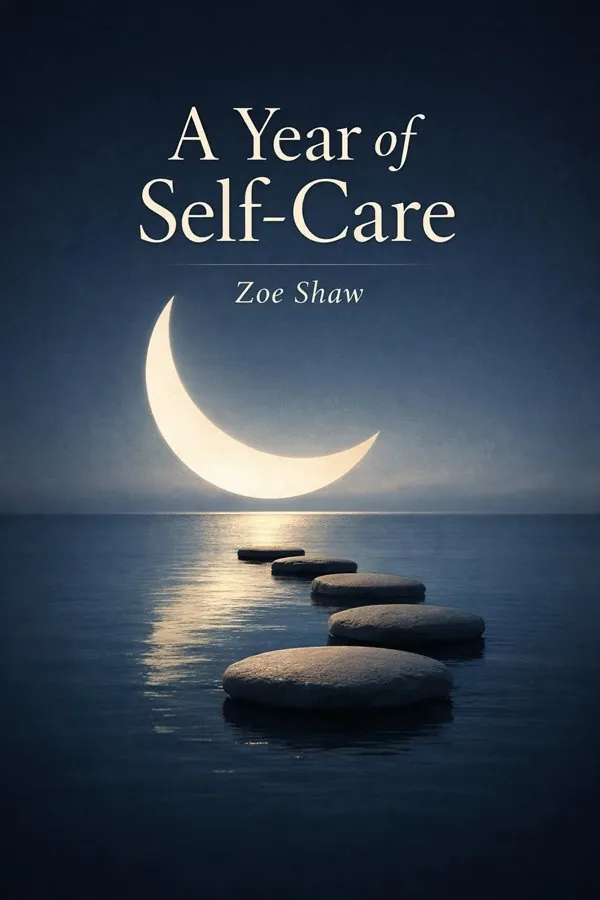
A Year of Self-Care: Daily Practices and Inspiration for Caring for Yourself
by Zoe Shaw
A Year of Self-Care offers readers a structured approach to nurturing their mental, emotional, and physical well-being through daily reflections and actionable practices. Written by psychologist Zoe Shaw, the book provides 365 prompts and exercises designed to help readers build resilience, mindfulness, and self-compassion throughout the year.
Key Takeaways
- 1Understanding Self-Care — Self-care begins with an understanding of what it truly means to care for oneself. Its root is self-awareness—an ongoing…
- 2Setting Intentions — A self-care practice without intention can quickly become another list of tasks. Intention is the difference between goi…
- 3Daily Structure
 10 min read
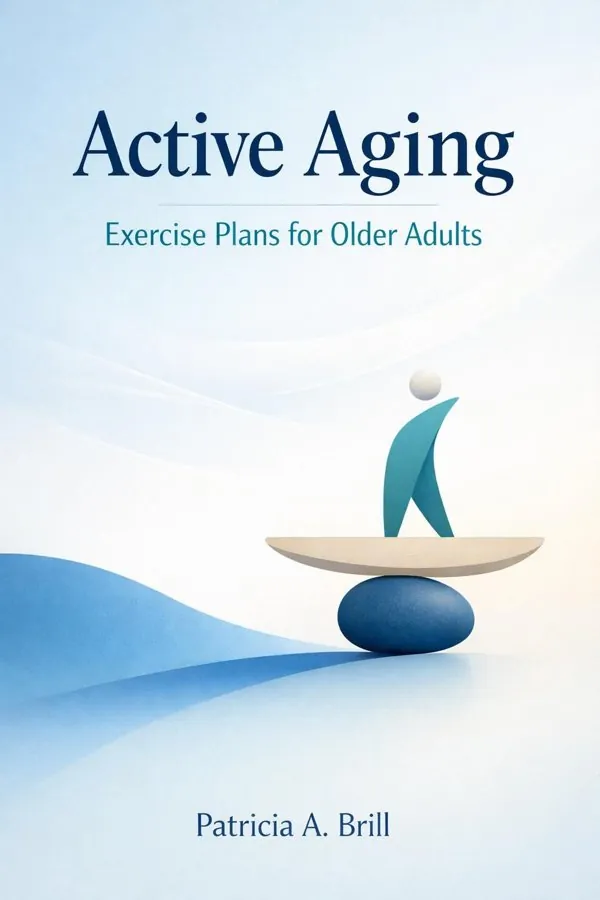
Active Aging: Exercise Plans for Older Adults: Safe Training for Seniors and Aging Populations
by Patricia A. Brill
Aging does not have to mean surrendering strength, mobility, or independence. In Active Aging: Exercise Plans for Older Adults, Patricia A. Brill presents a practical, research-based guide to helping seniors exercise safely and effectively as their bodies change over time. Rather than treating older adults as fragile, Brill shows that well-designed movement can preserve muscle, improve balance, protect joints, support heart health, and reduce the risk of disability. Her approach is realistic: aging brings physical changes, chronic conditions, and recovery challenges, but these do not eliminate the value of exercise. They simply demand smarter programming. What makes this book especially valuable is its blend of science and application. Brill explains the physiology of aging in clear terms, then translates that knowledge into exercise plans, safety principles, and adaptations for different needs and abilities. The result is a guide that is useful not only for older adults, but also for trainers, caregivers, therapists, and health professionals. As an exercise physiologist and gerontologist, Brill writes with authority and compassion. Her central message is empowering: with the right plan, movement can remain a lifelong tool for health, confidence, and quality of life.
Key Takeaways
- 1Understanding Active Aging and Bodily Change — Aging is inevitable, but decline is far more modifiable than most people assume. One of Patricia A. Brill’s most importa…
- 2Designing Safe and Effective Senior Programs — The most effective exercise plan for older adults is not the hardest one; it is the one that can be done safely, regular…
- 3Adapting Exercise for Chronic Conditions — The presence of a chronic condition should change how exercise is prescribed, not whether it is prescribed at all. That …
Want the full summary?
Get instant access to this book summary and 100K+ more with Fizz Moment.
Get Free SummaryAvailable on App Store • Free to download
About This List
Your health is your greatest asset. These books combine cutting-edge science with practical advice on nutrition, exercise, sleep, and longevity.
This list features 15 carefully selected books. With FizzRead, you can read AI-powered summaries of each book in just 15 minutes. Get the key takeaways and start applying the insights immediately.
Ready to start reading?
Get instant access to all 15 book summaries and 100K+ more with FizzRead.