
Best Classic Novels Everyone Should Read
These timeless novels have shaped literature and culture for centuries. They explore the depths of human experience in ways that remain profoundly relevant.

 10 min read
1984
by George Orwell
George Orwell’s 1984 is one of the defining novels of the modern age: a bleak, brilliant portrait of a society in which power seeks not only to control people’s actions, but to colonize their minds. Set in Oceania, a totalitarian superstate ruled by the ever-watchful figure of Big Brother, the story follows Winston Smith, a minor Party employee whose job is to falsify history so the regime always appears infallible. As Winston begins to doubt the Party’s version of reality, he embarks on a dangerous search for truth, memory, love, and freedom. What makes 1984 endure is not only its gripping story, but its deep insight into propaganda, surveillance, censorship, political language, and the fragility of objective truth. Orwell wrote with unusual authority, having witnessed imperialism, ideological extremism, war, and the manipulation of public opinion firsthand. The result is not merely a dystopian novel, but a lasting warning: when language is twisted, history rewritten, and fear normalized, human dignity itself is at risk.
Key Takeaways
- 1Oceania and Permanent War — A society is easiest to control when fear feels normal. Orwell opens 1984 by placing readers in a world divided into thr…
- 2Winston’s Job: Rewriting Reality — Who controls the past gains enormous power over the present. Winston Smith works at the Ministry of Truth, where his tas…
- 3Surveillance, Language, and Thought Control — The most effective prison is the one people carry inside themselves. In Oceania, control operates through more than poli…
 10 min read
Beloved
by Toni Morrison
What does freedom mean when the past refuses to stay buried? In Beloved, Toni Morrison answers that question with one of the most powerful novels in American literature. Set after the Civil War, the story follows Sethe, an escaped enslaved woman living at 124 Bluestone Road with her daughter Denver, in a house haunted by the spirit of the child she lost. When a mysterious young woman named Beloved appears, the family is forced to confront memories too painful to name and too deep to escape. Morrison transforms history into living emotional experience, showing how slavery scars not only bodies but memory, motherhood, intimacy, language, and community. This is not simply a historical novel; it is an inquiry into what trauma does to the self and how healing requires witness, love, and collective reckoning. Morrison writes with unmatched poetic force and moral clarity. Awarded the Pulitzer Prize and later central to her Nobel-winning legacy, Beloved endures because it makes history intimate and unforgettable. It asks readers not just to remember the past, but to feel its afterlife in the present.
Key Takeaways
- 1124 Bluestone Road and Living Hauntings — Some homes do not shelter pain; they preserve it. Morrison opens Beloved with a house that is already a character: 124 B…
- 2Paul D Returns with Buried Memory — The past often reenters our lives through people who remember who we were before we learned to survive. Paul D’s arrival…
- 3Beloved as Memory Made Flesh — Some memories are so powerful they seem to step into the room. When the young woman called Beloved appears near 124, Mor…
 10 min read
Crime and Punishment
by Fyodor Dostoevsky
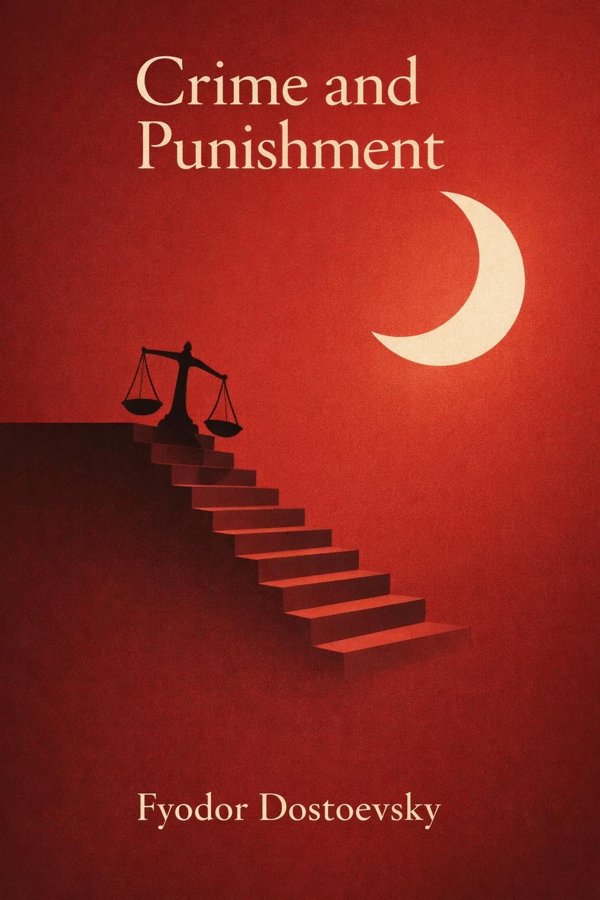
Crime and Punishment is one of the most penetrating novels ever written about guilt, morality, and the hidden motives that drive human behavior. Set in the oppressive heat and poverty of St. Petersburg, the story follows Rodion Raskolnikov, a former student who convinces himself that extraordinary people may step beyond ordinary moral laws. Acting on this idea, he commits a brutal crime and then discovers that intellectual justification offers no protection against conscience, fear, and spiritual collapse. What begins as a murder story becomes a profound psychological investigation into suffering, pride, alienation, and the possibility of redemption. Fyodor Dostoevsky matters because few writers have understood the contradictions of the human soul so deeply. Drawing on his own experiences with poverty, imprisonment, political persecution, and religious struggle, he created a novel that still feels startlingly modern. Crime and Punishment remains essential not only as a literary classic, but as a timeless study of how people rationalize wrongdoing, how guilt reshapes identity, and how truth can become the first step toward renewal.
Key Takeaways
- 1Ideas Can Become Dangerous Actions — A destructive act often begins long before the act itself, in the quiet acceptance of a dangerous idea. In Crime and Pun…
- 2Guilt Punishes Before Any Court — The most relentless punishment is often internal rather than legal. After the murder, Raskolnikov does not become triump…
- 3Pride Is a Form of Isolation — Pride does not always look like confidence; sometimes it looks like withdrawal, contempt, and a refusal to need anyone. …
 10 min read
Ordinary Men
by Christopher Browning
Ordinary Men by historian Christopher R. Browning is one of the most unsettling and important works ever written about the Holocaust. First published in 1992 and based largely on postwar testimonies and archival records, the book examines Reserve Police Battalion 101, a unit of middle-aged, working- and lower-middle-class German men who were not elite Nazi fanatics, yet became participants in mass shootings, deportations, and genocide in Nazi-occupied Poland. Browning’s central question is profoundly disturbing: how did seemingly ordinary people become killers? Rather than offering easy moral distance, he reconstructs the social pressures, career incentives, ideological conditioning, fear, conformity, and gradual moral erosion that made atrocity possible. The book matters because it shifts the focus from monstrous exceptions to human vulnerability under systems of power. Browning writes with scholarly restraint, moral seriousness, and deep archival rigor, making his argument both credible and devastating. Ordinary Men is not simply a history of one battalion; it is a warning about obedience, group loyalty, bureaucratic violence, and the terrifying capacity for evil embedded in everyday human behavior.
Key Takeaways
- 1Ordinary People Can Become Perpetrators — One of the most frightening truths in history is that mass murder is often carried out not by obvious monsters, but by p…
- 2The First Kill Is the Hardest — Atrocity often begins not with enthusiasm, but with a threshold crossing. Browning pays close attention to the battalion…
- 3Peer Pressure Can Overpower Conscience — People like to believe they would stand alone against wrongdoing, but Browning shows how rare and difficult that can be.…
 10 min read
Siddhartha
by Hermann Hesse
Siddhartha is Hermann Hesse’s luminous 1922 novel about a young man’s search for enlightenment in ancient India, during the era of the Buddha. What begins as the story of a gifted Brahmin’s son quickly becomes a universal exploration of dissatisfaction, desire, suffering, love, loss, and inner awakening. Siddhartha is not content to inherit wisdom secondhand. He wants truth that is lived, not merely taught, and that longing drives him through extreme asceticism, sensual pleasure, wealth, despair, and finally a quiet, profound reconciliation with life itself. The novel matters because it speaks to a question that remains urgent today: how do we find meaning in a world full of advice, ideologies, and distractions? Hesse’s answer is subtle and enduring. Real understanding cannot be borrowed from doctrines alone; it must be discovered through experience, reflection, and attention. Drawing on Indian spiritual traditions while writing for a modern Western audience, Hesse created a work that bridges cultures without losing psychological depth. A Nobel Prize-winning author celebrated for his insight into self-realization, Hesse makes Siddhartha both a spiritual parable and a deeply human coming-of-age story.
Key Takeaways
- 1The Dissatisfied Brahmin — A privileged life can still feel empty when the soul remains unanswered. At the beginning of Siddhartha, we meet a brill…
- 2Learning Through Self-Denial’s Limits — Escaping the world is not the same as understanding it. After leaving home, Siddhartha joins the Samanas, wandering asce…
- 3The Buddha Cannot Be Imitated — Even perfect teaching cannot spare us from having to live our own path. One of the most memorable moments in Siddhartha …
 10 min read
The Bell Jar
by Sylvia Plath
Sylvia Plath’s The Bell Jar is one of the most haunting and enduring novels of the twentieth century because it captures a crisis that feels both deeply personal and painfully universal: what happens when a gifted young woman can no longer live inside the roles the world has prepared for her. First published in 1963 under the pseudonym Victoria Lucas and later recognized as a semi-autobiographical work, the novel follows Esther Greenwood, a brilliant college student whose prestigious summer internship in New York should mark the beginning of a dazzling future. Instead, it exposes the emptiness beneath glamour, success, and social approval. As Esther returns home and spirals into depression, the novel becomes an intimate portrait of mental illness, alienation, and the struggle to claim an authentic self in a culture obsessed with female conformity. The Bell Jar matters not only as a literary classic, but as an unusually honest exploration of psychological suffering long before public conversations about mental health became common. Plath’s authority comes from the precision of her language, the sharpness of her social observation, and her unmatched ability to transform inner turmoil into unforgettable art.
Key Takeaways
- 1Glamour Can Deepen Alienation — Success does not always feel like arrival; sometimes it feels like exile in elegant clothing. At the start of The Bell J…
- 2Expectation Can Fracture Identity — A person can begin to disappear when every path forward feels chosen by someone else. After New York, Esther returns hom…
- 3Love Exposes the Gender Trap — Romance becomes dangerous when it is built on unequal freedom. In The Bell Jar, Esther’s relationships with men do not o…
 10 min read
The Brothers Karamazov
by Fyodor Dostoevsky
Few novels ask larger questions than The Brothers Karamazov. On its surface, Fyodor Dostoevsky’s final masterpiece is a family drama: a violent, greedy father is hated by his sons, rivalries intensify, and a murder shatters what little order remains. But beneath that gripping plot lies one of literature’s deepest explorations of faith, doubt, justice, guilt, freedom, morality, and the possibility of redemption. Through the contrasting personalities of Dmitri, Ivan, and Alyosha Karamazov, Dostoevsky turns one broken family into a portrait of the human soul itself. First published in 1880, the novel remains astonishingly modern because it confronts questions that still unsettle us: If God is absent, what guides our choices? Can reason alone sustain morality? Why do innocent people suffer? Are we responsible only for our own actions, or also for the pain we ignore in others? Dostoevsky writes with unusual authority because his own life was marked by political persecution, exile, poverty, illness, and profound spiritual struggle. The result is not merely a great Russian novel, but a timeless investigation into what it means to be human when love, desire, intellect, and conscience pull in different directions.
Key Takeaways
- 1A Family as a Moral Battlefield — Sometimes a family reveals more about human nature than any philosophy textbook. In The Brothers Karamazov, Dostoevsky b…
- 2Freedom Without Morality Becomes Chaos — Human beings often demand freedom, but Dostoevsky asks a harder question: freedom for what? One of the central tensions …
- 3Suffering Challenges Faith and Reason — It is easy to discuss morality in the abstract; it is much harder to defend meaning in the face of innocent suffering. O…
 10 min read
The Color Purple
by Alice Walker
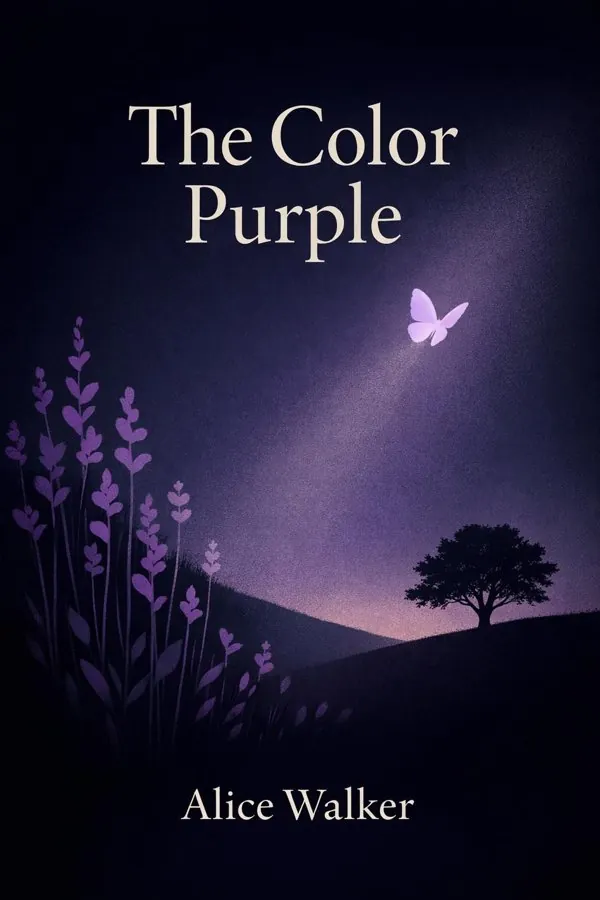
Some novels tell a story; The Color Purple changes the way you hear a human voice. Alice Walker’s landmark 1982 novel is an epistolary work set in the early 20th-century American South, where letters become the fragile yet powerful thread holding together a life marked by violence, separation, racism, and silence. At its center is Celie, a Black woman whose early years are shaped by abuse and forced submission, but whose spirit slowly transforms through love, friendship, work, and self-discovery. As the novel unfolds, Walker reveals not only Celie’s suffering, but also her astonishing capacity to grow into freedom. The book matters because it does more than portray oppression; it insists on the possibility of healing without denying the depth of the wounds. Through Celie, Nettie, Shug Avery, Sofia, and others, Walker explores gender, power, race, sexuality, faith, and the meaning of dignity. Walker’s authority comes not only from her literary brilliance, which earned her the Pulitzer Prize and National Book Award, but from her lifelong commitment to telling the truth about Black women’s lives with tenderness, courage, and moral clarity.
Key Takeaways
- 1Celie’s Early Letters: Silence and Survival — Sometimes the first act of freedom is simply finding a place to speak, even if no one answers. At the beginning of The C…
- 2Life with Mr.___: The Cage of Servitude — Oppression often becomes most dangerous when it is mistaken for ordinary life. When Celie is forced into marriage with M…
- 3Shug Avery and the Awakening — Transformation often begins when someone sees in us what we have never been allowed to see in ourselves. Shug Avery ente…
 10 min read
2666
by Roberto Bolaño
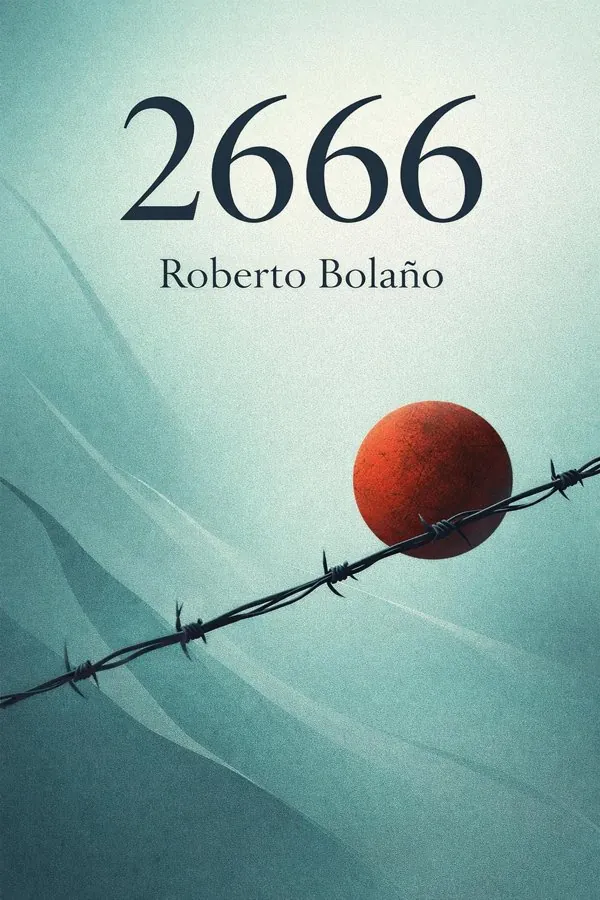
Roberto Bolaño’s 2666 is one of the most ambitious novels of the modern era: vast in scope, unsettling in mood, and unforgettable in its moral force. Published posthumously in 2004, the book unfolds in five interconnected parts that move from European literary circles to the haunted border city of Santa Teresa, a fictional stand-in for Ciudad Juárez. Along the way, Bolaño explores obsession, exile, intellectual vanity, historical violence, and the brutal murders of women that form the novel’s dark center. Rather than offering a neat plot, 2666 builds an entire landscape of fear, mystery, and human contradiction. Its power lies in how it links art and atrocity, private desire and public catastrophe, showing how culture can illuminate evil while also failing to stop it. Bolaño writes with the authority of a novelist who lived through political upheaval, migration, and marginal artistic life, and his work carries the urgency of lived experience. 2666 matters because it refuses simplification: it asks how we go on thinking, reading, and loving in a world where horror is both ordinary and unbearable.
Key Takeaways
- 1The Critics and the Seduction of Culture — A shared passion can unite people just as powerfully as love, ambition, or fear. The opening section of 2666 introduces …
- 2Amalfitano and the Borderline of Reason — Sometimes the most accurate response to a broken world is not clarity but disorientation. In the second part of 2666, Bo…
- 3Fate, Journalism, and Witnessing Violence — The outsider often sees what insiders have learned not to notice. In “The Part About Fate,” Bolaño follows Oscar Fate, a…
 10 min read
62: A Model Kit
by Julio Cortázar
Julio Cortázar’s 62: A Model Kit is not a conventional novel so much as an intricate literary device: a book designed to be assembled by the reader. First published in 1968 and developed from a concept briefly introduced in Hopscotch, it follows a loose constellation of characters moving through Paris, London, Vienna, and other European settings, yet it resists the familiar comforts of linear plot, psychological certainty, and stable meaning. Instead, Cortázar creates a world of echoes, symbols, repetitions, and invisible connections, where conversations, gestures, and objects seem charged with hidden patterns. What makes the novel matter is precisely this refusal to behave like ordinary fiction. It asks whether reality itself may be fragmented, whether identity is composed rather than given, and whether language reveals the world or distorts it. Cortázar, one of the defining innovators of the Latin American Boom, brings to the book his signature blend of playfulness, philosophical depth, and formal daring. The result is a challenging but rewarding classic that transforms reading into an active, unsettling, and deeply imaginative act.
Key Takeaways
- 1Fragmented Beginnings and Urban Dislocation — A story can begin by disorienting you, and in Cortázar’s hands that disorientation becomes the point. 62: A Model Kit op…
- 2Dream Logic Governs the Novel’s Reality — Some books describe dreams; this one makes reality behave like one. As 62: A Model Kit progresses, the boundary between …
- 3Language and Translation Shape Experience — We often imagine language as a transparent tool, but Cortázar treats it as a force that bends reality. In 62: A Model Ki…
 10 min read
A Christmas Carol
by Charles Dickens
A Christmas Carol is a novella by Charles Dickens first published in 1843. It tells the story of Ebenezer Scrooge, a miserly old man who is visited by the ghosts of Christmas Past, Present, and Yet to Come. Through these supernatural encounters, Scrooge undergoes a profound transformation, learning compassion and the true spirit of Christmas.
Key Takeaways
- 1Marley’s Ghost: The Warning in Chains — When the story begins, Jacob Marley has been dead these seven years. Yet even in death, I would not allow him rest, for …
- 2The Ghost of Christmas Past: Shadows of Lost Warmth — Into the quiet of the night comes the first spirit, radiant like the tender light of dawn—neither child nor old man, a b…
- 3The Ghost of Christmas Present: The Human Feast of Fellowship
 10 min read
A Farewell to Arms
by Ernest Hemingway
A Farewell to Arms is a novel set during World War I, telling the story of an American ambulance driver in the Italian army and his love affair with a British nurse. The book explores themes of love, war, loss, and the search for meaning amid chaos.
Key Takeaways
- 1At the Italian Front: Disillusionment and Duty — I placed Lieutenant Frederic Henry in the trenches of the Italian front because that was where life and meaning were mos…
- 2Love in the Time of War: Frederic and Catherine — When Frederic meets Catherine Barkley, I wanted the reader to feel the collision of two wounded souls. Catherine is a Br…
- 3Retreat and Desertion: The Collapse of Illusion
 10 min read
A Girl Is a Half-Formed Thing
by Eimear McBride
A Girl Is a Half-Formed Thing is a fearless, unsettling novel about a young Irish woman trying to survive the forces that shape and damage her: family loyalty, sexual violence, religious repression, shame, grief, and the unbearable intimacy of a brother’s illness. Told in a fractured stream-of-consciousness voice, the book plunges readers directly into a mind still forming itself, where language breaks apart under emotional pressure and experience arrives before explanation. The result is not just a story about trauma, but an experience of consciousness under strain. What makes the novel matter so deeply is its refusal to tidy suffering into a lesson or a sentimental arc. McBride shows how identity can be warped by secrecy, silence, and systems of control, especially for young women raised in environments where obedience is prized over truth. At the center of the book is the narrator’s bond with her brother, whose brain tumor becomes the emotional axis of her life. Eimear McBride’s authority comes from her extraordinary command of voice and form. Widely celebrated as one of the most original contemporary novelists, she transformed modernist experimentation into something raw, immediate, and devastatingly alive.
Key Takeaways
- 1Consciousness Fractured by Illness and Fear — A child’s world is often organized by what adults refuse to explain. In this novel, the girl’s consciousness begins unde…
- 2Religion as Shelter and Emotional Cage — Faith can offer comfort, but in this novel it also becomes a language for control. The mother’s religious devotion satur…
- 3Learning Suffering Before Learning Language — One of the novel’s deepest insights is that children often encounter suffering long before they can interpret it. The gi…
 10 min read
A Journal of the Plague Year
by Daniel Defoe
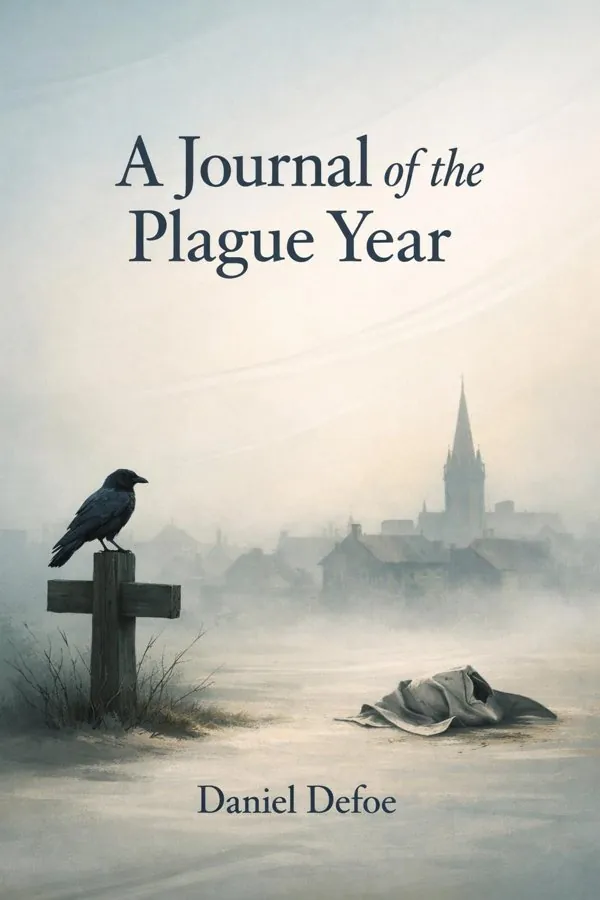
A Journal of the Plague Year is Daniel Defoe’s haunting reconstruction of London during the Great Plague of 1665, told through the voice of a sober, observant narrator usually identified as “H.F.” First published in 1722, the book reads like eyewitness testimony, blending statistics, street scenes, moral reflection, rumor, and reportage into one of the most convincing depictions of epidemic life ever written. Defoe was only a child during the actual plague, yet his gifts as a journalist, pamphleteer, and social observer allowed him to transform historical records and oral memory into a vivid narrative of fear, denial, quarantine, grief, and survival. What makes the book endure is not only its historical value but its psychological truth. Defoe shows how people respond when ordinary life collapses: some become selfish, some generous, some irrational, some brave, and most a mixture of all four. In an age newly familiar with public health crises, misinformation, and social fragmentation, A Journal of the Plague Year feels startlingly modern. It is both a document of one city’s ordeal and a timeless study of human behavior under pressure.
Key Takeaways
- 1Early Signs of the Plague’s Arrival — Disaster rarely begins with certainty; it begins with whispers. Defoe opens his account by showing how plague entered Lo…
- 2Government and Civic Responses — A plague tests not only bodies but institutions. One of Defoe’s central concerns is how public authorities try to govern…
- 3The Spread of Infection and Public Panic — Fear can spread faster than disease, and Defoe shows that epidemics always have two contagions: the medical one and the …
 10 min read
A Little Princess
by Frances Hodgson Burnett
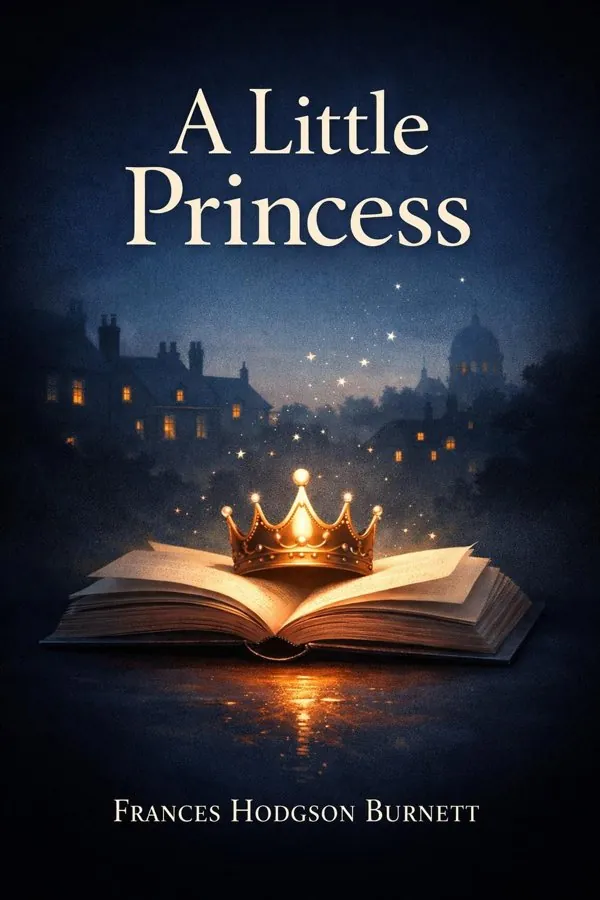
A Little Princess is a classic children's novel that tells the story of Sara Crewe, a young girl sent to a London boarding school while her father serves in India. When tragedy strikes and she loses her fortune, Sara is reduced to servitude but maintains her kindness, imagination, and dignity. Her resilience and compassion ultimately lead to a reversal of fortune and a heartwarming resolution.
Key Takeaways
- 1Sara’s Life as a Little Princess — When Sara Crewe first arrives at Miss Minchin’s Select Seminary, she is more than just another student—she becomes its c…
- 2Enduring the Fall: Dignity in Servitude — Miss Minchin’s heart hardens in proportion to Sara’s misfortune. With her father gone and no inheritance to claim, Sara …
- 3The Magic Next Door: Fortune’s Quiet Turning
Want the full summary?
Get instant access to this book summary and 100K+ more with Fizz Moment.
Get Free SummaryAvailable on App Store • Free to download
About This List
These timeless novels have shaped literature and culture for centuries. They explore the depths of human experience in ways that remain profoundly relevant.
This list features 15 carefully selected books. With FizzRead, you can read AI-powered summaries of each book in just 15 minutes. Get the key takeaways and start applying the insights immediately.
Ready to start reading?
Get instant access to all 15 book summaries and 100K+ more with FizzRead.