

Niall Ferguson Books
Niall Ferguson is a British historian and senior fellow at the Hoover Institution, Stanford University. He is known for his works on economic and financial history, empire, and international relations, including 'The Ascent of Money' and 'Empire: How Britain Made the Modern World.
Known for: Civilization: The West and the Rest, Colossus: The Rise and Fall of the American Empire, Doom: The Politics of Catastrophe, Empire: How Britain Made the Modern World, The Ascent Of Money: A Financial History Of The World, The Great Degeneration: How Institutions Decay and Economies Die, The House of Rothschild: Money's Prophets 1798–1848, The Square and the Tower: Networks and Power, from the Freemasons to Facebook
Books by Niall Ferguson
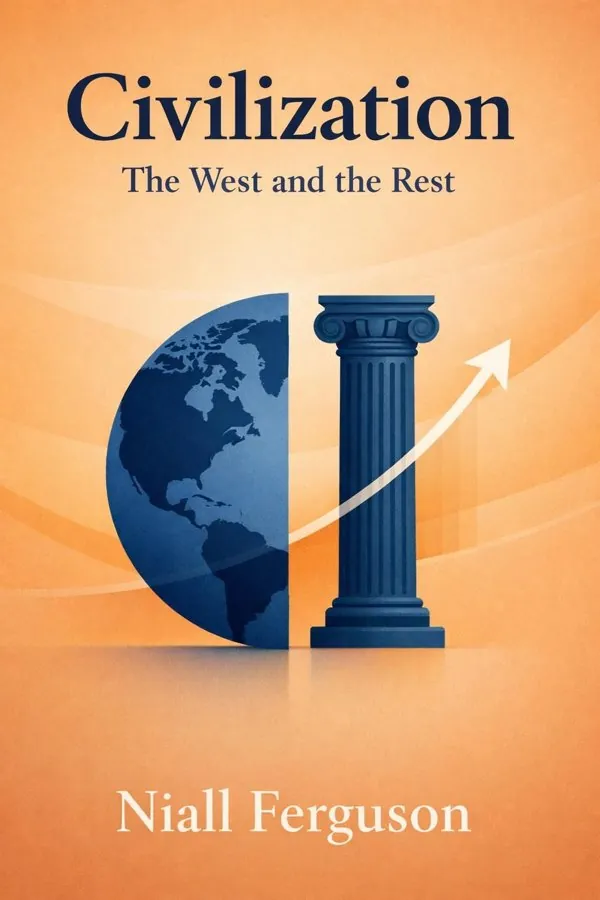
Civilization: The West and the Rest
Why did a cluster of relatively small Western states come to dominate much of the world after 1500, while older and often more advanced civilizations fell behind? In Civilization: The West and the Res...
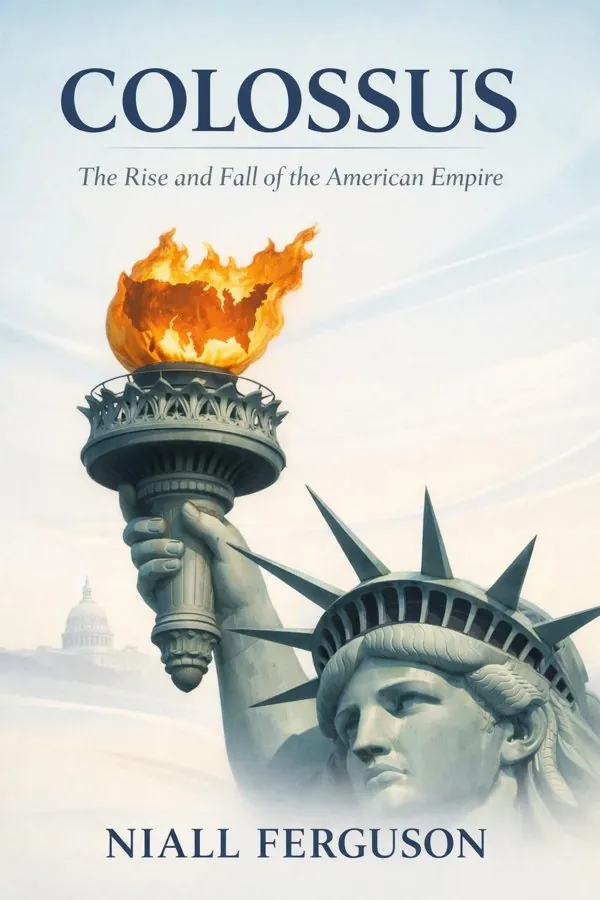
Colossus: The Rise and Fall of the American Empire
In this work, historian Niall Ferguson examines the United States as a modern empire, arguing that in both military and economic terms it is the most powerful empire the world has ever seen. He explor...
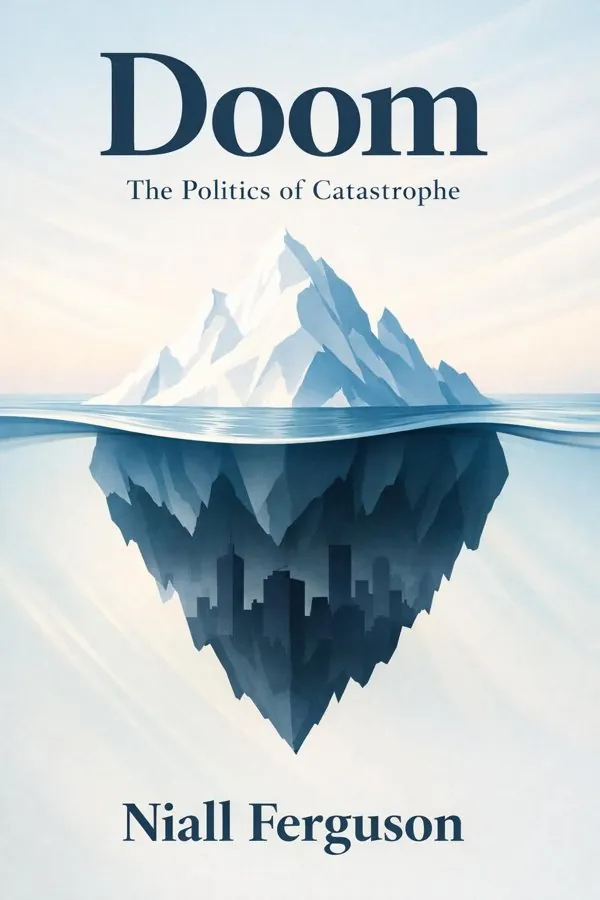
Doom: The Politics of Catastrophe
Why do some societies survive catastrophe with surprising resilience while others collapse into confusion, blame, and institutional failure? In Doom: The Politics of Catastrophe, historian Niall Fergu...
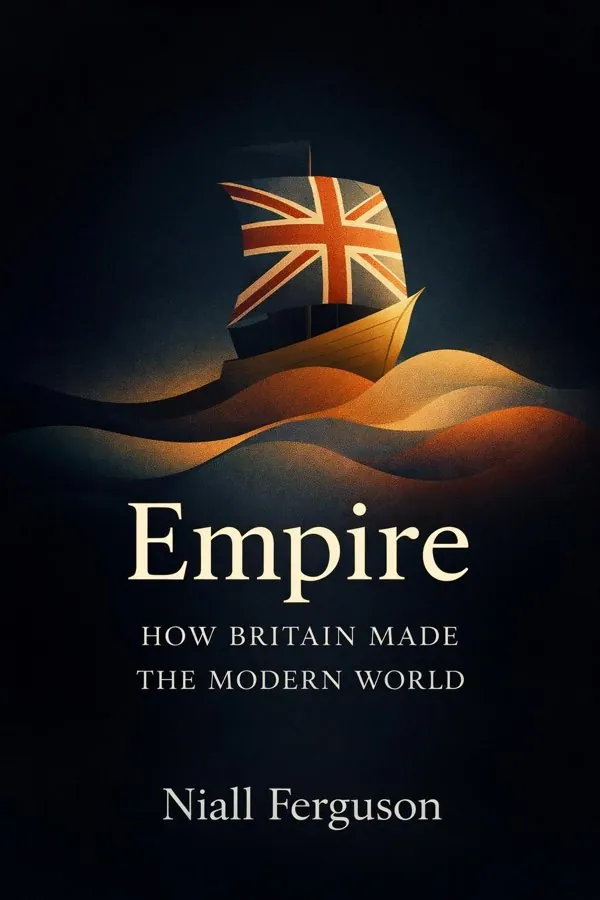
Empire: How Britain Made the Modern World
This book explores the rise and global influence of the British Empire, arguing that its legacy shaped the modern world through trade, governance, and cultural exchange. Ferguson presents a revisionis...
The Ascent Of Money: A Financial History Of The World
The Ascent of Money traces the evolution of finance from ancient Mesopotamia to the modern global economy. Niall Ferguson explores how money, credit, and banking have shaped human history, driving emp...
The Great Degeneration: How Institutions Decay and Economies Die
In this book, historian Niall Ferguson argues that the Western world is experiencing institutional decline. He examines the deterioration of key pillars of Western civilization—democracy, capitalism, ...
The House of Rothschild: Money's Prophets 1798–1848
What does it take for one family to rise from the confined world of the Frankfurt ghetto to the commanding heights of European finance? In The House of Rothschild: Money's Prophets 1798–1848, Niall Fe...
The Square and the Tower: Networks and Power, from the Freemasons to Facebook
Power rarely works the way official charts suggest. Governments, churches, armies, and corporations present themselves as orderly hierarchies, yet history is also driven by looser, less visible webs o...
Key Insights from Niall Ferguson
Competition Built Western Dynamism
Great civilizations do not always decline because they lack talent; often they stagnate because they face too little pressure to improve. Ferguson begins with competition because he sees it as the foundational advantage that set the West apart from more centralized empires. Early modern Europe was p...
From Civilization: The West and the Rest
Science Became Organized Power
Knowledge changes history only when a society learns how to systematize, test, and apply it. Ferguson argues that science was the West’s second great advantage, not because other civilizations lacked intelligence or technical skill, but because Europe developed institutions that transformed curiosit...
From Civilization: The West and the Rest
Property Rights Enabled Productive Freedom
People invest in the future when they believe they can keep the rewards of their effort. Ferguson treats property rights and the rule of law as one of the West’s decisive institutional breakthroughs. Economic growth did not emerge simply because people worked hard; it accelerated when legal systems ...
From Civilization: The West and the Rest
Medicine Extended Life and Empire
Power is not only a matter of armies and wealth; it is also a matter of who survives. Ferguson identifies medicine as one of the West’s “killer applications” because advances in public health, disease control, and medical science dramatically expanded both human life and state capacity. Western soci...
From Civilization: The West and the Rest
Consumerism Reshaped Desire and Industry
Civilizations do not rise only by producing more; they rise by creating populations eager to buy, imitate, and aspire. Ferguson’s chapter on consumerism argues that Western power was strengthened by a distinctive material culture in which ordinary people increasingly participated in markets for good...
From Civilization: The West and the Rest
The Work Ethic Powered Expansion
Prosperity depends not only on institutions and technology but also on the moral habits that shape how people use them. Ferguson includes the work ethic among the West’s decisive advantages, drawing on the long-standing argument that certain strands of Protestant Christianity encouraged discipline, ...
From Civilization: The West and the Rest
About Niall Ferguson
Niall Ferguson is a British historian and senior fellow at the Hoover Institution, Stanford University. He is known for his works on economic and financial history, empire, and international relations, including 'The Ascent of Money' and 'Empire: How Britain Made the Modern World.'


Frequently Asked Questions
Niall Ferguson is a British historian and senior fellow at the Hoover Institution, Stanford University. He is known for his works on economic and financial history, empire, and international relations, including 'The Ascent of Money' and 'Empire: How Britain Made the Modern World.
Read Niall Ferguson's books in 15 minutes
Get AI-powered summaries with key insights from 8 books by Niall Ferguson.