
Edward O. Wilson Books
Edward Osborne Wilson (1929–2021) was an American biologist, naturalist, and author, renowned for his pioneering work in sociobiology, biodiversity, and conservation. A two-time Pulitzer Prize winner, Wilson was a professor at Harvard University and one of the most influential scientists of the 20th century.
Known for: The Meaning of Human Existence, The Origins of Creativity, Consilience: The Unity of Knowledge, Journey to the Ants: A Story of Scientific Exploration, On Human Nature, Sociobiology: The New Synthesis, The Ants, The Diversity of Life, The Future of Life, The Naturalist, The Social Conquest of Earth
Books by Edward O. Wilson
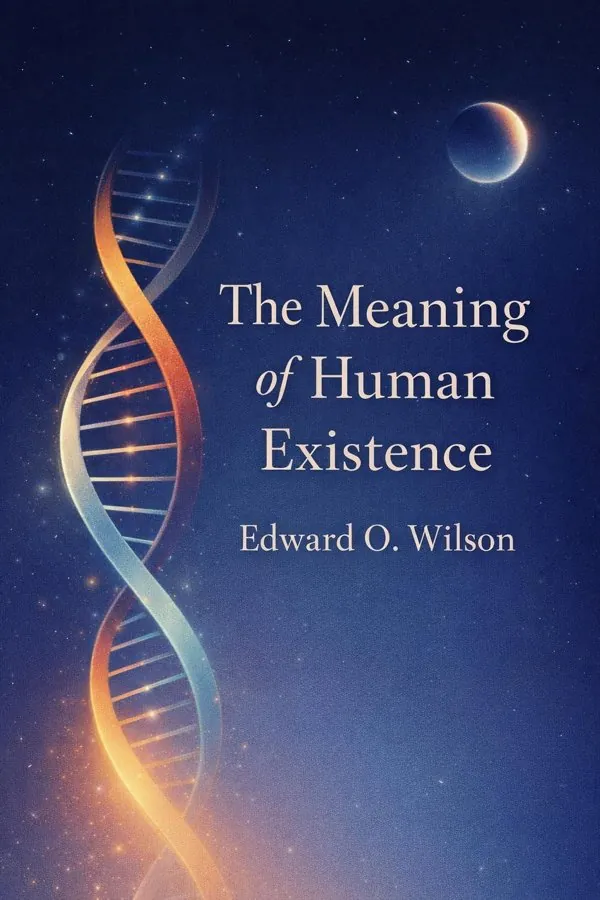
The Meaning of Human Existence
What does it mean to be human in a universe shaped by evolution, chance, and consciousness? In The Meaning of Human Existence, renowned biologist Edward O. Wilson confronts one of humanity’s oldest qu...
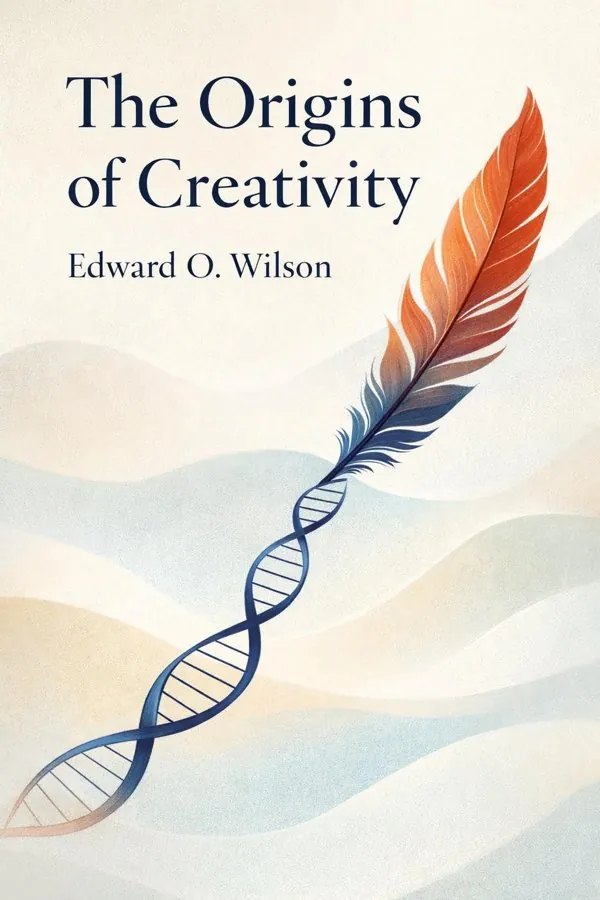
The Origins of Creativity
What makes human beings uniquely creative, and why did art, storytelling, music, and symbolic thought emerge at all? In The Origins of Creativity, celebrated biologist Edward O. Wilson tackles these q...
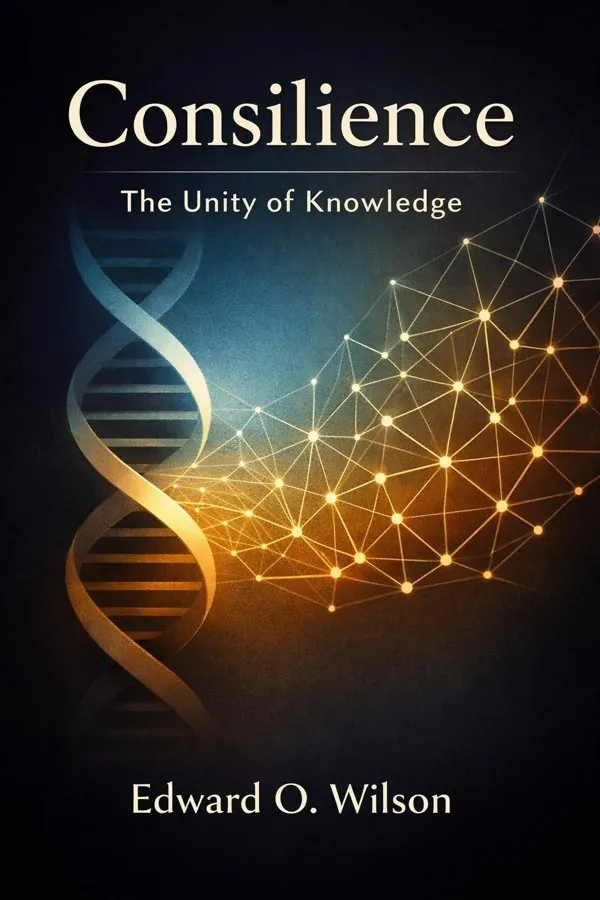
Consilience: The Unity of Knowledge
What if the deepest problems of human life could not be solved within the walls of a single discipline? In Consilience: The Unity of Knowledge, Edward O. Wilson makes the bold case that the sciences, ...
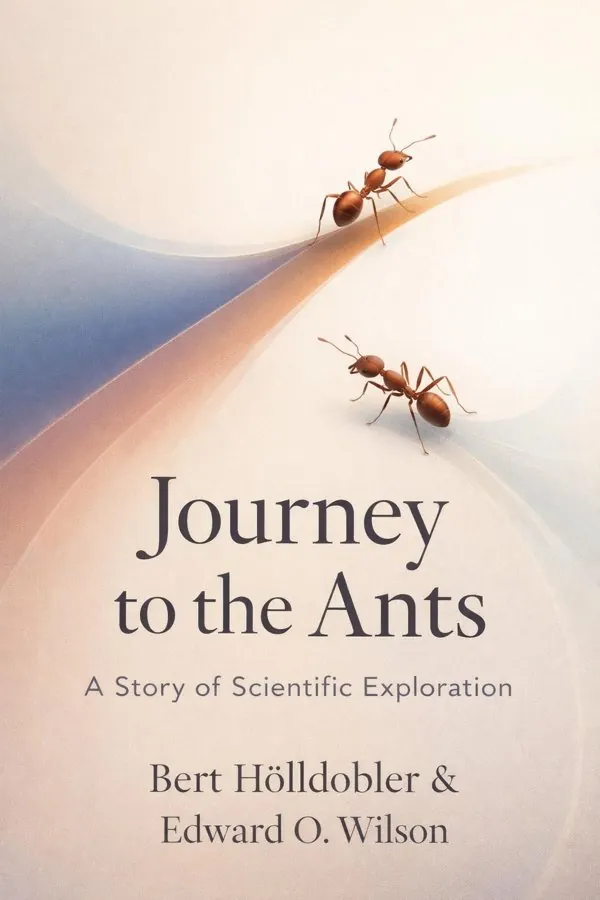
Journey to the Ants: A Story of Scientific Exploration
Journey to the Ants: A Story of Scientific Exploration is far more than a nature book about tiny insects. It is an invitation into one of the most sophisticated societies on Earth, told by two of the ...
On Human Nature
In On Human Nature, Edward O. Wilson asks one of the oldest and most difficult questions in intellectual history: what, exactly, are human beings? His answer is bold, controversial, and deeply influen...
Sociobiology: The New Synthesis
Edward O. Wilson’s Sociobiology: The New Synthesis is one of the most ambitious scientific works of the twentieth century: a sweeping attempt to explain social behavior through evolution. Drawing on e...
The Ants
What looks like a tiny insect crossing the ground is, in fact, part of one of the most advanced social systems on Earth. In The Ants, Bert Hölldobler and Edward O. Wilson deliver a monumental explorat...
The Diversity of Life
Edward O. Wilson’s The Diversity of Life is both a scientific exploration and a moral appeal. In this landmark book, Wilson examines how Earth became home to millions of species, how those species are...
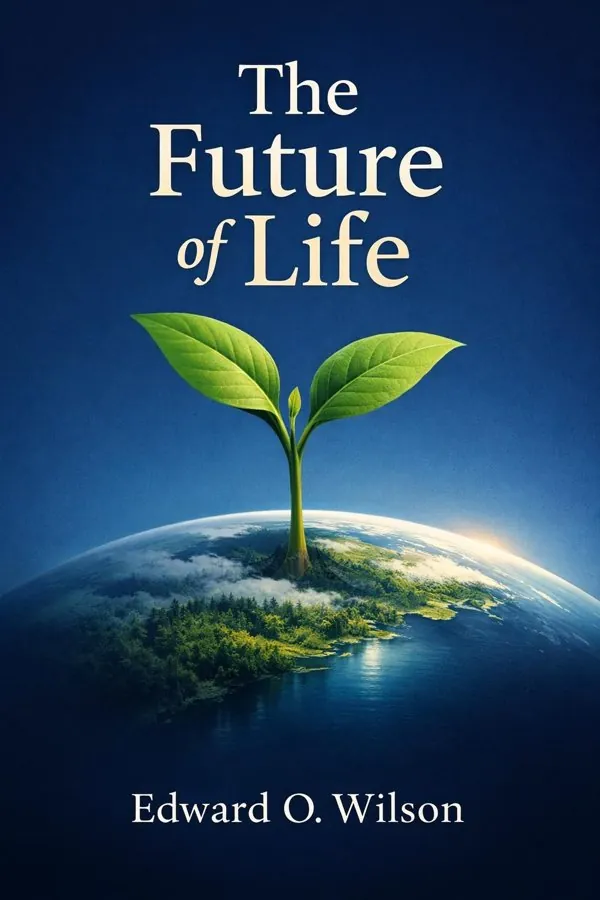
The Future of Life
The Future of Life is Edward O. Wilson’s urgent, elegant argument that humanity has become powerful enough to damage the living systems it depends on—and wise enough, if it chooses, to protect them. B...
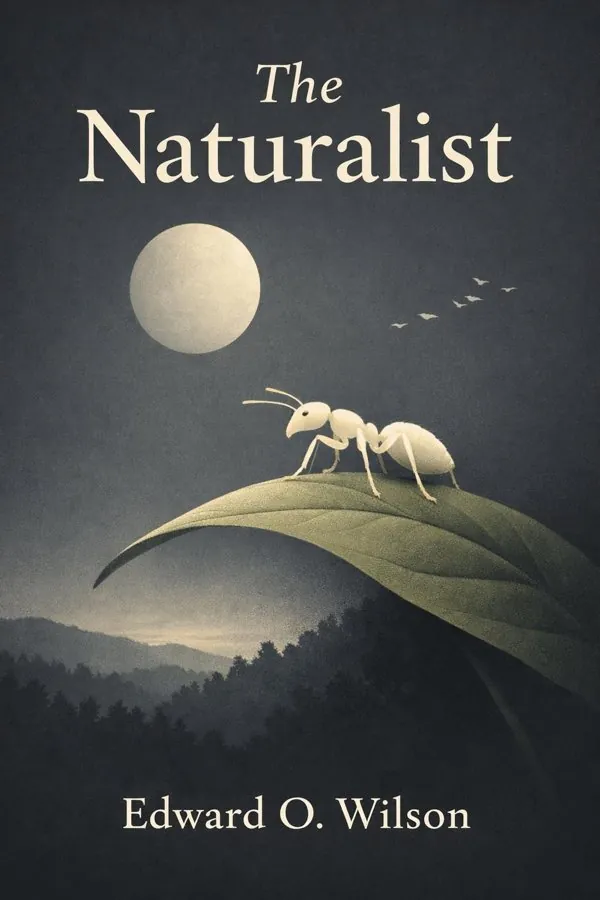
The Naturalist
The Naturalist is Edward O. Wilson’s deeply personal account of how a boy enchanted by insects, forests, and shorelines became one of the world’s most influential biologists. More than a standard auto...
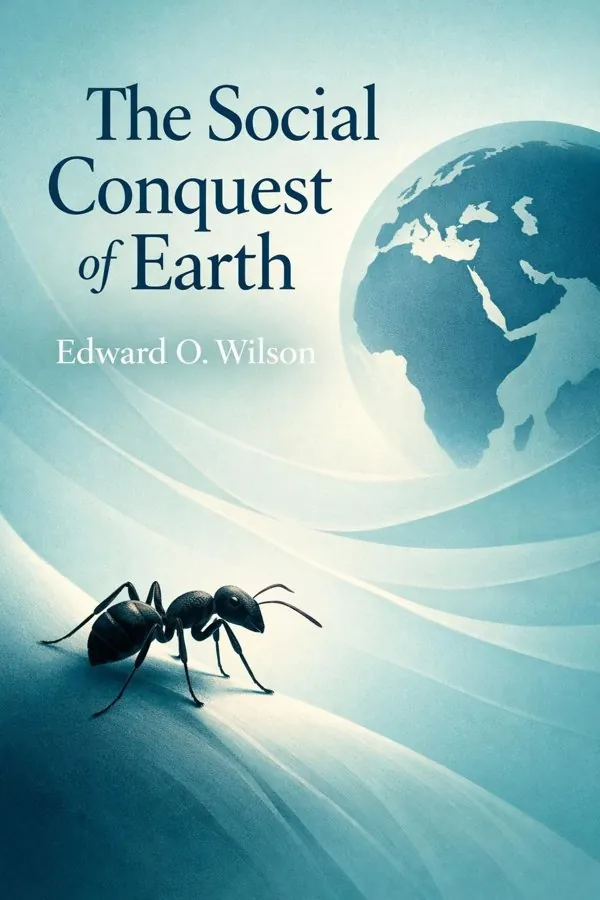
The Social Conquest of Earth
In this landmark work, biologist Edward O. Wilson explores the evolutionary origins of human society. He argues that the key to understanding humanity’s success lies in the interplay between individua...
Key Insights from Edward O. Wilson
Science Reframes Humanity’s Biggest Question
The search for meaning becomes more grounded when we stop asking only why we exist and begin asking how we came to exist. Edward O. Wilson argues that the meaning of human existence cannot be separated from the scientific story of our origins. Instead of treating human life as an exception to nature...
From The Meaning of Human Existence
Human Nature Is Inherently Contradictory
One of the most unsettling truths about humanity is that our noblest virtues and darkest impulses come from the same evolutionary inheritance. Wilson emphasizes that human beings are not purely selfish or purely altruistic. We are a conflicted species, shaped by selection pressures that rewarded coo...
From The Meaning of Human Existence
Culture and Biology Evolve Together
Human beings are not shaped by genes alone or culture alone, but by a continuous conversation between the two. Wilson argues that one of the defining features of our species is gene-culture coevolution: biological dispositions influence the kinds of cultures we build, while culture in turn changes w...
From The Meaning of Human Existence
Religion and Science Serve Different Roles
People often turn to religion for meaning and to science for explanation, but Wilson argues that confusion begins when one is asked to do the work of the other. He treats religion as a powerful human cultural force, capable of inspiring belonging, sacrifice, and moral order, yet he insists that scie...
From The Meaning of Human Existence
Biodiversity Is Humanity’s Moral Test
The fate of the natural world is not a side issue to human meaning; for Wilson, it is one of its central measures. As one of the world’s leading naturalists, he argues that biodiversity is both scientifically priceless and morally significant. Every species represents an irreplaceable outcome of evo...
From The Meaning of Human Existence
Humanity Is A Cosmic Accident With Responsibility
Perhaps the most humbling claim in the book is that humanity may not be the inevitable goal of the universe. Wilson suggests that our species is the product of contingency—countless evolutionary accidents, environmental pressures, and improbable turns. This means human beings are neither cosmically ...
From The Meaning of Human Existence
About Edward O. Wilson
Edward Osborne Wilson (1929–2021) was an American biologist, naturalist, and author, renowned for his pioneering work in sociobiology, biodiversity, and conservation. A two-time Pulitzer Prize winner, Wilson was a professor at Harvard University and one of the most influential scientists of the 20th...
Read more
Edward Osborne Wilson (1929–2021) was an American biologist, naturalist, and author, renowned for his pioneering work in sociobiology, biodiversity, and conservation. A two-time Pulitzer Prize winner, Wilson was a professor at Harvard University and one of the most influential scientists of the 20th...
Edward Osborne Wilson (1929–2021) was an American biologist, naturalist, and author, renowned for his pioneering work in sociobiology, biodiversity, and conservation. A two-time Pulitzer Prize winner, Wilson was a professor at Harvard University and one of the most influential scientists of the 20th century.


Frequently Asked Questions
Edward Osborne Wilson (1929–2021) was an American biologist, naturalist, and author, renowned for his pioneering work in sociobiology, biodiversity, and conservation. A two-time Pulitzer Prize winner, Wilson was a professor at Harvard University and one of the most influential scientists of the 20th century.
Read Edward O. Wilson's books in 15 minutes
Get AI-powered summaries with key insights from 11 books by Edward O. Wilson.