
A Manual For Living: Summary & Key Insights
by Epictetus
 10 min11 chaptersAudio available
What Is A Manual For Living About?
A Manual For Living by Epictetus is a eastern_wisdom book spanning 11 pages. A Manual for Living presents the essence of Stoic philosophy through concise aphorisms that guide readers toward happiness, tranquility, and virtue in everyday life. This compact work distills Epictetus’s timeless teachings on self-mastery, rational thought, and acceptance of what cannot be controlled, offering practical wisdom for achieving serenity and moral strength.
This FizzRead summary covers all 11 key chapters of A Manual For Living in approximately 10 minutes, distilling the most important ideas, arguments, and takeaways from Epictetus's work. Also available as an audio summary and Key Quotes Podcast.
A Manual For Living
A Manual for Living presents the essence of Stoic philosophy through concise aphorisms that guide readers toward happiness, tranquility, and virtue in everyday life. This compact work distills Epictetus’s timeless teachings on self-mastery, rational thought, and acceptance of what cannot be controlled, offering practical wisdom for achieving serenity and moral strength.
Who Should Read A Manual For Living?
This book is perfect for anyone interested in eastern_wisdom and looking to gain actionable insights in a short read. Whether you're a student, professional, or lifelong learner, the key ideas from A Manual For Living by Epictetus will help you think differently.
- ✓Readers who enjoy eastern_wisdom and want practical takeaways
- ✓Professionals looking to apply new ideas to their work and life
- ✓Anyone who wants the core insights of A Manual For Living in just 10 minutes
Want the full summary?
Get instant access to this book summary and 100K+ more with Fizz Moment.
Get Free SummaryAvailable on App Store • Free to download
Key Chapters
Every lesson I impart builds upon this foundation: freedom lies in recognizing what belongs to you and what does not. Your opinions, impulses, desires, and aversions—these are yours. Wealth, reputation, health, and the actions of others are not. To confuse the two is to invite suffering; to separate them is to find peace.
Most people live enslaved, not by tyrants, but by their own mistaken thoughts. They believe happiness depends upon outcomes and other people’s approval. But even the emperor cannot control the turn of the seasons or the whisper of gossip. What truly belongs to you cannot be taken away, because it lies in the domain of choice—the realm of the will. If you guard your judgments and desires, you possess the only fortress that can never fall.
I often compare this mastery to a well-trained archer. You control your aim, your draw, your breath—but once the arrow leaves your bow, its path is already subject to wind and chance. To grieve over the missed target is folly; to rejoice in the precision of your effort is wisdom. In this way, peace begins not in victory but in alignment with reason. When you finally accept what the universe governs, you will cease to fight against it and begin to flow with it.
If you wish to be free, you must rewrite the script of desire. Want what reason teaches is right; turn away from what reason warns will bind you. This means training not to crave things outside your power, nor to fear their loss. The Stoic does not extinguish passion but guides it.
When you awaken each morning, the world will tempt you—status, admiration, comfort. Yet none of these offer lasting control. I remind myself and my students: every desire should obey Nature’s law, not the whims of fantasy. You will still feel longing; the task is to direct it toward virtue. Desire should point toward wisdom, courage, moderation, justice—not the transitory pleasures that vanish with circumstance.
In the same way, aversion must be enlightened. Do not recoil from poverty, pain, or death—they belong to the cycle of the world. Instead, fear only the loss of integrity. A person who keeps their reason intact under adversity is untouched by fortune’s cruelty. To learn this discipline is to become invulnerable; you may lose things, but not yourself.
+ 9 more chapters — available in the FizzRead app
All Chapters in A Manual For Living
About the Author
Epictetus (circa 55–135 CE) was a Greek Stoic philosopher born in Hierapolis, Phrygia. Originally a slave in Rome, he later gained his freedom and founded a philosophy school in Nicopolis, Greece. His teachings, recorded by his student Arrian, emphasize ethics, self-discipline, and the pursuit of inner freedom through reason and virtue.
Get This Summary in Your Preferred Format
Read or listen to the A Manual For Living summary by Epictetus anytime, anywhere. FizzRead offers multiple formats so you can learn on your terms — all free.
Available formats: App · Audio · PDF · EPUB — All included free with FizzRead
Download A Manual For Living PDF and EPUB Summary
Key Quotes from A Manual For Living
“Every lesson I impart builds upon this foundation: freedom lies in recognizing what belongs to you and what does not.”
“If you wish to be free, you must rewrite the script of desire.”
Frequently Asked Questions about A Manual For Living
A Manual For Living by Epictetus is a eastern_wisdom book that explores key ideas across 11 chapters. A Manual for Living presents the essence of Stoic philosophy through concise aphorisms that guide readers toward happiness, tranquility, and virtue in everyday life. This compact work distills Epictetus’s timeless teachings on self-mastery, rational thought, and acceptance of what cannot be controlled, offering practical wisdom for achieving serenity and moral strength.
More by Epictetus

You Might Also Like

A New Earth
Eckhart Tolle
10 min
The Daily Stoic
Ryan Holiday, Stephen Hanselman
10 min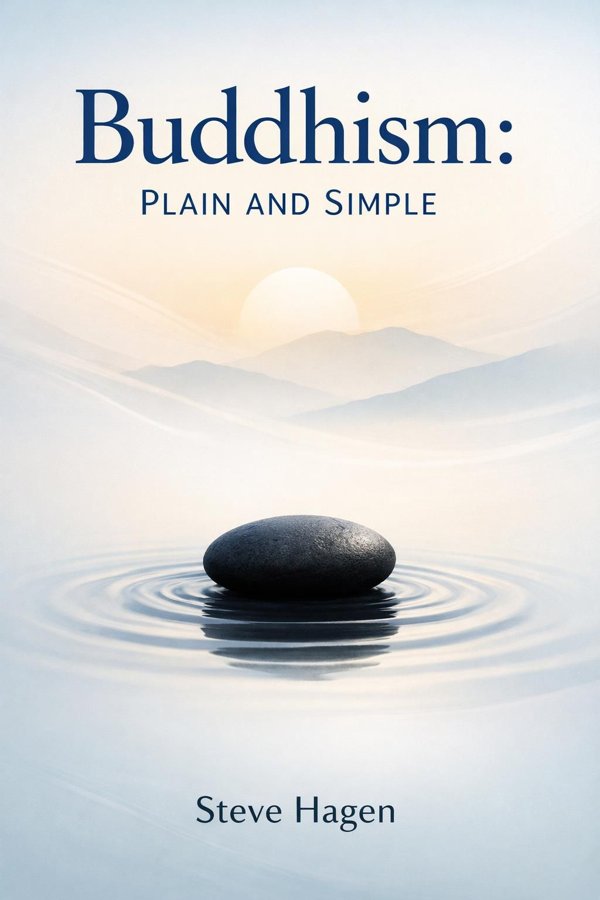
Buddhism: Plain and Simple
Steve Hagen
10 min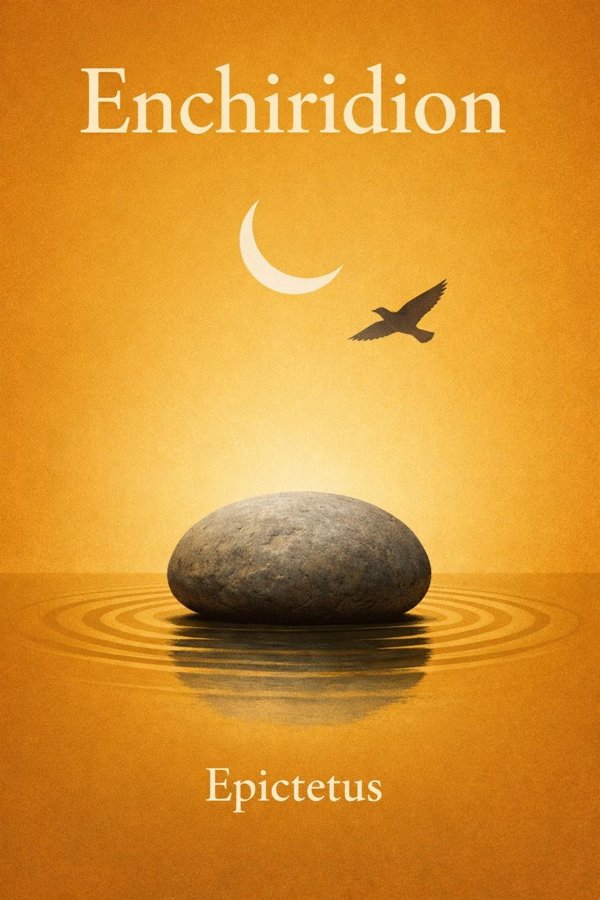
Enchiridion
Epictetus
10 min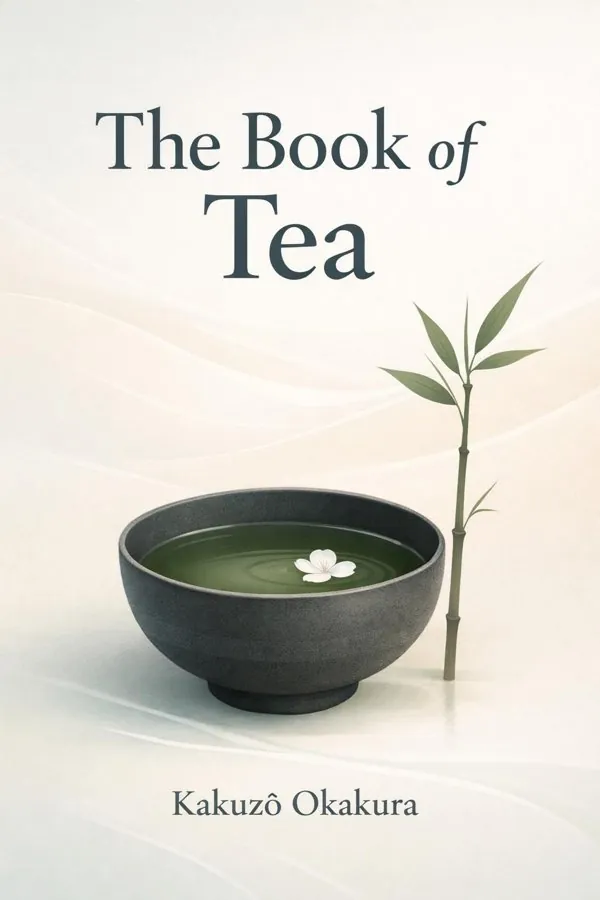
The Book of Tea
Kakuzō Okakura
10 min
The Light We Give: How Sikh Wisdom Can Transform Your Life
Simran Jeet Singh
10 minFeatured In
Browse by Category
Ready to read A Manual For Living?
Get the full summary and 100K+ more books with Fizz Moment.