

Epictetus Books
Epictetus (c. 50–135 CE) was a Greek Stoic philosopher born into slavery in the Roman Empire.
Known for: Enchiridion, A Manual For Living, Discourses and Selected Writings, How to Be Free, The Art of Living: The Classical Manual on Virtue, Happiness, and Effectiveness
Books by Epictetus
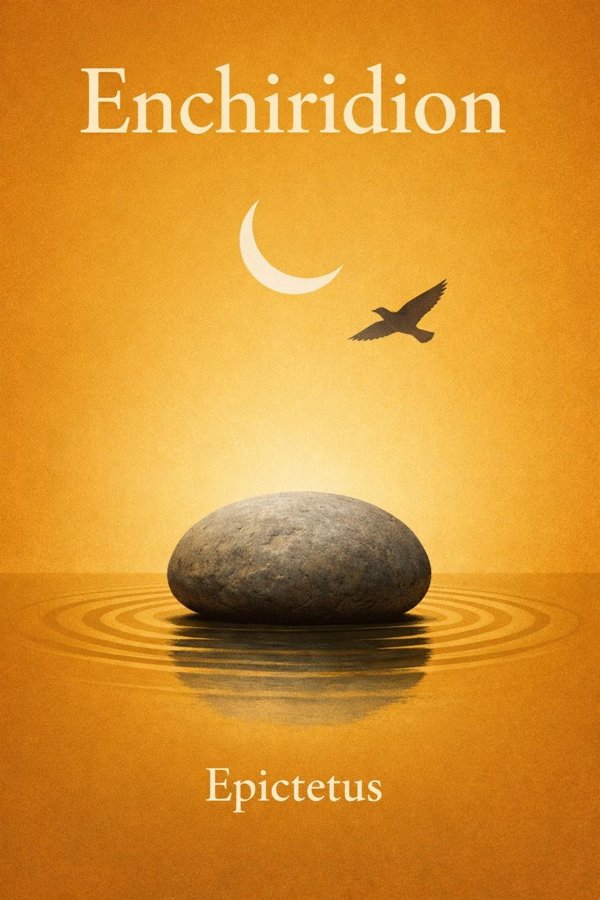
Enchiridion
The Enchiridion, or "Handbook," is one of the clearest and most enduring guides to inner freedom ever written. Attributed to the Stoic teacher Epictetus and compiled by his student Arrian, this brief ...
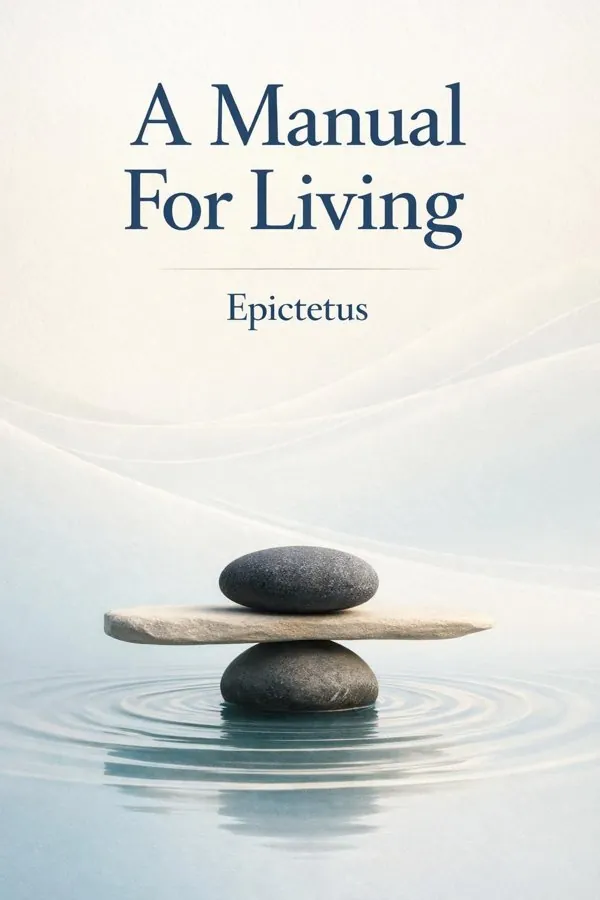
A Manual For Living
A Manual for Living presents the essence of Stoic philosophy through concise aphorisms that guide readers toward happiness, tranquility, and virtue in everyday life. This compact work distills Epictet...
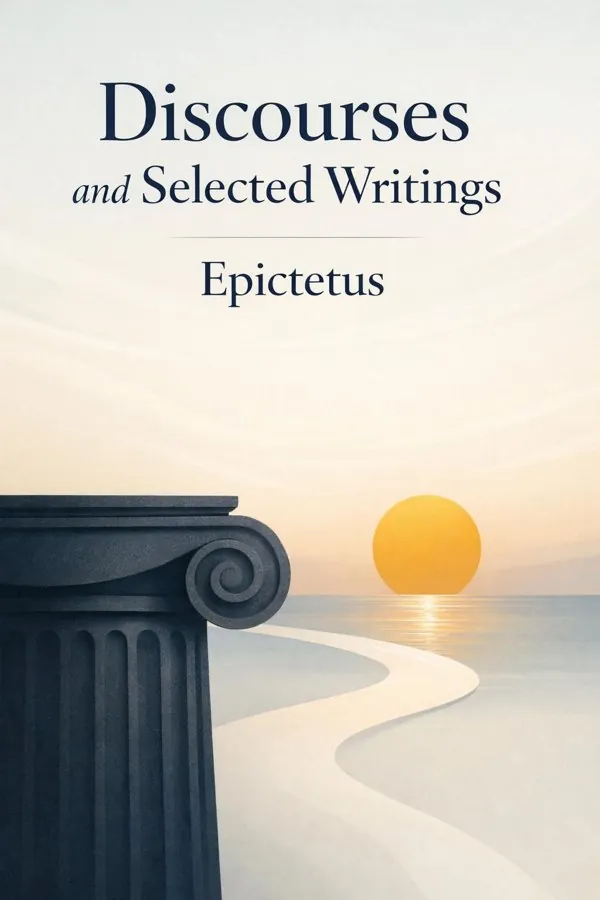
Discourses and Selected Writings
Discourses and Selected Writings is a collection of informal lectures and philosophical reflections by the Stoic philosopher Epictetus, transcribed by his student Arrian around AD 108. The work presen...
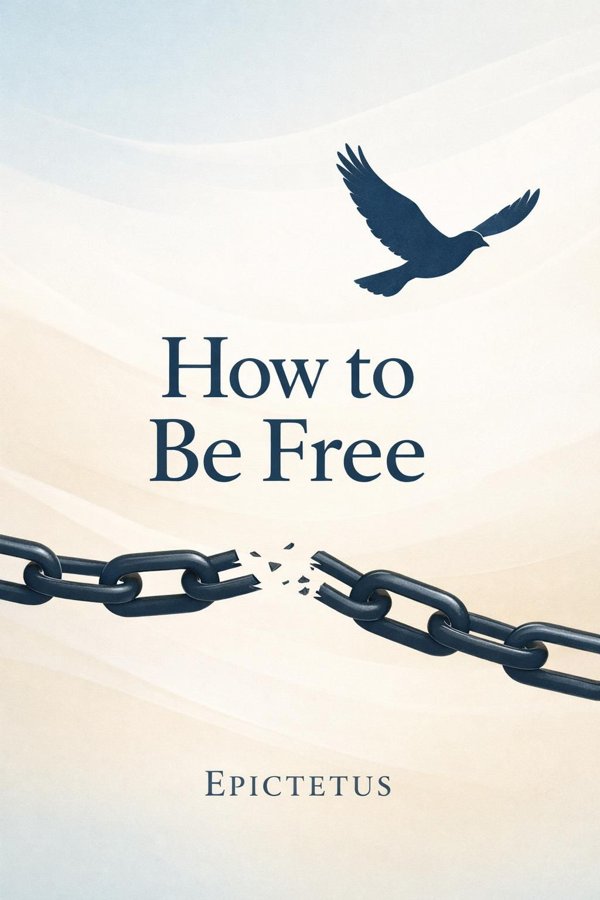
How to Be Free
How to Be Free is a compact but powerful guide to inner liberty from the Stoic philosopher Epictetus, a man who understood bondage in both the literal and psychological sense. Born into slavery and la...
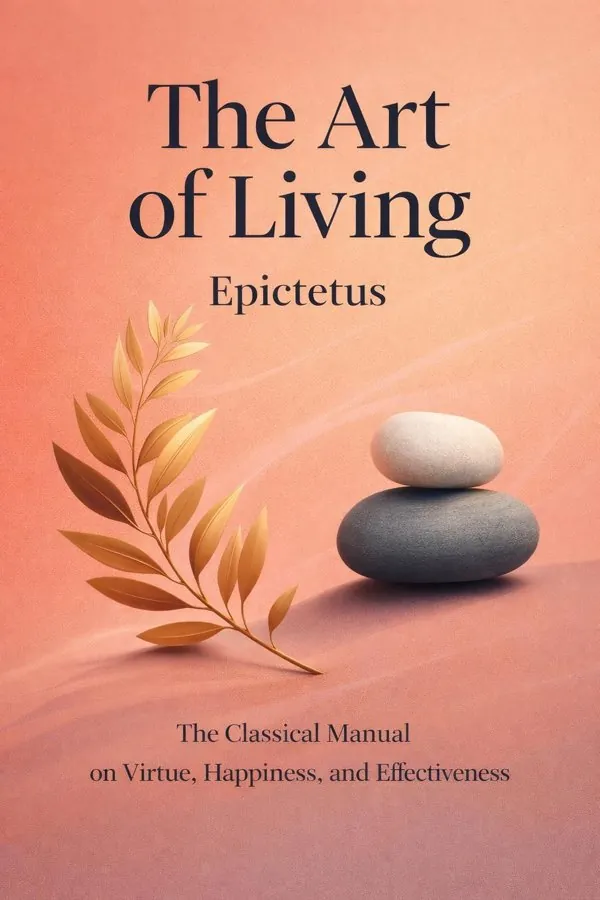
The Art of Living: The Classical Manual on Virtue, Happiness, and Effectiveness
The Art of Living: The Classical Manual on Virtue, Happiness, and Effectiveness is a modern interpretation of the Stoic teachings of Epictetus, adapted by Sharon Lebell. It presents timeless wisdom on...
Key Insights from Epictetus
Control Begins With Clear Distinctions
Most suffering begins with a confusion: we try to control what was never ours to command. Epictetus opens the Enchiridion with the distinction that defines Stoic practice. Some things are up to us, and some things are not. Our opinions, intentions, desires, aversions, and choices belong to us. Our b...
From Enchiridion
Events Do Not Disturb Us
A hard truth sits at the center of Stoic psychology: people are disturbed not by things, but by the views they take of them. Epictetus is not denying pain, injustice, or difficulty. He is showing that between an event and our suffering lies interpretation. This insight makes emotional freedom possib...
From Enchiridion
Desire Wisely, Avoid Misery
What we chase determines the kind of life we live. Epictetus warns that if you desire what is not in your control, frustration is inevitable. If you fear what is not in your control, anxiety becomes constant. The problem is not desire itself, but misplaced desire. We often want outcomes, admiration,...
From Enchiridion
Rehearse Loss To Value Life
We cling most tightly to what we imagine will always remain. Epictetus urges readers to remember the fragile nature of everything external: loved ones, possessions, status, and even the body itself. At first, this can sound severe. Yet his aim is not emotional numbness but wiser attachment. When we ...
From Enchiridion
Character Matters More Than Appearance
Many people spend their lives protecting an image while neglecting the self that image is supposed to represent. Epictetus repeatedly directs attention away from reputation and toward character. Other people may praise or mock you, misunderstand you, or assign you a place in their social hierarchy. ...
From Enchiridion
Accept Your Role, Perform It Well
Life gives each person a part to play, but not the power to write the whole script. Epictetus compares human life to a drama in which your task is not to choose every circumstance but to perform your assigned role nobly. You may be given health or illness, influence or obscurity, wealth or hardship,...
From Enchiridion
About Epictetus
Epictetus (c. 50–135 CE) was a Greek Stoic philosopher born into slavery in the Roman Empire. After gaining his freedom, he taught philosophy in Nicopolis, Greece. His teachings, recorded by his student Arrian, profoundly influenced later thinkers, including Marcus Aurelius and modern Stoic philosop...
Read more
Epictetus (c. 50–135 CE) was a Greek Stoic philosopher born into slavery in the Roman Empire. After gaining his freedom, he taught philosophy in Nicopolis, Greece. His teachings, recorded by his student Arrian, profoundly influenced later thinkers, including Marcus Aurelius and modern Stoic philosop...
Epictetus (c. 50–135 CE) was a Greek Stoic philosopher born into slavery in the Roman Empire. After gaining his freedom, he taught philosophy in Nicopolis, Greece. His teachings, recorded by his student Arrian, profoundly influenced later thinkers, including Marcus Aurelius and modern Stoic philosophy.


Frequently Asked Questions
Epictetus (c. 50–135 CE) was a Greek Stoic philosopher born into slavery in the Roman Empire.
Read Epictetus's books in 15 minutes
Get AI-powered summaries with key insights from 5 books by Epictetus.