
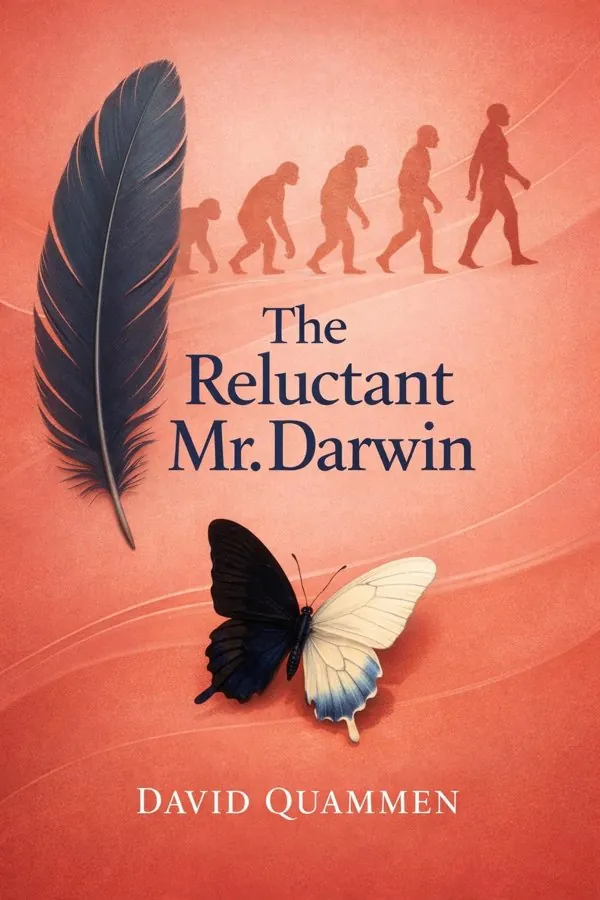
The Reluctant Mr. Darwin: An Intimate Portrait of Charles Darwin and the Making of His Theory of Evolution: Summary & Key Insights
 10 min8 chaptersAudio available
What Is The Reluctant Mr. Darwin: An Intimate Portrait of Charles Darwin and the Making of His Theory of Evolution About?
The Reluctant Mr. Darwin: An Intimate Portrait of Charles Darwin and the Making of His Theory of Evolution by David Quammen is a biographies book spanning 8 pages. A biographical narrative exploring Charles Darwin’s life after his voyage on the Beagle, focusing on his long internal struggle to publish his revolutionary theory of evolution by natural selection. David Quammen portrays Darwin as a cautious, deeply thoughtful man who wrestled with the implications of his ideas for decades before releasing them to the world.
This FizzRead summary covers all 8 key chapters of The Reluctant Mr. Darwin: An Intimate Portrait of Charles Darwin and the Making of His Theory of Evolution in approximately 10 minutes, distilling the most important ideas, arguments, and takeaways from David Quammen's work. Also available as an audio summary and Key Quotes Podcast.
The Reluctant Mr. Darwin: An Intimate Portrait of Charles Darwin and the Making of His Theory of Evolution
A biographical narrative exploring Charles Darwin’s life after his voyage on the Beagle, focusing on his long internal struggle to publish his revolutionary theory of evolution by natural selection. David Quammen portrays Darwin as a cautious, deeply thoughtful man who wrestled with the implications of his ideas for decades before releasing them to the world.
Who Should Read The Reluctant Mr. Darwin: An Intimate Portrait of Charles Darwin and the Making of His Theory of Evolution?
This book is perfect for anyone interested in biographies and looking to gain actionable insights in a short read. Whether you're a student, professional, or lifelong learner, the key ideas from The Reluctant Mr. Darwin: An Intimate Portrait of Charles Darwin and the Making of His Theory of Evolution by David Quammen will help you think differently.
- ✓Readers who enjoy biographies and want practical takeaways
- ✓Professionals looking to apply new ideas to their work and life
- ✓Anyone who wants the core insights of The Reluctant Mr. Darwin: An Intimate Portrait of Charles Darwin and the Making of His Theory of Evolution in just 10 minutes
Want the full summary?
Get instant access to this book summary and 100K+ more with Fizz Moment.
Get Free SummaryAvailable on App Store • Free to download
Key Chapters
When Charles Darwin returned to England in 1836 after his five-year voyage on the *Beagle*, he was still in his twenties but already burdened with more specimens, notes, and questions than most naturalists of his era. The thrill of discovery soon gave way to the quieter rhythm of domestic life. He married his cousin Emma Wedgwood, moved to Down House, and began building a sanctuary for thought. There, amid gardens and children, he transformed from adventurer to naturalist-philosopher.
Down House became Darwin’s silent laboratory. The man who had once hunted fossils in the Patagonian wilderness now watched earthworms in his garden. He examined pigeons, barnacles, and beetles — each species a clue in his larger puzzle. This apparent retreat into domesticity was, in truth, an evolution of method. The isolation allowed him to refine his thinking. For Darwin, observation was not the enemy of imagination but its foundation. Every feather, every petal, every slight variation whispered to him about nature’s hidden laws.
While friends like Huxley and Hooker debated public science, Darwin withdrew further. He feared premature announcement of his theory might bring ridicule or misinterpretation. Yet, in that quiet retreat, the theory of natural selection matured, just as life itself matures under subtle pressures. In the comfort—and constraint—of his domestic sphere, Darwin found the space to think deeply about what made species thrive or vanish.
Victorian England was an empire of ideas as much as of industry. It was a world bound by the certainties of Creationism and the divine hierarchy of life, where geological strata were read through the lens of Genesis. For Darwin, the challenge was not simply scientific but moral and cultural. He lived among men who saw nature’s complexity as proof of God’s design. To propose that species evolved through blind, natural processes was to threaten the entire moral architecture of his time.
This climate of belief shaped Darwin’s cautious temperament. He was not a revolutionary by instinct; rather, he was a gentleman naturalist, wary of conflict. Religion was woven into his marriage, his friendships, and his community. Emma Darwin’s devout faith added layers of tension to their relationship, as Charles wrestled not only with data but with love and conscience. To him, the scientific truth had to be irrefutable before it could be uttered. He knew science might be ruthless, but people were fragile.
In those decades, the scientific establishment was comfortable with adaptation within species but skeptical of any notion that could dissolve the boundary between man and beast. Darwin’s awareness of that boundary — social, spiritual, and scientific — deepened his reluctance. The intellectual soil of Victorian England, so fertile for industry and empire, was resistant to the seeds of evolution. Yet slowly, those seeds would take root, fertilized by doubt and observation.
+ 6 more chapters — available in the FizzRead app
All Chapters in The Reluctant Mr. Darwin: An Intimate Portrait of Charles Darwin and the Making of His Theory of Evolution
About the Author
David Quammen is an American science writer and journalist known for his engaging works on natural history and evolutionary biology. His writing has appeared in National Geographic and other major publications, and he is the author of several acclaimed books on science and nature.
Get This Summary in Your Preferred Format
Read or listen to the The Reluctant Mr. Darwin: An Intimate Portrait of Charles Darwin and the Making of His Theory of Evolution summary by David Quammen anytime, anywhere. FizzRead offers multiple formats so you can learn on your terms — all free.
Available formats: App · Audio · PDF · EPUB — All included free with FizzRead
Download The Reluctant Mr. Darwin: An Intimate Portrait of Charles Darwin and the Making of His Theory of Evolution PDF and EPUB Summary
Key Quotes from The Reluctant Mr. Darwin: An Intimate Portrait of Charles Darwin and the Making of His Theory of Evolution
“The thrill of discovery soon gave way to the quieter rhythm of domestic life.”
“Victorian England was an empire of ideas as much as of industry.”
Frequently Asked Questions about The Reluctant Mr. Darwin: An Intimate Portrait of Charles Darwin and the Making of His Theory of Evolution
The Reluctant Mr. Darwin: An Intimate Portrait of Charles Darwin and the Making of His Theory of Evolution by David Quammen is a biographies book that explores key ideas across 8 chapters. A biographical narrative exploring Charles Darwin’s life after his voyage on the Beagle, focusing on his long internal struggle to publish his revolutionary theory of evolution by natural selection. David Quammen portrays Darwin as a cautious, deeply thoughtful man who wrestled with the implications of his ideas for decades before releasing them to the world.
More by David Quammen
You Might Also Like

An American Marriage
Tayari Jones
10 min
Benjamin Franklin: An American Life
Walter Isaacson
10 min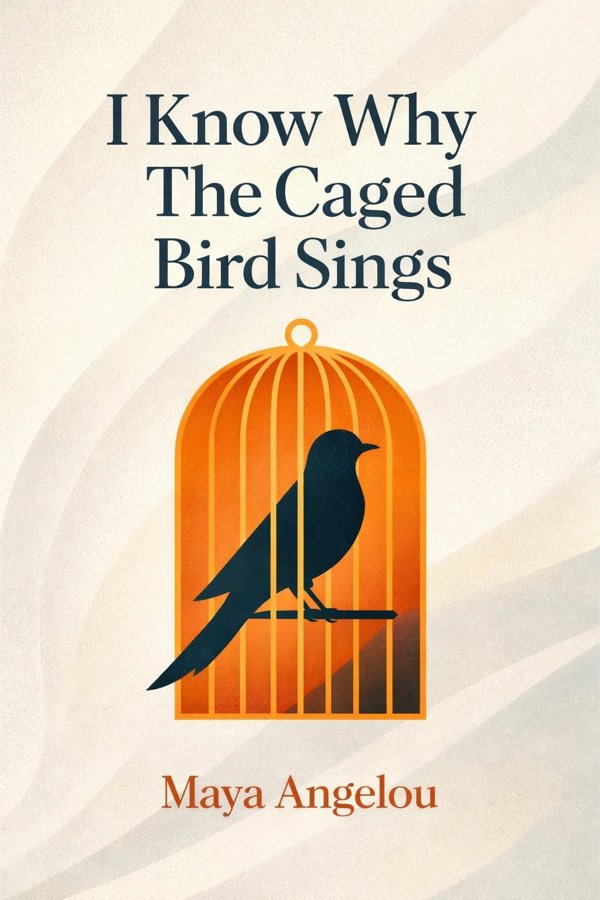
I Know Why The Caged Bird Sings
Maya Angelou
10 min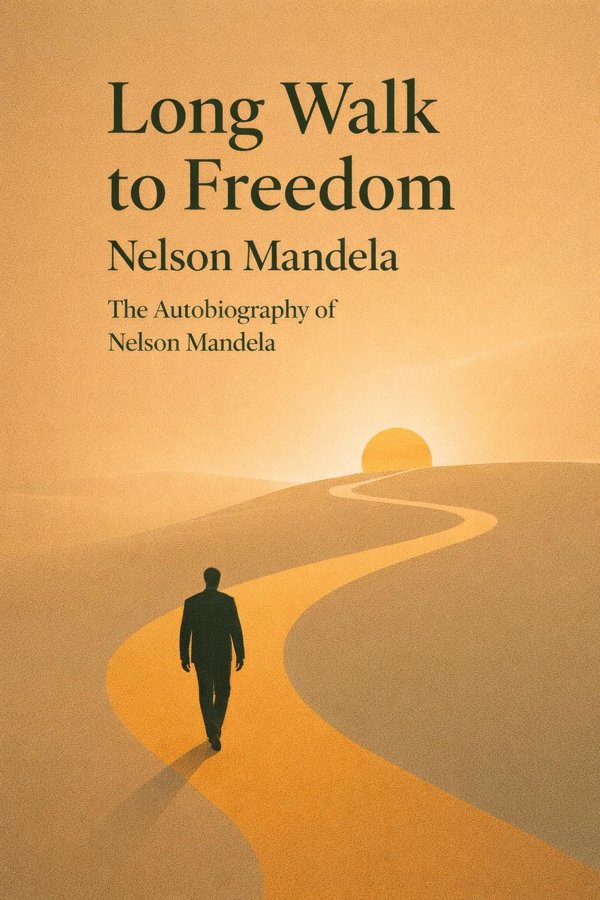
Long Walk to Freedom
Nelson Mandela
10 min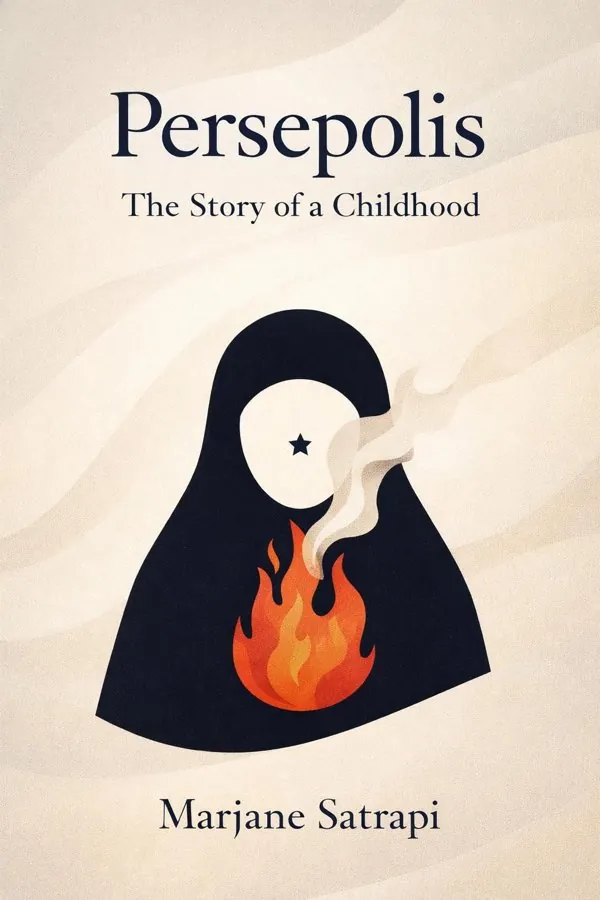
Persepolis
Marjane Satrapi
10 min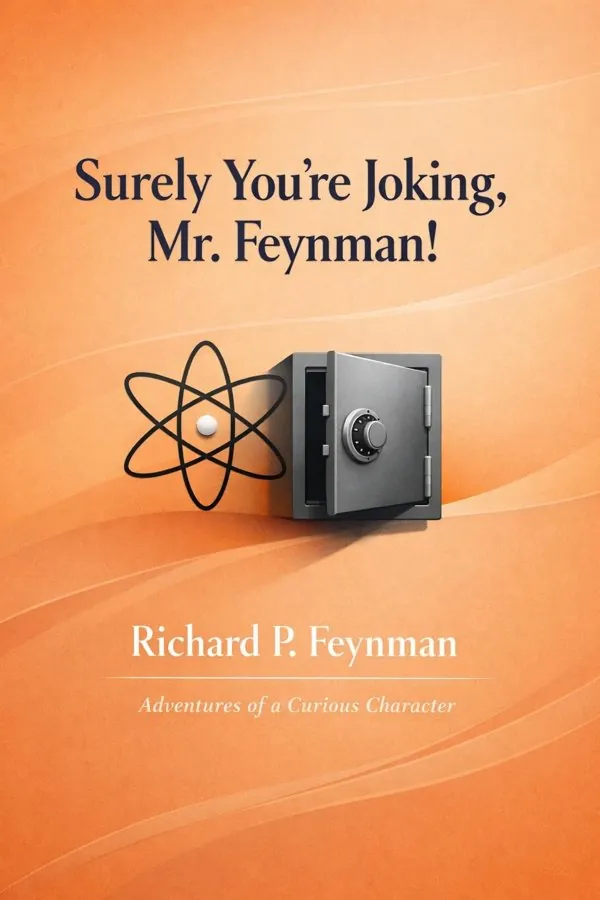
Surely You're Joking, Mr. Feynman!
Richard P. Feynman
10 minBrowse by Category
Ready to read The Reluctant Mr. Darwin: An Intimate Portrait of Charles Darwin and the Making of His Theory of Evolution?
Get the full summary and 100K+ more books with Fizz Moment.