
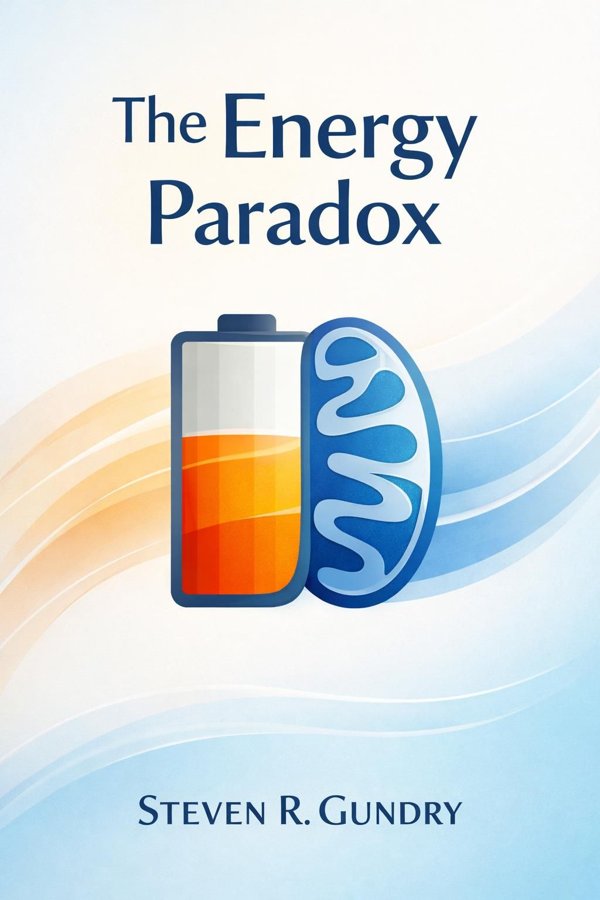
The Energy Paradox: What to Do When Your Get-Up-and-Go Has Got Up and Gone: Summary & Key Insights
 10 min5 chaptersAudio available
What Is The Energy Paradox: What to Do When Your Get-Up-and-Go Has Got Up and Gone About?
The Energy Paradox: What to Do When Your Get-Up-and-Go Has Got Up and Gone by Steven R. Gundry is a nutrition book spanning 5 pages. In this book, Dr. Steven Gundry explores the causes of chronic fatigue and low energy, arguing that modern diets and gut imbalances are key contributors. He presents a science-based program to restore vitality by improving mitochondrial function, reducing inflammation, and optimizing nutrition. The work combines medical insights with practical dietary advice aimed at helping readers regain sustained energy and well-being.
This FizzRead summary covers all 5 key chapters of The Energy Paradox: What to Do When Your Get-Up-and-Go Has Got Up and Gone in approximately 10 minutes, distilling the most important ideas, arguments, and takeaways from Steven R. Gundry's work. Also available as an audio summary and Key Quotes Podcast.
The Energy Paradox: What to Do When Your Get-Up-and-Go Has Got Up and Gone
In this book, Dr. Steven Gundry explores the causes of chronic fatigue and low energy, arguing that modern diets and gut imbalances are key contributors. He presents a science-based program to restore vitality by improving mitochondrial function, reducing inflammation, and optimizing nutrition. The work combines medical insights with practical dietary advice aimed at helping readers regain sustained energy and well-being.
Who Should Read The Energy Paradox: What to Do When Your Get-Up-and-Go Has Got Up and Gone?
This book is perfect for anyone interested in nutrition and looking to gain actionable insights in a short read. Whether you're a student, professional, or lifelong learner, the key ideas from The Energy Paradox: What to Do When Your Get-Up-and-Go Has Got Up and Gone by Steven R. Gundry will help you think differently.
- ✓Readers who enjoy nutrition and want practical takeaways
- ✓Professionals looking to apply new ideas to their work and life
- ✓Anyone who wants the core insights of The Energy Paradox: What to Do When Your Get-Up-and-Go Has Got Up and Gone in just 10 minutes
Want the full summary?
Get instant access to this book summary and 100K+ more with Fizz Moment.
Get Free SummaryAvailable on App Store • Free to download
Key Chapters
When you think of energy, you may picture kilojoules or the calories printed on nutrition labels, yet your true source of power begins inside trillions of tiny organelles called mitochondria. These cellular power plants transform the food you eat into adenosine triphosphate (ATP), the molecular currency of energy. But mitochondria are not just generators—they are sensitive communicators that respond dynamically to what you feed them, how you move, and even how you think.
Over time, these mitochondria can become damaged by stressors of modern living: processed carbohydrates, seed oils laden with omega‑6 fats, environmental toxins, chronic infections, and lack of restorative sleep. When they sense danger, they shift from producing energy to protecting the cell—a process I term “mitochondrial shutdown.” Imagine switching from a growth mode to survival mode; your energy output plummets because your mitochondria are prioritizing defense over power generation.
This defensive signal is often driven by inflammation. Inflammation is our body’s ancient mechanism for dealing with injury or infection, but in today’s world, it’s constantly switched on. Each time we consume foods that irritate our gut lining, each time our microbiome is disturbed by antibiotics or sugar or lectins from certain plants, tiny amounts of inflammatory compounds flood the bloodstream. These compounds, called lipopolysaccharides or LPS, are bacterial fragments that leak from an unhealthy intestinal barrier directly into circulation. The immune system detects these fragments and sounds an alarm, forcing mitochondria to hunker down.
The connection between mitochondrial function and inflammation explains why so many people feel inexplicable fatigue. It’s not that you lack fuel; it’s that your body can’t unlock the fuel properly. Imagine a car whose gasoline is plentiful but whose spark plugs misfire. You press the accelerator, yet the engine sputters. Modern fatigue is precisely this cellular misfiring, and understanding it marks the first step toward repair.
From the mitochondria’s viewpoint, what they crave most is efficiency. They thrive on cycles of activity and rest—what nature built into our circadian biology. When we constantly bombard them with food or stress, we deny them repair time. That’s why even diligent eaters and exercisers can feel drained; they never allow their internal batteries to recharge. Recognizing this paradox liberates us from blaming ourselves and empowers us to pursue real restoration rather than temporary stimulation.
+ 3 more chapters — available in the FizzRead app
All Chapters in The Energy Paradox: What to Do When Your Get-Up-and-Go Has Got Up and Gone
About the Author
Dr. Steven R. Gundry is an American cardiothoracic surgeon and medical researcher known for his work on nutrition and the microbiome. He is the founder of Gundry MD and author of several bestselling health books, including 'The Plant Paradox'. His research focuses on how diet and gut health influence chronic disease and longevity.
Get This Summary in Your Preferred Format
Read or listen to the The Energy Paradox: What to Do When Your Get-Up-and-Go Has Got Up and Gone summary by Steven R. Gundry anytime, anywhere. FizzRead offers multiple formats so you can learn on your terms — all free.
Available formats: App · Audio · PDF · EPUB — All included free with FizzRead
Download The Energy Paradox: What to Do When Your Get-Up-and-Go Has Got Up and Gone PDF and EPUB Summary
Key Quotes from The Energy Paradox: What to Do When Your Get-Up-and-Go Has Got Up and Gone
“When you think of energy, you may picture kilojoules or the calories printed on nutrition labels, yet your true source of power begins inside trillions of tiny organelles called mitochondria.”
“Every cell in your body listens to the messages coming from your gut.”
Frequently Asked Questions about The Energy Paradox: What to Do When Your Get-Up-and-Go Has Got Up and Gone
The Energy Paradox: What to Do When Your Get-Up-and-Go Has Got Up and Gone by Steven R. Gundry is a nutrition book that explores key ideas across 5 chapters. In this book, Dr. Steven Gundry explores the causes of chronic fatigue and low energy, arguing that modern diets and gut imbalances are key contributors. He presents a science-based program to restore vitality by improving mitochondrial function, reducing inflammation, and optimizing nutrition. The work combines medical insights with practical dietary advice aimed at helping readers regain sustained energy and well-being.
More by Steven R. Gundry
You Might Also Like

Eating by the Seasons Cookbook: Seasonal Produce-Focused Recipes
Clare Foster
10 min
From Crook to Cook: Platinum Recipes from Tha Boss Dogg's Kitchen
Snoop Dogg with Ryan Ford
10 min
Juicing for Beginners: The Essential Guide to Juicing Recipes and Juicing for Weight Loss
Rockridge Press
10 min
The Food Therapist: Break Bad Habits, Eat with Intention, and Indulge Without Worry
Shira Lenchewski
10 min
The Mediterranean Diet Meal Plan: A 4-Week Meal Plan for Optimal Health and Weight Loss
Various Contributors
10 min
The Well Plated Cookbook: Simple, Wholesome Recipes for Everyday Meals
Erin Clarke
10 minBrowse by Category
Ready to read The Energy Paradox: What to Do When Your Get-Up-and-Go Has Got Up and Gone?
Get the full summary and 100K+ more books with Fizz Moment.