
Steven R. Gundry Books
Dr. Steven R.
Known for: The Energy Paradox: What to Do When Your Get-Up-and-Go Has Got Up and Gone, The Longevity Paradox: How to Die Young at a Ripe Old Age, The Plant Paradox Family Cookbook: 125 Recipes to Help You Lose Weight, Heal Your Gut, and Live Lectin-Free, The Plant Paradox: The Hidden Dangers in 'Healthy' Foods That Cause Disease and Weight Gain
Books by Steven R. Gundry
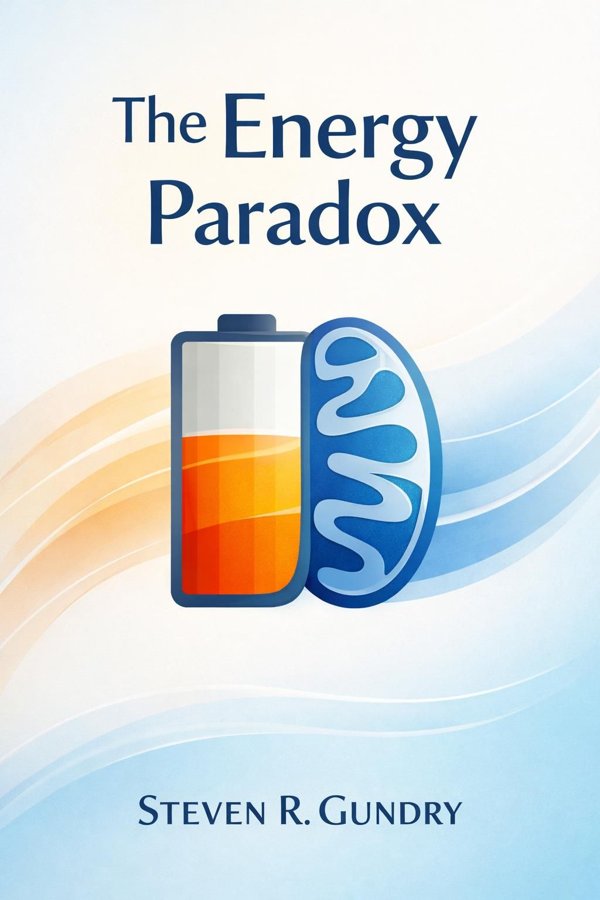
The Energy Paradox: What to Do When Your Get-Up-and-Go Has Got Up and Gone
In this book, Dr. Steven Gundry explores the causes of chronic fatigue and low energy, arguing that modern diets and gut imbalances are key contributors. He presents a science-based program to restore...
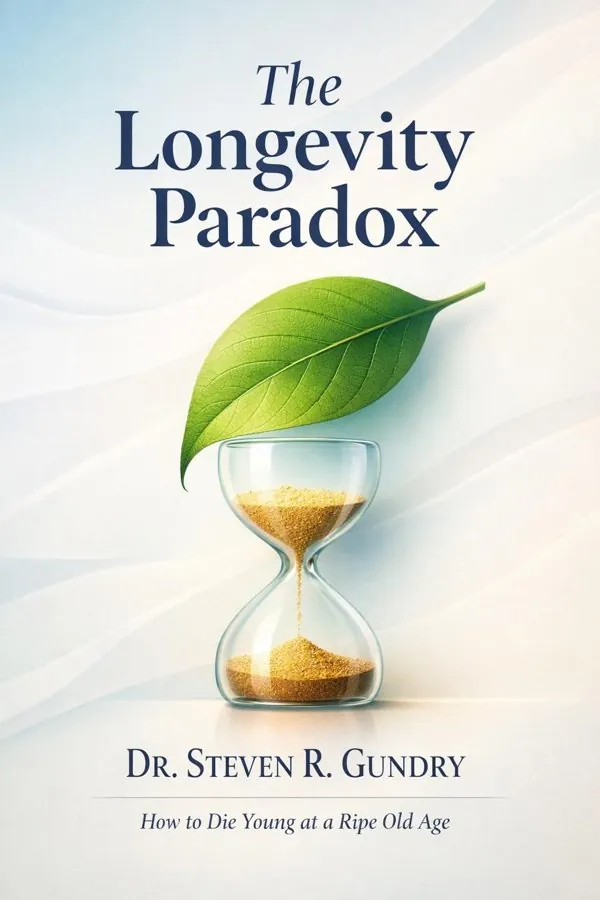
The Longevity Paradox: How to Die Young at a Ripe Old Age
In The Longevity Paradox, Dr. Steven R. Gundry challenges one of our deepest assumptions: that aging is an unavoidable process written into our genes. His argument is both provocative and practical. W...
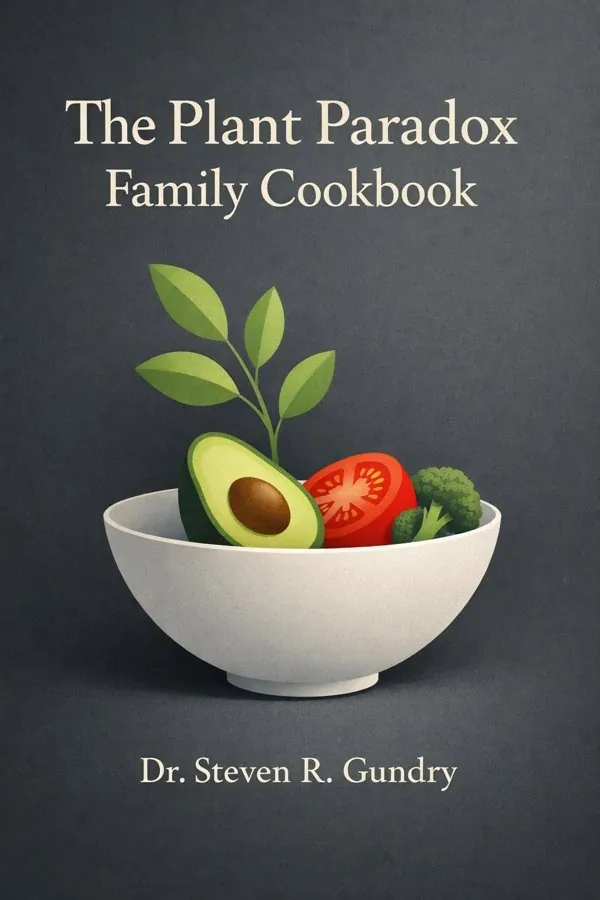
The Plant Paradox Family Cookbook: 125 Recipes to Help You Lose Weight, Heal Your Gut, and Live Lectin-Free
The Plant Paradox Family Cookbook offers 125 recipes designed to help families follow Dr. Steven Gundry’s lectin-free lifestyle. Building on the principles of his bestselling book The Plant Paradox, t...
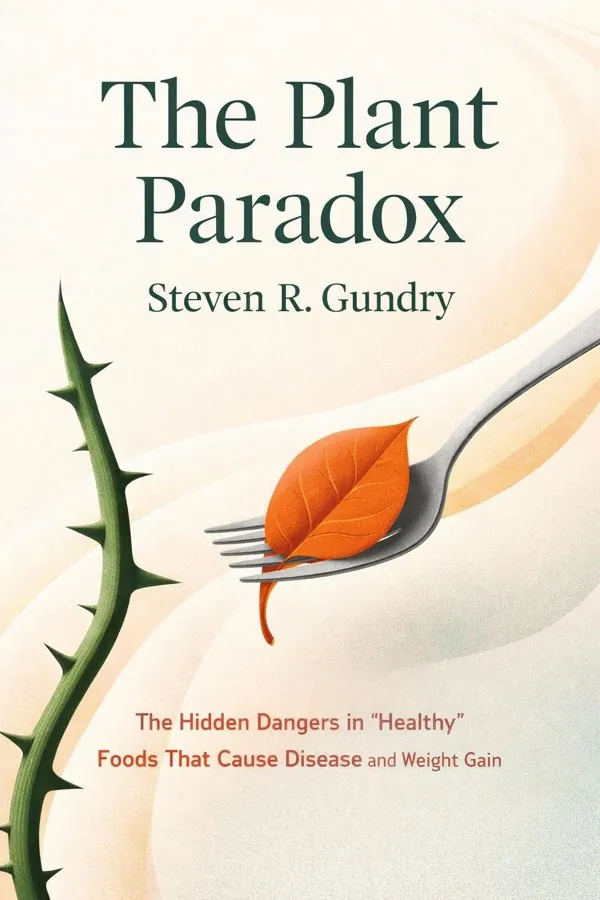
The Plant Paradox: The Hidden Dangers in 'Healthy' Foods That Cause Disease and Weight Gain
In this groundbreaking book, Dr. Steven R. Gundry reveals how certain plant-based foods, long considered healthy, can actually contribute to inflammation, weight gain, and chronic disease. He introduc...
Key Insights from Steven R. Gundry
Understanding the Energy Paradox and Mitochondrial Function
When you think of energy, you may picture kilojoules or the calories printed on nutrition labels, yet your true source of power begins inside trillions of tiny organelles called mitochondria. These cellular power plants transform the food you eat into adenosine triphosphate (ATP), the molecular curr...
From The Energy Paradox: What to Do When Your Get-Up-and-Go Has Got Up and Gone
Inflammation, Gut Health, and the Hidden Energy Drain
Every cell in your body listens to the messages coming from your gut. The gut is not just a digestive tube; it’s an intelligent sensor that mediates between the external world and your internal metabolism. When it’s healthy, it serves as a fortress wall, letting in nutrients while keeping out intrud...
From The Energy Paradox: What to Do When Your Get-Up-and-Go Has Got Up and Gone
Aging Is Not Purely Genetic Fate
What if aging is less like a countdown clock and more like a negotiation between your body and your environment? That is one of the book’s boldest claims. Dr. Gundry argues that many people treat aging as inevitable decline, as though wrinkles, weakness, brain fog, and chronic disease are simply the...
From The Longevity Paradox: How to Die Young at a Ripe Old Age
Your Microbiome Helps Decide How You Age
You are not aging alone. According to Gundry, the trillions of microbes living in and on your body are major partners in determining whether you move toward vitality or decline. The gut microbiome helps regulate digestion, immune function, metabolism, inflammation, and even mood and cognition. When ...
From The Longevity Paradox: How to Die Young at a Ripe Old Age
Inflammation Quietly Speeds Up Aging
Most people notice aging in the mirror, but Gundry asks readers to notice it in the immune system first. Chronic inflammation, he argues, is one of the deepest drivers of degenerative aging. Inflammation itself is not the enemy; it is a necessary defense and repair mechanism. The problem begins when...
From The Longevity Paradox: How to Die Young at a Ripe Old Age
Mitochondria Determine Energy and Resilience
Feeling old often starts as feeling tired. Gundry uses that everyday experience to introduce a deeper idea: aging is closely tied to the health of mitochondria, the tiny energy-producing structures inside cells. These organelles convert fuel into usable energy, but they do much more than that. They ...
From The Longevity Paradox: How to Die Young at a Ripe Old Age
About Steven R. Gundry
Dr. Steven R. Gundry is an American cardiothoracic surgeon and medical researcher known for his work on nutrition and the microbiome. He is the founder of Gundry MD and author of several bestselling health books, including 'The Plant Paradox'. His research focuses on how diet and gut health influenc...
Read more
Dr. Steven R. Gundry is an American cardiothoracic surgeon and medical researcher known for his work on nutrition and the microbiome. He is the founder of Gundry MD and author of several bestselling health books, including 'The Plant Paradox'. His research focuses on how diet and gut health influenc...
Dr. Steven R. Gundry is an American cardiothoracic surgeon and medical researcher known for his work on nutrition and the microbiome. He is the founder of Gundry MD and author of several bestselling health books, including 'The Plant Paradox'. His research focuses on how diet and gut health influence chronic disease and longevity.


Frequently Asked Questions
Dr. Steven R.
Read Steven R. Gundry's books in 15 minutes
Get AI-powered summaries with key insights from 4 books by Steven R. Gundry.