
Successful Aging: A Neuroscientist Explores the Power and Potential of Our Lives: Summary & Key Insights
 10 min9 chaptersAudio available
Key Takeaways from Successful Aging: A Neuroscientist Explores the Power and Potential of Our Lives
One of the most harmful ideas about aging is the belief that the brain becomes fixed and fragile after youth.
Aging does change cognition, but not always in the ways people fear.
Many people expect aging to bring emotional deterioration, but research often shows the opposite.
We often talk about personality as if it hardens with age, but Levitin presents a more nuanced picture.
One of the clearest lessons in aging research is that isolation is dangerous.
What Is Successful Aging: A Neuroscientist Explores the Power and Potential of Our Lives About?
Successful Aging: A Neuroscientist Explores the Power and Potential of Our Lives by Daniel J. Levitin is a neuroscience book spanning 9 pages. In Successful Aging, neuroscientist Daniel J. Levitin dismantles one of modern culture’s most persistent myths: that aging is mainly a story of decline. Instead, he argues that later life can be a period of continued growth, emotional richness, creativity, and meaning—if we understand what the brain and body actually need. Drawing on neuroscience, psychology, biology, and public health research, Levitin explains how memory, attention, mood, motivation, and social behavior change with age, and why many of those changes are more adaptive than we assume. He also explores the habits that most strongly influence healthy aging, from sleep, movement, and diet to relationships, purpose, and mindset. What makes this book especially valuable is Levitin’s authority: he is a respected cognitive scientist and bestselling author who translates complex research into clear, useful insights. Rather than offering empty optimism, he provides an evidence-based framework for living well across the lifespan. The result is both reassuring and practical: aging is real, but so is the human capacity to adapt, learn, and flourish.
This FizzRead summary covers all 9 key chapters of Successful Aging: A Neuroscientist Explores the Power and Potential of Our Lives in approximately 10 minutes, distilling the most important ideas, arguments, and takeaways from Daniel J. Levitin's work. Also available as an audio summary and Key Quotes Podcast.
Successful Aging: A Neuroscientist Explores the Power and Potential of Our Lives
In Successful Aging, neuroscientist Daniel J. Levitin dismantles one of modern culture’s most persistent myths: that aging is mainly a story of decline. Instead, he argues that later life can be a period of continued growth, emotional richness, creativity, and meaning—if we understand what the brain and body actually need. Drawing on neuroscience, psychology, biology, and public health research, Levitin explains how memory, attention, mood, motivation, and social behavior change with age, and why many of those changes are more adaptive than we assume. He also explores the habits that most strongly influence healthy aging, from sleep, movement, and diet to relationships, purpose, and mindset. What makes this book especially valuable is Levitin’s authority: he is a respected cognitive scientist and bestselling author who translates complex research into clear, useful insights. Rather than offering empty optimism, he provides an evidence-based framework for living well across the lifespan. The result is both reassuring and practical: aging is real, but so is the human capacity to adapt, learn, and flourish.
Who Should Read Successful Aging: A Neuroscientist Explores the Power and Potential of Our Lives?
This book is perfect for anyone interested in neuroscience and looking to gain actionable insights in a short read. Whether you're a student, professional, or lifelong learner, the key ideas from Successful Aging: A Neuroscientist Explores the Power and Potential of Our Lives by Daniel J. Levitin will help you think differently.
- ✓Readers who enjoy neuroscience and want practical takeaways
- ✓Professionals looking to apply new ideas to their work and life
- ✓Anyone who wants the core insights of Successful Aging: A Neuroscientist Explores the Power and Potential of Our Lives in just 10 minutes
Want the full summary?
Get instant access to this book summary and 100K+ more with Fizz Moment.
Get Free SummaryAvailable on App Store • Free to download
Key Chapters
One of the most harmful ideas about aging is the belief that the brain becomes fixed and fragile after youth. Levitin challenges this directly by showing that neuroplasticity—the brain’s ability to change its structure and function—continues throughout life. While the rate of certain forms of learning may slow, the capacity to form new neural connections, strengthen useful pathways, and adapt to new experiences never disappears. That means older adults are not simply preserving a shrinking mental reserve; they are still capable of growth.
This matters because many people stop trying new things once they assume it is “too late.” But the brain responds to challenge at any age. Learning a language, taking up painting, joining a choir, studying history, using unfamiliar technology, or volunteering in a new role all stimulate mental networks. Even modest novelty can create beneficial strain that keeps the brain engaged. Levitin emphasizes that lifelong learning is not just about productivity or achievement. It improves cognitive resilience, supports mood, and helps people maintain a sense of identity and possibility.
Plasticity also helps explain recovery and compensation. When one system weakens, the brain often recruits others to help. An older adult may not process information as quickly as a younger person, but can often use pattern recognition, contextual knowledge, and richer life experience to arrive at better decisions.
The practical lesson is simple: do not treat aging as a reason to narrow your life. Treat it as a reason to keep stretching your mind. Actionable takeaway: choose one new mentally demanding activity this month and practice it consistently enough to make your brain adapt.
Aging does change cognition, but not always in the ways people fear. Levitin explains that some mental processes, especially processing speed and rapid recall, often become less efficient with age. Yet this is only part of the picture. Other capacities—such as pattern recognition, judgment, emotional interpretation, and the ability to connect ideas across time—often improve. In other words, aging may trade raw speed for depth.
This distinction helps us understand why older adults can appear slower in certain tests yet be remarkably effective in real life. Quick reactions matter in some situations, but many of life’s most important decisions benefit from reflection, context, and the ability to recognize what truly matters. A seasoned manager, physician, parent, or craftsperson often sees connections a younger person misses, precisely because experience has built richer mental models.
Levitin also notes that attention tends to become more selective with age. Older adults may be less interested in every available stimulus and more focused on what is meaningful. That can look like reduced flexibility from one angle, but from another it is improved prioritization. The key is to design life around strengths rather than judging oneself by youth-based standards.
Practical applications include allowing more time for recall, using calendars and lists without shame, reducing distraction during important tasks, and leaning into roles that reward judgment rather than speed. Actionable takeaway: stop measuring your mind only by quickness; organize your work and daily life to capitalize on your deeper strengths—experience, perspective, and discernment.
Many people expect aging to bring emotional deterioration, but research often shows the opposite. Levitin highlights that older adults frequently report greater emotional stability, better regulation of negative feelings, and stronger appreciation for daily life. This does not mean aging eliminates grief, stress, or vulnerability. It means many people become better at choosing where to place attention and energy. They waste less on trivial conflict and invest more in what feels meaningful.
A key idea here is that maturity changes emotional priorities. Younger people often orient toward expansion, status, and future possibility. Older adults, more aware that time is finite, may orient toward depth, intimacy, gratitude, and present-moment satisfaction. This shift can produce what seems like wisdom in action: less reactivity, more perspective, and a greater ability to let small frustrations pass.
Levitin’s broader point is that emotional intelligence is not fixed in early adulthood. It can deepen over time through experience, reflection, and deliberate habits. Practices like meditation, journaling, therapy, prayer, and honest conversation help people become less ruled by impulse and more guided by values. Social routines also matter. Time with trusted friends, meaningful rituals, and service to others can stabilize mood far more effectively than endless stimulation.
For readers, this chapter is reassuring because it reframes aging not as emotional loss but as an opportunity for refinement. Actionable takeaway: build a daily practice that strengthens emotional regulation—such as ten minutes of mindfulness, evening reflection, or a habit of naming three things worth appreciating each day.
We often talk about personality as if it hardens with age, but Levitin presents a more nuanced picture. Certain traits do become more stable over time, yet aging also invites adaptation. People learn which environments bring out their best, which relationships drain them, and which goals are no longer worth pursuing. The result is not stagnation by necessity, but often a clearer alignment between who someone is and how they live.
This matters because successful aging depends partly on self-knowledge. An extrovert who thrives on frequent social contact may need a very different retirement structure from an introvert who draws energy from focused, solitary work. A person high in conscientiousness may flourish with routines, while someone more open to experience may need variety, travel, or creative projects. Aging well is not about copying a generic model of health. It is about designing a life that fits one’s temperament while still leaving room for growth.
Levitin also suggests that motivation changes with age. External rewards such as status, promotion, and competition may become less central, while intrinsic satisfactions—craft, service, learning, connection, and legacy—gain importance. This is not a loss of ambition. It is a refinement of ambition toward more durable sources of meaning.
The practical use of this insight is to revisit old assumptions about yourself. Instead of asking, “How do I stay the same?” ask, “What kind of life now suits the person I have become?” Actionable takeaway: conduct a personal audit of your energy, values, and daily habits, then redesign one recurring part of your routine to better match your current temperament and motivations.
One of the clearest lessons in aging research is that isolation is dangerous. Levitin underscores that human beings are intensely social organisms, and our brains depend on connection for healthy functioning. Strong relationships are associated with better cognitive outcomes, lower stress, better immune function, and greater life satisfaction. Loneliness, by contrast, is not just unpleasant; it is a serious health risk.
This means successful aging cannot be reduced to diet, supplements, or puzzles. A person may exercise and eat well but still suffer if cut off from meaningful social life. What protects us most is not sheer quantity of contact but quality: feeling known, useful, supported, and emotionally connected. A weekly dinner with close friends, involvement in a faith or community group, mentoring younger people, or caring for grandchildren can all nourish the social brain.
Levitin’s insight is especially relevant in retirement, bereavement, relocation, or illness—moments when social networks can quietly shrink. Because connection often requires effort, older adults benefit from treating it as a health practice rather than a luxury. Scheduling calls, joining clubs, volunteering, participating in classes, or creating recurring neighborhood rituals can keep social bonds active.
Importantly, relationships also provide cognitive stimulation. Conversation, cooperation, empathy, and conflict resolution exercise complex mental capacities in ways solitary activities do not. Actionable takeaway: protect your social life as deliberately as your exercise routine by creating at least one recurring weekly connection that is meaningful, dependable, and face-to-face whenever possible.
If aging is not fixed, then everyday behavior matters enormously. Levitin brings together evidence showing that brain health in later life is strongly influenced by ordinary habits practiced over decades. Sleep, physical movement, nutrition, stress management, and avoidance of harmful substances are not glamorous topics, but they form the biological foundation for how well we age.
Exercise is especially powerful. Aerobic activity improves blood flow, supports cardiovascular health, and is associated with better cognitive function and reduced risk of decline. Strength training matters too, because muscle mass, balance, and metabolic health all affect independence and overall vitality. Sleep is another essential pillar. Chronic sleep loss undermines memory, mood regulation, and physical recovery. Many people treat poor sleep as normal aging, but Levitin encourages readers to take it seriously and address causes where possible.
Nutrition is discussed in similarly practical terms. No magic food can stop aging, but patterns matter: diets rich in plants, healthy fats, and minimally processed foods tend to support long-term health better than highly processed, sugar-heavy eating. Just as important is avoiding the false comfort of quick fixes. Brain health is built less by exotic interventions than by consistently good basics.
Levitin’s larger contribution is to connect these habits to dignity and freedom. Healthful behavior does not merely extend life; it extends capacity. Actionable takeaway: pick one foundational habit—walking, sleep, strength training, or improving meal quality—and make it non-negotiable for the next thirty days.
Culture often celebrates youthful genius, but Levitin shows that creativity has many timelines. Some breakthroughs are produced by the young, especially in fields that reward rapid experimentation. But many of the most profound achievements in art, science, writing, leadership, and human understanding emerge later in life. Aging can support a different kind of creativity—less explosive perhaps, but more integrated, patient, and original.
Why? Because creativity is not only about novelty; it is also about synthesis. Older adults have larger stores of experience, more cross-domain knowledge, and a better sense of what is worth saying. They may combine insights gathered over decades into work of unusual depth. A novelist may write with greater psychological nuance. A teacher may design more elegant explanations. A business leader may solve problems by drawing on patterns seen repeatedly over time.
Levitin encourages readers not to confuse changes in speed with loss of creative potential. The conditions for later-life creativity often include unstructured time, ongoing curiosity, disciplined practice, and environments that welcome contribution rather than assume obsolescence. Even hobbies matter. Gardening, music, woodworking, photography, and community theater keep imagination active and reinforce the identity of being a maker, not merely a consumer.
This chapter is empowering because it widens the definition of innovation. You do not need to be a prodigy to create something meaningful. Actionable takeaway: start or revive a creative practice that combines skill, challenge, and personal expression, and commit to it weekly without judging yourself by youthful standards.
How we think about aging can shape how we age. Levitin points to research suggesting that expectations, beliefs, and self-perception affect behavior, stress levels, motivation, and even health outcomes. If a person internalizes the idea that later life means inevitable uselessness and decline, they may withdraw, stop learning, move less, and interpret every normal lapse as evidence of collapse. The belief becomes self-reinforcing.
By contrast, a realistic but hopeful mindset supports engagement. This does not mean denying loss or pretending every aspect of aging is positive. It means recognizing that many capacities remain, many can be strengthened, and meaning does not expire with youth. People who see later life as a stage with possibilities are more likely to invest in relationships, pursue goals, care for their health, and remain psychologically flexible.
Levitin also emphasizes coping strategies that help people navigate unavoidable changes. These include accepting assistance without equating it with failure, adapting environments to current abilities, focusing on what remains controllable, and maintaining purpose through contribution. A person who can no longer run may walk. Someone leaving a career may mentor. Someone facing physical limits may deepen intellectual or spiritual life.
The point is not to win against aging but to participate in it intelligently. Mindset becomes a tool for adaptation rather than fantasy. Actionable takeaway: notice one negative assumption you hold about growing older, challenge it with evidence, and replace it with a more accurate and useful belief that encourages action.
Modern technology offers real promise for healthier aging, but Levitin treats it with balanced caution. Medical advances, assistive devices, digital reminders, hearing aids, mobility tools, telemedicine, and monitoring systems can all improve safety, independence, and quality of life. In some cases, technology helps compensate for changing memory, vision, hearing, or physical function, allowing older adults to stay engaged longer in work, learning, and community life.
Yet Levitin does not present technology as a magic solution. Tools are only helpful when they serve human goals. A reminder app can support memory, but it cannot create purpose. Telehealth can improve access, but it cannot fully replace companionship. Fitness trackers can encourage movement, but they do not automatically build habits. There is also a social risk when society treats older adults as problems to be managed by devices rather than people to be included and respected.
The best use of technology, then, is supportive rather than substitutive. It should reduce friction, increase autonomy, and free energy for the things that most matter—connection, learning, creativity, care, and participation. Older adults benefit when technology is intuitive, accessible, and designed with dignity in mind.
For readers, the key is not to fear technology or worship it. Use it strategically. Let it strengthen routines and compensate for weak points, but do not outsource the human side of aging. Actionable takeaway: adopt one simple technology that meaningfully improves independence or health—such as calendar reminders, hearing support, or telemedicine access—while also strengthening one offline habit that keeps you connected to real people.
All Chapters in Successful Aging: A Neuroscientist Explores the Power and Potential of Our Lives
About the Author
Daniel J. Levitin is a neuroscientist, cognitive psychologist, and bestselling author known for translating brain science into engaging, accessible writing. He served as Professor of Psychology and Neuroscience at McGill University and has conducted influential research on memory, perception, attention, and the relationship between music and the brain. Before his academic career, he also worked in the music industry, a background that helped shape his widely read book This Is Your Brain on Music. Other notable works include The Organized Mind and Weaponized Lies. Across his writing, Levitin combines scientific rigor with practical relevance, helping general readers understand how the mind works in everyday life. In Successful Aging, he applies this interdisciplinary expertise to one of the most important human questions: how to live well as we grow older.
Get This Summary in Your Preferred Format
Read or listen to the Successful Aging: A Neuroscientist Explores the Power and Potential of Our Lives summary by Daniel J. Levitin anytime, anywhere. FizzRead offers multiple formats so you can learn on your terms — all free.
Available formats: App · Audio · PDF · EPUB — All included free with FizzRead
Download Successful Aging: A Neuroscientist Explores the Power and Potential of Our Lives PDF and EPUB Summary
Key Quotes from Successful Aging: A Neuroscientist Explores the Power and Potential of Our Lives
“One of the most harmful ideas about aging is the belief that the brain becomes fixed and fragile after youth.”
“Aging does change cognition, but not always in the ways people fear.”
“Many people expect aging to bring emotional deterioration, but research often shows the opposite.”
“We often talk about personality as if it hardens with age, but Levitin presents a more nuanced picture.”
“One of the clearest lessons in aging research is that isolation is dangerous.”
Frequently Asked Questions about Successful Aging: A Neuroscientist Explores the Power and Potential of Our Lives
Successful Aging: A Neuroscientist Explores the Power and Potential of Our Lives by Daniel J. Levitin is a neuroscience book that explores key ideas across 9 chapters. In Successful Aging, neuroscientist Daniel J. Levitin dismantles one of modern culture’s most persistent myths: that aging is mainly a story of decline. Instead, he argues that later life can be a period of continued growth, emotional richness, creativity, and meaning—if we understand what the brain and body actually need. Drawing on neuroscience, psychology, biology, and public health research, Levitin explains how memory, attention, mood, motivation, and social behavior change with age, and why many of those changes are more adaptive than we assume. He also explores the habits that most strongly influence healthy aging, from sleep, movement, and diet to relationships, purpose, and mindset. What makes this book especially valuable is Levitin’s authority: he is a respected cognitive scientist and bestselling author who translates complex research into clear, useful insights. Rather than offering empty optimism, he provides an evidence-based framework for living well across the lifespan. The result is both reassuring and practical: aging is real, but so is the human capacity to adapt, learn, and flourish.
More by Daniel J. Levitin
A Field Guide to Lies: Critical Thinking in the Information Age
Daniel J. Levitin
10 min
This Is Your Brain on Music: The Science of a Human Obsession
Daniel J. Levitin
10 min
The Organized Mind: Thinking Straight in the Age of Information Overload
Daniel J. Levitin
10 min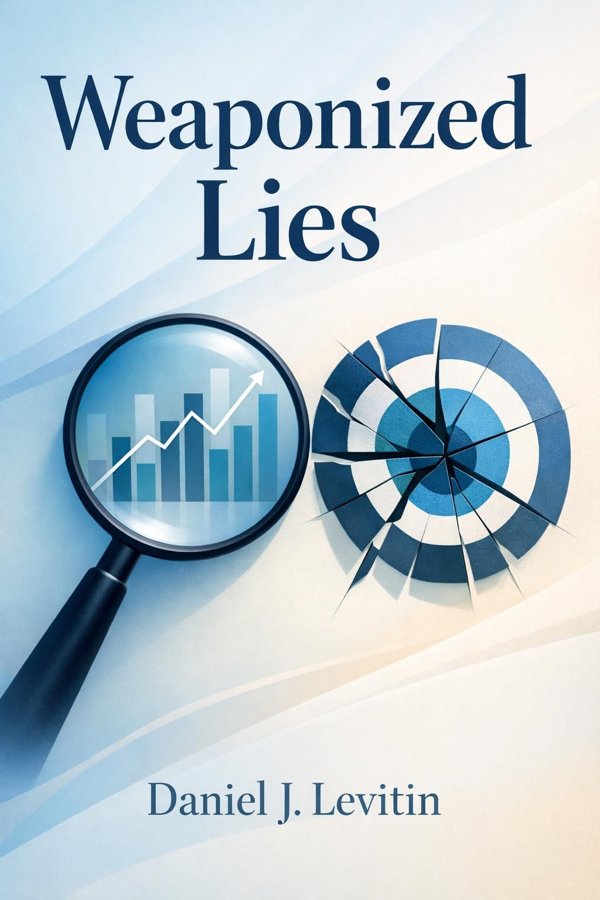
Weaponized Lies: How to Think Critically in the Post-Truth Era
Daniel J. Levitin
10 minYou Might Also Like
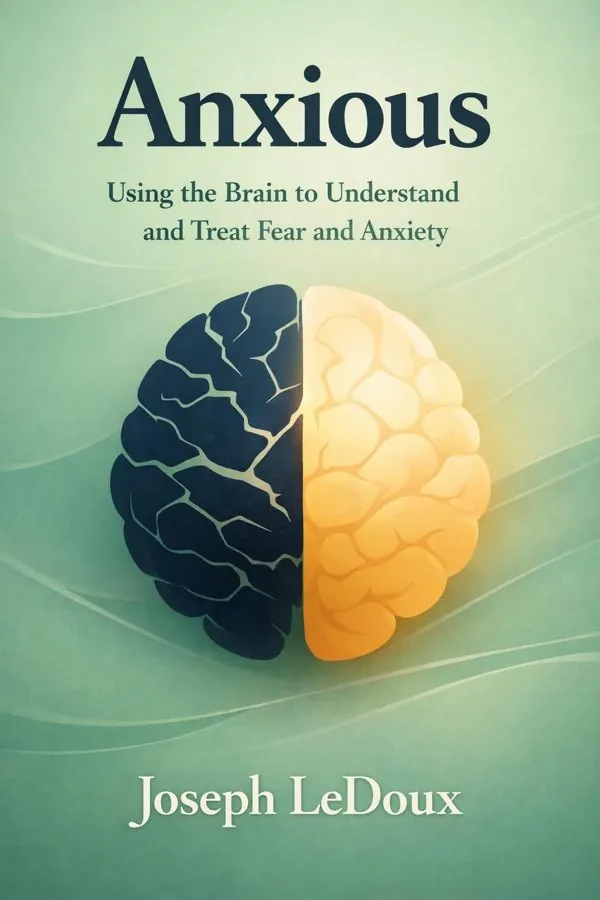
Anxious
Joseph LeDoux
10 min
Hallucinations
Oliver Sacks
10 min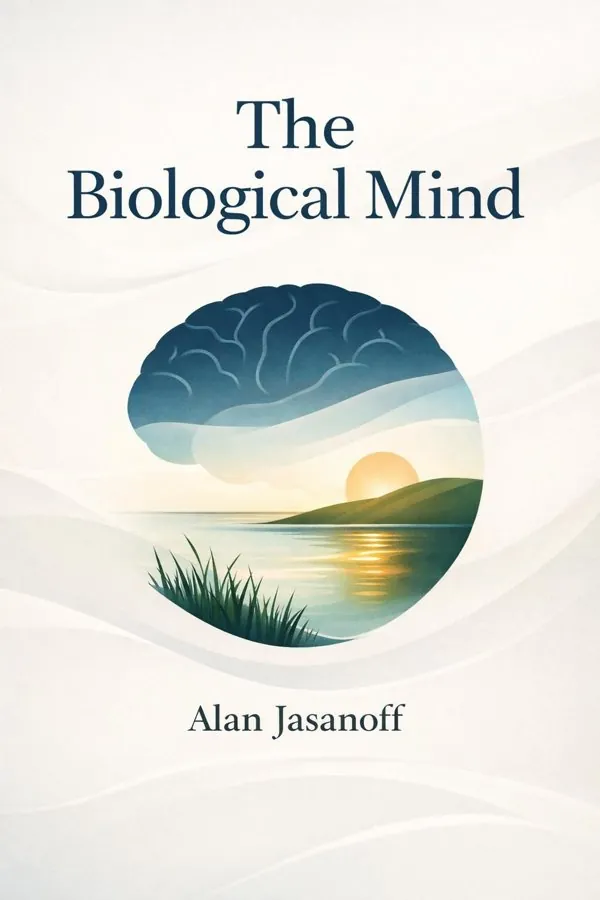
The Biological Mind: How Brain, Body, and Environment Collaborate to Make Us Who We Are
Alan Jasanoff
10 min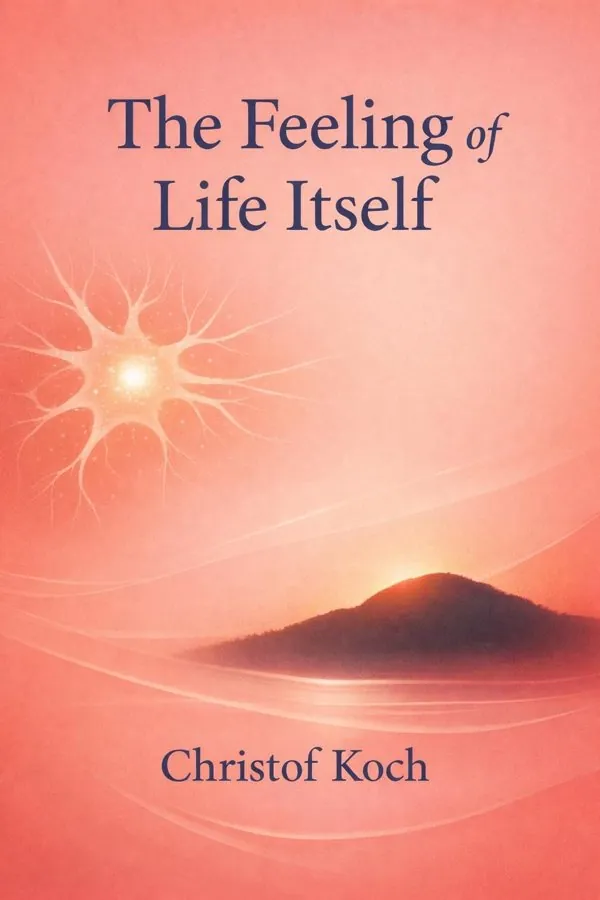
The Feeling of Life Itself: Why Consciousness Is Widespread but Can't Be Computed
Christof Koch
10 min
The No-Nonsense Meditation Book
Steven Laureys
10 min
A General Theory of Love
Thomas Lewis, Fari Amini, Richard Lannon
10 minBrowse by Category
Ready to read Successful Aging: A Neuroscientist Explores the Power and Potential of Our Lives?
Get the full summary and 100K+ more books with Fizz Moment.