
Daniel J. Levitin Books
Daniel J. Levitin is a neuroscientist, musician, and bestselling author known for his research on music, cognition, and the brain.
Known for: A Field Guide to Lies: Critical Thinking in the Information Age, Successful Aging: A Neuroscientist Explores the Power and Potential of Our Lives, The Organized Mind: Thinking Straight in the Age of Information Overload, This Is Your Brain on Music: The Science of a Human Obsession, Weaponized Lies: How to Think Critically in the Post-Truth Era
Books by Daniel J. Levitin
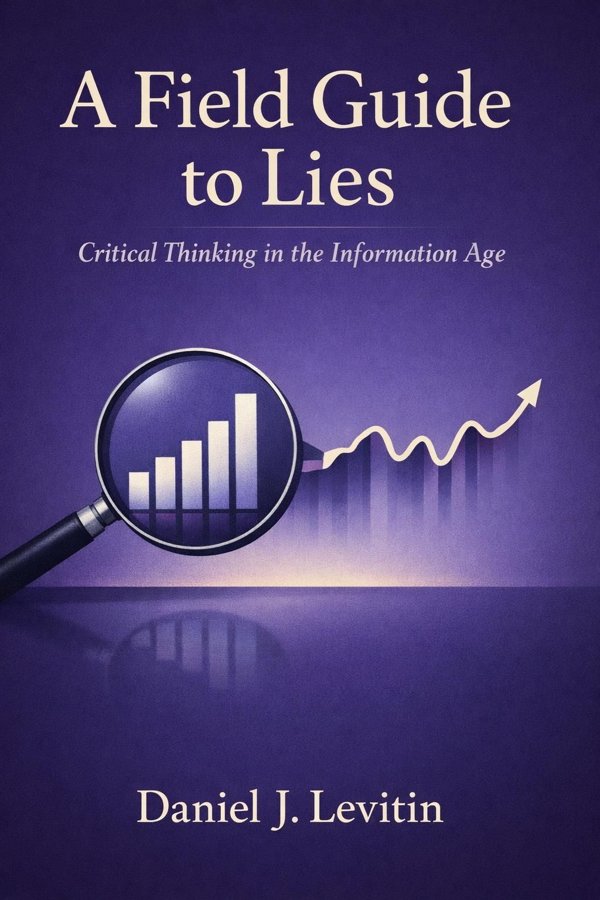
A Field Guide to Lies: Critical Thinking in the Information Age
A Field Guide to Lies is a nonfiction book by cognitive psychologist and neuroscientist Daniel J. Levitin that teaches readers how to critically evaluate information in the modern world. It explores h...
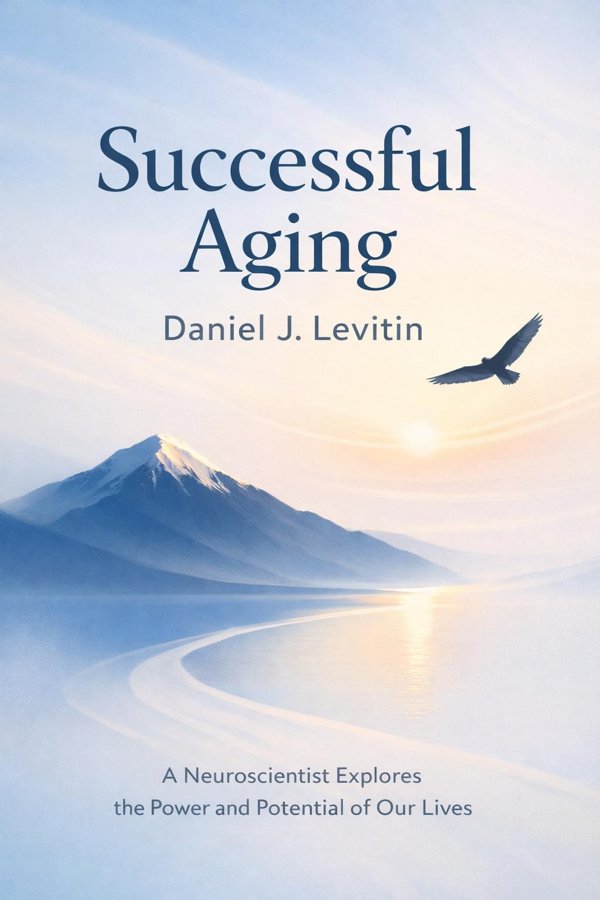
Successful Aging: A Neuroscientist Explores the Power and Potential of Our Lives
In Successful Aging, neuroscientist Daniel J. Levitin dismantles one of modern culture’s most persistent myths: that aging is mainly a story of decline. Instead, he argues that later life can be a per...

The Organized Mind: Thinking Straight in the Age of Information Overload
The Organized Mind examines one of the defining problems of modern life: our brains are ancient biological systems trying to cope with a world of endless emails, notifications, choices, and demands. I...
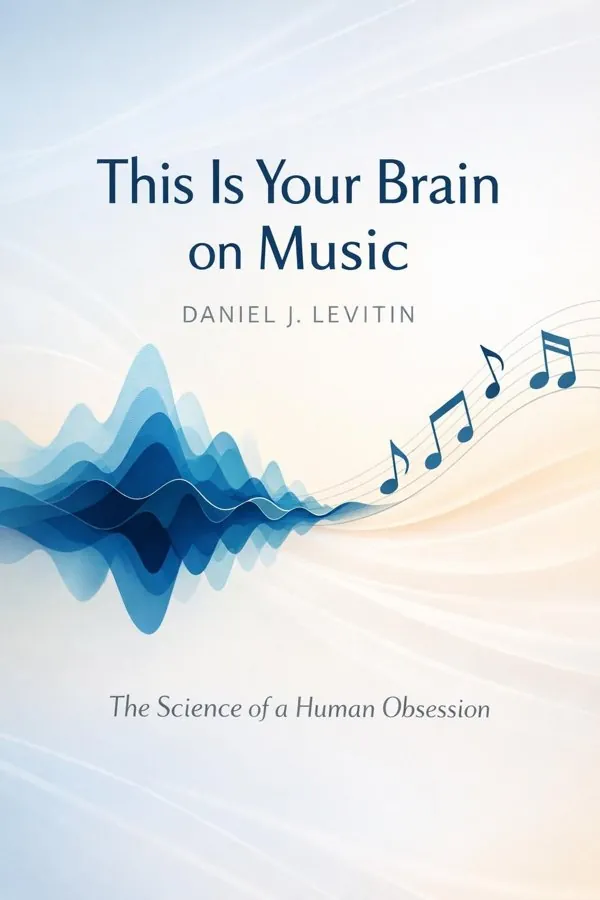
This Is Your Brain on Music: The Science of a Human Obsession
This book explores the intersection of neuroscience and music, explaining how our brains perceive, process, and respond to musical patterns. Drawing on research in cognitive psychology and neurobiolog...

Weaponized Lies: How to Think Critically in the Post-Truth Era
In an age when headlines travel faster than facts and statistics are used as weapons in public debate, Daniel J. Levitin’s Weaponized Lies offers a practical survival guide for the modern mind. The bo...
Key Insights from Daniel J. Levitin
Evaluating Numbers: The Mirage of Statistical Truth
Let’s start with the realm that seems most objective of all: numbers. Numbers feel precise, pure, and reliable. But as I’ve learned through both science and experience, they can be some of the most deceptive tools in communication. Statistics are powerful because they compress complexity into simpli...
From A Field Guide to Lies: Critical Thinking in the Information Age
Evaluating Words: How Language Crafts Perception
Numbers may lie subtly, but words can deceive spectacularly. Every argument, every claim, every advertisement depends on language — and language shapes how we interpret information. We tend to trust words that sound articulate and confident, but eloquence is not truth. Consider correlation versus...
From A Field Guide to Lies: Critical Thinking in the Information Age
The Brain Stays Plastic for Life
One of the most harmful ideas about aging is the belief that the brain becomes fixed and fragile after youth. Levitin challenges this directly by showing that neuroplasticity—the brain’s ability to change its structure and function—continues throughout life. While the rate of certain forms of learni...
From Successful Aging: A Neuroscientist Explores the Power and Potential of Our Lives
Cognition Shifts from Speed to Insight
Aging does change cognition, but not always in the ways people fear. Levitin explains that some mental processes, especially processing speed and rapid recall, often become less efficient with age. Yet this is only part of the picture. Other capacities—such as pattern recognition, judgment, emotiona...
From Successful Aging: A Neuroscientist Explores the Power and Potential of Our Lives
Emotional Life Often Improves With Age
Many people expect aging to bring emotional deterioration, but research often shows the opposite. Levitin highlights that older adults frequently report greater emotional stability, better regulation of negative feelings, and stronger appreciation for daily life. This does not mean aging eliminates ...
From Successful Aging: A Neuroscientist Explores the Power and Potential of Our Lives
Personality Balances Stability and Adaptation
We often talk about personality as if it hardens with age, but Levitin presents a more nuanced picture. Certain traits do become more stable over time, yet aging also invites adaptation. People learn which environments bring out their best, which relationships drain them, and which goals are no long...
From Successful Aging: A Neuroscientist Explores the Power and Potential of Our Lives
About Daniel J. Levitin
Daniel J. Levitin is a neuroscientist, musician, and bestselling author known for his research on music, cognition, and the brain. He has written several popular science books that bridge neuroscience and everyday life, including 'This Is Your Brain on Music' and 'The World in Six Songs'.


Frequently Asked Questions
Daniel J. Levitin is a neuroscientist, musician, and bestselling author known for his research on music, cognition, and the brain.
Read Daniel J. Levitin's books in 15 minutes
Get AI-powered summaries with key insights from 5 books by Daniel J. Levitin.