
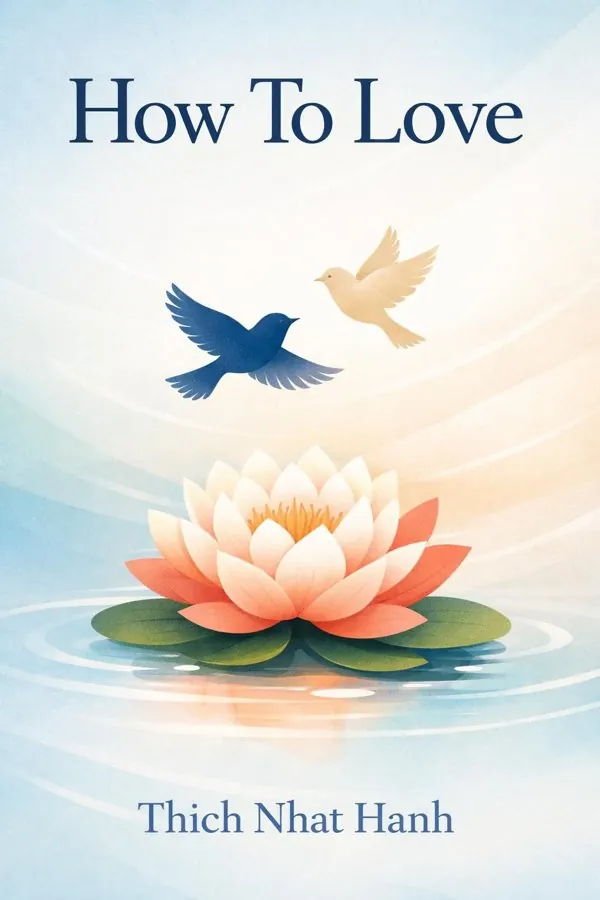
How To Love: Summary & Key Insights
 10 min8 chaptersAudio available
What Is How To Love About?
How To Love by Thich Nhat Hanh is a eastern_wisdom book spanning 8 pages. How to Love es el tercer libro de la serie Mindfulness Essentials del maestro zen Thich Nhat Hanh. En esta obra, el autor explora los cuatro elementos del amor verdadero: la bondad amorosa, la compasión, la alegría y la ecuanimidad. Con un estilo claro y accesible, enseña que el amor no es solo una emoción, sino una práctica consciente que puede cultivarse mediante la atención plena y la comprensión profunda de uno mismo y de los demás.
This FizzRead summary covers all 8 key chapters of How To Love in approximately 10 minutes, distilling the most important ideas, arguments, and takeaways from Thich Nhat Hanh's work. Also available as an audio summary and Key Quotes Podcast.
How To Love
How to Love es el tercer libro de la serie Mindfulness Essentials del maestro zen Thich Nhat Hanh. En esta obra, el autor explora los cuatro elementos del amor verdadero: la bondad amorosa, la compasión, la alegría y la ecuanimidad. Con un estilo claro y accesible, enseña que el amor no es solo una emoción, sino una práctica consciente que puede cultivarse mediante la atención plena y la comprensión profunda de uno mismo y de los demás.
Who Should Read How To Love?
This book is perfect for anyone interested in eastern_wisdom and looking to gain actionable insights in a short read. Whether you're a student, professional, or lifelong learner, the key ideas from How To Love by Thich Nhat Hanh will help you think differently.
- ✓Readers who enjoy eastern_wisdom and want practical takeaways
- ✓Professionals looking to apply new ideas to their work and life
- ✓Anyone who wants the core insights of How To Love in just 10 minutes
Want the full summary?
Get instant access to this book summary and 100K+ more with Fizz Moment.
Get Free SummaryAvailable on App Store • Free to download
Key Chapters
In teaching about love, I often describe it as consisting of four interconnected streams—loving-kindness (maitri), compassion (karuna), joy (mudita), and equanimity (upeksa). They are the four immeasurable minds in Buddhist tradition, and together they express the fullness of love that is both wise and free.
Loving-kindness is the desire and capacity to offer happiness. When you love someone with maitri, you wish for their well-being, but you also possess the understanding needed to make that well-being possible. It is not enough to simply want others to be happy; we must know what truly brings them happiness. This requires listening deeply and seeing clearly. Loving-kindness grows from understanding, and understanding grows from mindfulness.
Compassion is loving-kindness in action. It is the capacity to ease the suffering of others. True compassion means knowing that before we can help another, we must be able to look deeply into our own suffering. Only when we have touched pain without fear can we become a refuge for someone else. Compassion arises naturally when mindfulness reveals the interconnection of all beings—your suffering and mine are not separate.
Joy is the breathing space of love. It is the happiness that is shared, not consumed. When you see the joy of another person and can smile genuinely, you are practicing mudita. True love does not bind; it celebrates the freedom and happiness of both yourself and the one you love. Joy in love nourishes growth and prevents attachment.
Finally, equanimity is the spaciousness of love. It is the element that gives love strength and stability. Equanimity means not distinguishing between ‘me’ and ‘you,’ between ‘us’ and ‘them.’ It is a state of inclusiveness that dissolves discrimination and possessiveness. When equanimity is present, love is no longer entangled in fear or clinginess—it becomes vast, like the sky.
When these four elements work together, love becomes a limitless source of peace. Practicing them requires mindfulness, because mindfulness is what turns aspiration into reality. Each time you breathe with awareness, each time you walk mindfully or listen deeply, you are watering the seeds of these four elements within yourself.
Loving-kindness begins with presence. To love someone means to be there for them, fully and without distraction. Presence is the most precious gift you can offer. When you offer it, the other person feels seen and understood; they feel that they are no longer alone. But for presence to be authentic, you must first learn to be present for yourself.
If you do not know how to take care of your own suffering, your love will carry the seeds of unease and neediness. I often remind students that loving oneself is not selfish—it is the foundation of loving others. When you practice deep breathing and mindful sitting, you create space within yourself to receive and understand your own pain. From that understanding springs true kindness, one that can extend outward effortlessly.
To cultivate loving-kindness, you must learn the art of deep listening. Listening without agenda or judgment allows another person to reveal themselves safely. Often, simply listening deeply can alleviate suffering without the need for solutions. When you listen mindfully, you communicate one thing: 'I am here for you.' This kind of presence is a medicine for the heart.
Through daily mindfulness—whether walking slowly, washing dishes with awareness, or being mindful of your speech—you nurture a calm mind capable of understanding the subtle needs of others. Loving-kindness then ceases to be an abstract virtue and becomes embodied practice. It is in this spirit that mindfulness transforms love from longing into genuine connection.
+ 6 more chapters — available in the FizzRead app
All Chapters in How To Love
About the Author
Thich Nhat Hanh (1926–2022) fue un monje budista vietnamita, maestro zen, poeta y activista por la paz. Fundador de la comunidad Plum Village en Francia, es reconocido mundialmente por su enseñanza sobre la atención plena y la meditación aplicada a la vida cotidiana.
Get This Summary in Your Preferred Format
Read or listen to the How To Love summary by Thich Nhat Hanh anytime, anywhere. FizzRead offers multiple formats so you can learn on your terms — all free.
Available formats: App · Audio · PDF · EPUB — All included free with FizzRead
Download How To Love PDF and EPUB Summary
Key Quotes from How To Love
“In teaching about love, I often describe it as consisting of four interconnected streams—loving-kindness (maitri), compassion (karuna), joy (mudita), and equanimity (upeksa).”
“To love someone means to be there for them, fully and without distraction.”
Frequently Asked Questions about How To Love
How To Love by Thich Nhat Hanh is a eastern_wisdom book that explores key ideas across 8 chapters. How to Love es el tercer libro de la serie Mindfulness Essentials del maestro zen Thich Nhat Hanh. En esta obra, el autor explora los cuatro elementos del amor verdadero: la bondad amorosa, la compasión, la alegría y la ecuanimidad. Con un estilo claro y accesible, enseña que el amor no es solo una emoción, sino una práctica consciente que puede cultivarse mediante la atención plena y la comprensión profunda de uno mismo y de los demás.
More by Thich Nhat Hanh
The Miracle of Mindfulness: An Introduction to the Practice of Meditation
Thich Nhat Hanh
10 min
The Heart of Understanding: Commentaries on the Prajñāpāramitā Heart Sutra
Thich Nhat Hanh
10 min
Anger: Wisdom for Cooling the Flames
Thich Nhat Hanh
10 min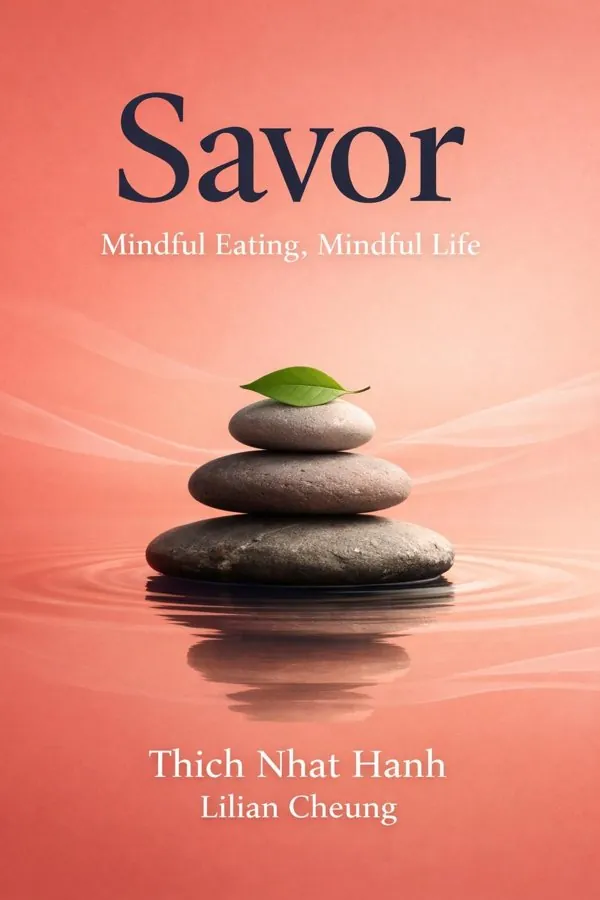
Savor: Mindful Eating, Mindful Life
Thich Nhat Hanh, Lilian Cheung
10 minYou Might Also Like
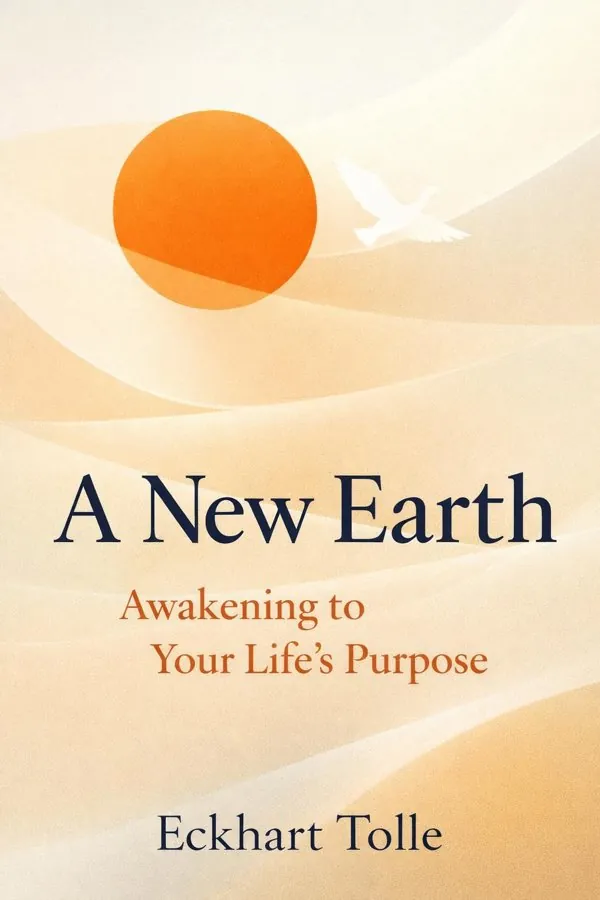
A New Earth
Eckhart Tolle
10 min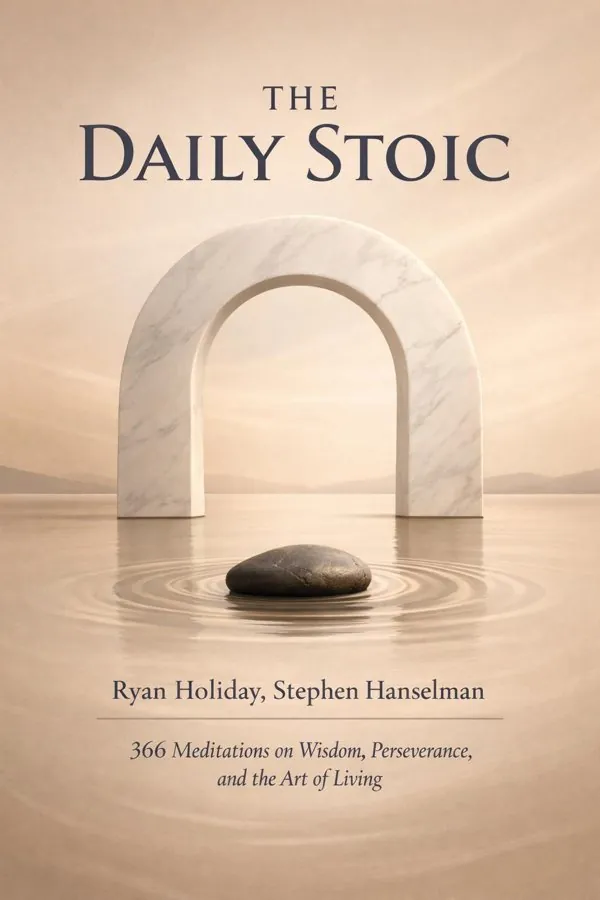
The Daily Stoic
Ryan Holiday, Stephen Hanselman
10 min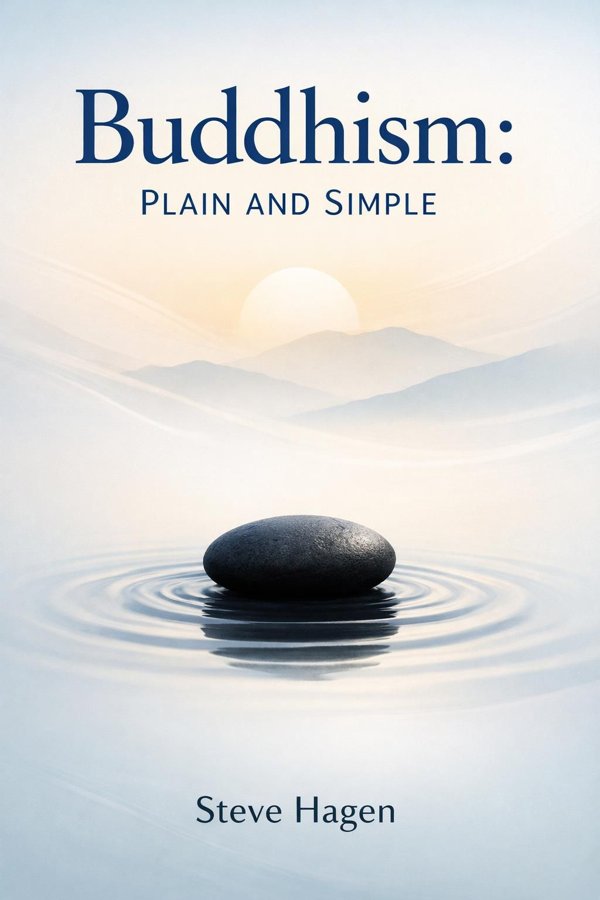
Buddhism: Plain and Simple
Steve Hagen
10 min
Enchiridion
Epictetus
10 min
The Book of Tea
Kakuzō Okakura
10 min
The Light We Give: How Sikh Wisdom Can Transform Your Life
Simran Jeet Singh
10 minBrowse by Category
Ready to read How To Love?
Get the full summary and 100K+ more books with Fizz Moment.