

Matt Ridley Books
Matt Ridley is a British science writer and journalist known for his works on evolutionary biology, genetics, and economics. He has written for The Economist and authored several influential books that combine scientific insight with accessible storytelling.
Known for: Genome: The Autobiography of a Species in 23 Chapters, How Innovation Works: Serendipity, Energy and the Saving of Time, Nature Via Nurture: Genes, Experience, and What Makes Us Human, The Agile Gene: How Nature Turns on Nurture, The Evolution of Everything: How New Ideas Emerge, The Origins of Virtue: Human Instincts and the Evolution of Cooperation, The Rational Optimist: How Prosperity Evolves, The Red Queen: Sex and the Evolution of Human Nature
Books by Matt Ridley
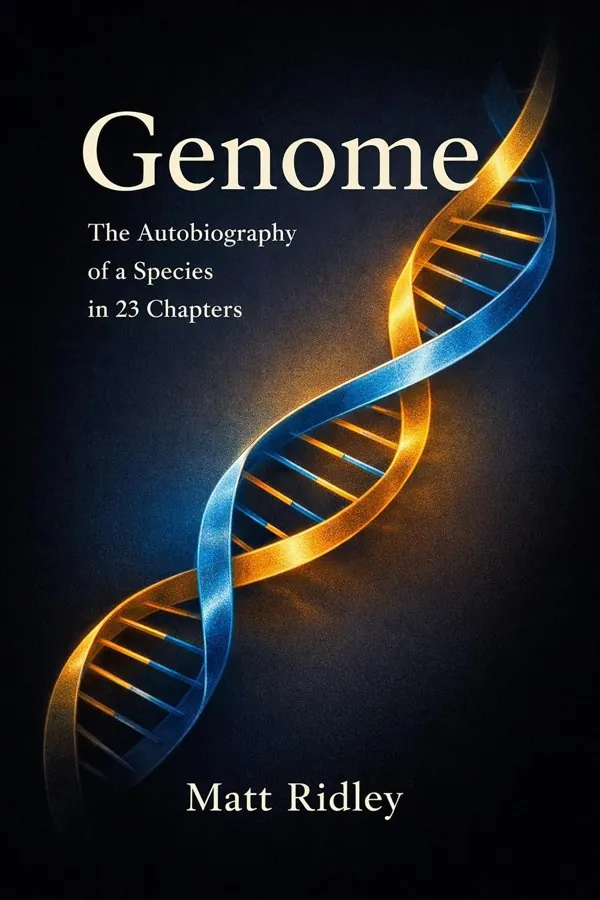
Genome: The Autobiography of a Species in 23 Chapters
What if your body carried not just the instructions for building a human being, but also a record of your species’ deepest history, vulnerabilities, talents, and possibilities? In Genome, Matt Ridley ...
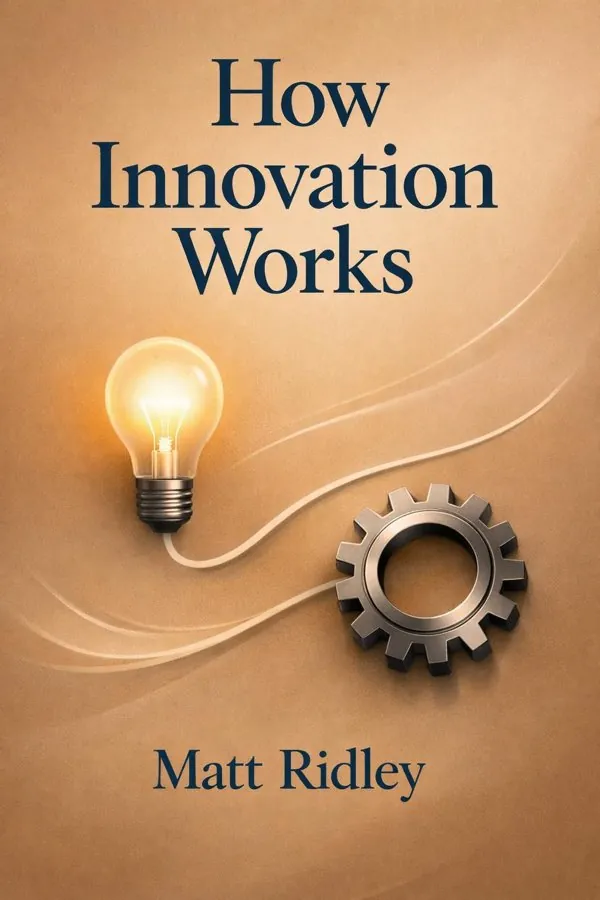
How Innovation Works: Serendipity, Energy and the Saving of Time
In this book, Matt Ridley explores the true nature of innovation—how it arises, spreads, and transforms societies. He argues that innovation is an evolutionary process driven by trial and error, colla...
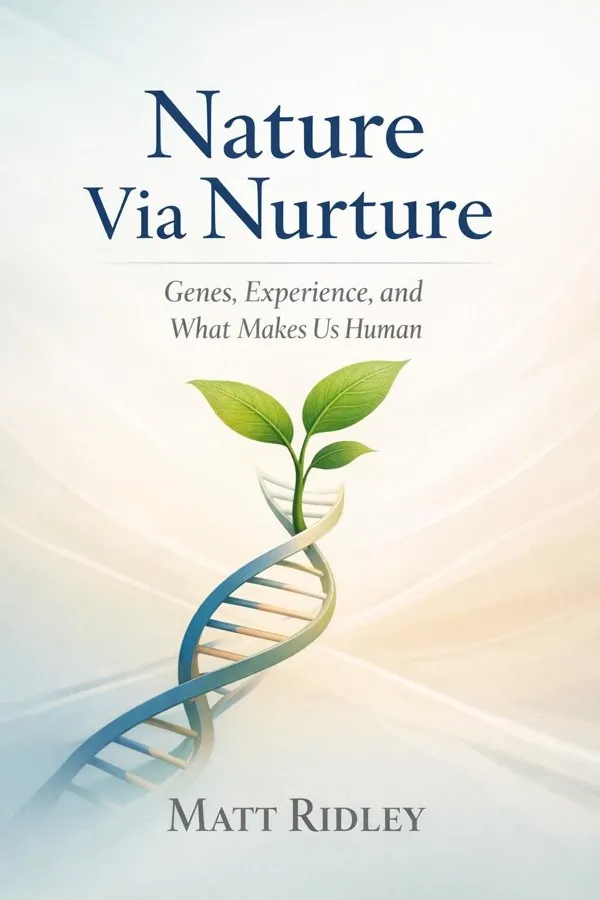
Nature Via Nurture: Genes, Experience, and What Makes Us Human
In Nature Via Nurture, Matt Ridley takes aim at one of the most stubborn false choices in modern thought: are we shaped more by our genes or by our environment? His answer is both elegant and disrupti...
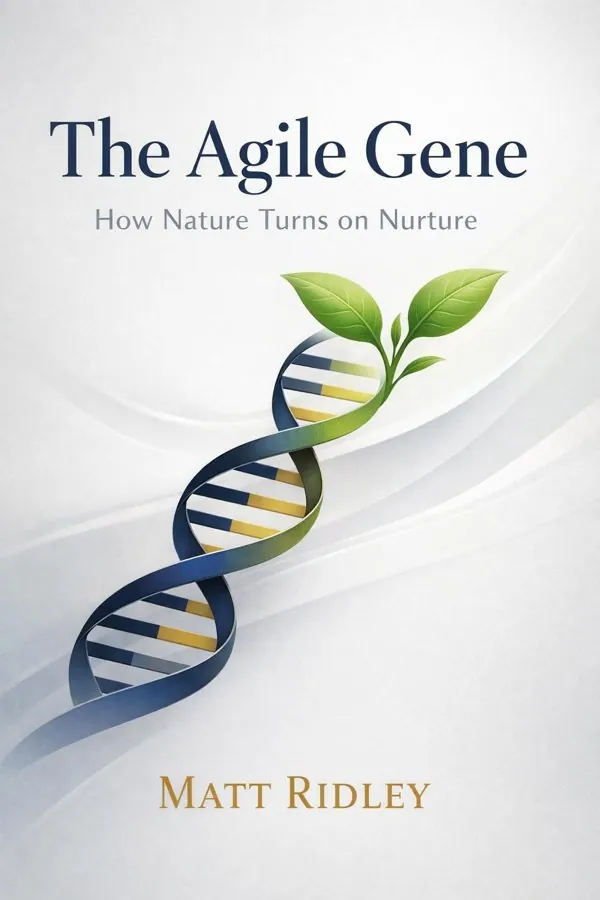
The Agile Gene: How Nature Turns on Nurture
In this influential work, Matt Ridley examines how genes and environment interact to shape human behavior and identity. He argues that nature and nurture are not opposing forces but partners in the de...
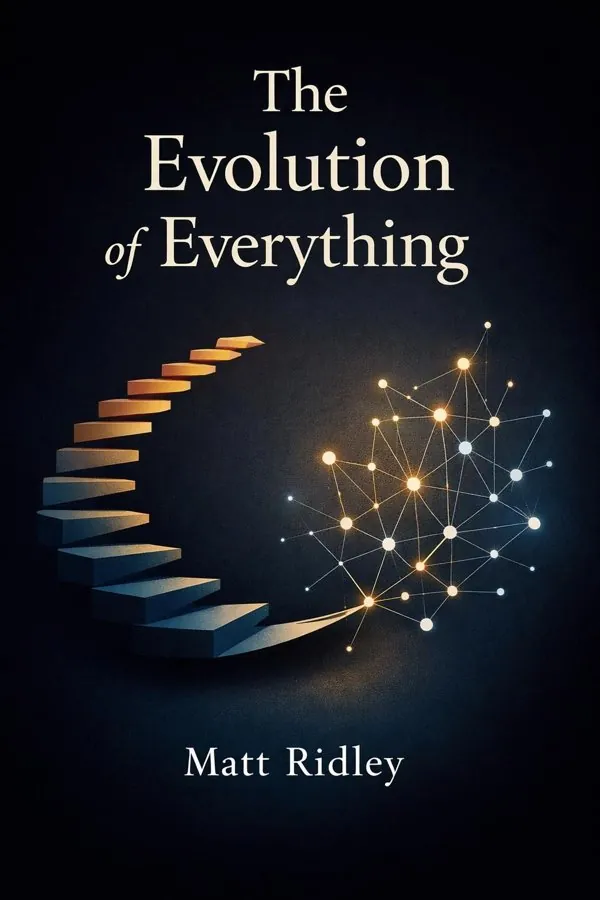
The Evolution of Everything: How New Ideas Emerge
What if the biggest force shaping human progress is not planning, leadership, or design, but countless small experiments unfolding from the bottom up? In The Evolution of Everything, Matt Ridley makes...
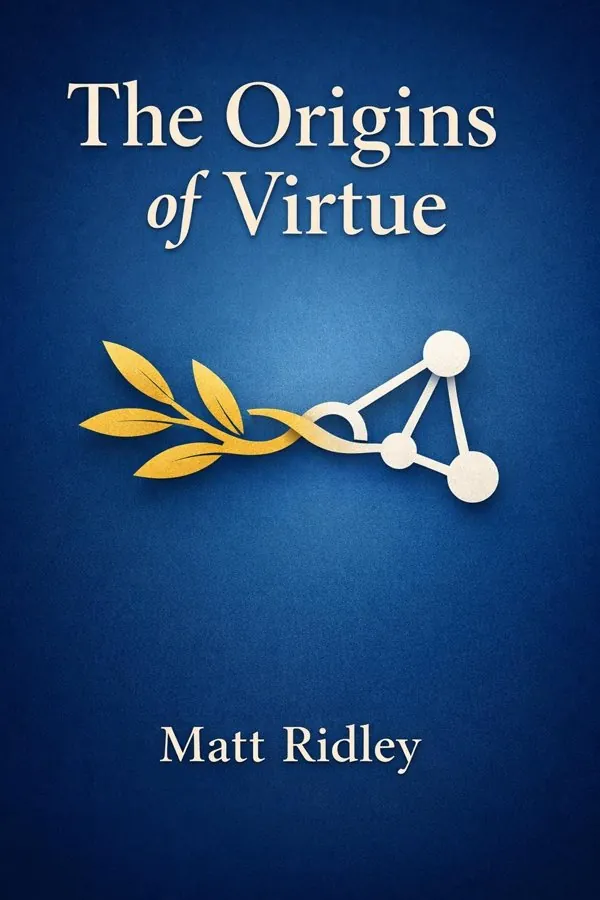
The Origins of Virtue: Human Instincts and the Evolution of Cooperation
Why are human beings capable of generosity, fairness, loyalty, and trust in a world supposedly shaped by survival of the fittest? In The Origins of Virtue, Matt Ridley tackles this enduring puzzle wit...
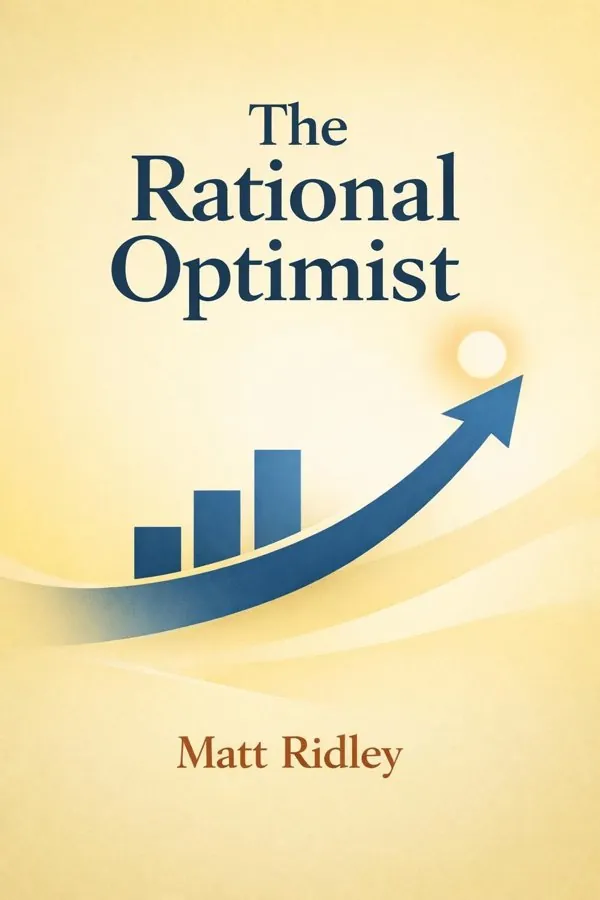
The Rational Optimist: How Prosperity Evolves
The Rational Optimist: How Prosperity Evolves is a 2010 popular science book by Matt Ridley that explores the evolution of human progress through trade, innovation, and cooperation. Ridley argues that...
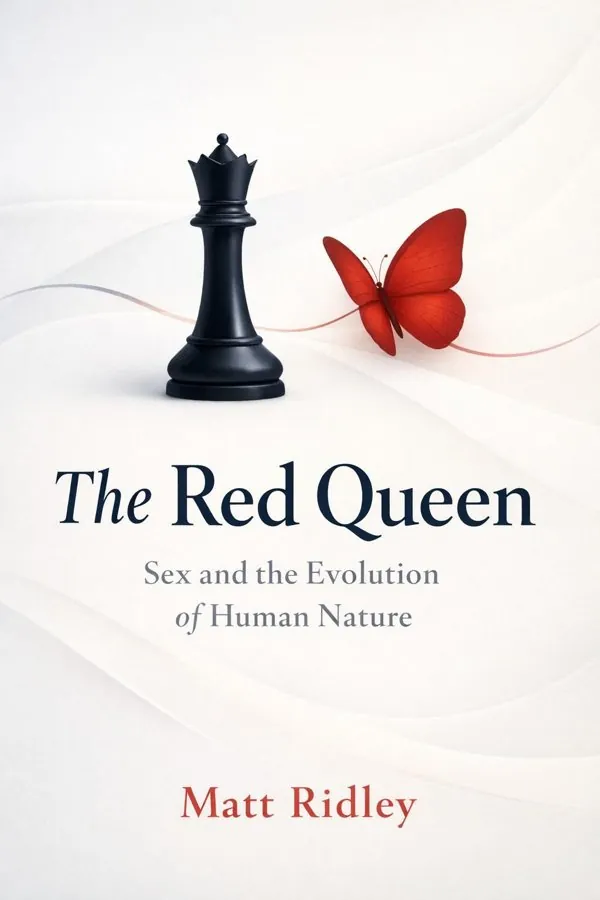
The Red Queen: Sex and the Evolution of Human Nature
Why do organisms reproduce sexually when sex is so costly, risky, and inefficient compared with simple cloning? In The Red Queen, Matt Ridley tackles that puzzle and uses it to illuminate a much large...
Key Insights from Matt Ridley
Chromosome 1: Life, disease, and fragility
The first lesson of the genome is humbling: the same code that makes life possible also contains the seeds of breakdown. Ridley opens with Chromosome 1 to show that human biology is not a flawless design, but a compromise shaped by evolution. This chromosome contains genes implicated in major diseas...
From Genome: The Autobiography of a Species in 23 Chapters
Chromosome 2: Evolution written in our cells
One of the most astonishing facts about being human is that our bodies still carry visible evidence of our evolutionary past. Ridley uses Chromosome 2 to tell one of genetics’ most elegant stories: humans have 23 pairs of chromosomes, while chimpanzees have 24, because two ancestral ape chromosomes ...
From Genome: The Autobiography of a Species in 23 Chapters
Chromosome 3: Fate is not fixed
Perhaps the most persistent fear about genetics is that it turns identity into inevitability. Ridley confronts that fear by examining determinism through Chromosome 3 and related genetic case studies. His core insight is that genes matter enormously, but they do not operate like rigid commands. They...
From Genome: The Autobiography of a Species in 23 Chapters
Chromosomes 4 to 23: A mosaic self
The genome does not tell one story; it tells many at once. Ridley’s journey across Chromosomes 4 through 23 reveals that human identity is assembled from countless overlapping systems governing immunity, sexuality, intelligence, personality, aging, and vulnerability to disease. The deeper message is...
From Genome: The Autobiography of a Species in 23 Chapters
Genes are recipes, not blueprints
A powerful way to misunderstand genetics is to imagine DNA as an architectural plan in which every feature of a person is rigidly specified in advance. Ridley offers a subtler and more accurate metaphor: genes are more like recipes than blueprints. A recipe sets out ingredients and procedures, but t...
From Genome: The Autobiography of a Species in 23 Chapters
Nature and nurture are partners
Few debates have distorted public understanding more than the long-running war between nature and nurture. Ridley’s most enduring insight is that the opposition itself is misguided. Genes and environment are not rival causes competing for control over a person. They are partners in a continuous conv...
From Genome: The Autobiography of a Species in 23 Chapters
About Matt Ridley
Matt Ridley is a British science writer and journalist known for his works on evolutionary biology, genetics, and economics. He has written for The Economist and authored several influential books that combine scientific insight with accessible storytelling.


Frequently Asked Questions
Matt Ridley is a British science writer and journalist known for his works on evolutionary biology, genetics, and economics. He has written for The Economist and authored several influential books that combine scientific insight with accessible storytelling.
Read Matt Ridley's books in 15 minutes
Get AI-powered summaries with key insights from 8 books by Matt Ridley.