
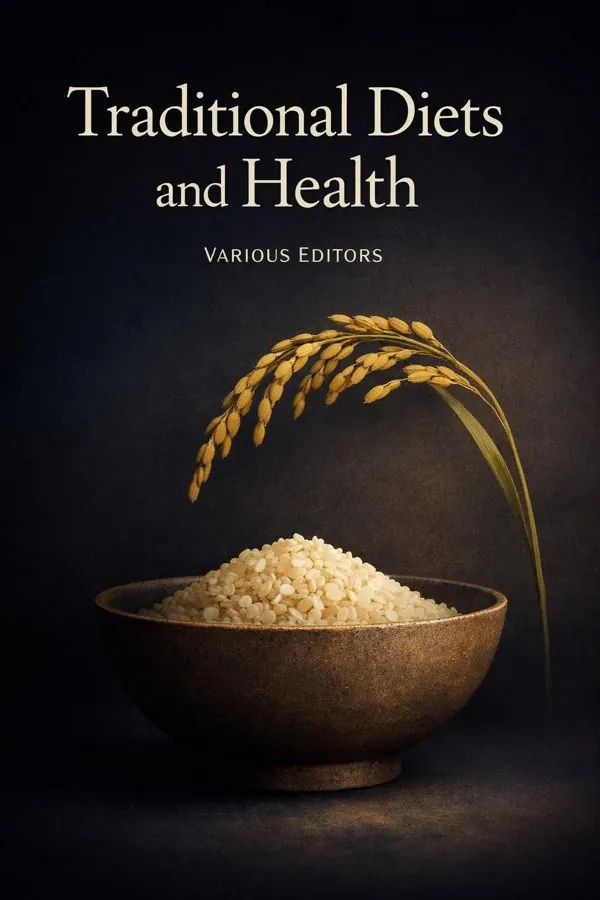
Traditional Diets and Health: Summary & Key Insights
 10 min8 chaptersAudio available
Key Takeaways from Traditional Diets and Health
One of the book’s most striking insights is that many modern health problems do not emerge in isolation; they often arrive alongside the abandonment of traditional food systems.
A powerful idea running through the book is that food cannot be understood only through nutrient tables.
An important lesson in Traditional Diets and Health is that many enduring food traditions evolved in response to local ecological realities.
A central argument of the book is that the way food is processed can matter as much as the food itself.
The book makes clear that traditional diets are not only health assets; they are also repositories of memory, belonging, and identity.
What Is Traditional Diets and Health About?
Traditional Diets and Health by Various Editors is a health_med book. Traditional Diets and Health examines a question that feels increasingly urgent in the modern world: what happens to human health when long-established food cultures are replaced by industrial diets? Edited by a group of contributors rather than a single author, this volume brings together research, historical perspective, and public health insight to explore the connections between ancestral eating patterns, disease prevention, and cultural continuity. Its central concern is not nostalgia, but evidence. Across populations and regions, traditional diets often developed in close relationship with local ecology, seasonal rhythms, methods of food preparation, and social customs that shaped how people ate and lived. What makes the book valuable is its broad, interdisciplinary authority. The editors draw on nutrition science, anthropology, epidemiology, and community health to show that diet is never just a list of nutrients. It is a system involving agriculture, family structure, economics, and identity. For readers interested in nutrition, preventive medicine, or global food systems, this book offers a richer framework than trend-driven diet advice. It argues that preserving and learning from traditional dietary knowledge may be essential for improving modern health outcomes.
This FizzRead summary covers all 8 key chapters of Traditional Diets and Health in approximately 10 minutes, distilling the most important ideas, arguments, and takeaways from Various Editors's work. Also available as an audio summary and Key Quotes Podcast.
Traditional Diets and Health
Traditional Diets and Health examines a question that feels increasingly urgent in the modern world: what happens to human health when long-established food cultures are replaced by industrial diets? Edited by a group of contributors rather than a single author, this volume brings together research, historical perspective, and public health insight to explore the connections between ancestral eating patterns, disease prevention, and cultural continuity. Its central concern is not nostalgia, but evidence. Across populations and regions, traditional diets often developed in close relationship with local ecology, seasonal rhythms, methods of food preparation, and social customs that shaped how people ate and lived.
What makes the book valuable is its broad, interdisciplinary authority. The editors draw on nutrition science, anthropology, epidemiology, and community health to show that diet is never just a list of nutrients. It is a system involving agriculture, family structure, economics, and identity. For readers interested in nutrition, preventive medicine, or global food systems, this book offers a richer framework than trend-driven diet advice. It argues that preserving and learning from traditional dietary knowledge may be essential for improving modern health outcomes.
Who Should Read Traditional Diets and Health?
This book is perfect for anyone interested in health_med and looking to gain actionable insights in a short read. Whether you're a student, professional, or lifelong learner, the key ideas from Traditional Diets and Health by Various Editors will help you think differently.
- ✓Readers who enjoy health_med and want practical takeaways
- ✓Professionals looking to apply new ideas to their work and life
- ✓Anyone who wants the core insights of Traditional Diets and Health in just 10 minutes
Want the full summary?
Get instant access to this book summary and 100K+ more with Fizz Moment.
Get Free SummaryAvailable on App Store • Free to download
Key Chapters
One of the book’s most striking insights is that many modern health problems do not emerge in isolation; they often arrive alongside the abandonment of traditional food systems. Across different societies, the shift from locally produced, minimally processed foods to industrial products high in refined starch, added sugars, low-quality fats, and chemical additives has been associated with rising rates of obesity, diabetes, cardiovascular disease, and metabolic dysfunction. The point is not that every traditional diet was perfect, but that many were better aligned with long-term human health than the highly processed diets now common around the world.
The book explains that dietary displacement is usually tied to larger social changes such as urbanization, colonization, wage labor, globalization, and the commercialization of agriculture. When communities lose access to their customary grains, roots, legumes, fish, fruits, or fermented foods, they often become dependent on cheap packaged alternatives. These foods may be calorie-dense yet nutritionally poor. Over time, this creates a mismatch between biology and environment: bodies adapted to one pattern of eating are pushed into another.
Practical examples are easy to see today. A household that once ate beans, coarse grains, vegetables, and home-cooked stews may now rely on sweetened beverages, instant noodles, processed meats, and snack foods. Even when total calories stay similar, nutrient quality and satiety often decline. The book invites readers to look beyond individual willpower and examine the food environment itself.
Actionable takeaway: audit your routine meals and identify where traditional, whole, minimally processed staples can replace industrial convenience foods.
A powerful idea running through the book is that food cannot be understood only through nutrient tables. Traditional diets are embedded in culture, ritual, family life, farming practices, and local ecology. This means that health effects arise not just from what people eat, but from how food is grown, prepared, shared, timed, and valued. In modern nutrition debates, meals are often reduced to protein counts or vitamin percentages. The editors argue that this reduction misses the system that gives food meaning and resilience.
For example, a traditional meal may combine staple grains with legumes, vegetables, herbs, and fermented side dishes in ways that improve digestibility, micronutrient availability, and satiety. Cooking methods such as soaking, sprouting, slow simmering, stone grinding, drying, and fermenting can transform ingredients nutritionally as well as culturally. Equally important, communal eating patterns may regulate portion sizes, reduce mindless snacking, and strengthen social ties linked to mental well-being.
This broader view matters in practice. Two people can consume similar macronutrients but in very different contexts: one through isolated ultra-processed products eaten hurriedly alone, the other through balanced dishes prepared from scratch and eaten socially. The outcomes may differ because food behavior, appetite regulation, and overall lifestyle differ too.
The book encourages readers to recover food wisdom as a living practice rather than a museum artifact. Traditional diets are not simply menus from the past; they are integrated ways of relating to nourishment.
Actionable takeaway: when improving your diet, change not only ingredients but also preparation habits, meal structure, and eating context.
An important lesson in Traditional Diets and Health is that many enduring food traditions evolved in response to local ecological realities. People historically ate what their land, climate, water systems, and seasons could reliably provide. This often produced diets that were diverse, adaptive, and biologically sensible within a specific environment. Rather than imposing a universal ideal, the book shows that healthy traditional diets may look very different across regions while still sharing core principles such as seasonal variety, modest processing, and close ties to local production.
In coastal communities, fish and sea plants may play a central role. In pastoral cultures, fermented dairy and animal foods may be essential. In agrarian societies, legumes, tubers, millet, rice, maize, or wheat may form the foundation, complemented by wild greens, spices, and preserved foods. The editors emphasize that health should not be measured against a single global menu. Instead, the strength of traditional diets often lies in their fit with geography and cultural adaptation.
This perspective also warns against one-size-fits-all nutrition advice. A diet trend imported from another climate or culture may ignore affordability, accessibility, culinary familiarity, and sustainability. By contrast, eating patterns rooted in local ecosystems can support both personal health and regional food security.
In everyday life, this could mean choosing seasonal produce from nearby farms, learning recipes built around local staples, or appreciating native grains and traditional preservation methods. Such choices may improve freshness, reduce dependence on heavily processed imports, and reconnect communities to resilient food traditions.
Actionable takeaway: build more of your meals around foods naturally suited to your region, season, and cultural context.
A central argument of the book is that the way food is processed can matter as much as the food itself. Traditional food preparation methods often enhanced nutrition, improved safety, and increased digestibility. Modern industrial processing, by contrast, frequently prioritizes shelf life, convenience, hyper-palatability, and profit, sometimes at the expense of metabolic health. This distinction helps explain why foods that begin as similar raw ingredients can produce very different outcomes in the body.
The editors discuss traditional methods such as fermentation, soaking, sprouting, nixtamalization, drying, and slow cooking. These practices can reduce anti-nutrients, support beneficial microbes, preserve food without excessive chemical intervention, and make nutrients easier to absorb. In contrast, industrial refining may strip away fiber, alter food structure, speed digestion, and encourage overconsumption. When grains become sugary cereals, potatoes become packaged chips, or milk becomes heavily sweetened dessert products, the body receives a fundamentally different signal.
This is especially relevant for appetite and blood sugar regulation. Whole or traditionally prepared foods usually require more chewing, digest more slowly, and provide more lasting fullness. Ultra-processed foods are often engineered to be consumed quickly and repeatedly, which can weaken natural satiety cues.
A practical application is to compare ingredients not only by calories, but by form. Oats differ from sugary oat bars. Yogurt differs from dessert-style yogurt drinks. Corn differs from refined corn snacks. The book’s message is not anti-technology; it is pro-discernment about how processing shapes physiology.
Actionable takeaway: choose foods closer to their original form and favor traditional preparation methods whenever possible.
The book makes clear that traditional diets are not only health assets; they are also repositories of memory, belonging, and identity. When a community loses its foodways, the damage is nutritional, but it is also social and psychological. Recipes, ingredients, harvest rituals, shared meals, and intergenerational cooking practices create a sense of continuity. They tell people who they are, where they come from, and how they relate to land and family. In this sense, food preservation is a form of cultural preservation.
The editors show that dietary change is often driven by pressure rather than free choice. Colonial systems, market expansion, migration, and aggressive food marketing may devalue local foods while promoting industrial products as modern or aspirational. This can create a harmful dynamic in which traditional diets are treated as backward even when they are nutritionally sound. Over time, younger generations may lose cooking knowledge, agricultural skills, and the taste for staple foods that once sustained their communities.
Protecting traditional diets therefore has implications beyond the clinic. Community gardens, school meal programs featuring regional dishes, local seed preservation, and elder-led cooking instruction can support both health and identity. Families can also strengthen continuity by preparing heritage meals regularly and teaching children not just what to eat, but why those foods matter.
The book’s broader insight is that health policy should respect cultural legitimacy. A nutrition recommendation is more likely to succeed when it builds on existing food traditions instead of trying to erase them.
Actionable takeaway: preserve at least one meaningful family or community food tradition and pass its knowledge to someone younger.
A thought-provoking theme in the book is that many traditional diets seem to regulate the body in ways modern diets often disrupt. This does not mean every ancestral pattern was automatically ideal, but it does suggest that diets based on whole foods, fiber-rich staples, natural fats, modest sugar intake, and regular meal patterns can support steadier energy, appetite control, and healthier metabolic function. The editors connect this to lower historical rates of insulin resistance, type 2 diabetes, and obesity in many populations before dietary westernization took hold.
Traditional eating patterns often included several protective features working together: slower-digesting carbohydrates, fewer liquid calories, less constant snacking, more labor-intensive food preparation, and stronger alignment between meals and daily rhythms. Fermented foods, diverse plant intake, and less refined starch may also have supported gut health and glucose control. By contrast, modern eating often includes frequent grazing, oversized portions, sweetened drinks, and foods designed to be irresistible but not especially filling.
The book asks readers to think systemically. A bowl of beans with vegetables and grains does more than provide fiber; it contributes to satiety, blood sugar stability, and meal structure. A breakfast of traditional porridge may set up the day differently than a pastry and sweet coffee. These differences, repeated over years, can reshape health outcomes.
For individuals, this insight can be used without romanticizing the past. Reintroducing simple staple meals, eating at regular times, reducing sugar-heavy beverages, and relying less on refined snacks are realistic ways to borrow from traditional metabolic wisdom.
Actionable takeaway: prioritize meals that combine whole-food carbohydrates, fiber, protein, and healthy fats to improve satiety and energy stability.
One of the book’s most practical contributions is its argument that public health strategies should not treat traditional diets as irrelevant relics. Too often, nutrition policy is framed in abstract, technical terms that fail to connect with how people actually cook and eat. The editors suggest that effective health promotion can be stronger when it draws on local food heritage, regional staples, and existing culinary knowledge. People are more likely to adopt advice that feels familiar, affordable, and culturally meaningful.
This has implications for schools, hospitals, community clinics, and government programs. Rather than promoting a generic healthy plate with imported ingredients, public institutions might support traditional legumes, grains, fermented foods, vegetables, and preparation methods already known in the community. This can improve dietary adherence while also supporting local agriculture and food sovereignty. It may also reduce the stigma that often comes with public health messaging that seems to criticize cultural eating patterns.
The book also highlights that structural barriers matter. Communities cannot preserve healthy food traditions if land access disappears, small farmers are displaced, or processed products are cheaper than fresh staples. In that sense, protecting traditional diets requires policy support, not just individual education. Subsidies, procurement policies, school curricula, and local market infrastructure all play a role.
For readers interested in healthcare or policy, the message is clear: prevention works better when it respects lived reality. For families, the lesson is similar: the best nutrition plan may be the one already rooted in household memory.
Actionable takeaway: adapt healthy eating goals to your cultural food traditions instead of relying only on generic diet rules.
A nuanced insight in Traditional Diets and Health is that returning to traditional foodways does not mean pretending modern life does not exist. The goal is not to recreate the past perfectly, but to recover the principles that made many traditional diets health-promoting and adapt them intelligently to current conditions. This distinction matters because many readers may admire ancestral diets while feeling unable to replicate them amid urban schedules, supermarket dependence, and changing family structures.
The editors encourage a flexible mindset. Traditional diets were themselves adaptive, changing with seasons, migration, trade, and local constraints. What matters is preserving key features: reliance on minimally processed staples, respect for local ingredients, practical preparation knowledge, moderation, and social eating patterns. A modern household may not mill grain by hand or harvest wild foods, but it can still cook beans in batches, use fermented foods, prioritize vegetables, choose whole grains, and reduce packaged snacks.
This approach also protects against idealization. Some historical diets existed under scarcity, inequality, or heavy labor conditions that are not desirable. The book is not recommending hardship. It is suggesting that modern abundance should be guided by old wisdom rather than dominated by industrial convenience.
Practical adaptation could include learning two or three heritage recipes suited to busy weekdays, replacing sugary breakfast foods with traditional porridges or eggs, or keeping pantry staples such as lentils, rice, yogurt, herbs, and seasonal produce on hand. Small changes can restore continuity without demanding perfection.
Actionable takeaway: identify the core principles of your own food heritage and translate them into realistic weekly habits.
All Chapters in Traditional Diets and Health
About the Author
Various Editors refers to the editorial team behind this collected volume, which brings together insights from multiple contributors rather than presenting a single-author argument. In works like Traditional Diets and Health, the editors typically come from fields such as nutrition science, medicine, anthropology, epidemiology, and public health. Their role is to define the scope of the book, select expert contributors, organize the chapters into a coherent framework, and ensure that the volume addresses the topic from several complementary angles. This collaborative structure is particularly well suited to a subject as broad as traditional diets, where biological, cultural, historical, and ecological perspectives all matter. The result is a richer and more interdisciplinary exploration than one author could usually provide alone.
Get This Summary in Your Preferred Format
Read or listen to the Traditional Diets and Health summary by Various Editors anytime, anywhere. FizzRead offers multiple formats so you can learn on your terms — all free.
Available formats: App · Audio · PDF · EPUB — All included free with FizzRead
Download Traditional Diets and Health PDF and EPUB Summary
Key Quotes from Traditional Diets and Health
“One of the book’s most striking insights is that many modern health problems do not emerge in isolation; they often arrive alongside the abandonment of traditional food systems.”
“A powerful idea running through the book is that food cannot be understood only through nutrient tables.”
“An important lesson in Traditional Diets and Health is that many enduring food traditions evolved in response to local ecological realities.”
“A central argument of the book is that the way food is processed can matter as much as the food itself.”
“The book makes clear that traditional diets are not only health assets; they are also repositories of memory, belonging, and identity.”
Frequently Asked Questions about Traditional Diets and Health
Traditional Diets and Health by Various Editors is a health_med book that explores key ideas across 8 chapters. Traditional Diets and Health examines a question that feels increasingly urgent in the modern world: what happens to human health when long-established food cultures are replaced by industrial diets? Edited by a group of contributors rather than a single author, this volume brings together research, historical perspective, and public health insight to explore the connections between ancestral eating patterns, disease prevention, and cultural continuity. Its central concern is not nostalgia, but evidence. Across populations and regions, traditional diets often developed in close relationship with local ecology, seasonal rhythms, methods of food preparation, and social customs that shaped how people ate and lived. What makes the book valuable is its broad, interdisciplinary authority. The editors draw on nutrition science, anthropology, epidemiology, and community health to show that diet is never just a list of nutrients. It is a system involving agriculture, family structure, economics, and identity. For readers interested in nutrition, preventive medicine, or global food systems, this book offers a richer framework than trend-driven diet advice. It argues that preserving and learning from traditional dietary knowledge may be essential for improving modern health outcomes.
More by Various Editors



You Might Also Like

On Immunity
Eula Biss
10 min
The Three-Body Problem
Liu Cixin
10 min
Community Health Volunteer Toolkit: Training and Practical Activities
World Health Organization
10 min
Healing Back Pain: The Mind-Body Connection
John E. Sarno
10 min
Health Literacy for All: Practical Guides to Communicate Health Information (Compilations)
World Health Organization
10 min
The Complete Guide to Sports Supplements: An Evidence-Based Review
Anita Bean
10 minBrowse by Category
Ready to read Traditional Diets and Health?
Get the full summary and 100K+ more books with Fizz Moment.