
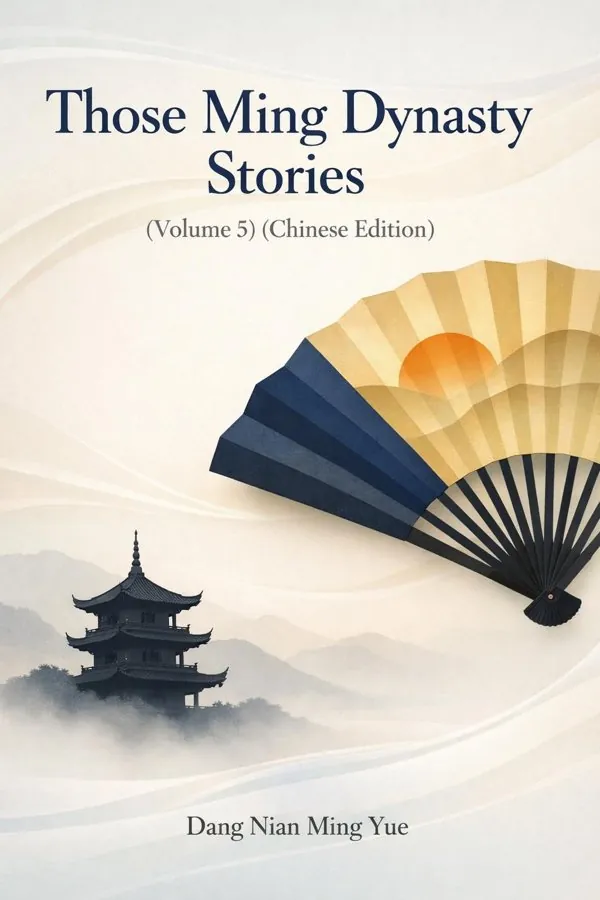
Those Ming Dynasty Stories (Volume 5) (Chinese Edition): Summary & Key Insights
 10 min6 chaptersAudio available
What Is Those Ming Dynasty Stories (Volume 5) (Chinese Edition) About?
Those Ming Dynasty Stories (Volume 5) (Chinese Edition) by Dang Nian Ming Yue is a chinese_history book spanning 6 pages. Those Ming Dynasty Stories (Volume 5) continues the engaging narrative style of the previous volumes, presenting the mid-to-late Ming dynasty with humor and vivid storytelling. This volume focuses on the reigns of the Jiajing, Longqing, and Wanli emperors, exploring political shifts, bureaucratic struggles, and the social atmosphere that marked the empire’s decline.
This FizzRead summary covers all 6 key chapters of Those Ming Dynasty Stories (Volume 5) (Chinese Edition) in approximately 10 minutes, distilling the most important ideas, arguments, and takeaways from Dang Nian Ming Yue's work. Also available as an audio summary and Key Quotes Podcast.
Those Ming Dynasty Stories (Volume 5) (Chinese Edition)
Those Ming Dynasty Stories (Volume 5) continues the engaging narrative style of the previous volumes, presenting the mid-to-late Ming dynasty with humor and vivid storytelling. This volume focuses on the reigns of the Jiajing, Longqing, and Wanli emperors, exploring political shifts, bureaucratic struggles, and the social atmosphere that marked the empire’s decline.
Who Should Read Those Ming Dynasty Stories (Volume 5) (Chinese Edition)?
This book is perfect for anyone interested in chinese_history and looking to gain actionable insights in a short read. Whether you're a student, professional, or lifelong learner, the key ideas from Those Ming Dynasty Stories (Volume 5) (Chinese Edition) by Dang Nian Ming Yue will help you think differently.
- ✓Readers who enjoy chinese_history and want practical takeaways
- ✓Professionals looking to apply new ideas to their work and life
- ✓Anyone who wants the core insights of Those Ming Dynasty Stories (Volume 5) (Chinese Edition) in just 10 minutes
Want the full summary?
Get instant access to this book summary and 100K+ more with Fizz Moment.
Get Free SummaryAvailable on App Store • Free to download
Key Chapters
When Emperor Jiajing ascended the throne, the Ming dynasty still possessed its earlier vigor. But Jiajing, crowned young and proud, turned his back on Confucian orthodoxy and surrendered his heart to Taoism. He saw himself not merely as a monarch but as a celestial being destined to commune with immortals. The Forbidden City, under his will, became both a palace and a temple. Ministers trembled not at the rigors of policy, but at the emperor’s pursuit of divine elixirs.
From the author’s perspective, this period is not merely superstition; it’s a metaphor for detachment. Jiajing’s search for immortality mirrored the court’s estrangement from earthly concerns. While he purified his body through rituals, the empire’s lifeblood—the efficiency of governance—slowly drained. Eunuchs grew powerful, secret police multiplied, and loyal ministers were silenced. I describe these court scenes not as moral condemnation, but as living history: the emperor sitting in silence, generals awaiting commands that never came, the people toiling under rising taxes.
Yet Jiajing was not a fool. His withdrawal was partly self-defense: the throne he inherited was fragile, the bureaucracy filled with factions. He found solace in Taoism, seeking control over fate when politics proved uncontrollable. This contradiction between wisdom and delusion is what makes him tragically compelling. He represented both the height of imperial will and the beginning of moral separation between ruler and realm. Under him, the Ming system learned to operate without the emperor—a habit that would later turn fatal.
+ 4 more chapters — available in the FizzRead app
All Chapters in Those Ming Dynasty Stories (Volume 5) (Chinese Edition)
About the Author
Dang Nian Ming Yue, whose real name is Shi Yue, was born in 1979 in Guangdong, China. He is widely known for his accessible and narrative-driven approach to Chinese history. His series Those Ming Dynasty Stories is regarded as one of the most influential popular history works in modern Chinese literature.
Get This Summary in Your Preferred Format
Read or listen to the Those Ming Dynasty Stories (Volume 5) (Chinese Edition) summary by Dang Nian Ming Yue anytime, anywhere. FizzRead offers multiple formats so you can learn on your terms — all free.
Available formats: App · Audio · PDF · EPUB — All included free with FizzRead
Download Those Ming Dynasty Stories (Volume 5) (Chinese Edition) PDF and EPUB Summary
Key Quotes from Those Ming Dynasty Stories (Volume 5) (Chinese Edition)
“When Emperor Jiajing ascended the throne, the Ming dynasty still possessed its earlier vigor.”
“As Jiajing dwelled deeper into his esoteric pursuits, the empire became a stage for bureaucratic tension.”
Frequently Asked Questions about Those Ming Dynasty Stories (Volume 5) (Chinese Edition)
Those Ming Dynasty Stories (Volume 5) (Chinese Edition) by Dang Nian Ming Yue is a chinese_history book that explores key ideas across 6 chapters. Those Ming Dynasty Stories (Volume 5) continues the engaging narrative style of the previous volumes, presenting the mid-to-late Ming dynasty with humor and vivid storytelling. This volume focuses on the reigns of the Jiajing, Longqing, and Wanli emperors, exploring political shifts, bureaucratic struggles, and the social atmosphere that marked the empire’s decline.
More by Dang Nian Ming Yue
You Might Also Like
1587, A Year of No Significance
Ray Huang
10 min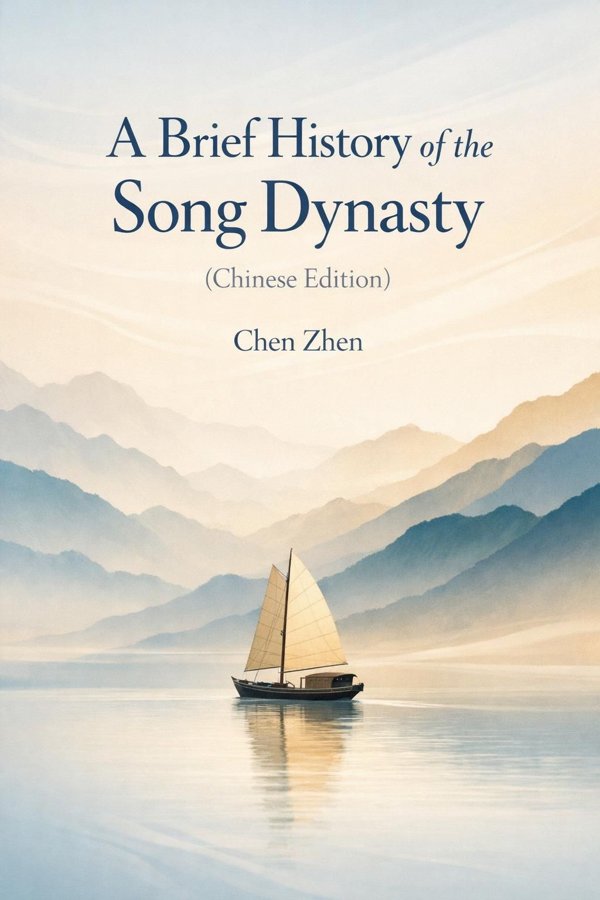
A Brief History of the Song Dynasty (Chinese Edition)
Chen Zhen
10 min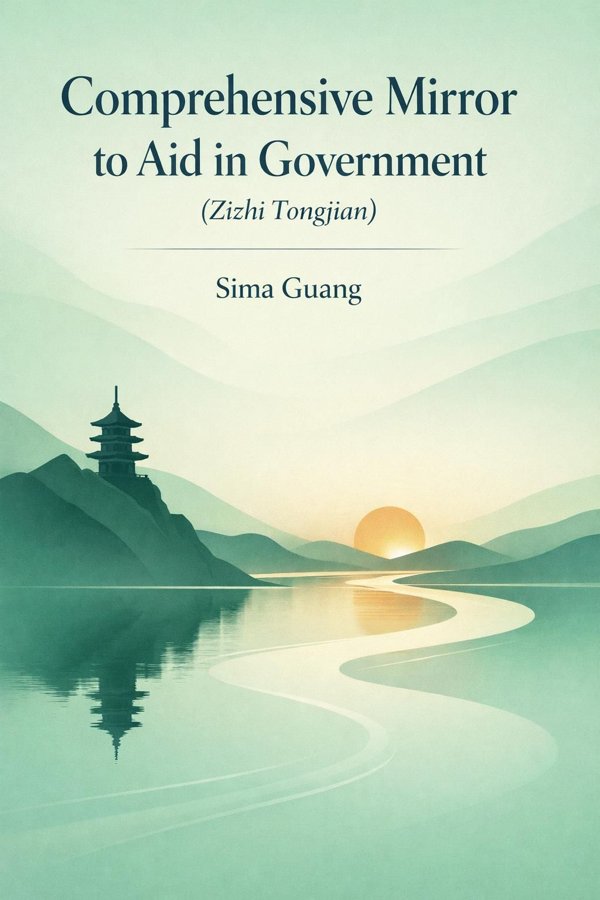
Comprehensive Mirror to Aid in Government (Zizhi Tongjian)
Sima Guang
10 min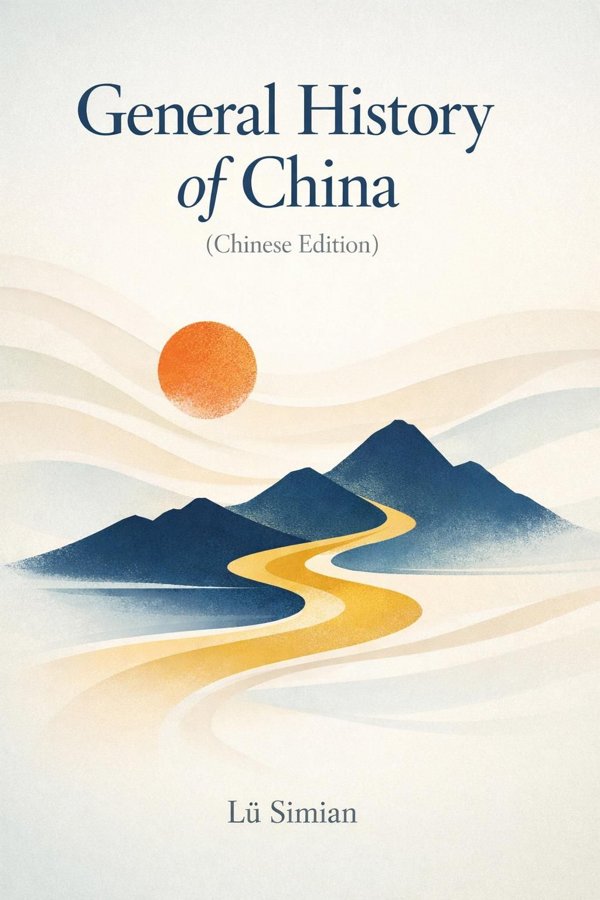
General History of China (Chinese Edition)
Lü Simian
10 min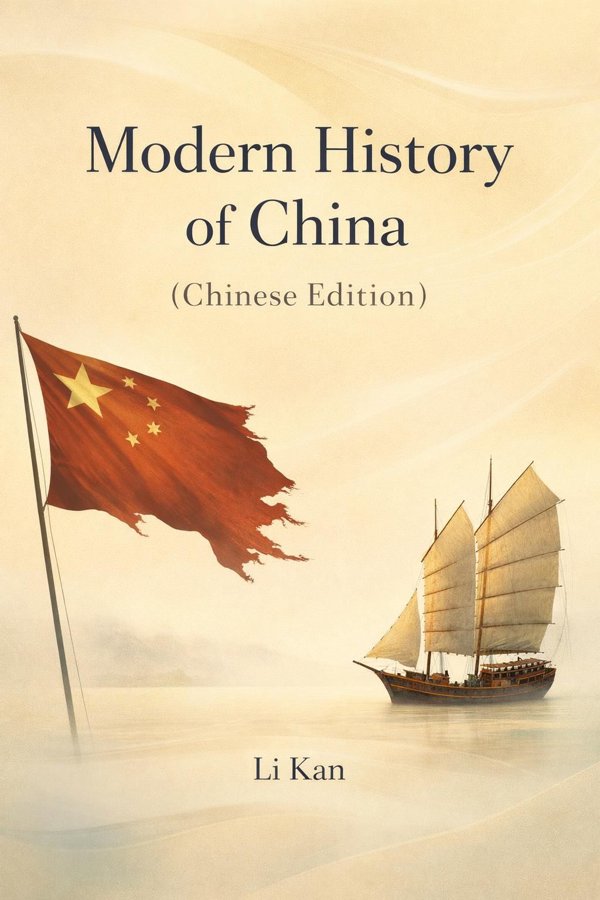
Modern History of China (Chinese Edition)
Li Kan
10 min
Records of the Grand Historian (Chinese Edition)
Sima Qian
10 minBrowse by Category
Ready to read Those Ming Dynasty Stories (Volume 5) (Chinese Edition)?
Get the full summary and 100K+ more books with Fizz Moment.