
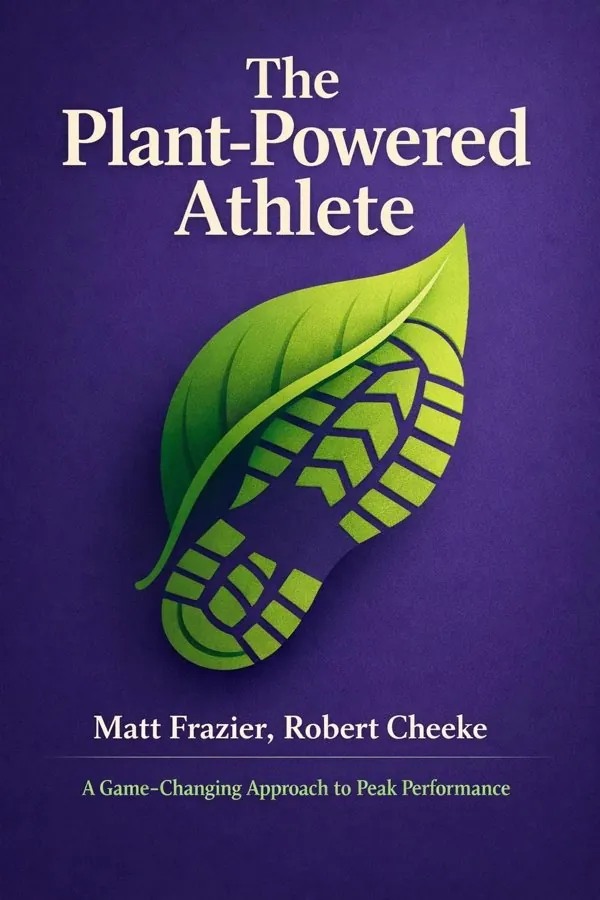
The Plant-Powered Athlete: A Game-Changing Approach to Peak Performance: Summary & Key Insights
by Matt Frazier, Robert Cheeke
 10 min9 chaptersAudio available
Key Takeaways from The Plant-Powered Athlete: A Game-Changing Approach to Peak Performance
The most powerful myths in sports are often the ones repeated so often that they sound like biology.
Performance nutrition becomes much simpler once you realize that muscles do not care about food ideology; they care about inputs.
Athletes often focus on calories and protein while ignoring the smaller nutrients that quietly determine whether performance thrives or stalls.
A major mistake athletes make is changing everything at once and blaming the diet when performance temporarily dips.
What you eat matters, but when you eat can determine whether good nutrition actually translates into performance.
What Is The Plant-Powered Athlete: A Game-Changing Approach to Peak Performance About?
The Plant-Powered Athlete: A Game-Changing Approach to Peak Performance by Matt Frazier, Robert Cheeke is a nutrition book spanning 9 pages. The Plant-Powered Athlete challenges one of sport’s oldest assumptions: that serious performance requires animal products. In this practical and motivating guide, endurance athlete Matt Frazier and vegan bodybuilder Robert Cheeke show how athletes can build strength, improve recovery, and sustain high performance on a fully plant-based diet. Rather than relying on ideology alone, the book blends sports nutrition science, personal experience, and real-world examples from elite competitors across disciplines. What makes this book matter is its timing and clarity. More athletes are questioning conventional nutrition advice, yet many still worry about protein, energy levels, muscle gain, and nutrient deficiencies. Frazier and Cheeke address those concerns directly, translating complex nutrition principles into meal strategies, training support, and lifestyle habits that are easy to apply. Their authority comes not only from research, but from lived credibility: Frazier built a large platform through No Meat Athlete and years of endurance training, while Cheeke became one of the most visible advocates for vegan bodybuilding. Together, they offer a persuasive case that plant-based eating is not a compromise for athletes—it can be a competitive advantage.
This FizzRead summary covers all 9 key chapters of The Plant-Powered Athlete: A Game-Changing Approach to Peak Performance in approximately 10 minutes, distilling the most important ideas, arguments, and takeaways from Matt Frazier, Robert Cheeke's work. Also available as an audio summary and Key Quotes Podcast.
The Plant-Powered Athlete: A Game-Changing Approach to Peak Performance
The Plant-Powered Athlete challenges one of sport’s oldest assumptions: that serious performance requires animal products. In this practical and motivating guide, endurance athlete Matt Frazier and vegan bodybuilder Robert Cheeke show how athletes can build strength, improve recovery, and sustain high performance on a fully plant-based diet. Rather than relying on ideology alone, the book blends sports nutrition science, personal experience, and real-world examples from elite competitors across disciplines.
What makes this book matter is its timing and clarity. More athletes are questioning conventional nutrition advice, yet many still worry about protein, energy levels, muscle gain, and nutrient deficiencies. Frazier and Cheeke address those concerns directly, translating complex nutrition principles into meal strategies, training support, and lifestyle habits that are easy to apply. Their authority comes not only from research, but from lived credibility: Frazier built a large platform through No Meat Athlete and years of endurance training, while Cheeke became one of the most visible advocates for vegan bodybuilding. Together, they offer a persuasive case that plant-based eating is not a compromise for athletes—it can be a competitive advantage.
Who Should Read The Plant-Powered Athlete: A Game-Changing Approach to Peak Performance?
This book is perfect for anyone interested in nutrition and looking to gain actionable insights in a short read. Whether you're a student, professional, or lifelong learner, the key ideas from The Plant-Powered Athlete: A Game-Changing Approach to Peak Performance by Matt Frazier, Robert Cheeke will help you think differently.
- ✓Readers who enjoy nutrition and want practical takeaways
- ✓Professionals looking to apply new ideas to their work and life
- ✓Anyone who wants the core insights of The Plant-Powered Athlete: A Game-Changing Approach to Peak Performance in just 10 minutes
Want the full summary?
Get instant access to this book summary and 100K+ more with Fizz Moment.
Get Free SummaryAvailable on App Store • Free to download
Key Chapters
The most powerful myths in sports are often the ones repeated so often that they sound like biology. For years, athletes were told that meat equals strength, dairy equals recovery, and eggs equal muscle. Frazier and Cheeke argue that this belief is outdated. Athletic performance depends less on whether food comes from animals and more on whether the body gets enough calories, quality carbohydrates, adequate protein, healthy fats, and key micronutrients. Plants can deliver all of that.
The book reframes plant-based eating not as restriction, but as strategic fuel. Whole plant foods tend to be rich in carbohydrates, antioxidants, fiber, and anti-inflammatory compounds, all of which support training volume, energy production, and recovery. Beans, lentils, tofu, tempeh, seitan, nuts, seeds, grains, fruits, and vegetables can provide the nutrients athletes need across strength, endurance, and mixed sports. Just as important, many athletes report better digestion, more stable energy, and reduced soreness when they shift away from heavy animal-based meals.
Frazier and Cheeke support their case with examples from endurance racers, bodybuilders, and team-sport athletes who thrive on plant-based diets. Their core point is not that every athlete must eat perfectly, but that peak performance does not require animal products. It requires planning, consistency, and understanding what your body needs.
Actionable takeaway: Stop asking whether plants are “enough” and start evaluating your diet by outcomes—energy, recovery, strength, and consistency in training.
Performance nutrition becomes much simpler once you realize that muscles do not care about food ideology; they care about inputs. The book emphasizes that athletes on plant-based diets must understand the same macronutrients as everyone else—carbohydrates, protein, and fat—but learn to source and combine them intelligently from plants.
Carbohydrates are central because they replenish glycogen, the body’s preferred fuel for high-intensity and endurance work. Athletes often underappreciate how naturally carbohydrate-rich a whole-food plant-based diet can be. Oats, rice, potatoes, fruit, beans, and pasta become performance allies, not foods to fear. Protein, the most questioned area, is addressed with calm practicality. Frazier and Cheeke explain that plant proteins are abundant when athletes eat enough total food and include varied sources such as legumes, soy foods, whole grains, nuts, seeds, and higher-protein staples like seitan. Fat plays a supporting role in hormones, satiety, and long-duration energy, with avocados, nuts, seeds, olive oil, and nut butters providing useful options.
The authors also stress context. A marathoner may prioritize carbohydrate intake and easy digestion, while a strength athlete may intentionally spread protein across meals. A smoothie with soy milk, banana, oats, berries, and peanut butter works differently from a bowl of lentils, quinoa, greens, and tahini—but both can fit a smart plan.
Actionable takeaway: Build each meal around your training goal by asking three questions—where is the carbohydrate, where is the protein, and where is the healthy fat?
Athletes often focus on calories and protein while ignoring the smaller nutrients that quietly determine whether performance thrives or stalls. One of the book’s most practical contributions is its discussion of critical micronutrients and supplementation for plant-based athletes. Frazier and Cheeke do not treat deficiencies as proof that vegan diets fail; instead, they show that every diet has nutritional blind spots, and smart athletes plan around them.
Vitamin B12 receives special attention because it is essential for nerve function, red blood cell formation, and energy metabolism, yet is not reliably available from unfortified plant foods. That makes supplementation non-negotiable for vegans. Iron is another major concern, especially for endurance athletes and menstruating women, since low iron can impair oxygen transport and lead to fatigue. The authors recommend iron-rich foods such as lentils, beans, tofu, pumpkin seeds, and fortified cereals, paired with vitamin C sources like citrus or bell peppers to improve absorption. Calcium, vitamin D, iodine, zinc, and omega-3 fats are also discussed as nutrients worth monitoring.
Importantly, the book avoids fear-based messaging. It encourages routine bloodwork, paying attention to symptoms, and using supplements where they are helpful rather than pretending food alone always solves everything. A plant-based athlete who uses B12, possibly vitamin D, and perhaps algae-based omega-3s is not “cheating”; they are being responsible.
Actionable takeaway: Treat nutrition like training—track the essentials, get tested when needed, and use targeted supplements to close gaps before they affect performance.
A major mistake athletes make is changing everything at once and blaming the diet when performance temporarily dips. Frazier and Cheeke explain that transitioning to a plant-based approach works best when it is deliberate, not dramatic. The issue is rarely that plants are inadequate; it is that new eaters may underconsume calories, rely on unfamiliar foods, or disrupt routines that previously supported training.
The book encourages athletes to move in stages. One person may begin by replacing breakfast with oatmeal, fruit, and soy yogurt, then swap meat-based lunches for burrito bowls with beans and rice, and eventually shift dinners and snacks. Another may keep training constant while experimenting with post-workout smoothies, plant-based proteins, and batch-cooked staples. This gradual shift allows the digestive system, habits, and cooking skills to catch up with the nutritional change.
The authors also normalize setbacks. Early bloating from more fiber, confusion around meal prep, or dips in appetite are common adjustment issues, not evidence that the diet is wrong. Strategies such as choosing more refined grains around hard sessions, cooking vegetables thoroughly, and using calorie-dense foods like nut butters or smoothies can make the transition smoother. The goal is not purity overnight, but a sustainable system that works under the demands of real training.
Actionable takeaway: Change one meal pattern at a time, protect total calorie intake, and judge the transition by long-term consistency rather than the discomfort of the first few weeks.
What you eat matters, but when you eat can determine whether good nutrition actually translates into performance. The book highlights meal timing as a practical advantage for athletes who want more energy in training, faster recovery afterward, and better body composition over time. Plant-based eating works best when meals are matched to the rhythm of training rather than left to convenience alone.
Before workouts, athletes generally benefit from easy-to-digest carbohydrates with modest fat and fiber if the session is intense or close to meal time. A banana with toast, a bowl of oatmeal, or a simple smoothie can provide accessible fuel without digestive heaviness. During longer sessions, especially endurance events, sports drinks, gels, bananas, or dates may help maintain blood sugar and effort. After training, the body is primed to restore glycogen and begin muscle repair, making a combination of carbs and protein especially useful. Chocolate soy milk, a recovery smoothie, rice with tofu, or a bean-and-potato bowl can all serve that purpose.
Frazier and Cheeke also show that timing is personal. Some athletes train well fasted, others feel flat without food. Some need large dinners to recover from double sessions, while others perform better with more evenly spaced meals and snacks. The point is not rigid rules but matching food structure to physical demands.
Actionable takeaway: Create a simple fueling routine for before, during, and after training so your best nutrition choices happen automatically when effort is highest.
The idea that plant-based diets are fine for health but weak for hypertrophy is one of the book’s most direct targets. Robert Cheeke’s bodybuilding background gives this section special credibility. The authors argue that muscle growth does not require animal protein; it requires progressive training, sufficient calories, enough total protein, quality sleep, and consistency over time. Plants can support all of these conditions.
The book encourages athletes to stop obsessing over perfect protein mythology and focus instead on daily intake and practical meal construction. Soy foods, legumes, lentil pasta, seitan, tempeh, edamame, nuts, seeds, and protein powders made from pea, rice, or soy can make high-protein eating straightforward. Spreading protein across several meals can help support muscle protein synthesis, especially for strength athletes. A day might include tofu scramble at breakfast, a lentil grain bowl at lunch, a smoothie after lifting, and tempeh with potatoes and vegetables at dinner.
Just as important, the authors connect nutrition with training principles. No diet builds muscle without overload, effort, and recovery. Plant-based athletes may need to be more intentional about calorie density, since high-volume whole foods can be filling. Adding smoothies, dried fruit, nut butters, sauces, and more frequent meals can help those trying to gain size.
Actionable takeaway: If your goal is muscle, pair hard resistance training with adequate calories and protein-rich plant foods spread across the day instead of assuming the limitation is the diet itself.
Great athletes are not defined only by how hard they train, but by how well they recover between efforts. One of the strongest arguments in the book is that plant-based diets may offer a recovery advantage because they are naturally rich in antioxidants, phytonutrients, water, and compounds associated with lower chronic inflammation. This does not mean all inflammation is bad—training adaptations depend on stress—but excessive inflammation and poor recovery can reduce training quality and increase injury risk.
Fruits, vegetables, herbs, spices, legumes, and whole grains supply nutrients that support immune function, tissue repair, and oxidative balance. Foods such as berries, leafy greens, turmeric, cherries, ginger, beets, and colorful vegetables appear repeatedly in athlete-friendly examples because they help create a dietary pattern associated with resilience. Compared with heavily processed, high-saturated-fat diets, this approach may leave athletes feeling lighter, less sluggish, and better able to absorb training.
The authors link recovery to a broader system: sleep, hydration, mobility, stress management, and total calorie intake still matter enormously. But food can either add to the body’s recovery burden or help reduce it. A post-race meal of rice, beans, avocado, salsa, and greens, or a smoothie packed with fruit, protein, and omega-3-rich seeds, does more than refill calories—it helps the body reset.
Actionable takeaway: Build recovery meals around colorful, minimally processed plant foods that replenish glycogen, provide protein, and support inflammation control instead of relying only on convenience foods.
People often change their minds not because of theories, but because they see someone doing what they thought was impossible. That is why the athlete profiles and myth-busting sections matter so much in this book. Frazier and Cheeke understand that for many readers, data alone is not enough. Seeing successful vegan ultrarunners, bodybuilders, cyclists, fighters, and team-sport athletes makes the argument real.
These stories challenge several persistent myths: that vegan athletes are weak, that they lack stamina, that they cannot gain mass, or that they are forced into nutritional compromises. The authors do not claim that plant-based eating automatically creates champions. Rather, they show that it does not prevent excellence—and in many cases may support it by improving food quality, recovery habits, and discipline. Athlete profiles also reveal diversity in how plant-based success looks. Some thrive on mostly whole foods, while others use convenient performance products and supplements. Some transitioned for ethics, others for health, and others for competitive reasons.
This broader image matters psychologically. Athletes are influenced by culture, locker-room norms, and assumptions about what a “serious” competitor eats. By offering examples across genders, sports, and body types, the book gives readers permission to imagine a different athletic identity.
Actionable takeaway: Replace limiting assumptions with visible examples—follow plant-based athletes in your sport and model your habits on evidence-backed success, not stereotypes.
Many nutrition books stop at body composition or race-day output, but Frazier and Cheeke widen the frame. They argue that the best athletic lifestyle is one that supports not only performance today, but also health, ethics, and sustainability over the long term. This is where plant-based eating becomes more than a diet strategy; it becomes a way to align personal values with daily behavior.
The environmental case is especially relevant for endurance and outdoor athletes, who often feel a deep connection to the natural world. Choosing more plant foods generally reduces the resource intensity of eating, including land use and greenhouse gas emissions. Ethical concerns about animal welfare add another layer for readers who want their diet to reflect compassion. The authors do not present these issues as guilt-inducing talking points, but as meaningful motivations that can strengthen commitment. A diet tied to purpose is often easier to sustain than one tied only to aesthetics.
Long-term success also requires flexibility. The book encourages readers to think in patterns, not perfection. Travel, social events, family habits, and competition schedules all create friction. Sustainable plant-based performance means developing go-to meals, backup snacks, restaurant strategies, and a mindset that values progress over purity.
Actionable takeaway: Build a plant-based approach you can sustain for years by connecting it to both your athletic goals and your deeper values, then make that system flexible enough for real life.
All Chapters in The Plant-Powered Athlete: A Game-Changing Approach to Peak Performance
About the Authors
Matt Frazier is an endurance athlete, author, and founder of No Meat Athlete, a widely followed platform focused on plant-based fitness, running, and healthy living. He is known for helping everyday athletes adopt vegan habits in a practical, performance-oriented way. Robert Cheeke is a pioneering vegan bodybuilder, speaker, and author who has spent decades challenging the stereotype that strength requires animal protein. Through his physique career and advocacy work, he became one of the most visible voices for plant-based bodybuilding. Together, Frazier and Cheeke bring complementary expertise from endurance sport and strength training, making their collaboration especially credible. Their work has helped redefine how athletes think about protein, recovery, and long-term performance on a plant-based diet.
Get This Summary in Your Preferred Format
Read or listen to the The Plant-Powered Athlete: A Game-Changing Approach to Peak Performance summary by Matt Frazier, Robert Cheeke anytime, anywhere. FizzRead offers multiple formats so you can learn on your terms — all free.
Available formats: App · Audio · PDF · EPUB — All included free with FizzRead
Download The Plant-Powered Athlete: A Game-Changing Approach to Peak Performance PDF and EPUB Summary
Key Quotes from The Plant-Powered Athlete: A Game-Changing Approach to Peak Performance
“The most powerful myths in sports are often the ones repeated so often that they sound like biology.”
“Performance nutrition becomes much simpler once you realize that muscles do not care about food ideology; they care about inputs.”
“Athletes often focus on calories and protein while ignoring the smaller nutrients that quietly determine whether performance thrives or stalls.”
“A major mistake athletes make is changing everything at once and blaming the diet when performance temporarily dips.”
“What you eat matters, but when you eat can determine whether good nutrition actually translates into performance.”
Frequently Asked Questions about The Plant-Powered Athlete: A Game-Changing Approach to Peak Performance
The Plant-Powered Athlete: A Game-Changing Approach to Peak Performance by Matt Frazier, Robert Cheeke is a nutrition book that explores key ideas across 9 chapters. The Plant-Powered Athlete challenges one of sport’s oldest assumptions: that serious performance requires animal products. In this practical and motivating guide, endurance athlete Matt Frazier and vegan bodybuilder Robert Cheeke show how athletes can build strength, improve recovery, and sustain high performance on a fully plant-based diet. Rather than relying on ideology alone, the book blends sports nutrition science, personal experience, and real-world examples from elite competitors across disciplines. What makes this book matter is its timing and clarity. More athletes are questioning conventional nutrition advice, yet many still worry about protein, energy levels, muscle gain, and nutrient deficiencies. Frazier and Cheeke address those concerns directly, translating complex nutrition principles into meal strategies, training support, and lifestyle habits that are easy to apply. Their authority comes not only from research, but from lived credibility: Frazier built a large platform through No Meat Athlete and years of endurance training, while Cheeke became one of the most visible advocates for vegan bodybuilding. Together, they offer a persuasive case that plant-based eating is not a compromise for athletes—it can be a competitive advantage.
More by Matt Frazier, Robert Cheeke
You Might Also Like

Eating by the Seasons Cookbook: Seasonal Produce-Focused Recipes
Clare Foster
10 min
From Crook to Cook: Platinum Recipes from Tha Boss Dogg's Kitchen
Snoop Dogg with Ryan Ford
10 min
Juicing for Beginners: The Essential Guide to Juicing Recipes and Juicing for Weight Loss
Rockridge Press
10 min
The Food Therapist: Break Bad Habits, Eat with Intention, and Indulge Without Worry
Shira Lenchewski
10 min
The Mediterranean Diet Meal Plan: A 4-Week Meal Plan for Optimal Health and Weight Loss
Various Contributors
10 min
The Well Plated Cookbook: Simple, Wholesome Recipes for Everyday Meals
Erin Clarke
10 minBrowse by Category
Ready to read The Plant-Powered Athlete: A Game-Changing Approach to Peak Performance?
Get the full summary and 100K+ more books with Fizz Moment.