
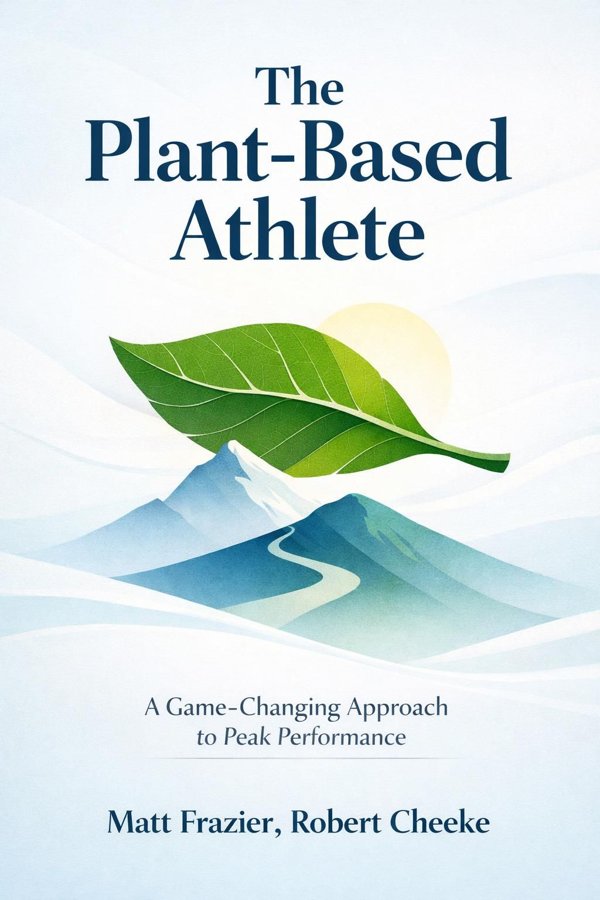
The Plant-Based Athlete: A Game-Changing Approach to Peak Performance: Summary & Key Insights
by Matt Frazier, Robert Cheeke
 10 min9 chaptersAudio available
Key Takeaways from The Plant-Based Athlete: A Game-Changing Approach to Peak Performance
The book opens by challenging that belief head-on.
Athletes often worry first about protein, but the body usually worries first about energy.
The fear of protein deficiency has probably stopped more athletes from trying plant-based eating than any other concern.
Training does not make athletes stronger; recovery does.
Many athletes train as if performance exists only in the next race, season, or physique goal.
What Is The Plant-Based Athlete: A Game-Changing Approach to Peak Performance About?
The Plant-Based Athlete: A Game-Changing Approach to Peak Performance by Matt Frazier, Robert Cheeke is a nutrition book spanning 4 pages. The Plant-Based Athlete argues that elite performance does not require animal products; in many cases, it may improve without them. Written by ultramarathoner and No Meat Athlete founder Matt Frazier alongside pioneering vegan bodybuilder Robert Cheeke, the book blends sports nutrition science, athlete case studies, and practical meal guidance into a compelling case for plant-based training. Its central claim is simple but powerful: when athletes eat enough whole, nutrient-dense plant foods, they can build strength, sustain endurance, recover faster, and support long-term health. What makes this book especially valuable is that it does not rely on ideology alone. Frazier and Cheeke address the questions athletes actually ask: Where does the protein come from? Can you gain muscle without meat? How do you fuel hard sessions, race day, and recovery? They answer with research, real-world examples, and stories from top performers across endurance sports, strength sports, and team athletics. For competitive athletes, fitness enthusiasts, and anyone curious about upgrading performance without sacrificing health, The Plant-Based Athlete offers a practical blueprint for rethinking what “fuel” really means.
This FizzRead summary covers all 9 key chapters of The Plant-Based Athlete: A Game-Changing Approach to Peak Performance in approximately 10 minutes, distilling the most important ideas, arguments, and takeaways from Matt Frazier, Robert Cheeke's work. Also available as an audio summary and Key Quotes Podcast.
The Plant-Based Athlete: A Game-Changing Approach to Peak Performance
The Plant-Based Athlete argues that elite performance does not require animal products; in many cases, it may improve without them. Written by ultramarathoner and No Meat Athlete founder Matt Frazier alongside pioneering vegan bodybuilder Robert Cheeke, the book blends sports nutrition science, athlete case studies, and practical meal guidance into a compelling case for plant-based training. Its central claim is simple but powerful: when athletes eat enough whole, nutrient-dense plant foods, they can build strength, sustain endurance, recover faster, and support long-term health.
What makes this book especially valuable is that it does not rely on ideology alone. Frazier and Cheeke address the questions athletes actually ask: Where does the protein come from? Can you gain muscle without meat? How do you fuel hard sessions, race day, and recovery? They answer with research, real-world examples, and stories from top performers across endurance sports, strength sports, and team athletics. For competitive athletes, fitness enthusiasts, and anyone curious about upgrading performance without sacrificing health, The Plant-Based Athlete offers a practical blueprint for rethinking what “fuel” really means.
Who Should Read The Plant-Based Athlete: A Game-Changing Approach to Peak Performance?
This book is perfect for anyone interested in nutrition and looking to gain actionable insights in a short read. Whether you're a student, professional, or lifelong learner, the key ideas from The Plant-Based Athlete: A Game-Changing Approach to Peak Performance by Matt Frazier, Robert Cheeke will help you think differently.
- ✓Readers who enjoy nutrition and want practical takeaways
- ✓Professionals looking to apply new ideas to their work and life
- ✓Anyone who wants the core insights of The Plant-Based Athlete: A Game-Changing Approach to Peak Performance in just 10 minutes
Want the full summary?
Get instant access to this book summary and 100K+ more with Fizz Moment.
Get Free SummaryAvailable on App Store • Free to download
Key Chapters
Every sports culture has its unquestioned assumptions, and for decades one of the biggest was that serious athletes needed meat, dairy, and large amounts of animal protein to compete. The book opens by challenging that belief head-on. Frazier and Cheeke show that plant-based athletes are no longer fringe anomalies; they are marathoners, bodybuilders, cyclists, fighters, and professionals succeeding at the highest levels. This shift matters because it changes the conversation from “Is it possible?” to “How can it be done well?”
The authors explain that the old skepticism around plant-based performance was driven less by evidence than by habit, marketing, and tradition. In sports culture, protein became almost mythic, while carbohydrates, fiber, and phytonutrients were often undervalued. Yet many athletes who switch to a well-planned plant-based diet report steadier energy, easier digestion, improved body composition, and quicker recovery. The book uses athlete stories not merely as inspiration, but as proof that there are many successful models of plant-based performance.
Importantly, the authors do not argue that simply removing animal foods creates instant excellence. They emphasize intentionality: athletes still need enough calories, sufficient protein, smart timing, and nutrient diversity. What changes is the source of those nutrients. Beans, lentils, tofu, tempeh, whole grains, nuts, seeds, fruits, and vegetables become the foundation rather than the side dish.
A useful practical application is to audit your assumptions. If your current meal plan is based on sports nutrition folklore rather than outcomes, test a plant-forward approach for a few weeks and track energy, sleep, training quality, and recovery. Actionable takeaway: stop asking whether plant-based athletes can thrive, and start asking whether your current diet is truly helping you perform at your best.
Athletes often worry first about protein, but the body usually worries first about energy. One of the book’s clearest lessons is that carbohydrates are the primary fuel for high-output training and endurance performance, and plant-based diets naturally excel here. Fruits, grains, legumes, potatoes, and other minimally processed plant foods provide the glycogen-building carbohydrates that power hard workouts, repeated efforts, and sustained endurance.
Frazier and Cheeke explain that this does not mean protein is unimportant. Instead, it means many athletes have the hierarchy backward. If glycogen stores are low, workouts suffer. If calories are insufficient, recovery is compromised. If meals are centered only on chasing protein numbers, athletes may neglect the very foods that most directly support performance. Plant-based eating can correct this imbalance by making carbohydrate-rich whole foods central again.
The book also addresses a common misconception: that plant-based diets are somehow too light or insufficient for strength and endurance. In reality, performance meals can be substantial and strategic. Oatmeal with fruit and nut butter before training, rice and beans after a session, smoothies with soy milk and berries, pasta with lentils, sweet potatoes with tofu, or bagels and bananas around long efforts can all provide efficient fuel. Athletes who train multiple times a day may especially benefit from this emphasis on digestible, carbohydrate-rich foods.
The practical implication is to build meals around purpose. Before intense sessions, prioritize easy-to-digest carbohydrates. Afterward, pair carbohydrates with protein for replenishment and repair. During high-volume training, increase total intake rather than relying on willpower. Actionable takeaway: if your training feels flat, don’t just ask whether you need more protein; first ask whether you are eating enough carbohydrates to support the work.
The fear of protein deficiency has probably stopped more athletes from trying plant-based eating than any other concern. The authors tackle this anxiety directly by showing that plant foods can provide ample protein for muscle repair, adaptation, and growth when overall eating is sufficient and varied. The real challenge is rarely the absence of protein; it is the lack of planning and the tendency to compare plant foods unfairly to isolated animal products instead of whole dietary patterns.
The book makes a practical distinction between “getting enough” and “optimizing.” Most athletes can meet baseline protein needs through legumes, soy foods, whole grains, nuts, seeds, and protein-rich plant products. Athletes with especially high needs, such as bodybuilders, strength athletes, or those in heavy training blocks, may benefit from more deliberate distribution across the day. This can mean including tofu at lunch, lentils at dinner, edamame as a snack, soy yogurt after training, and a plant protein shake when convenient.
Frazier and Cheeke also normalize the idea that different sports call for different strategies. A marathoner, CrossFit athlete, and physique competitor do not all need identical plans. But none of them are automatically limited by the absence of animal products. The key is to eat enough total food, include a variety of protein sources, and make recovery meals intentional.
A useful application is to stop thinking of protein as one giant dinner event. Instead, spread it throughout the day: breakfast, lunch, dinner, and post-workout. Build a short list of reliable staples such as tofu, tempeh, lentils, beans, seitan, soy milk, hemp seeds, and plant protein powders. Actionable takeaway: replace vague protein fear with a simple system of consistent, protein-rich plant meals across the day.
Training does not make athletes stronger; recovery does. One of the book’s most compelling arguments is that plant-based eating may offer a major edge not just in fueling workouts, but in bouncing back from them. Because whole plant foods are rich in antioxidants, phytonutrients, minerals, and anti-inflammatory compounds, they can support the body’s repair processes in ways that many standard sports diets overlook.
The authors connect this idea to a larger view of athletic success. Performance is not only about what happens during a race or in the gym. It is about whether you can come back the next day and train well again. If food helps reduce excessive inflammation, improve circulation, support immune function, and replenish glycogen efficiently, it becomes a performance tool rather than just a calorie source. Athletes living in a constant cycle of soreness, digestive heaviness, or low-grade fatigue may be underestimating the importance of food quality.
Examples throughout the book point to practical recovery habits: smoothies with fruit and plant protein after hard sessions, meals built around grains and legumes, tart cherries or berries for antioxidant support, leafy greens for micronutrients, and hydration strategies that rely on both fluids and mineral-rich foods. The authors do not claim that plants eliminate soreness or injury, but they show how a nutrient-dense diet can create better conditions for healing and adaptation.
For athletes, this means recovery nutrition should be proactive, not reactive. Don’t wait until burnout or injury forces change. Create a repeatable recovery routine that starts immediately after training and continues through your next meals. Actionable takeaway: treat every post-workout meal as part of your training plan, not as an afterthought.
Many athletes train as if performance exists only in the next race, season, or physique goal. The book broadens that frame by asking a more important question: what kind of diet supports not just peak output today, but health and vitality over decades? Frazier and Cheeke argue that this is where plant-based eating becomes especially compelling. A diet rich in whole plant foods is associated with cardiovascular health, lower chronic disease risk, better metabolic function, and healthier aging—all crucial for athletes who want long careers and strong bodies later in life.
This idea reframes sports nutrition. Instead of separating “performance eating” from “healthy eating,” the authors suggest they can align. Foods that support circulation, reduce excessive inflammation, provide fiber, and deliver a wide spectrum of micronutrients may also help athletes maintain body composition, recover well, and protect long-term health. This matters even more for recreational athletes, whose main goal is not a podium but a sustainable, energetic life.
The practical lesson is to stop evaluating meals only by their immediate macros. Ask whether your way of eating is likely to support healthy blood pressure, digestive function, energy regulation, and resilience five, ten, or twenty years from now. A fast-food recovery meal might fit calories, but it may not serve the broader goal of sustained well-being. In contrast, a hearty bowl of rice, beans, greens, avocado, and vegetables can support both immediate recovery and long-term health.
Actionable takeaway: define athletic success not just by today’s performance, but by whether your nutrition habits help you stay strong, capable, and healthy for the long run.
The biggest nutrition changes often fail not because they are ineffective, but because they are unsustainable. One of the book’s most practical contributions is its emphasis on realistic transition. Frazier and Cheeke understand that athletes are creatures of routine, and sudden dietary overhauls can feel disruptive, confusing, or socially awkward. Rather than demanding perfection from day one, they encourage a step-by-step approach that allows athletes to learn, adapt, and build confidence.
This means starting with what is easiest. Some people begin by making breakfast fully plant-based. Others replace one animal-based staple at a time, such as swapping cow’s milk for soy milk, using beans instead of meat in lunch bowls, or experimenting with tofu scrambles and lentil pasta. The book also highlights the importance of preparation: keeping staple foods on hand, learning a few dependable meals, and planning for travel, races, and busy workdays. Success depends less on motivation than on systems.
The authors also address identity. Athletes may resist change because certain foods feel tied to strength, tradition, or team culture. A gradual transition helps separate emotion from evidence. As athletes notice better digestion, steadier energy, or improved recovery, plant-based eating stops feeling like deprivation and starts feeling like a strategic choice.
A useful method is to create a two-week experiment rather than a permanent rule. Track training quality, sleep, hunger, soreness, and mood. Build three breakfasts, three lunches, three dinners, and two snacks you enjoy. Repetition creates consistency, and consistency creates results. Actionable takeaway: don’t aim for instant perfection; build a plant-based system that fits your real life and can survive busy days, travel, and hard training blocks.
Athletes often think in calories, protein grams, and supplements, but performance is also built on small nutritional details. The book underscores the importance of key micronutrients in a plant-based athletic diet, especially iron, vitamin B12, calcium, vitamin D, iodine, zinc, and omega-3 fats. These are not reasons to avoid plant-based eating; they are reasons to approach it intelligently.
The authors show that nutrient awareness is part of serious sports nutrition, regardless of diet style. Plant-based athletes should know where B12 comes from, how to improve iron absorption, and why certain minerals deserve attention during high training loads. For example, pairing iron-rich foods like lentils, beans, pumpkin seeds, and leafy greens with vitamin C sources such as citrus, peppers, or berries can improve absorption. Fortified plant milks and tofu can support calcium intake, while algae-based supplements may help with DHA and EPA omega-3s.
This chapter of the book’s message is empowering because it replaces vague criticism with specific solutions. Critics often point to nutrient risks as proof that plant-based diets are flawed. The authors argue that every eating pattern has nutritional blind spots. What matters is whether you know yours and address them effectively.
A practical application is to build a personal checklist. Make sure B12 is covered consistently, use fortified foods strategically, include omega-3 sources like flax, chia, or walnuts, and consider periodic bloodwork if you train hard year-round. If fatigue, frequent illness, or poor adaptation appear, investigate nutrition before assuming overtraining alone is the cause. Actionable takeaway: treat micronutrient planning as a performance advantage, not a burden.
An athlete can hit calorie targets and still feel terrible. One reason is that digestion, gut comfort, and food quality strongly influence performance. The book repeatedly returns to the idea that not all calories are equally useful for active bodies. Whole and minimally processed plant foods often provide a favorable combination of carbohydrates, water, fiber, antioxidants, and micronutrients, which can create smoother energy and more efficient recovery than heavily processed diets.
That said, the authors are not dogmatic. They recognize that athletes have different digestive tolerances and that strategic refinement matters. Fiber is generally beneficial, but immediately before competition or during long events, lower-fiber options may be smarter. A pre-race meal of bagels, oats, bananas, or rice may work better than a giant raw salad. Likewise, sports drinks, gels, and refined carbohydrates have a place when quick fuel is required. The larger principle is flexibility: use whole foods as the foundation, and use convenience foods strategically.
The digestive piece is especially important for athletes transitioning from heavy animal-based meals. Many find that plant-centered meals feel lighter and easier to train on, especially when built around familiar staples. A grain bowl with tofu and cooked vegetables, a smoothie with fruit and soy milk, or pasta with tomato sauce and lentils can deliver fuel without the same heaviness some experience from richer meals.
Actionable takeaway: build your everyday diet around high-quality plant foods, then adjust fiber, meal size, and food choice based on training intensity and timing so your nutrition supports comfort as well as performance.
Sport often celebrates dominance, toughness, and sacrifice, but The Plant-Based Athlete invites a broader definition of strength. Beyond performance metrics, the book suggests that athletes can align their food choices with values such as compassion, environmental responsibility, and social impact without giving up competitiveness. This matters because lasting habits are often strongest when they connect to identity, not just outcomes.
Frazier and Cheeke do not present ethics as a lecture detached from performance. Instead, they show how many athletes are motivated by the idea that their diet can support both personal goals and larger principles. Choosing plant-based foods can reduce reliance on resource-intensive animal agriculture while also encouraging a more mindful relationship to health. For some readers, this ethical dimension may be the emotional reason they stay committed long after the novelty of dietary change fades.
This idea also helps resolve an internal conflict some athletes feel: that caring about animals or the planet might somehow make them less fierce or serious. The stories in the book prove the opposite. Compassion and competitiveness are not mutually exclusive. You can train hard, chase ambitious goals, and still choose a way of eating that reflects your broader values.
A practical application is to define your own “why.” Performance may get you interested, but meaning helps you stay consistent. Write down the reasons you are exploring plant-based eating: better recovery, lower inflammation, ethical concerns, environmental impact, or simply curiosity. Actionable takeaway: connect your nutrition habits to a purpose deeper than appearance or short-term results, because identity-based change lasts longer than willpower-based change.
All Chapters in The Plant-Based Athlete: A Game-Changing Approach to Peak Performance
About the Authors
Matt Frazier is an ultramarathon runner, writer, and founder of No Meat Athlete, a widely respected platform that helps runners and fitness enthusiasts succeed on plant-based diets. Through his work, he has become one of the most visible advocates for vegan endurance performance. Robert Cheeke is a pioneering vegan bodybuilder, speaker, and author known for proving that strength, muscle, and plant-based eating can go hand in hand. He has spent years educating athletes about vegan fitness and challenging outdated assumptions about protein and performance. Together, Frazier and Cheeke bring complementary experience from endurance and strength sports, making them a powerful team to explain how plant-based nutrition can support a broad range of athletic goals.
Get This Summary in Your Preferred Format
Read or listen to the The Plant-Based Athlete: A Game-Changing Approach to Peak Performance summary by Matt Frazier, Robert Cheeke anytime, anywhere. FizzRead offers multiple formats so you can learn on your terms — all free.
Available formats: App · Audio · PDF · EPUB — All included free with FizzRead
Download The Plant-Based Athlete: A Game-Changing Approach to Peak Performance PDF and EPUB Summary
Key Quotes from The Plant-Based Athlete: A Game-Changing Approach to Peak Performance
“Every sports culture has its unquestioned assumptions, and for decades one of the biggest was that serious athletes needed meat, dairy, and large amounts of animal protein to compete.”
“Athletes often worry first about protein, but the body usually worries first about energy.”
“The fear of protein deficiency has probably stopped more athletes from trying plant-based eating than any other concern.”
“Training does not make athletes stronger; recovery does.”
“Many athletes train as if performance exists only in the next race, season, or physique goal.”
Frequently Asked Questions about The Plant-Based Athlete: A Game-Changing Approach to Peak Performance
The Plant-Based Athlete: A Game-Changing Approach to Peak Performance by Matt Frazier, Robert Cheeke is a nutrition book that explores key ideas across 9 chapters. The Plant-Based Athlete argues that elite performance does not require animal products; in many cases, it may improve without them. Written by ultramarathoner and No Meat Athlete founder Matt Frazier alongside pioneering vegan bodybuilder Robert Cheeke, the book blends sports nutrition science, athlete case studies, and practical meal guidance into a compelling case for plant-based training. Its central claim is simple but powerful: when athletes eat enough whole, nutrient-dense plant foods, they can build strength, sustain endurance, recover faster, and support long-term health. What makes this book especially valuable is that it does not rely on ideology alone. Frazier and Cheeke address the questions athletes actually ask: Where does the protein come from? Can you gain muscle without meat? How do you fuel hard sessions, race day, and recovery? They answer with research, real-world examples, and stories from top performers across endurance sports, strength sports, and team athletics. For competitive athletes, fitness enthusiasts, and anyone curious about upgrading performance without sacrificing health, The Plant-Based Athlete offers a practical blueprint for rethinking what “fuel” really means.
More by Matt Frazier, Robert Cheeke
You Might Also Like

Eating by the Seasons Cookbook: Seasonal Produce-Focused Recipes
Clare Foster
10 min
From Crook to Cook: Platinum Recipes from Tha Boss Dogg's Kitchen
Snoop Dogg with Ryan Ford
10 min
Juicing for Beginners: The Essential Guide to Juicing Recipes and Juicing for Weight Loss
Rockridge Press
10 min
The Food Therapist: Break Bad Habits, Eat with Intention, and Indulge Without Worry
Shira Lenchewski
10 min
The Mediterranean Diet Meal Plan: A 4-Week Meal Plan for Optimal Health and Weight Loss
Various Contributors
10 min
The Well Plated Cookbook: Simple, Wholesome Recipes for Everyday Meals
Erin Clarke
10 minBrowse by Category
Ready to read The Plant-Based Athlete: A Game-Changing Approach to Peak Performance?
Get the full summary and 100K+ more books with Fizz Moment.