
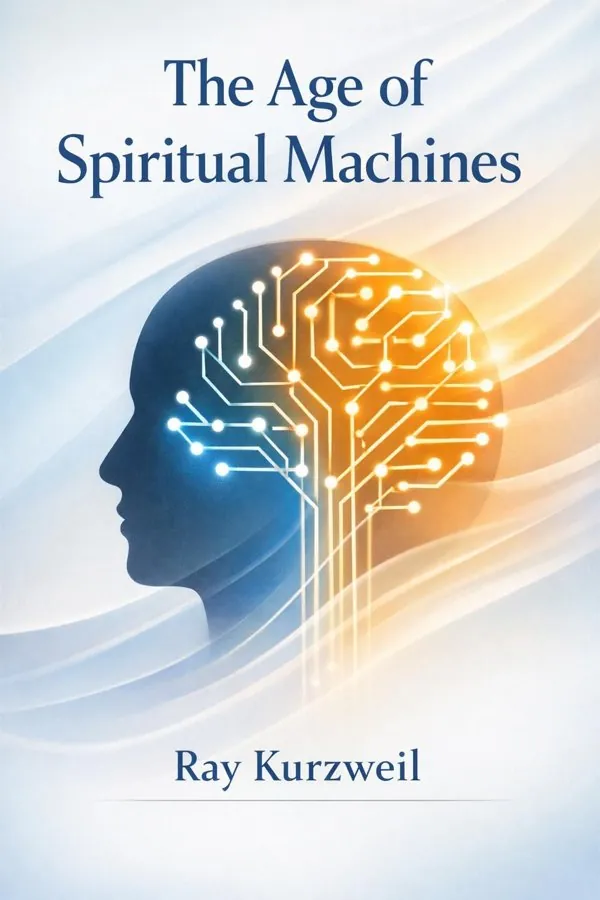
The Age of Spiritual Machines: When Computers Exceed Human Intelligence: Summary & Key Insights
by Ray Kurzweil
 10 min7 chaptersAudio available
What Is The Age of Spiritual Machines: When Computers Exceed Human Intelligence About?
The Age of Spiritual Machines: When Computers Exceed Human Intelligence by Ray Kurzweil is a ai_ml book spanning 7 pages. In this influential work, inventor and futurist Ray Kurzweil explores the accelerating pace of technological progress and its implications for humanity. He predicts that computers will soon rival and surpass human intelligence, leading to profound transformations in society, consciousness, and the nature of life itself. The book combines scientific analysis, philosophical reflection, and imaginative foresight to outline a future shaped by artificial intelligence and human–machine integration.
This FizzRead summary covers all 7 key chapters of The Age of Spiritual Machines: When Computers Exceed Human Intelligence in approximately 10 minutes, distilling the most important ideas, arguments, and takeaways from Ray Kurzweil's work. Also available as an audio summary and Key Quotes Podcast.
The Age of Spiritual Machines: When Computers Exceed Human Intelligence
In this influential work, inventor and futurist Ray Kurzweil explores the accelerating pace of technological progress and its implications for humanity. He predicts that computers will soon rival and surpass human intelligence, leading to profound transformations in society, consciousness, and the nature of life itself. The book combines scientific analysis, philosophical reflection, and imaginative foresight to outline a future shaped by artificial intelligence and human–machine integration.
Who Should Read The Age of Spiritual Machines: When Computers Exceed Human Intelligence?
This book is perfect for anyone interested in ai_ml and looking to gain actionable insights in a short read. Whether you're a student, professional, or lifelong learner, the key ideas from The Age of Spiritual Machines: When Computers Exceed Human Intelligence by Ray Kurzweil will help you think differently.
- ✓Readers who enjoy ai_ml and want practical takeaways
- ✓Professionals looking to apply new ideas to their work and life
- ✓Anyone who wants the core insights of The Age of Spiritual Machines: When Computers Exceed Human Intelligence in just 10 minutes
Want the full summary?
Get instant access to this book summary and 100K+ more with Fizz Moment.
Get Free SummaryAvailable on App Store • Free to download
Key Chapters
To appreciate where we are going, we must first understand where we have been. Throughout history, each major technological epoch has built upon the previous one, compressing centuries of development into ever-shorter spans. The mechanical computers of the early twentieth century—the gears and relays of Babbage and Turing—paved the road for electronic computation. The transistor replaced the vacuum tube, shrinking machines from room-sized monstrosities to desktop tools, and later to microscopic circuits housed in your pocket.
What ties all these revolutions together is not merely innovation, but acceleration. Human invention evolves in the same way biological evolution does: through a feedback loop of adaptation and improvement. Just as genetic mutations create more capable organisms that can replicate their success, each technological generation creates tools that engineer their more powerful successors. This compounding effect is why our ancestors took millennia to discover agriculture, yet we leap from crude computation to global AI in less than a century.
Looking back from mechanical automata to integrated circuits, we can trace a continuous trajectory: increasing complexity, greater information density, and expanding intelligence. Each leap—whether the printing press, the telegraph, or the internet—reshaped not only how we work, but how we think. The message of history is unmistakable: our creations evolve faster than we do, but ultimately they express our own urge to transcend limits. The machines of today are not foreign entities; they are the descendants of our imagination.
At the heart of my argument is a principle that governs all technological progress: the Law of Accelerating Returns. Unlike linear growth, which moves at a steady rate, exponential growth multiplies upon itself. Moore’s Law—the observation that computing power doubles roughly every two years—is just one expression of this universal phenomenon. The same acceleration is evident in memory capacity, communication bandwidth, and the miniaturization of components.
What this means is that each generation of technology not only advances our capabilities; it accelerates the pace at which further advancements occur. The graph of progress does not rise in a straight line—it curves sharply upward. When you project this trajectory into the future, you can begin to grasp why the changes coming in the next few decades will be more transformative than those in all of human history combined.
This accelerating growth applies not only to machines but to intelligence itself. The first systems to mimic small aspects of cognition—speech recognition, pattern detection, and simple neural networks—are primitive prototypes compared to the intelligent entities that these systems will soon design. As our computational infrastructure approaches and then exceeds the capacity of the human brain, the distinction between what is human-made and human becomes increasingly meaningless.
+ 5 more chapters — available in the FizzRead app
All Chapters in The Age of Spiritual Machines: When Computers Exceed Human Intelligence
About the Author
Ray Kurzweil is an American inventor, author, and futurist known for his pioneering work in optical character recognition, text-to-speech synthesis, and artificial intelligence. He has written extensively on the future of technology and human evolution, and serves as a director of engineering at Google, focusing on machine learning and language processing.
Get This Summary in Your Preferred Format
Read or listen to the The Age of Spiritual Machines: When Computers Exceed Human Intelligence summary by Ray Kurzweil anytime, anywhere. FizzRead offers multiple formats so you can learn on your terms — all free.
Available formats: App · Audio · PDF · EPUB — All included free with FizzRead
Download The Age of Spiritual Machines: When Computers Exceed Human Intelligence PDF and EPUB Summary
Key Quotes from The Age of Spiritual Machines: When Computers Exceed Human Intelligence
“To appreciate where we are going, we must first understand where we have been.”
“At the heart of my argument is a principle that governs all technological progress: the Law of Accelerating Returns.”
Frequently Asked Questions about The Age of Spiritual Machines: When Computers Exceed Human Intelligence
The Age of Spiritual Machines: When Computers Exceed Human Intelligence by Ray Kurzweil is a ai_ml book that explores key ideas across 7 chapters. In this influential work, inventor and futurist Ray Kurzweil explores the accelerating pace of technological progress and its implications for humanity. He predicts that computers will soon rival and surpass human intelligence, leading to profound transformations in society, consciousness, and the nature of life itself. The book combines scientific analysis, philosophical reflection, and imaginative foresight to outline a future shaped by artificial intelligence and human–machine integration.
More by Ray Kurzweil
You Might Also Like
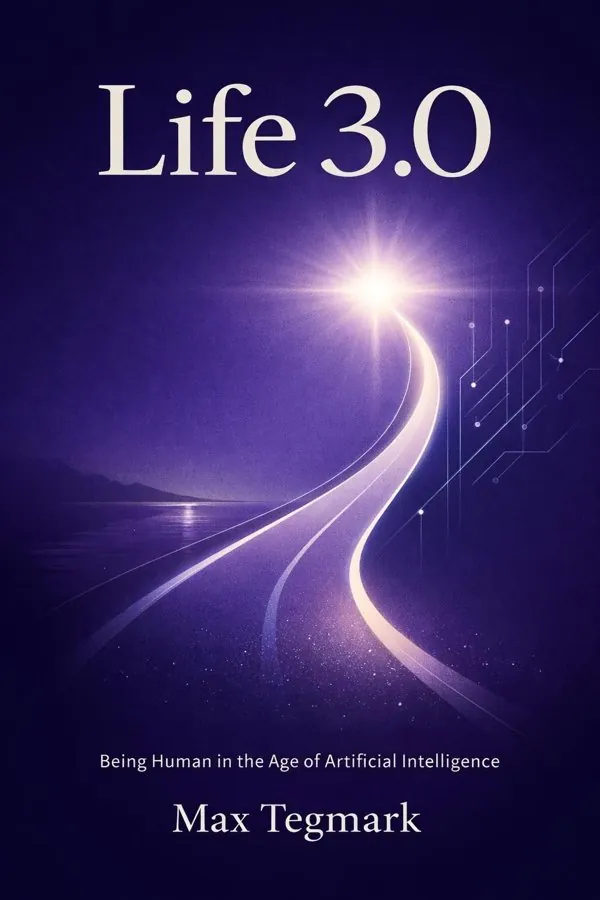
Life 3.0
Max Tegmark
10 min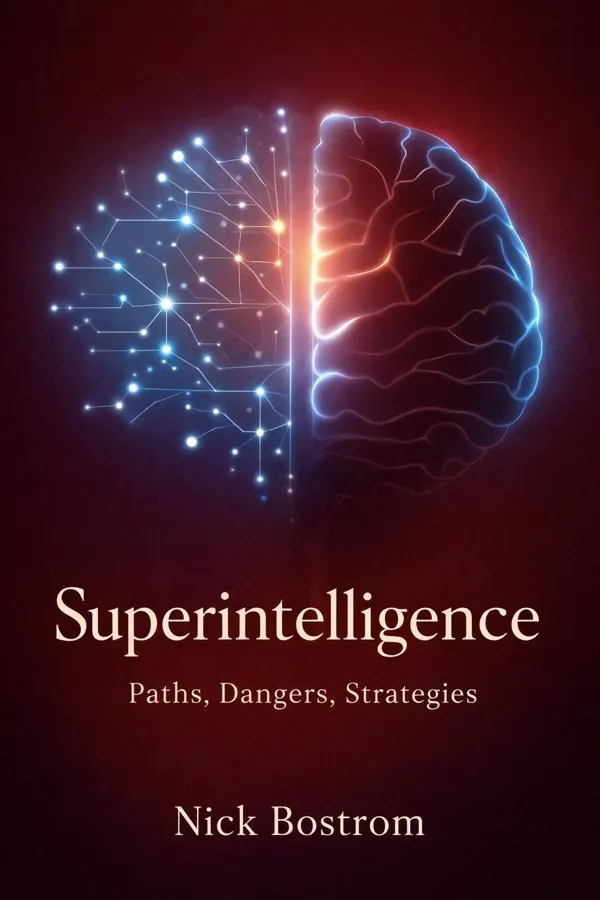
Superintelligence
Nick Bostrom
10 min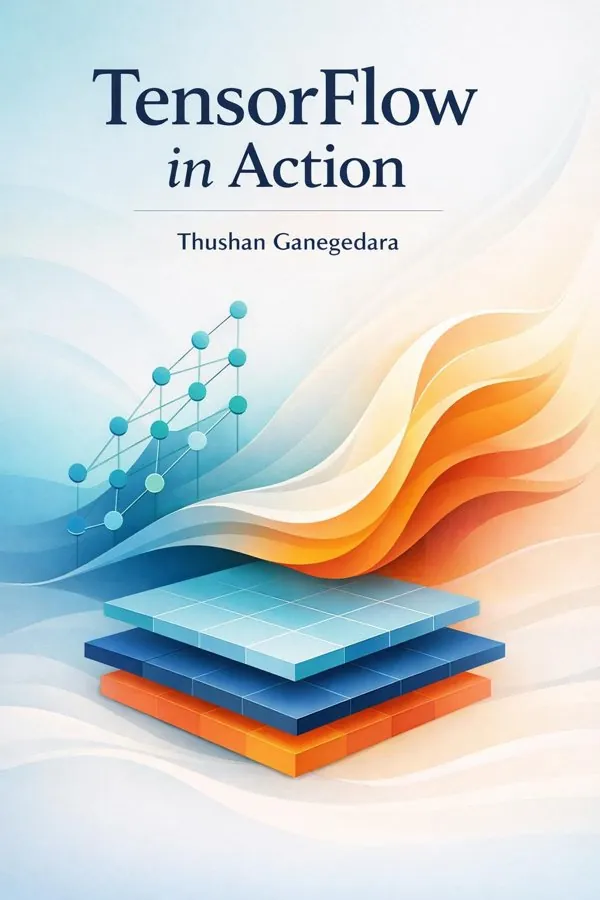
TensorFlow in Action
Thushan Ganegedara
10 min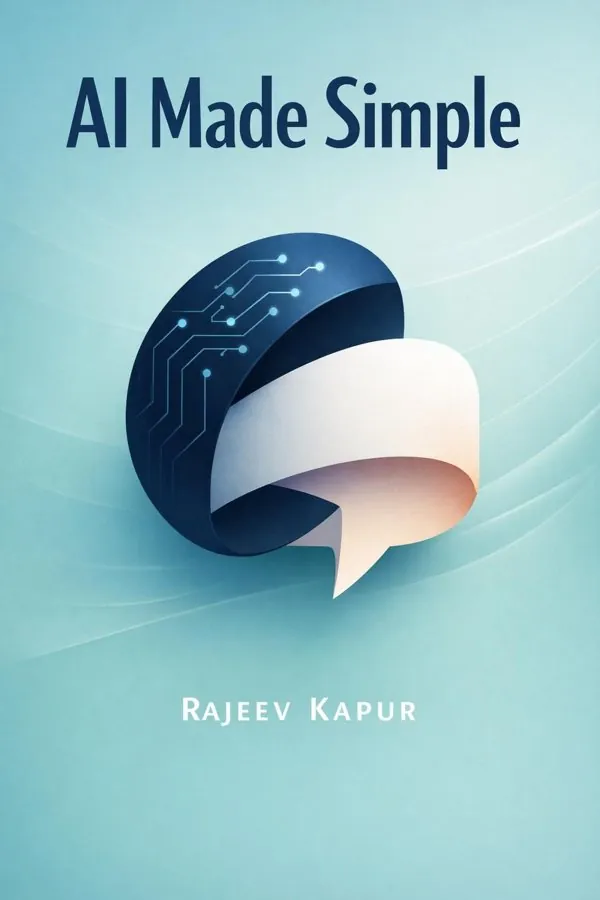
AI Made Simple: A Beginner’s Guide to Generative AI, ChatGPT, and the Future of Work
Rajeev Kapur
10 min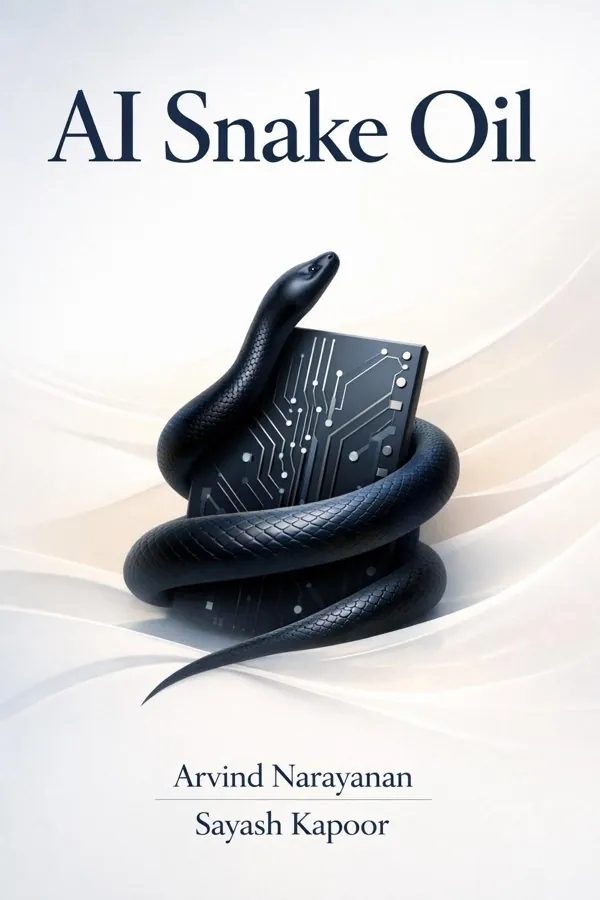
AI Snake Oil
Arvind Narayanan, Sayash Kapoor
10 min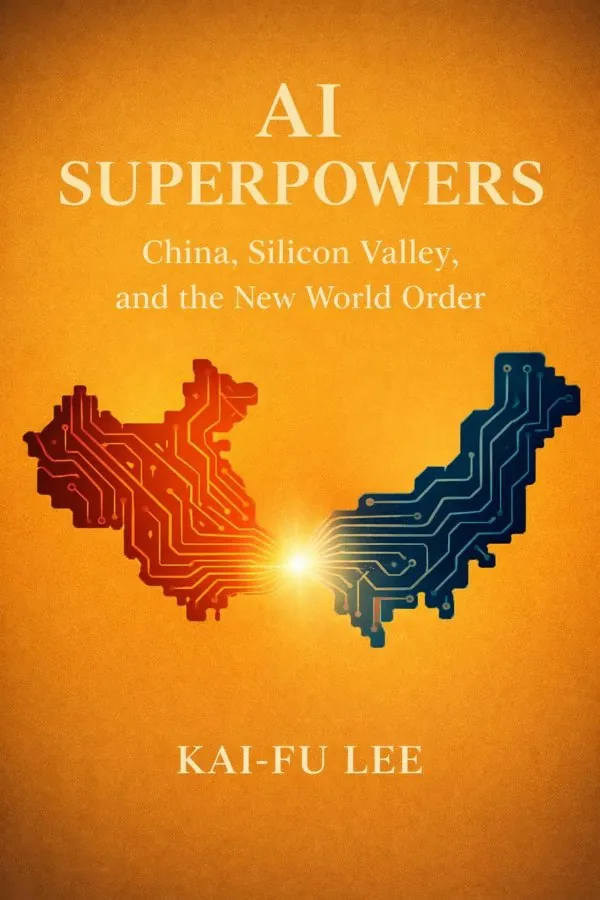
AI Superpowers: China, Silicon Valley, and the New World Order
Kai-Fu Lee
10 minBrowse by Category
Ready to read The Age of Spiritual Machines: When Computers Exceed Human Intelligence?
Get the full summary and 100K+ more books with Fizz Moment.